Blue Gourami
Are you looking to add a splash of color and calm to your aquarium? The Blue Gourami might be the perfect choice for you.
Known for its stunning blue hues and peaceful nature, this fish is a favorite among both beginners and experienced hobbyists. You’ll discover everything you need to know to keep your Blue Gourami happy and healthy. From tank setup tips to feeding secrets, you’ll be ready to create an underwater oasis that truly shines.
Keep reading—you won’t want to miss these insider tips that can transform your aquarium experience.
Credit: aquaticarts.com
Blue Gourami Basics
The Blue Gourami is a popular freshwater fish known for its calm nature and striking colors. It is a favorite among aquarium enthusiasts of all levels. Understanding its basic traits helps in providing the best care and environment.
This fish adds beauty and life to any tank. It is easy to care for and adapts well to different conditions.
Physical Features
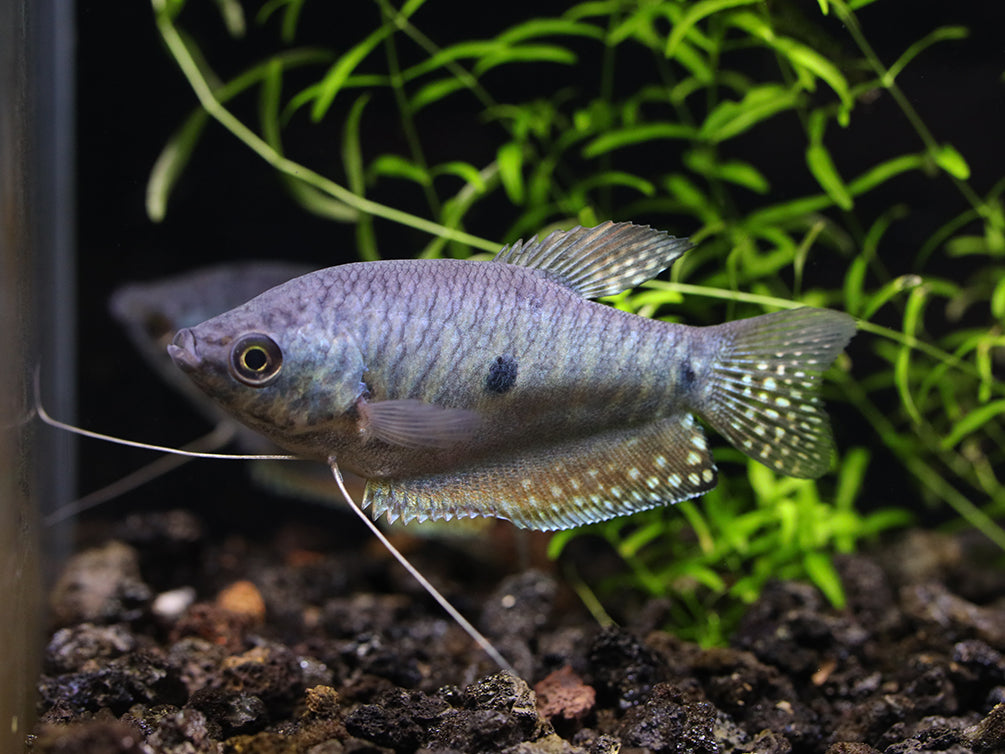
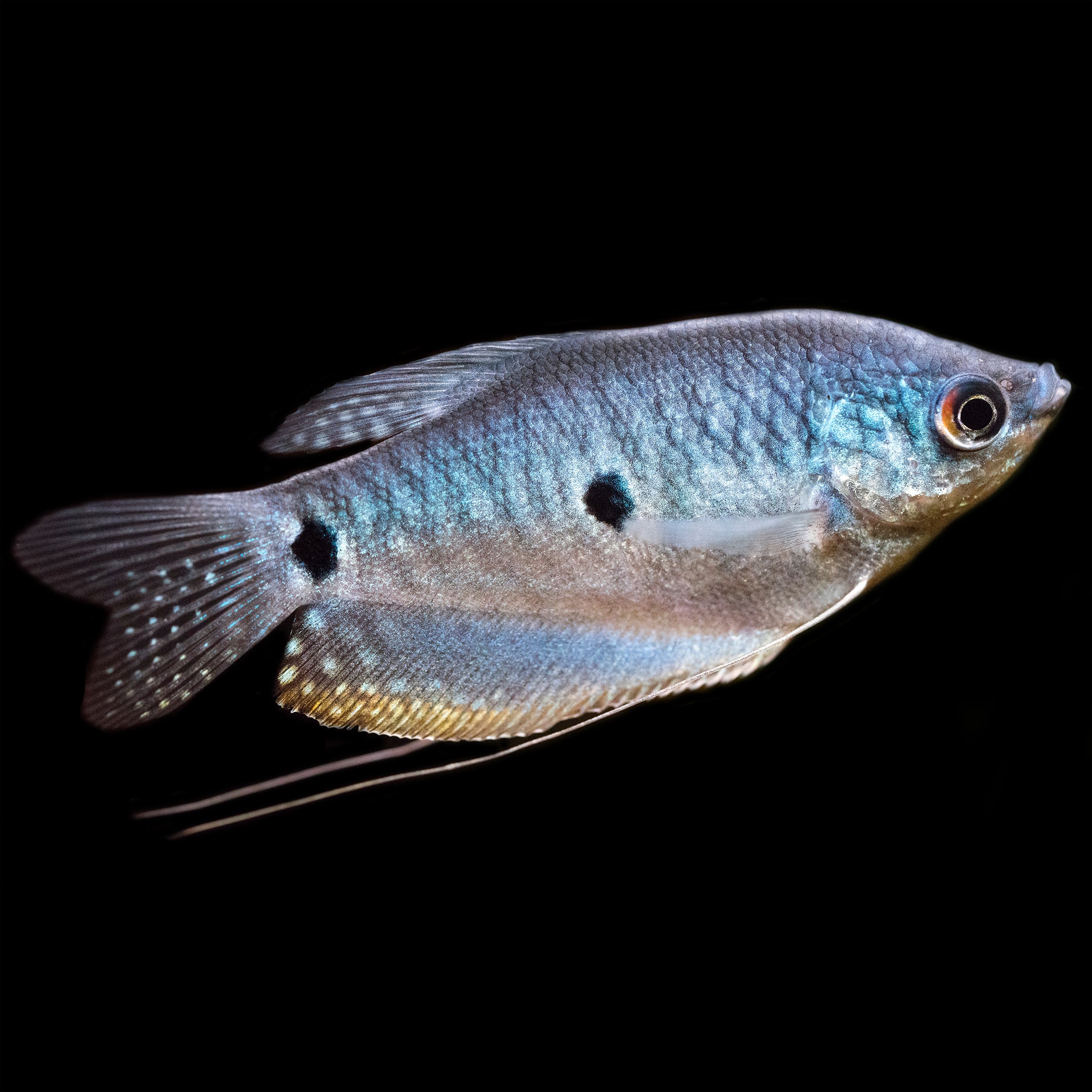
The Blue Gourami has a flat, oval-shaped body with a blue or silver-blue color. Males have longer fins and a more vibrant color than females. They have two long, thread-like pelvic fins used to feel around their environment. These fish display a shimmering effect under light. Their eyes are large, which helps them see well in murky water.
Natural Habitat
Blue Gouramis come from slow-moving rivers, ponds, and swamps in Southeast Asia. They prefer warm water with lots of plants. These fish live in water with low oxygen levels and can breathe air through a special organ. They hide among plants to avoid predators and rest in shaded areas. Their natural environment is calm and quiet.
Lifespan And Size
Blue Gouramis usually live for 4 to 6 years. Proper care can help them live longer. They grow to about 4 to 6 inches in length. Males tend to be slightly larger than females. Their size makes them suitable for medium to large home aquariums. Regular feeding and clean water support healthy growth.
Tank Setup
Setting up a tank for Blue Gourami is important for their health and happiness. A proper environment helps them live longer and show natural behavior. This section explains the key points for creating a perfect home for your Blue Gourami.
Tank Size Requirements
Blue Gouramis need enough space to swim freely. A tank of at least 20 gallons is ideal for one adult. Bigger tanks are better if you keep more fish. Small tanks can cause stress and health problems.
Water Parameters
Maintain a water temperature between 72°F and 82°F. The pH level should be between 6.0 and 8.0. Keep water clean with regular changes to reduce toxins. Use a gentle filter to avoid strong currents that stress the fish.
Aquascaping Tips
Blue Gouramis like plants and hiding spots. Use live or artificial plants to create cover. Add driftwood or rocks for hiding places. Leave open swimming areas in the middle of the tank. Soft lighting helps them feel safe and comfortable.
Feeding Blue Gouramis
Feeding Blue Gouramis is simple but important for their health. Proper food helps them grow strong and stay active. Knowing what and how often to feed keeps them happy.
Blue Gouramis enjoy a balanced diet with variety. Fresh and dry foods work well for them.
Diet Types
Blue Gouramis eat flakes, pellets, and frozen foods. They also like live foods like brine shrimp and bloodworms. A mix of plant and animal-based food supports their health. Vegetables like spinach or peas can be added too. This variety gives them good nutrition and color.
Feeding Frequency
Feed Blue Gouramis small amounts twice a day. Give only what they can eat in a few minutes. Young gouramis may need feeding three times daily. Regular feeding helps maintain their energy and growth. Avoid large meals that they cannot finish.
Avoiding Overfeeding
Overfeeding causes water pollution and health problems. Leftover food can spoil and harm fish. Watch their behavior and adjust food amounts. Remove uneaten food after feeding. Keep feeding amounts consistent to prevent obesity and illness.
Behavior And Temperament
The Blue Gourami is a popular aquarium fish known for its calm and curious nature. Understanding its behavior helps keep it happy and healthy. These fish show interesting habits that make them enjoyable to watch. Their temperament is generally peaceful but can change depending on the environment.
Social Behavior
Blue Gouramis often enjoy company but may act territorial. Males can be aggressive towards each other, especially in small tanks. They use their long fins to show dominance. Females tend to be less aggressive and more social. These fish communicate through body language and colors. Providing enough space reduces conflicts and stress.
Compatibility With Other Fish
Blue Gouramis get along well with many peaceful fish. Avoid keeping them with very small or shy species. Fast and aggressive fish can stress them out. Good tank mates include tetras, barbs, and other gouramis. Always watch for signs of bullying or chasing. A well-planted tank helps create hiding spots for all fish.
Signs Of Stress
Stress shows quickly in Blue Gouramis. Look for faded colors or clamped fins. They may hide more than usual or stop eating. Rapid breathing or scratching against objects are warning signs. Stress can lead to illness or death. Keep water clean and stable to prevent stress. Regular observation helps catch problems early.
Breeding Blue Gouramis
Breeding Blue Gouramis is a rewarding experience for fish keepers. These fish are known for their unique bubble nest building and caring behavior. They adapt well to home aquariums, making breeding easier for beginners. Understanding their needs helps ensure a successful breeding process.
Breeding Conditions
Blue Gouramis breed best in warm water, around 78 to 82°F (25 to 28°C). The tank should be calm with little water movement. Use a separate breeding tank to protect eggs and fry. Maintain a pH level between 6.0 and 7.5. Provide plenty of plants or floating leaves for shelter.
Bubble Nest Building
Male Blue Gouramis build bubble nests at the water surface. They use bubbles mixed with saliva to create a floating nest. The nest holds the eggs after spawning. Males guard the nest and protect the eggs from threats. Seeing this natural behavior is fascinating for aquarium owners.
Raising Fry
After hatching, the fry stay in the bubble nest for a few days. Once free swimming, feed them tiny foods like infusoria or baby brine shrimp. Keep water clean and change small amounts regularly. Remove the male after spawning to avoid aggression. Fry grow fast with proper care and nutrition.
Credit: flipaquatics.com
Common Health Issues
Blue Gouramis are hardy fish, but they can face health problems. Knowing common health issues helps keep them strong and happy. Early care can stop many diseases from spreading.
Disease Symptoms
Watch for clamped fins or faded colors. Gasping for air at the surface is a red flag. White spots or patches on the body mean illness. Slow movement or hiding more than usual shows stress. Swollen belly or bloated body needs attention.
Prevention Tips
Keep the tank clean and water fresh. Test water regularly for pH and ammonia. Avoid overcrowding; give each fish space to swim. Feed a balanced diet with quality food. Quarantine new fish before adding to the tank.
Treatment Options
Use aquarium salt to ease minor infections. Medications can treat specific diseases; follow instructions carefully. Change water often to remove toxins and bacteria. Remove sick fish to prevent spreading illness. Consult a vet for serious or unclear symptoms.
Popular Blue Gourami Varieties
Blue Gourami fish come in many popular varieties. These varieties offer different looks and traits. They make aquariums colorful and lively. Understanding these types helps hobbyists choose the best fish.
Some varieties have unique colors. Others are hybrids with mixed features. Choosing healthy fish ensures a happy aquarium.
Color Variations
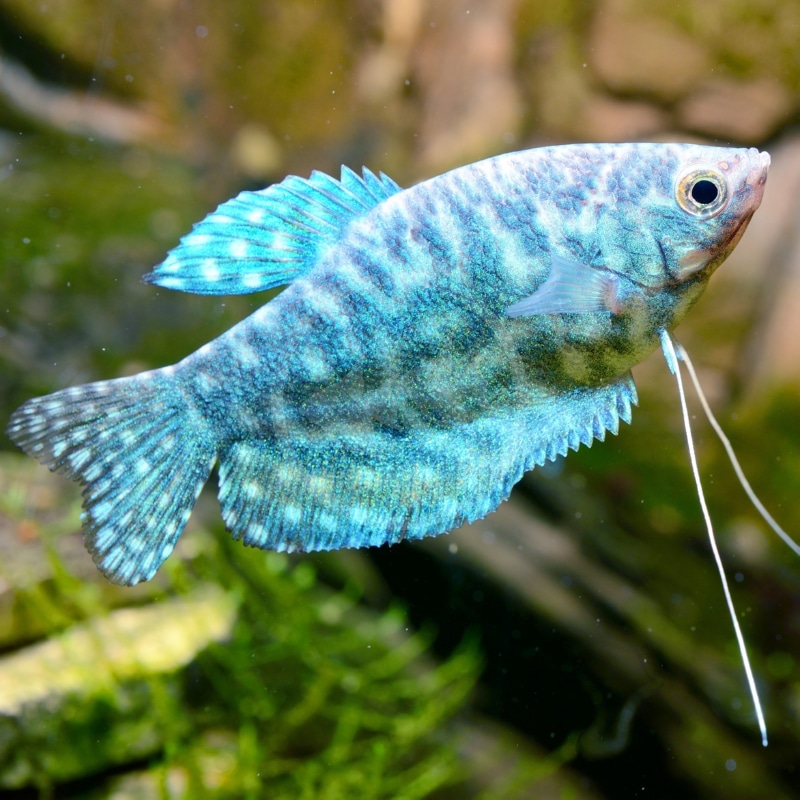
Blue Gouramis show many color types. The classic variety is light blue with dark stripes. Some have a bright turquoise shade. Others display pale silver or white colors. These colors change slightly with age and mood. Color variety adds beauty and interest.
Hybrid Types
Hybrid Blue Gouramis combine traits from different types. Breeders mix colors and patterns for new looks. Common hybrids include gold and opaline blends. These fish often have shiny scales and unique markings. Hybrids can be more colorful than pure types.
Selecting Healthy Specimens
Choose fish with clear eyes and smooth scales. Look for active swimmers without spots or wounds. Healthy Blue Gouramis have bright colors and strong fins. Avoid fish that seem weak or hide often. Proper selection helps prevent illness in your tank.
Credit: aquaticsunlimited.com
How Smart Pets Lover Can Help You with Blue Gourami
Learning from Your Blue Gourami Journey
Welcoming a Blue Gourami into your home offers more than just the joy of watching a vibrant fish swim gracefully—it opens doors to practical learning about aquatic life. Observing their behavior and temperament can teach you patience and attentiveness, vital skills for any pet parent. For example, recognizing subtle signs of stress or illness helps you respond quickly to common health issues before they escalate.
Setting up the perfect tank isn’t just about aesthetics; it’s a hands-on lesson in creating a balanced ecosystem. From water parameters to selecting the right plants and hiding spots, each step deepens your understanding of aquatic environments. If you’re curious about breeding Blue Gouramis, the experience offers insights into fish reproductive behavior and the delicate care required to nurture fry.
- Monitor feeding routines to learn how diet impacts health and activity
- Note social interactions to appreciate the nuances of fish temperament
- Maintain tank conditions, reinforcing responsibility and consistency
At Smart Pets Lover, we believe every moment with your pet is a chance to grow and connect. If you ever need guidance or want to share your experiences, our community is here—because where every wag, purr, and chirp tells a story, your Blue Gourami’s story matters too. Reach out anytime at [email protected] for thoughtful advice and support.
Frequently Asked Questions
What Is The Ideal Tank Size For Blue Gourami?
A 20-gallon tank is ideal for one Blue Gourami. Larger tanks are better for multiple fish to reduce aggression and stress.
How Do Blue Gouramis Behave With Other Fish?
Blue Gouramis are semi-aggressive but usually peaceful. Avoid housing them with very small or aggressive fish to prevent conflicts.
What Do Blue Gouramis Eat In Captivity?
Blue Gouramis eat flakes, pellets, live, and frozen foods. A varied diet ensures proper nutrition and vibrant coloration.
How Often Should I Change Water For Blue Gourami?
Change 25-30% of the tank water weekly. Regular water changes maintain water quality and keep Blue Gouramis healthy.
Conclusion
Blue Gouramis make great additions to home aquariums. They are peaceful and easy to care for. These fish adapt well to different water conditions. Their vibrant colors brighten any tank instantly. Feeding them is simple with common fish foods. Watching their unique behaviors brings joy to fishkeepers.
Keep their tank clean and provide hiding spots. Enjoy the calm and beauty Blue Gouramis offer. A perfect choice for beginners and experts alike.