Bloodfin Tetra
If you’re looking to add a splash of vibrant color and lively energy to your aquarium, the Bloodfin Tetra might be exactly what you need. These small, striking fish are not only beautiful but also easy to care for, making them perfect for both beginners and experienced aquarists.
You’ll discover everything about Bloodfin Tetras—from their unique appearance to their ideal tank conditions—so you can create a thriving, eye-catching underwater world in your own home. Keep reading to find out how to make your aquarium truly come alive with these fascinating little swimmers.
Appearance And Size
The Bloodfin Tetra is a striking fish known for its vivid look and small size. Its appearance makes it a popular choice for freshwater aquariums. This section explores the key features of the Bloodfin Tetra’s appearance and size.
Color Patterns
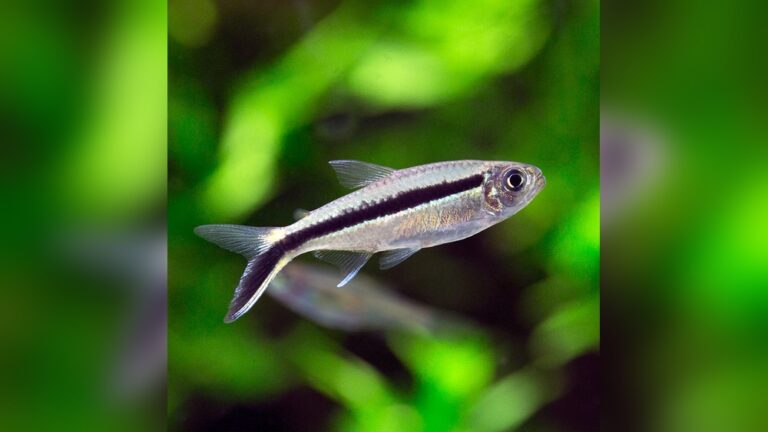
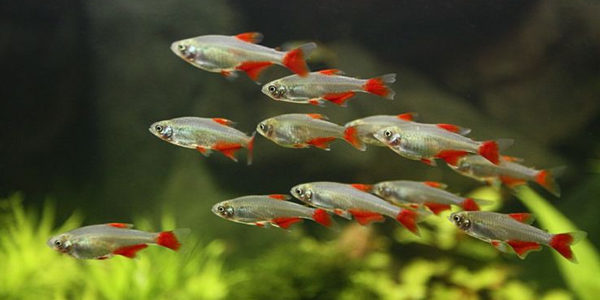
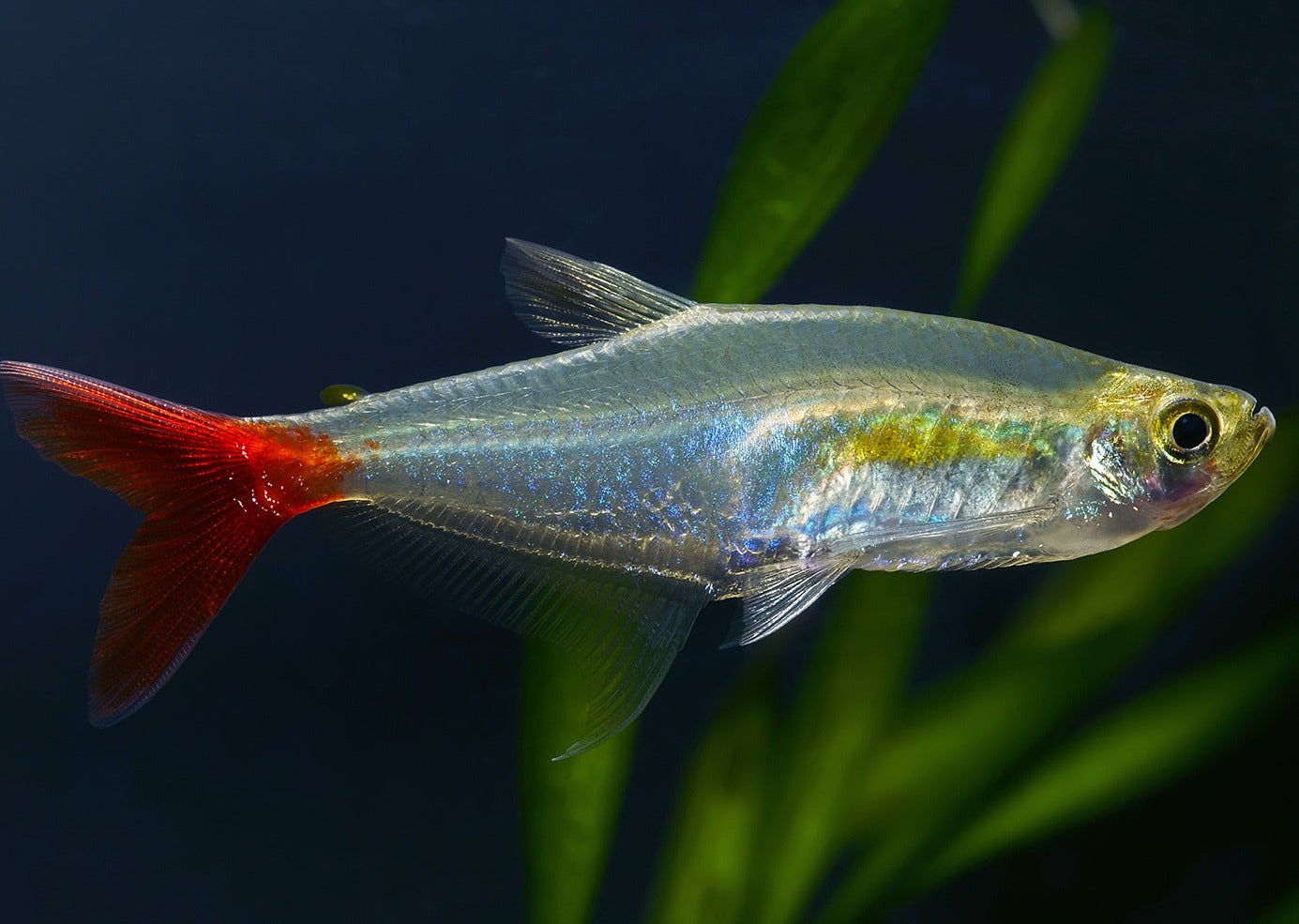
The Bloodfin Tetra has a silver body with a red tint near the tail. Its fins are bright red, creating a sharp contrast. This bold color pattern stands out in any tank. The body also has a subtle shimmer under light.
Body Shape
This fish has a slender, streamlined shape. Its body is slightly compressed from the sides. The shape helps it swim quickly and smoothly. The tail fin is forked and adds to its agility.
Typical Size
Bloodfin Tetras usually grow up to 1.5 inches long. They stay small, making them great for community tanks. Their size allows easy care and space sharing with other fish.

Credit: us.amazon.com
Natural Habitat
The Bloodfin Tetra thrives in a unique natural habitat. This environment shapes its behavior, diet, and health. Understanding its home helps you care for this vibrant fish properly.
Geographic Location
Bloodfin Tetras are native to South America. They mainly live in the Paraguay and Guaporé River basins. These rivers flow through Brazil, Bolivia, and Paraguay. The fish prefer slow-moving waters in these areas.
Water Conditions
The water in their habitat is soft and slightly acidic. Temperatures range from 72 to 82 degrees Fahrenheit. Bloodfin Tetras enjoy clear to lightly stained water. Oxygen levels are usually high, supporting their active nature.
Vegetation And Environment
Their homes have dense plants and submerged roots. These provide shelter and breeding spots. The riverbeds have sand or fine gravel. Leaf litter is common, offering natural food sources and hiding places.
Tank Setup
Setting up the perfect tank for Bloodfin Tetra is key to keeping them happy and healthy. These fish need a comfortable space with clean water and a natural environment. Proper tank setup helps reduce stress and brings out their bright colors.
Tank Size
Bloodfin Tetras are small but active fish. A tank of at least 20 gallons is ideal. This size allows them room to swim freely. Keep them in groups of six or more to mimic their natural school behavior. A bigger tank supports better water quality and stable conditions.
Water Parameters
Bloodfin Tetras thrive in water with a temperature between 72 and 79°F (22-26°C). The pH should stay between 6.0 and 7.5. Soft to moderately hard water suits them best. Regular water changes keep the tank clean. Use a good filter to maintain clear water and remove toxins.
Decorations And Plants
Use smooth decorations to avoid injuring the fish. Driftwood and rocks create hiding spots and natural shelter. Live plants like Java fern and Anubias add cover and improve water quality. Keep open swimming areas for the tetras to move around easily. Dim lighting helps show their vibrant red fins.
Credit: freshwateraquatica.org
Diet And Feeding
Bloodfin Tetras need a balanced diet to stay healthy and active. Feeding them the right food helps keep their colors bright. It also supports their energy and growth. Understanding their diet needs makes caring for them easier.
Preferred Foods
Bloodfin Tetras eat small foods. They like flakes and pellets made for tropical fish. Live foods such as brine shrimp and daphnia are great too. These foods help mimic their natural diet. Frozen foods also work well and provide good nutrients.
Feeding Frequency
Feed Bloodfin Tetras two times a day. Give only what they can eat in two minutes. Overfeeding can pollute the tank water. Small, frequent meals help keep them healthy. Watch their behavior to adjust feeding if needed.
Supplements And Treats
Occasional treats improve their diet variety. Use freeze-dried bloodworms or tubifex worms. These add protein and excitement to their meals. Avoid feeding too many treats to prevent health problems. Vitamins in the water can boost their immunity too.
Behavior And Temperament
The Bloodfin Tetra is a small, vibrant fish known for its lively behavior. Understanding its temperament helps create a happy aquarium. This fish is peaceful but active. It loves to swim in groups and explore its space. Knowing how it interacts with other fish is important for a balanced tank.
Social Habits
Bloodfin Tetras are social creatures. They feel safe and confident in schools of six or more. Alone, they may become shy or stressed. Group swimming also shows their natural patterns. They communicate through subtle movements and colors. This social behavior keeps them healthy and happy.
Compatibility With Other Fish
These tetras get along well with many peaceful species. Avoid aggressive or very large fish that may harm them. Suitable tank mates include other small tetras, rasboras, and peaceful bottom dwellers. Bloodfin Tetras prefer calm companions that share similar water needs. This harmony reduces stress and aggression in the tank.
Activity Levels
Bloodfin Tetras are active swimmers throughout the day. They explore all tank levels but prefer the middle and upper zones. Their quick movements add energy to any aquarium. They enjoy plants and hiding spots to rest. This activity keeps the tank lively and interesting to watch.
Breeding Tips
Breeding Bloodfin Tetras can be a rewarding experience for hobbyists. These small fish show interesting behaviors during spawning. Understanding their needs increases the chance of successful breeding. The following tips cover spawning conditions, egg care, and raising fry.
Spawning Conditions
Set up a separate tank for breeding. Use soft, slightly acidic water with a pH of 6.0 to 6.5. Keep the temperature around 78°F (25.5°C). Provide plenty of plants or spawning mops for the fish to lay eggs. Dim lighting helps reduce stress and encourages spawning. Feed the breeding pair high-quality live or frozen foods. These conditions simulate their natural habitat and promote spawning.
Egg Care
After spawning, remove the adult fish to avoid egg predation. Bloodfin Tetra eggs are sticky and will attach to plants or surfaces. Keep the water clean and well-oxygenated. Avoid strong water currents that can damage the eggs. Eggs usually hatch in 24 to 36 hours. Remove any fungus-infected eggs with a gentle siphon or tweezers to protect healthy eggs.
Raising Fry
Once hatched, fry are very small and fragile. Feed them infusoria or commercially available liquid fry food for the first few days. Gradually introduce newly hatched brine shrimp or finely crushed flakes. Change water regularly but carefully to keep water quality high. Keep the fry in a warm environment to promote growth. Avoid overcrowding by splitting fry into multiple tanks if needed.
Common Health Issues
Bloodfin Tetras are hardy fish but can face health issues. Knowing common problems helps keep them healthy. Early detection and care improve their chances of recovery.
Signs Of Illness
Look for changes in behavior. Bloodfin Tetras may stop eating or swim oddly. Check for spots or discoloration on their bodies. Clamped fins or rapid gill movement also signal trouble. Watch for swelling or white patches on the skin.
Preventive Measures
Keep the tank clean to avoid diseases. Change water regularly and test its quality. Provide a balanced diet with varied foods. Avoid overcrowding to reduce stress. Quarantine new fish before adding them to the tank.
Treatment Options
Isolate sick fish to stop disease spread. Use aquarium salt or medicine as needed. Follow medicine instructions carefully for best results. Improve water quality to support healing. Consult a vet if symptoms worsen or persist.
Credit: coburgaquarium.com.au
Popular Tank Mates
Choosing the right tank mates for Bloodfin Tetras helps keep your aquarium peaceful and lively. These small, active fish thrive with companions that match their energy and size. Careful selection ensures all fish stay healthy and stress-free.
Compatible Species
Good tank mates for Bloodfin Tetras include other small, peaceful fish. Neon Tetras, Harlequin Rasboras, and Corydoras Catfish fit well. These species share similar water needs and behavior. They stay calm, avoiding fights or stress in the tank.
Species To Avoid
Avoid large or aggressive fish that may harm Bloodfin Tetras. Cichlids, Oscar fish, and Tiger Barbs can attack smaller fish. Also, slow-moving or long-finned fish might get nipped. Keep the tank safe by not mixing these species.
Community Tank Ideas
Create a vibrant tank with a mix of peaceful fish and plants. Combine Bloodfin Tetras with small gouramis, rasboras, and bottom dwellers. Add live plants and hiding spots to reduce stress. This setup keeps your aquarium balanced and beautiful.
How Smart Pets Lover Can Help You with Bloodfin Tetra
Learning Through Caring for Bloodfin Tetras
Welcoming Bloodfin Tetras into your home is more than just adding a splash of color to your tank—it’s an opportunity to deepen your understanding of aquatic life. Observing their natural behaviors and social interactions offers practical lessons in fish temperament and community dynamics, especially when considering popular tank mates. Creating the right environment, as covered in the tank setup section, encourages you to think critically about water parameters and habitat simulation, enhancing your skills in responsible pet care.
Feeding routines also provide a hands-on way to learn about balanced nutrition and the importance of varied diets for optimal health. At Smart Pets Lover, we believe every interaction with your pet is a chance to grow as a thoughtful pet parent. If you ever have questions or want to exchange tips on maintaining vibrant, healthy Bloodfin Tetras, feel free to reach out to us—because where every wag, purr, and chirp tells a story, your fish’s story matters too.
Frequently Asked Questions
What Is A Bloodfin Tetra Fish?
Bloodfin Tetra is a small, peaceful freshwater fish. It has a silver body with bright red fins. It is popular in community aquariums due to its vibrant colors and easy care.
How Do You Care For Bloodfin Tetras?
Provide a tank with clean, slightly acidic water and moderate temperature. Feed them a varied diet of flakes, pellets, and live food. Keep them in groups of six or more for social comfort.
What Size Tank Is Ideal For Bloodfin Tetras?
A minimum 20-gallon tank is ideal for a small school of Bloodfin Tetras. This space allows them to swim freely and maintain their health in a community environment.
Are Bloodfin Tetras Compatible With Other Fish?
Yes, Bloodfin Tetras are peaceful and compatible with other small, non-aggressive fish. Avoid larger or aggressive species that may harm them. They thrive best in community tanks.
Conclusion
Bloodfin Tetras add bright color and life to any aquarium. They are easy to care for and peaceful with other fish. Keep their water clean and provide plants for hiding spots. Watching their active swimming brings joy every day. Small but full of energy, they fit well in community tanks.
Remember to feed them a balanced diet for good health. These fish make great pets for beginners and experts alike. A simple tank can become a lively, beautiful underwater world with Bloodfin Tetras.