Blood Parrot Cichlid
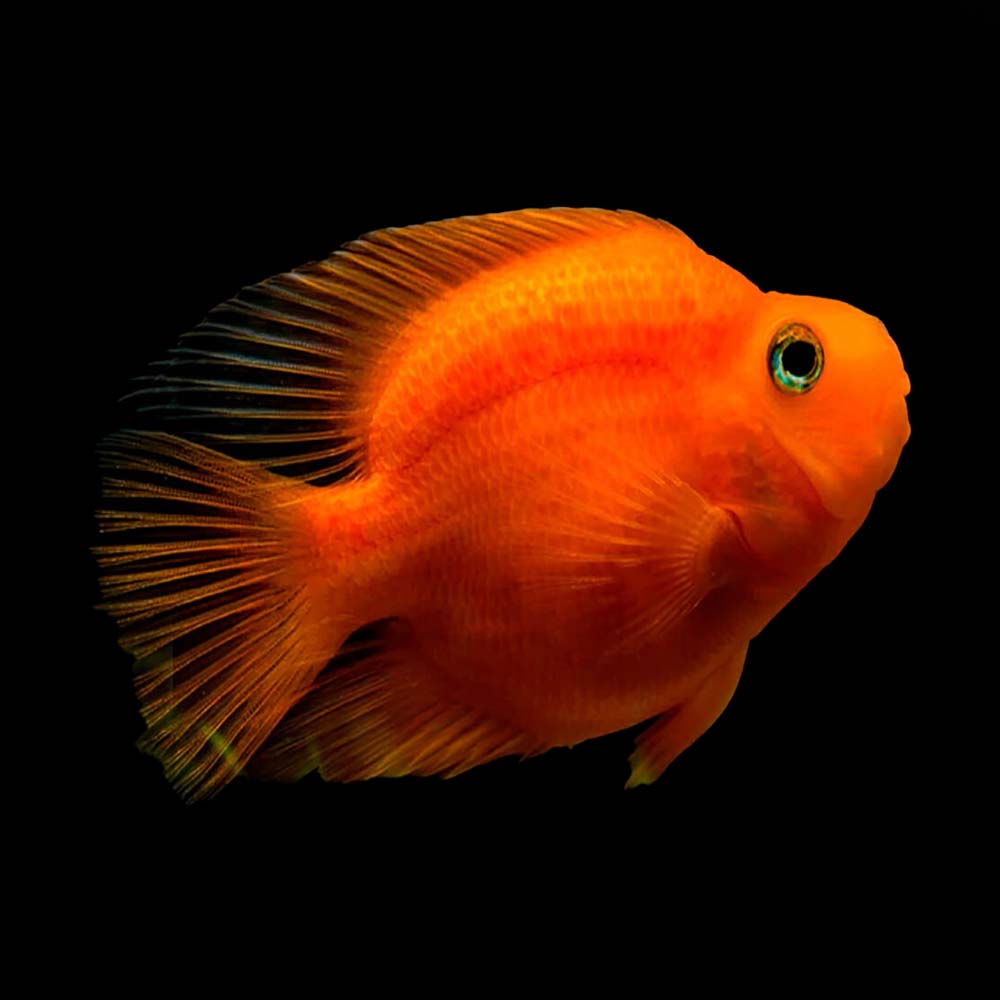
If you’re looking to add a splash of color and personality to your aquarium, the Blood Parrot Cichlid might be just what you need. This unique fish catches the eye with its bright orange hue and interesting shape.
But there’s more to the Blood Parrot Cichlid than meets the eye. Understanding its behavior, care needs, and what makes it special can help you create a thriving environment for your new aquatic friend. Keep reading to discover everything you need to know to make your aquarium a vibrant and happy home for your Blood Parrot Cichlid.
Origin And History
The Blood Parrot Cichlid is a unique and colorful fish loved by many aquarium fans. This fish has an interesting origin and history. It is not found in the wild but was created by humans through breeding. The story behind this fish shows how fish breeders mix different species to make new ones.
Understanding where the Blood Parrot Cichlid comes from helps appreciate its special look and care needs. This fish is a product of careful work by breeders who wanted a bright and peaceful fish for home tanks.
Creation Of The Blood Parrot Cichlid
The Blood Parrot Cichlid was first bred in Taiwan in the late 1980s. Breeders crossed several cichlid species to get its round body and bright orange color. The exact mix of parent fish remains a secret. This fish was made to have a friendly nature and stand out in the aquarium hobby.
Development And Popularity
After its creation, the Blood Parrot quickly became popular worldwide. Its unusual shape and bright color attracted many fish lovers. Fish breeders worked on improving its health and color over time. This fish is now common in pet stores and aquarium collections everywhere.
Controversy And Care
Some people debate about the ethics of creating Blood Parrot Cichlids. The fish has a deformed mouth, which affects how it eats. Despite this, many owners enjoy caring for these fish and find them peaceful pets. Proper tank care and diet help keep them healthy.

Credit: www.youtube.com
Physical Features
The Blood Parrot Cichlid has unique physical features that attract many aquarium lovers. Its shape and color make it stand out in any tank. This fish looks quite different from other cichlids. Its body and size reveal much about its care needs and lifespan.
Body Shape And Color
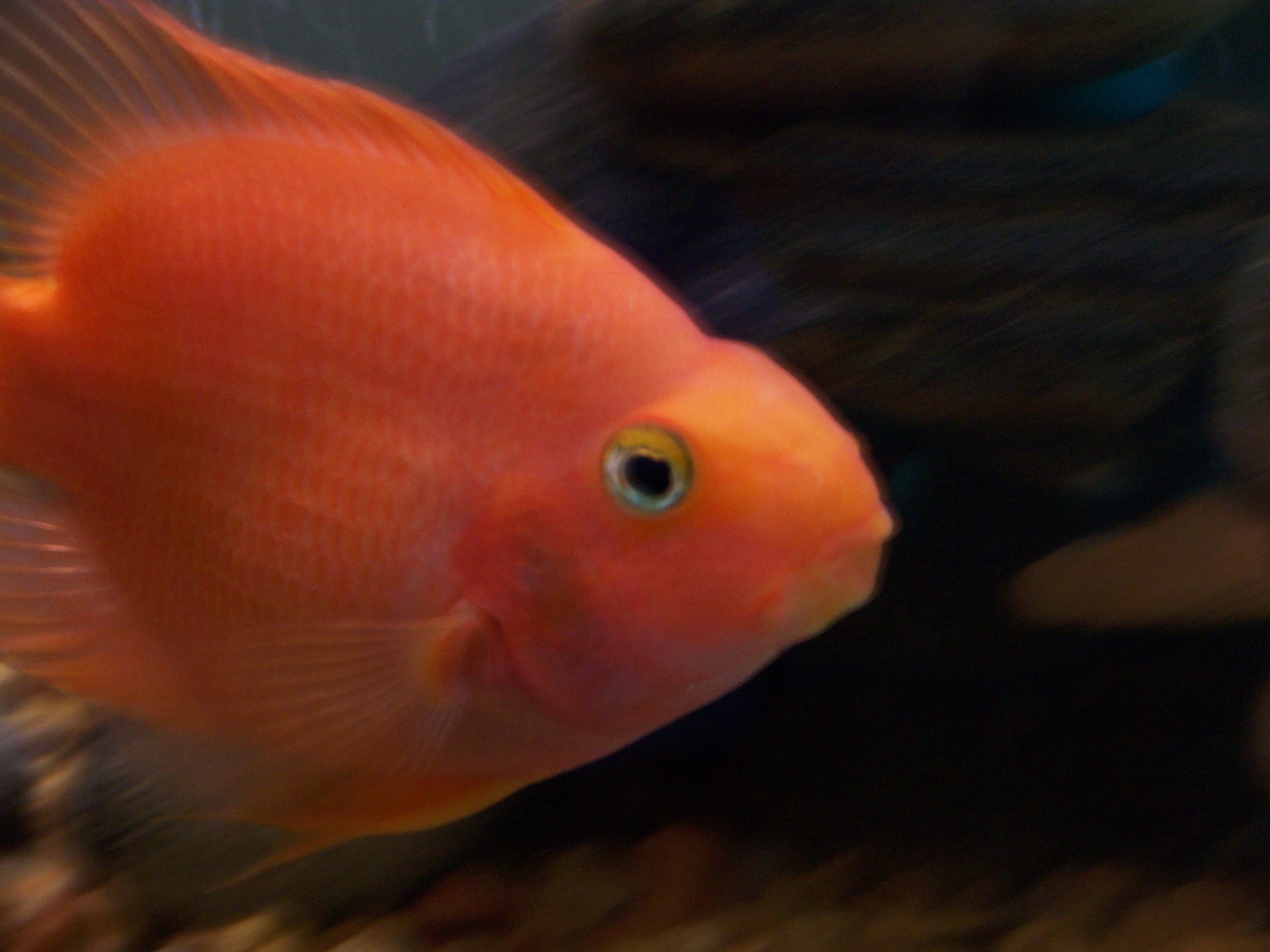
The Blood Parrot Cichlid has a round, plump body. Its head is beak-shaped, giving it a distinctive look. The mouth is small and often appears to be smiling. This fish has a smooth body without sharp fins. Its fins are rounded and flow gently in the water.
Color ranges from bright orange to red. Some fish show shades of yellow or white. The vibrant colors make it easy to spot in a crowded tank. The scales shine under aquarium lights, adding beauty to the fish.
Size And Lifespan
Blood Parrot Cichlids grow to about 8 inches long. Their size fits well in medium to large tanks. They need space to swim comfortably. This fish lives for 10 to 15 years with good care. A healthy diet and clean water help them live longer. Owners enjoy their company for many years.
Behavior And Temperament
Blood Parrot Cichlids have unique behavior and temperament traits. These fish are lively and curious. Their actions make them interesting pets. Understanding their social habits and compatibility helps create a peaceful aquarium.
Social Habits
Blood Parrot Cichlids enjoy company. They prefer living in groups or pairs. Alone, they may feel stressed or shy. These fish often show playful behavior. They explore their environment actively. Sometimes, they display mild aggression. This happens mostly during feeding or breeding. Providing hiding spots reduces stress and fights.
Compatibility With Other Fish
Blood Parrot Cichlids get along with many fish. They do best with peaceful species of similar size. Avoid very small or aggressive fish. Small fish may become targets. Aggressive fish might harm the Blood Parrot. Best tank mates include gouramis and larger tetras. Always watch your fish to prevent conflicts.
Tank Setup
Setting up the right tank is key for a healthy Blood Parrot Cichlid. This fish needs space and the right environment to thrive. Proper care starts with the tank itself.
Tank Size And Environment
Blood Parrot Cichlids grow up to 8 inches long. A tank of at least 30 gallons suits one fish. Bigger tanks work better for multiple fish.
They like hiding spots. Use rocks, caves, or driftwood to create shelters. These spots help reduce stress and mimic their natural habitat.
Keep the tank decorations smooth. Blood Parrots have soft mouths and can hurt easily. Avoid sharp objects that can cause injuries.
Water Conditions
Maintain water temperature between 76°F and 80°F. Blood Parrots enjoy warm water similar to tropical climates.
Water pH should be between 6.5 and 7.4. This range keeps the fish comfortable and healthy.
Regular water changes help keep the tank clean. Change 20% of the water every week to remove toxins and waste.
Use a good filter. Blood Parrots produce moderate waste, so filtration is important to maintain water quality.
Diet And Feeding
Blood Parrot Cichlids need a balanced diet to stay healthy and vibrant. Their diet should include a mix of proteins, vegetables, and special pellets. Feeding them the right foods helps keep their colors bright and supports their energy. Careful feeding also prevents water pollution in the tank. Understanding their diet needs improves their lifespan and overall well-being.
Preferred Foods
Blood Parrot Cichlids enjoy a variety of foods. High-quality cichlid pellets are a great base. These pellets provide essential vitamins and minerals. They also like live or frozen foods such as bloodworms and brine shrimp. Vegetables like peas and spinach offer important nutrients. A mix of these foods keeps their diet balanced and interesting.
Feeding Tips
Feed Blood Parrot Cichlids small amounts twice a day. Avoid overfeeding to keep the tank clean. Remove uneaten food after a few minutes. Use sinking pellets as these fish eat near the bottom. Watch their behavior to adjust food quantity. Proper feeding routines help maintain their health and tank quality.
Credit: www.seahorseaquariums.com
Breeding Blood Parrot Cichlids
Breeding Blood Parrot Cichlids can be a rewarding experience for aquarium hobbyists. These fish are known for their bright colors and unique shape. Breeding them requires understanding their needs and creating the right environment. Success depends on patience and proper care.
Breeding Conditions
Blood Parrot Cichlids prefer warm water between 78°F and 82°F. Maintain stable water conditions with a pH around 6.5 to 7.4. Provide a clean tank with hiding spots and flat surfaces for egg laying. Use a separate breeding tank to reduce stress and protect eggs. Feeding them high-quality food helps improve breeding readiness. Watch for pairs that form bonds and show spawning behavior.
Raising Fry
After eggs hatch, fry need gentle care and clean water. Feed tiny, nutritious foods like baby brine shrimp or crushed flakes. Change water often but avoid sudden temperature changes. Keep fry safe from adult fish to prevent harm. As fry grow, increase food size gradually. Regular observation helps catch health issues early. Patience is key during this delicate stage.
Health And Common Issues
Blood Parrot Cichlids are vibrant fish but need care to stay healthy. Their unique body shape can cause some health challenges. Knowing common issues helps keep them strong and happy. Proper care reduces risks and improves their lifespan.
Disease Prevention
Clean water is key to prevent diseases. Change 20-30% of tank water every week. Use a good filter to keep water clear. Avoid overcrowding the tank to reduce stress and illness. Feed a balanced diet to boost their immune system. Quarantine new fish before adding them to the tank. Keep the tank temperature stable between 76-80°F. Remove uneaten food to stop bacteria growth.
Signs Of Illness
Watch for slow swimming or hiding more than usual. Look for loss of appetite or refusal to eat. Check for faded colors or spots on the skin. Notice if fins become clamped or torn. Gasping at the water surface can signal breathing problems. Swollen belly or abnormal lumps need attention. Early detection helps treat problems before they worsen.
Credit: en.wikipedia.org
Myths And Controversies
Blood Parrot Cichlids are popular aquarium fish surrounded by many myths and controversies. Some stories confuse hobbyists and affect how people see these fish. Understanding the facts helps to care for them better and enjoy their unique traits.
Is The Blood Parrot Cichlid A Natural Species?
Many think Blood Parrot Cichlids occur naturally in the wild. This is not true. They are man-made hybrids created by crossing different cichlid species. Their unique shape and color result from selective breeding. This fact often surprises new owners.
Are Blood Parrot Cichlids Born With Deformed Mouths?
Blood Parrot Cichlids have a distinctive beak-shaped mouth. Some say it is a deformity causing them trouble eating. They do face challenges eating some foods but learn to adapt. Their mouth shape is a result of breeding, not a disease or injury.
Do Blood Parrot Cichlids Suffer More Than Other Fish?
Critics claim Blood Parrot Cichlids live painful lives due to their shape. This is not always true. With proper care, they live healthy lives like other fish. Responsible owners provide good water quality and food to keep them well.
Are Blood Parrot Cichlids Aggressive By Nature?
Some believe these fish are highly aggressive. Actually, Blood Parrot Cichlids show mild to moderate aggression. Their behavior depends on tank mates and environment. They can live peacefully with the right companions and space.
Can Blood Parrot Cichlids Breed Naturally?
Many assume Blood Parrot Cichlids cannot reproduce. They do breed but often face challenges due to body shape. Breeding success is lower compared to other cichlids. Many breeders use special techniques to help them spawn.
How Smart Pets Lover Can Help You with Blood Parrot Cichlid
Learning Through Care: Practical Insights with Blood Parrot Cichlids
Understanding the unique behavior and temperament of Blood Parrot Cichlids opens up wonderful learning opportunities for any pet parent. Observing how they interact in their carefully set-up tank not only deepens your appreciation of their needs but also teaches patience and responsibility.
For instance, by paying close attention to their diet and feeding habits, you can gain hands-on experience in nutritional balance, ensuring your fish thrive. This practical approach helps you recognize early signs of common health issues, reinforcing the importance of proactive care.
- Monitor tank conditions regularly, mirroring their natural environment for optimal health.
- Document behavioral changes to better understand their mood and well-being.
- Experiment with varied diets to see what best suits their unique digestive needs.
At Smart Pets Lover, we believe every pet journey enriches your knowledge and emotional bond with your aquatic companions. If questions arise or you seek tailored advice, don’t hesitate to reach out—our community is here to support your thoughtful care and learning process.
Frequently Asked Questions
What Is A Blood Parrot Cichlid?
A Blood Parrot Cichlid is a hybrid aquarium fish. It is known for its bright orange color and unique body shape. This fish is popular among aquarium enthusiasts for its vibrant appearance and peaceful temperament.
How Big Do Blood Parrot Cichlids Grow?
Blood Parrot Cichlids typically grow up to 8 inches (20 cm) in length. Their size depends on tank conditions and diet. Proper care ensures they reach their full growth potential.
Are Blood Parrot Cichlids Aggressive Fish?
Blood Parrot Cichlids are generally peaceful but can show mild aggression. They get along well with similar-sized, non-aggressive fish. Providing enough space helps reduce territorial behavior.
What Is The Ideal Tank Setup For Blood Parrot Cichlids?
A 30-gallon tank with clean, warm water is ideal. They prefer a temperature of 76-80°F (24-27°C). Include hiding spots like caves and plants for comfort.
Conclusion
Blood Parrot Cichlids bring color and life to any aquarium. They need clean water and a good diet to stay healthy. These fish enjoy hiding spots and space to swim. Watching their unique shapes and bright colors is fun. Caring for them is simple with the right knowledge.
They make great pets for beginners and experts alike. Keep their tank peaceful and they will thrive happily. A Blood Parrot Cichlid can brighten your home and mood.