Black Phantom Tetra
If you’re looking to add a splash of mystery and beauty to your aquarium, the Black Phantom Tetra might be exactly what you need. This small, striking fish isn’t just easy on the eyes—it’s also a great choice for both beginners and experienced hobbyists.
Imagine watching your tank come alive with their graceful movements and unique colors. You’ll discover everything you need to know about caring for Black Phantom Tetras, so your underwater world stays vibrant and healthy. Ready to make your aquarium stand out?
Keep reading to learn how.
Black Phantom Tetra Features
The Black Phantom Tetra is a popular freshwater fish for home aquariums. Its unique look and peaceful nature attract many fish lovers. Understanding its features helps keep it healthy and happy.
This fish has distinct traits that make it stand out. From its size to color, each aspect adds to its charm. Let’s explore these features in detail.
Physical Appearance
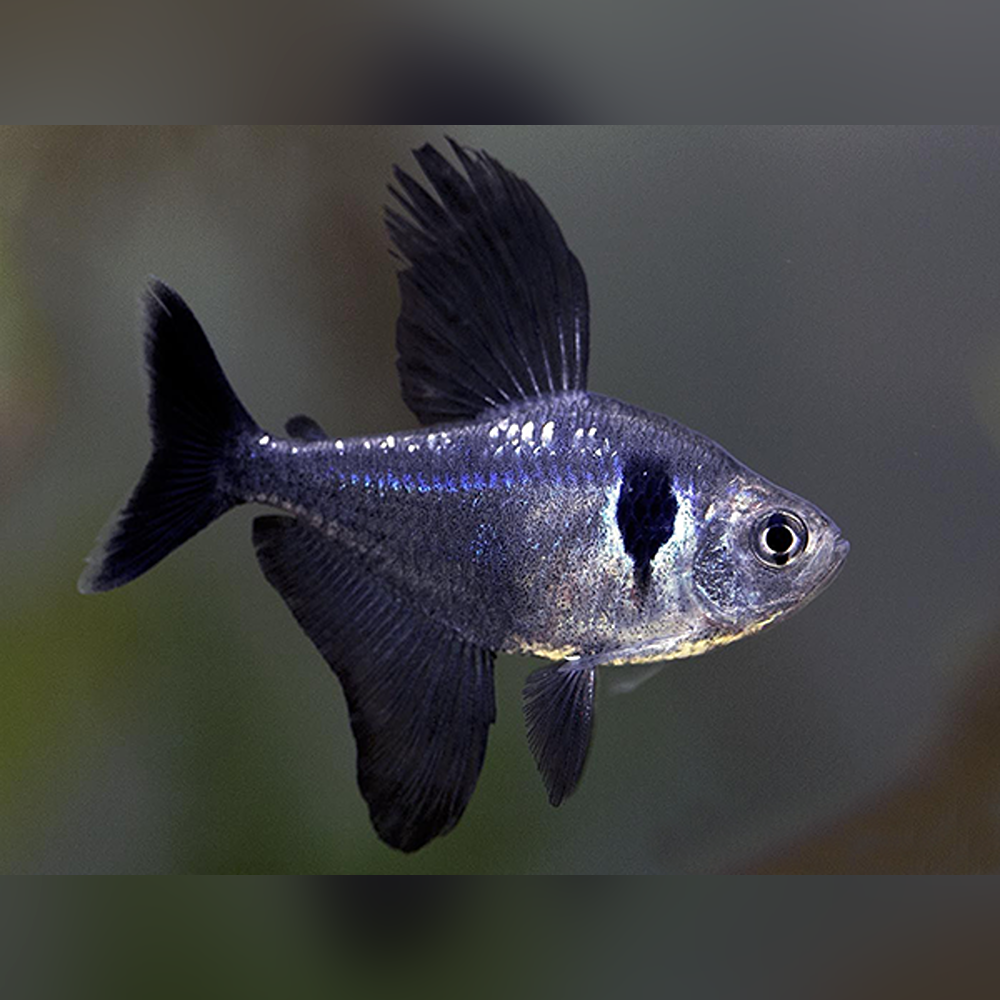
The Black Phantom Tetra has a sleek, oval-shaped body. Its body is mostly silver with a smoky black patch behind the gills. This patch looks like a small phantom or shadow. The fins are clear with a hint of black or dark gray. Males often have longer and more pointed fins than females. The fish moves gracefully, adding beauty to any aquarium.
Size And Lifespan
This fish grows up to 1.5 inches (4 cm) long. It stays small enough for community tanks. The Black Phantom Tetra lives about 3 to 5 years. Good care and clean water help it live longer. This fish enjoys swimming in groups of six or more.
Color Variations
The classic Black Phantom Tetra has silver and black colors. Some show slight blue or green shades in light. Males may have a faint reddish tint on their fins. Breeders sometimes create color variations, but the natural look stays popular. The dark patch behind the gills remains the main feature.

Credit: www.cloningaquapets.com
Natural Habitat
The Black Phantom Tetra is a small, striking fish found in the wild. Its natural habitat shapes its behavior and care needs. Understanding this habitat helps keep them healthy and happy in aquariums.
These fish live in calm, slow-moving waters with plenty of plants and hiding spots. Their environment provides food and protection from predators. Let’s explore where and how they live.
Geographic Location
The Black Phantom Tetra lives in South America. It is common in the Paraguay River basin. Countries like Paraguay, Brazil, and Argentina host these fish. They stay mostly in shallow streams and small rivers.
Water Conditions
They prefer soft, slightly acidic water. The temperature usually ranges from 72 to 82°F (22 to 28°C). Water is often clear but can be slightly tinted by natural tannins. Low water flow suits their calm nature well.
Typical Environment
The natural habitat is rich with plants and leaf litter. These areas provide hiding places and breeding grounds. Black Phantom Tetras swim in groups near the water surface or mid-level. Light is usually dim due to thick vegetation above.
Tank Setup
Setting up the right tank for Black Phantom Tetras is essential for their health and happiness. They thrive in well-planned environments that mimic their natural habitat. Proper tank setup helps reduce stress and promotes natural behavior.
Tank Size Requirements
A tank of at least 20 gallons is ideal for Black Phantom Tetras. They are small but active fish that need space to swim. A longer tank is better than a tall one to give them room to move.
Water Parameters
Black Phantom Tetras prefer soft water with a pH between 6.0 and 7.5. Keep the temperature steady, around 72°F to 82°F (22°C to 28°C). Regular water changes keep their environment clean and stable.
Plants And Decorations
Use live plants like Java fern and Amazon sword for a natural look. Plants provide hiding spots and help maintain water quality. Add driftwood and smooth rocks to create shaded areas. Avoid sharp decorations that may hurt the fish.
Feeding Black Phantom Tetras
Feeding Black Phantom Tetras is an important part of their care. These small fish enjoy a varied diet that keeps them healthy and active. Knowing what, how often, and which foods to offer helps maintain their vibrant colors and energy.
Black Phantom Tetras are not picky eaters, but they do best with balanced nutrition. Offering the right food types ensures they get all the nutrients they need.
Diet Preferences
Black Phantom Tetras prefer a mix of plant and animal-based foods. They enjoy flake foods, small pellets, and live or frozen options. A varied diet helps prevent boredom and supports their immune system. They also nibble on algae and small insects in the wild.
Feeding Frequency
Feed Black Phantom Tetras twice a day. Small meals work best to avoid overfeeding. Remove uneaten food after a few minutes to keep the tank clean. Young fish may need more frequent feedings to grow strong and healthy.
Suitable Foods
Flake food designed for tropical fish is a good staple. Offer live or frozen foods like brine shrimp, daphnia, and bloodworms for protein. Vegetables like blanched spinach or zucchini add fiber. Avoid fatty or large foods that are hard to digest.
Behavior And Temperament
The Black Phantom Tetra is a peaceful and active fish. It shows interesting behavior that makes it a favorite for many aquarium lovers. Understanding its temperament helps in creating a happy environment for these fish.
Social Habits
Black Phantom Tetras are social fish. They like to stay in groups of six or more. Being in a school makes them feel safe. They swim together and move as one. Without a group, they may feel stressed and shy.
Compatibility With Other Fish
These tetras get along with many calm fish. They do not bully or chase others. Avoid keeping them with aggressive or much larger fish. Peaceful community tanks work best. They thrive with fish of similar size and temperament.
Common Behaviors
Black Phantom Tetras often hover near plants and decorations. They enjoy exploring their tank space. Males show darker fins during courtship to attract females. They are most active during the day. At night, they rest quietly.
Credit: riverparkaquatics.co.uk
Breeding Tips
Breeding Black Phantom Tetras can be rewarding and fun. These fish are peaceful and easy to care for. Understanding their needs helps increase the chance of successful breeding. Small changes in the tank can make a big difference in results.
Follow simple steps to create the right environment for your fish. Watch their behavior closely to know when they are ready. Proper care of eggs and fry is essential for healthy baby fish.
Breeding Conditions
Use a separate breeding tank with soft, slightly acidic water. Keep the temperature between 75°F and 79°F (24°C – 26°C). Add fine-leaved plants or spawning mops for egg laying. Keep the light low to reduce stress. Feed adults high-quality live or frozen foods to boost health. Change 10% of the water daily to keep it clean.
Spawning Process
Black Phantom Tetras spawn early in the morning. Males show bright colors and chase females gently. Females scatter eggs among plants or mop fibers. After spawning, remove the adults to prevent egg eating. Eggs hatch in 24 to 36 hours depending on temperature. Avoid bright light during this time to protect the eggs.
Raising Fry
Feed fry tiny foods like infusoria or liquid fry food at first. After a few days, introduce newly hatched brine shrimp or crushed flakes. Change water carefully to keep it clean and oxygenated. Keep the tank quiet and dimly lit. Fry grow fast with proper care and feeding. Separate fry by size if needed to avoid bullying.
Common Health Issues
Black Phantom Tetras are generally hardy fish but can face health problems. Knowing common issues helps keep them healthy. Early care can prevent serious illness.
Watch your fish closely to spot any signs of sickness. Quick action can save your fish.
Signs Of Illness
Look for changes in color or spots on their body. Slow swimming or hiding often shows stress or sickness. Gasping at the water surface may mean low oxygen or gill problems. Loss of appetite is a key warning sign. Clamped fins and rubbing against objects can indicate parasites.
Preventive Care
Keep the tank clean and water fresh. Regular water changes reduce harmful bacteria. Avoid overcrowding; it causes stress and spreads disease fast. Feed a balanced diet to boost immunity. Quarantine new fish before adding them to your tank. Maintain stable water temperature and pH levels.
Treatment Options
Isolate sick fish to stop disease spread. Use aquarium salt to help minor infections. Medicines like antifungal or antibacterial treatments work for specific diseases. Follow instructions carefully when using medications. Improve water conditions to support recovery. Consult a fish expert for severe cases.

Credit: en.wikipedia.org
Black Phantom Tetra Care Tips
Taking care of Black Phantom Tetras is simple with the right tips. These small fish need a clean, calm environment to thrive. Good care helps them live longer and stay healthy. Follow these easy steps to keep your tetras happy and colorful.
Regular Maintenance
Change 20% of the water every week. Use a water conditioner to remove chlorine. Check the water temperature; keep it between 72°F and 82°F. Clean the tank glass to remove algae. Test water for ammonia and nitrites regularly. Clean the filter every month without removing all bacteria.
Stress Reduction
Keep the tank in a quiet place away from noise. Add plants and decorations for hiding spots. Avoid sudden movements near the tank. Do not overcrowd the tank; keep 6 or more tetras together. Feed small amounts twice a day. Maintain stable water conditions without sudden changes.
Enhancing Color
Feed high-quality food rich in color-enhancing ingredients. Use live or frozen foods like brine shrimp or daphnia. Provide a dark substrate to make colors stand out. Use full-spectrum lighting but avoid strong, direct light. Keep water clean for the best appearance. Healthy fish show brighter colors naturally.
How Smart Pets Lover Can Help You with Black Phantom Tetra
Learning Through Caring for Your Black Phantom Tetra
Welcoming Black Phantom Tetras into your home is more than just setting up a tank—it’s a hands-on lesson in aquatic life. By observing their natural behavior and temperament, you gain insight into social dynamics within a community tank. Their peaceful nature encourages learning about compatible tank mates and the delicate balance of aquarium ecosystems.
Setting up the ideal tank mimics their natural habitat, teaching you about water parameters, plant selection, and filtration. Feeding routines further deepen your understanding of nutritional needs and fish health. These practical experiences align with Smart Pets Lover’s mission to help pet parents feel confident and connected, turning everyday care into meaningful learning moments.
- Monitor water quality regularly to prevent common health issues.
- Document behavioral changes to spot early signs of stress or illness.
- Experiment with natural breeding tips to observe fascinating life cycles firsthand.
For more personalized advice or to share your Black Phantom Tetra journey, reaching out to knowledgeable communities or pet care experts can provide valuable support. Remember, every observation is a step closer to becoming a more informed and compassionate pet parent.
Frequently Asked Questions
What Is The Ideal Tank Size For Black Phantom Tetra?
A 20-gallon tank is ideal for Black Phantom Tetras. It offers enough space for their active swimming. Larger tanks help maintain stable water conditions. Always provide hiding spots and plants for comfort.
How Do Black Phantom Tetras Behave In Community Tanks?
Black Phantom Tetras are peaceful and social fish. They thrive in groups of six or more. They coexist well with other non-aggressive species. Avoid housing them with large, aggressive fish to prevent stress or harm.
What Water Conditions Suit Black Phantom Tetras Best?
They prefer water temperatures between 72°F and 82°F. The pH should be slightly acidic to neutral (6. 0-7. 5). Soft to moderately hard water is ideal. Regular water changes keep their environment healthy.
What Is The Best Diet For Black Phantom Tetras?
Black Phantom Tetras are omnivores. Feed them high-quality flake food, live or frozen brine shrimp, and daphnia. Providing a varied diet ensures optimal health and vibrant colors. Feed small amounts twice daily.
Conclusion
The Black Phantom Tetra is a striking fish for home aquariums. It adapts well to many water conditions. Its peaceful nature makes it good with other fish. Keeping them in groups helps them feel safe. Feeding is simple with common fish foods.
Watching their unique colors adds joy to your tank. This fish brings life and calm to any space. Try adding Black Phantom Tetras for a beautiful, easy-care aquarium. They offer both charm and simplicity to fish lovers.