Black Orchid Betta
If you’re looking to add a splash of elegance and mystery to your aquarium, the Black Orchid Betta might be just what you need. This stunning fish isn’t just beautiful—it has a unique charm that captures attention instantly.
Imagine having a pet that not only brightens your space but also sparks conversations every time someone sees it. Curious about what makes the Black Orchid Betta so special? Keep reading, because you’re about to discover everything you need to know to care for and enjoy this remarkable fish in your own home.
Black Orchid Betta Features
The Black Orchid Betta is a popular fish known for its unique appearance. This betta stands out with distinct colors, shapes, and fin styles. Understanding these features helps in appreciating its beauty and care needs.
Color And Pattern
Black Orchid Bettas show a deep, dark base color. It ranges from black to very dark purple. Their scales often shimmer with hints of blue or green. Patterns can vary, with some having spots or patches. Each fish has a unique look, making it special.
Size And Shape
This betta is medium-sized, usually about 2.5 to 3 inches long. Its body is slender but strong. The shape is sleek, allowing smooth movement in water. Males tend to be larger and more robust than females.
Fin Types
Black Orchid Bettas display various fin types. Common fins include veil tail, crown tail, and half-moon. Their fins are often broad and flowing, adding elegance. Fin edges may be smooth or spiky, depending on the type.
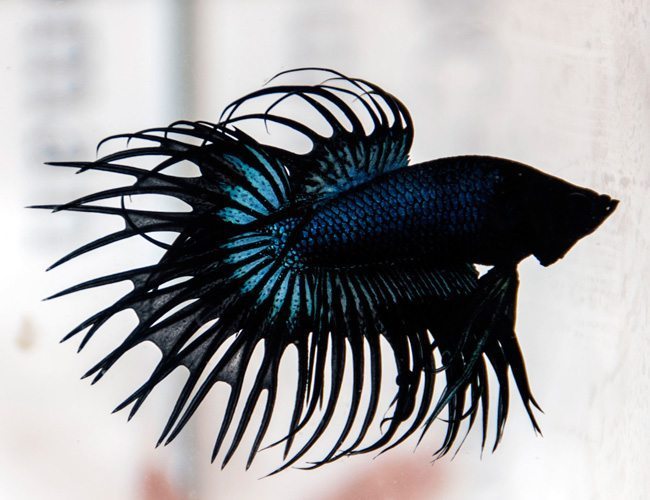
Credit: azgardens.com
Habitat And Tank Setup
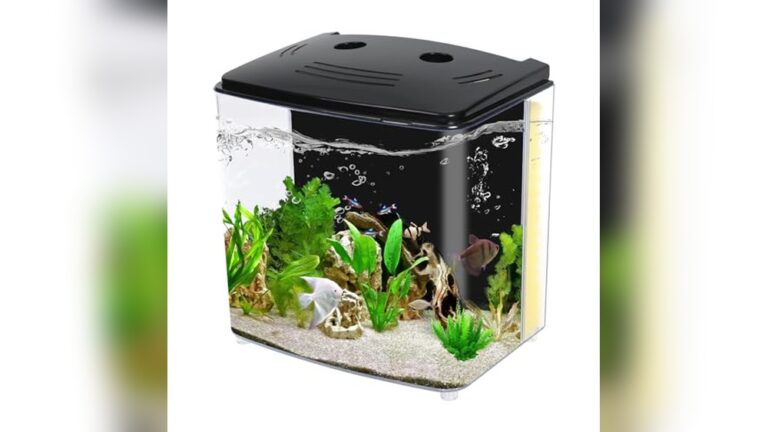
The Black Orchid Betta is a striking fish that needs a proper home. Setting up the right tank helps it stay healthy and show its best colors. This fish enjoys calm, warm water with places to hide and explore. A well-prepared tank mimics its natural environment and keeps it happy.
Small mistakes in setup can stress the fish. Careful tank preparation makes a big difference. Understanding the right size, water conditions, and decorations creates a safe space for your Black Orchid Betta.
Tank Size Recommendations
The ideal tank size for a Black Orchid Betta is at least 5 gallons. This space allows the fish to swim freely and reduces waste build-up. Larger tanks are even better for water stability and overall health. Avoid very small tanks, as they cause stress and water problems.
Water Parameters
Keep the water temperature between 76°F and 82°F. Stable warmth helps the Black Orchid Betta stay active. The pH level should be near neutral, around 6.5 to 7.5. Soft to moderately hard water suits this fish best. Frequent water changes maintain cleanliness and good water quality.
Decor And Plants
Provide plenty of hiding spots using smooth rocks or caves. Sharp decorations can harm the Betta’s delicate fins. Live plants like Java fern or Anubias add shelter and improve water quality. Floating plants reduce strong light and create a natural feel. Clean and arrange decorations carefully to keep the tank safe.
Feeding Black Orchid Bettas
Feeding Black Orchid Bettas is key to keeping them healthy and vibrant. Their diet affects their color, energy, and lifespan. Knowing what and when to feed helps them thrive in your tank.
Diet Essentials
Black Orchid Bettas need protein-rich foods. Offer high-quality betta pellets as their main diet. These pellets have balanced nutrients for growth. Supplement with live or frozen foods like brine shrimp or bloodworms. These boost their immune system and keep them active.
Feeding Schedule
Feed your betta twice a day. Give small portions each time to avoid overfeeding. Remove uneaten food after five minutes. Overfeeding can cause water pollution and health issues. A consistent schedule helps maintain their digestion and energy.
Foods To Avoid
Avoid feeding Black Orchid Bettas bread, flakes, or human food. These can harm their digestive system. Do not give too many fatty foods or fillers. Stay away from expired or low-quality food. Safe, clean food keeps your betta strong and lively.

Credit: www.reddit.com
Behavior And Temperament
The Black Orchid Betta is known for its striking appearance and unique personality. Its behavior and temperament make it a favorite for many fish keepers. Understanding how this fish acts helps create a peaceful aquarium environment. This section explores key traits of the Black Orchid Betta’s nature.
Social Interaction
Black Orchid Bettas enjoy some social time but prefer solitude. They often watch other fish but keep their distance. These fish do not need constant company to feel happy. They show curiosity but avoid crowded spaces. A single Black Orchid Betta often thrives best in its tank.
Aggression Levels
Black Orchid Bettas have moderate aggression. Males are more territorial and may flare fins at rivals. Aggression helps protect their space and food. They rarely attack without reason but warn others firmly. Female Black Orchid Bettas are usually calmer and less aggressive.
Compatibility With Other Fish
This Betta can live with certain peaceful fish. Avoid placing it with fin-nippers or other aggressive species. Small, calm fish like Corydoras or snails work well. Avoid other male Bettas to prevent fights. Proper tank setup and hiding spots reduce stress and conflicts.
Health And Common Issues
The Black Orchid Betta is a beautiful fish but needs good care to stay healthy. Like all fish, it can face health problems if not kept well. Knowing common issues helps keep your Betta safe and happy.
Watching your Betta daily helps catch problems early. Early care improves recovery and reduces stress for your fish. Proper tank conditions and diet also support strong health.
Signs Of Illness
Look for changes in color or behavior. A dull or faded color can mean sickness. Slow swimming or hiding often signals a problem. White spots or fuzzy growths show infections. Clamped fins or torn fins can mean stress or injury. Loss of appetite is another common sign.
Preventive Care
Keep the tank clean and water fresh. Change 25% of the water every week. Use a water conditioner to remove harmful chemicals. Feed your Betta a balanced diet daily. Avoid overfeeding; give small meals twice a day. Keep the water temperature steady around 78°F. Avoid mixing aggressive fish with your Betta.
Treatment Options
Isolate sick fish in a separate tank. Use medicines designed for Betta fish illnesses. Follow instructions carefully for dosage and duration. Improve water quality to help recovery. Remove uneaten food and waste quickly. In severe cases, consult a vet or fish expert. Early treatment increases chances of full recovery.
Breeding Black Orchid Bettas
Breeding Black Orchid Bettas offers a rewarding experience for fish enthusiasts. These stunning fish have unique colors and patterns that make them special. Successful breeding needs careful attention to their needs. Understanding their behavior and environment helps create the right setup for breeding.
Breeding Conditions
Set the tank temperature between 78 and 80°F for breeding. Keep the water clean and soft, with a pH around 6.5 to 7.0. Provide plenty of hiding spots using plants or decorations. Use a separate breeding tank to reduce stress. Dim lighting helps create a calm environment. Introduce a healthy pair and watch their interactions closely.
Spawning Process
The male builds a bubble nest on the water surface. He carefully guards the nest and shows off to the female. The female releases eggs, which the male catches and places in the nest. Spawning can take several hours to complete. The male tends to the eggs until they hatch. Remove the female after spawning to avoid aggression.
Raising Fry
Once the eggs hatch, fry remain in the bubble nest for about three days. The male continues to protect them during this time. After they become free-swimming, remove the male to prevent harm. Feed the fry tiny foods like infusoria or liquid fry food. Gradually introduce baby brine shrimp as they grow. Keep the water clean with gentle changes to support healthy growth.
Tips For First-time Owners
Owning a Black Orchid Betta can be a joyful experience. These fish are beautiful and unique. They need care and attention, especially for first-time owners.
Simple steps can help keep your betta healthy and happy. Understanding their needs is key. Below are important tips to start with your new pet.
Choosing A Healthy Betta
Pick a betta with bright colors and clear eyes. Look for smooth fins without tears or spots. Active fish that swim well show good health. Avoid fish that hide or look tired. Healthy gills should move evenly without gasping.
Maintaining Water Quality
Keep the water clean and warm, about 78°F to 80°F. Use a gentle filter to avoid strong currents. Change 25% of the water weekly to remove waste. Test water for ammonia, nitrites, and nitrates regularly. Use a water conditioner to remove chlorine and harmful chemicals.
Avoiding Common Mistakes
Do not overfeed your betta; small meals twice a day work best. Avoid placing the tank in direct sunlight or near drafts. Never keep bettas with aggressive or fin-nipping fish. Do not use soap or chemicals to clean the tank. Avoid sudden changes in water temperature or quality.

Credit: www.aqua-imports.com
How Smart Pets Lover Can Help You with Black Orchid Betta
Learning Through the Lens of Your Black Orchid Betta
Welcoming a Black Orchid Betta into your home is more than just an aesthetic choice—it’s a chance to deepen your understanding of aquatic life. Observing its unique behavior and temperament offers practical lessons in patience and attentiveness, especially when considering the delicate balance of its habitat and tank setup. For instance, maintaining optimal water conditions not only ensures your Betta’s health but also teaches valuable skills in aquarium care and environmental responsibility.
Feeding routines provide another hands-on learning opportunity. By selecting and timing meals thoughtfully, you can witness firsthand how nutrition influences vitality and coloration. This process encourages a mindful approach to pet care, aligning with the ethos of Smart Pets Lover, where every wag, purr, and chirp tells a story—even those told by fins and scales.
For those eager to explore further, engaging with communities or experts via pet care forums can enrich your experience. Whether you have questions about common health issues or breeding tips, reaching out to knowledgeable sources helps build confidence and connection with your aquatic companion.
Frequently Asked Questions
What Is A Black Orchid Betta Fish?
The Black Orchid Betta is a unique betta fish variety. It features deep black and iridescent purple colors. This fish is prized for its striking appearance and graceful fins. It is popular among aquarium enthusiasts worldwide.
How To Care For Black Orchid Betta Fish?
Provide a 5-gallon tank with clean, warm water. Maintain temperature around 78-80°F and pH near 6. 5-7. 5. Feed high-quality betta pellets and occasional live food. Change water regularly to keep the environment healthy.
What Does Black Orchid Betta Eat?
Black Orchid Betta fish eat betta pellets, flakes, and live food. They enjoy brine shrimp, bloodworms, and daphnia. A balanced diet ensures vibrant color and good health. Feed small amounts twice daily to avoid overfeeding.
How Long Do Black Orchid Bettas Live?
Black Orchid Bettas typically live 3 to 5 years. Proper care and clean water extend their lifespan. Avoid stress and aggressive tank mates for better health. Regular feeding and tank maintenance improve their longevity.
Conclusion
The Black Orchid Betta adds beauty to any aquarium. Its unique colors and patterns attract many fish lovers. Caring for this fish is simple with the right setup. Keep water clean and temperature steady for best health. Feeding a balanced diet helps the fish stay vibrant.
Watching its graceful movements brings calm and joy. This betta suits both beginners and experienced hobbyists. A charming pet that brightens your home tank. Worth considering for anyone who loves colorful fish.