Black Axolotl
Have you ever seen a creature that looks like it’s straight out of a fantasy world? The black axolotl is one of nature’s most fascinating and mysterious animals.
Its sleek, dark appearance and unique ability to regenerate limbs make it unlike any other pet or amphibian you’ve encountered. If you’re curious about why the black axolotl is so special and how it can brighten up your aquarium, you’re in the right place.
Keep reading to discover everything you need to know about this extraordinary underwater wonder.
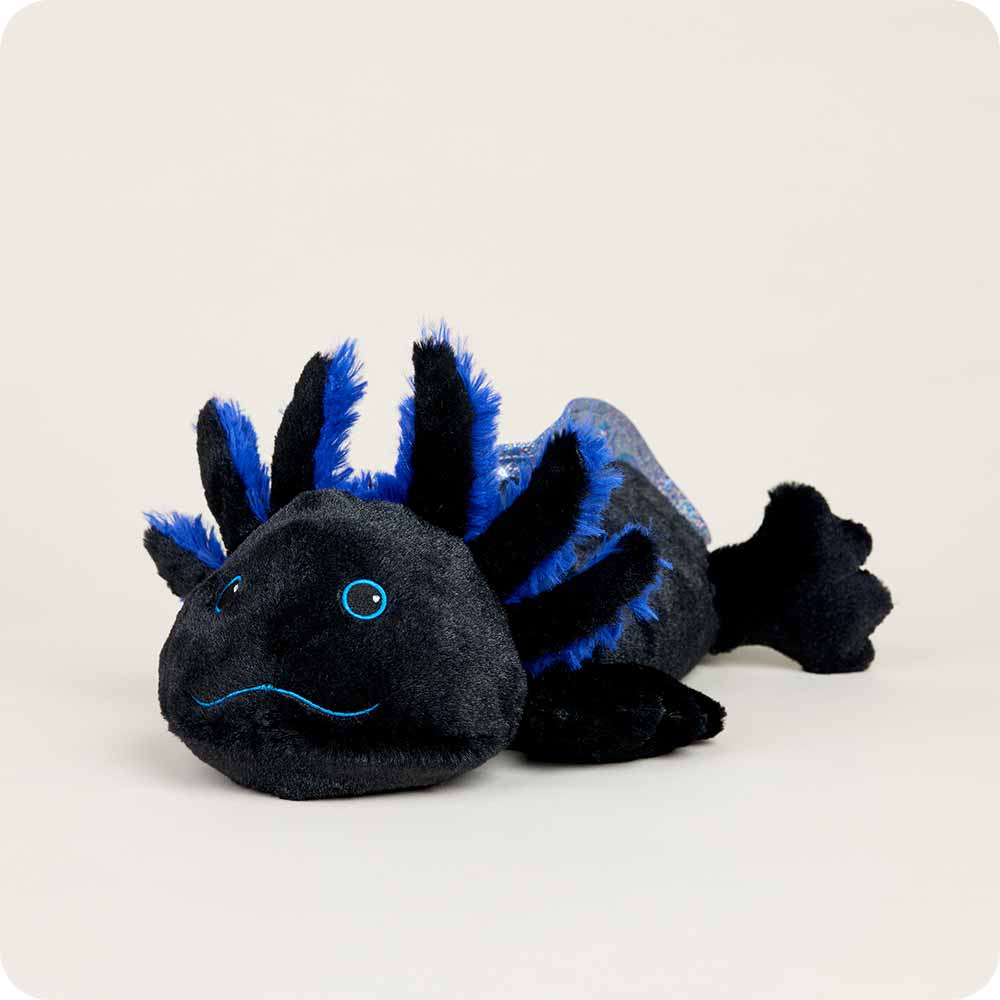
Credit: warmies.com
Axolotl Basics
The black axolotl is a special type of salamander. It is famous for its unique look and unusual life traits. This creature stays in its larval form for its entire life. It never fully grows into a typical salamander.
People find black axolotls fascinating because of their color and behavior. They are also important to science and nature. Understanding their basics helps us appreciate these rare animals more.
Unique Features
Black axolotls have smooth, dark skin that helps them blend into the water. Their gills look like feathery branches on the sides of their heads. These gills help them breathe underwater. They have small eyes and a wide mouth that often looks like a smile. Unlike most amphibians, they keep their juvenile traits throughout life. This means they can regenerate lost limbs and even parts of their heart and brain.
Natural Habitat
Black axolotls live in lakes and canals in Mexico. The water there is cool and clear. They prefer still or slow-moving water with lots of plants. These plants provide shelter and food. Sadly, their natural habitat is shrinking due to pollution and construction. This makes wild black axolotls very rare. Many now live mostly in captivity for protection.
Life Cycle
Axolotls start life as eggs in the water. After about two weeks, the eggs hatch into larvae. They look like tiny fish with external gills. Unlike other amphibians, axolotls do not change into land animals. They remain in water their whole life. They grow bigger but keep their gills and fins. This unique life cycle helps them survive underwater easily.
Black Axolotl Traits
The Black Axolotl is a fascinating amphibian with unique traits. It stands out due to its distinct appearance and behavior. Understanding these traits helps appreciate this rare creature more. Below, we explore the Black Axolotl’s color variations, physical characteristics, and behavior patterns.
Color Variations
The Black Axolotl has a deep, dark skin tone. Its color can range from charcoal gray to jet black. This shade helps it blend into dark water environments. Some Black Axolotls have slight variations, like hints of brown or blue. Unlike other axolotl types, they rarely show bright colors. Their dark color makes them unique and popular among enthusiasts.
Physical Characteristics
Black Axolotls have smooth, moist skin that shines under light. Their bodies are long and slender, with broad heads. They have external gills that look like feathery branches. These gills help them breathe underwater. Their eyes are small and black, matching their skin color. Their legs are short but strong, ideal for walking on lake beds.
Behavior Patterns
Black Axolotls are calm and slow-moving creatures. They spend most time near the bottom of their habitat. They are nocturnal, active mostly at night. This helps them avoid predators. They eat small fish, worms, and insects. Black Axolotls use their sense of smell to find food. They are solitary and prefer to live alone. Their gentle nature makes them easy to care for in captivity.
Care Requirements
Black axolotls need specific care to thrive in home aquariums. Meeting their basic needs keeps them healthy and active. Understanding their care requirements is important for new and experienced keepers.
Tank Setup
Choose a tank of at least 20 gallons for one black axolotl. Use a tank with a secure lid to prevent escapes. Add a soft substrate like sand or smooth gravel to avoid injury. Provide hiding spots using caves or plants for comfort. Keep decorations minimal to allow easy swimming space.
Water Conditions
Maintain water temperature between 60°F and 68°F. Avoid high temperatures as axolotls prefer cooler water. Keep pH levels near neutral, ideally between 6.5 and 7.5. Use a gentle filter to keep water clean without strong currents. Test water regularly for ammonia, nitrites, and nitrates to ensure safety.
Feeding Guidelines
Feed black axolotls a diet of live or frozen foods. Earthworms, bloodworms, and small shrimp are good choices. Offer food two to three times per week for adults. Young axolotls need daily feeding with smaller portions. Remove leftover food to prevent water pollution and illness.
Breeding Black Axolotls
Breeding black axolotls is a fascinating process that requires patience and care. These unique amphibians need specific conditions to reproduce successfully. Understanding their behavior and environment helps ensure healthy offspring. Breeding also allows you to observe their life cycle from eggs to juveniles.
Mating Process
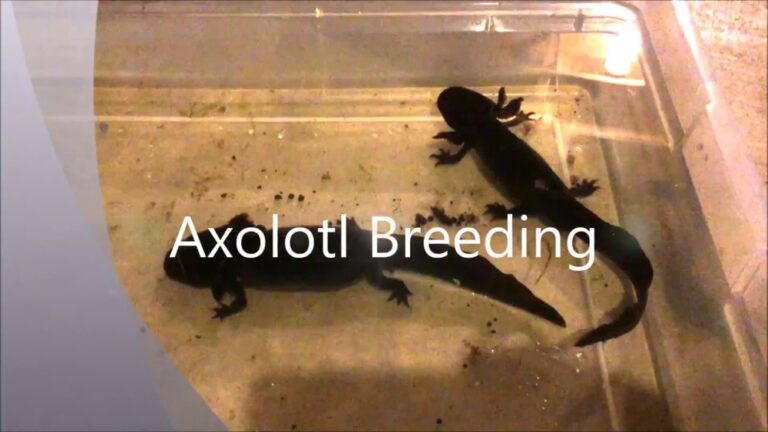
Black axolotls begin mating in cool water, around 60 to 64°F. Males display courtship dances to attract females. The male deposits spermatophores on the tank floor. Females pick up the spermatophores with their cloaca. Fertilization happens internally after this step. Spawning usually occurs within a few days after mating.
Egg Care
Once laid, eggs stick to plants or tank surfaces. Remove the eggs gently to a separate container to protect them. Keep water clean and cool, around 60°F. Avoid direct light on the eggs. Change water carefully to avoid disturbing eggs. Eggs hatch in about two weeks under good conditions.
Raising Juveniles
New hatchlings need a special diet of small live food. Feed them tiny brine shrimp or daphnia. Keep juveniles in shallow, clean water. Change water often to maintain quality. Watch for signs of stress or illness. Juveniles grow quickly and need space to move. Separate larger juveniles to avoid aggression.
Health Issues
The Black Axolotl is a unique and fascinating amphibian. Like all pets, it can face health problems. Knowing these issues helps keep your axolotl safe and happy.
Understanding common diseases, how to prevent them, and treatment options is very important. This knowledge supports better care and a longer life for your pet.
Common Diseases
Black Axolotls often get fungal infections. These appear as white or gray patches on their skin. Bacterial infections also occur, causing redness or swelling. Another issue is stress, which weakens their immune system. Stress can come from poor water quality or rough handling.
Preventative Measures
Clean water is key to preventing many diseases. Change the water often and check its temperature. Keep the tank at a cool, stable temperature. Avoid overcrowding the tank to reduce stress. Feed a balanced diet to keep your axolotl strong. Handle them gently and only when necessary.
Treatment Options
For fungal infections, use antifungal medications made for amphibians. Bacterial infections need antibiotic treatments prescribed by a vet. Always isolate sick axolotls to stop disease spread. Keep the tank clean during treatment. Consult an expert if symptoms do not improve quickly.

Credit: axolotlplanet.com
Conservation Status
The conservation status of the Black Axolotl is a serious concern. This unique amphibian faces many dangers in the wild. Its survival depends on careful protection and awareness. Understanding the current situation helps us know how to help.
Wild Population
The wild Black Axolotl population is very small. They live mostly in a few lakes in Mexico. These lakes are shrinking and polluted. Fewer Black Axolotls are seen each year. Scientists worry about their future in the wild.
Threats
Pollution is a major threat to Black Axolotls. Chemicals and trash harm their water homes. Urban growth destroys the natural lakes. Invasive fish eat their eggs and young. Climate changes also affect their survival chances.
Protection Efforts
Conservation groups work to save Black Axolotls. They clean and restore lake habitats. Breeding programs help increase their numbers. Laws protect their homes and limit pollution. Public education raises awareness about their plight.
Axolotls In Popular Culture
Axolotls, especially the black axolotl, have captured the imagination of many. Their unique look and mysterious nature make them popular beyond science. They appear in stories, art, and as pets. This section explores how axolotls fit into popular culture.
Symbolism
Axolotls symbolize transformation and healing. Their ability to regrow limbs shows strength. In some cultures, they represent rebirth and renewal. The black axolotl, with its rare color, often stands for mystery and uniqueness. People admire these traits and see axolotls as a sign of hope.
Media Appearances
Axolotls appear in cartoons, video games, and movies. Their cute and strange look makes them favorites in fantasy worlds. Some stories use axolotls to show magic or special powers. The black axolotl is often chosen for its striking appearance. It adds a touch of wonder to many media forms.
Pet Popularity
Axolotls, especially black ones, are popular pets. They are easy to care for and fun to watch. Their calm nature makes them great for beginners. Many pet owners love showing off their black axolotls. This popularity helps spread awareness about axolotl conservation.
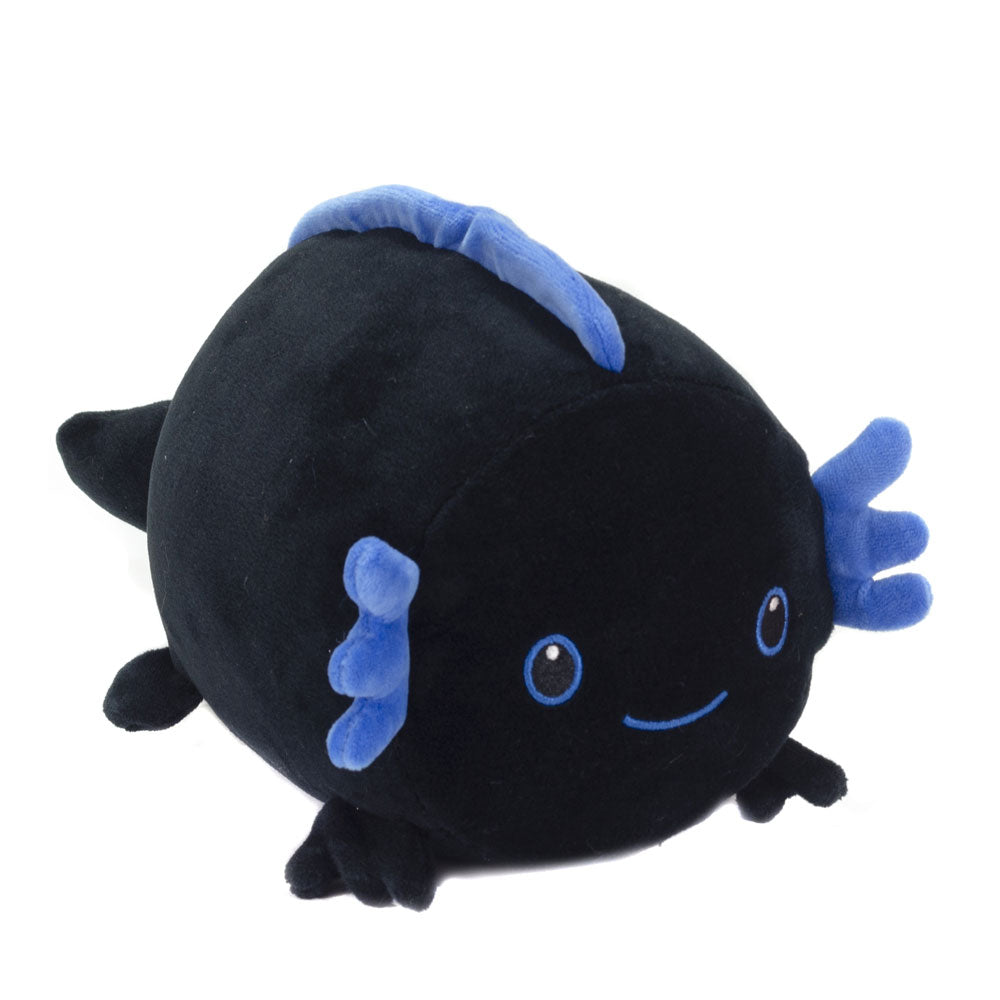
Credit: fiestatoy.com
How Smart Pets Lover Can Help You with Black Axolotl
Practical Learning with Your Black Axolotl
Welcoming a black axolotl into your home is more than just caring for a unique pet—it’s an opportunity to learn about aquatic life, biology, and conservation firsthand. Understanding their specific care requirements, like water quality and diet, helps deepen your connection and keeps your axolotl thriving.
As you observe their black axolotl traits, you’ll notice behaviors and adaptations that spark curiosity and encourage ongoing research. This curiosity can extend to breeding practices, giving you insights into genetics and responsible pet ownership.
- Keep a journal to track water parameters and health changes.
- Read up on conservation efforts to appreciate their status in the wild.
- Engage with communities focused on axolotl care for shared knowledge.
At Smart Pets Lover, we believe every pet parent’s journey is a story worth telling—where learning and love grow together. If you ever need guidance, don’t hesitate to reach out to reputable aquatic specialists or local herpetology groups for tailored advice. Remember, nurturing your black axolotl is as much about curiosity as it is compassion.
Frequently Asked Questions
What Is A Black Axolotl?
A black axolotl is a rare color morph of the axolotl species. It has a dark, almost black skin tone. This unique pigmentation makes it highly sought after by aquarium enthusiasts.
How Long Do Black Axolotls Live?
Black axolotls can live between 10 to 15 years in captivity. Proper care, diet, and environment are crucial for their longevity. Wild axolotls usually have shorter lifespans due to habitat threats.
What Do Black Axolotls Eat?
Black axolotls eat small aquatic creatures like worms, insects, and small fish. In captivity, they are fed bloodworms, brine shrimp, and pellets. A varied diet ensures their health and growth.
Are Black Axolotls Endangered?
Yes, axolotls, including black morphs, are critically endangered in the wild. Habitat loss and pollution threaten their natural population. Conservation efforts aim to protect and restore their natural habitats.
Conclusion
The black axolotl is a unique and fascinating creature. It lives mostly in water and stays small but strong. Many people enjoy keeping it as a pet because of its dark color and calm nature. Caring for a black axolotl is simple with the right tank and food.
Watching it move slowly is peaceful and interesting. This rare amphibian reminds us of nature’s wonders. Taking care of it teaches patience and respect for life. The black axolotl deserves attention from animal lovers everywhere.