Betta Tank Mates
If you have a betta fish, you know how important it is to create a peaceful home for your colorful friend. But choosing the right tank mates can be tricky.
You want companions that won’t stress your betta or cause fights. Imagine a vibrant aquarium where your betta swims happily alongside other fish, creating a lively and balanced environment. You’ll discover which tank mates work best with your betta and how to keep your aquatic community thriving.
Keep reading to make your betta’s tank a perfect place to live.

Credit: tropicflow.com
Choosing Compatible Fish
Choosing the right fish to live with your betta is very important. Bettas can be shy or aggressive depending on their tank mates. Picking compatible fish helps keep the tank peaceful and safe. It also makes watching your fish more fun and relaxing. Here are some tips to help you choose the best companions for your betta.
Peaceful Species
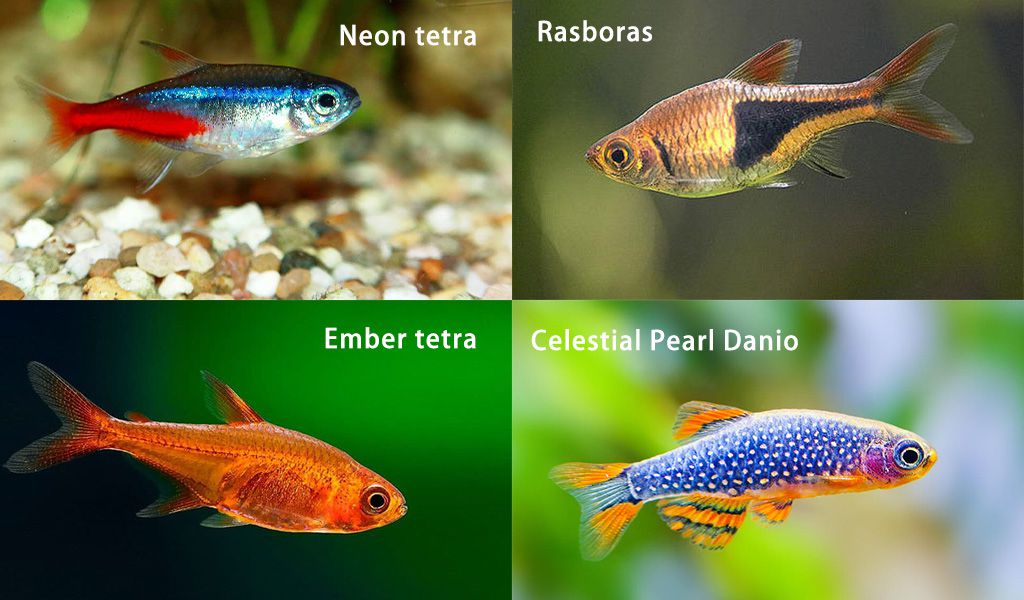
Choose fish that are calm and gentle. Peaceful species do not bother bettas or cause stress. Small tetras, corydoras catfish, and snails often work well. These fish swim in different parts of the tank. This reduces chances of conflict with your betta.
Avoiding Aggressive Fish
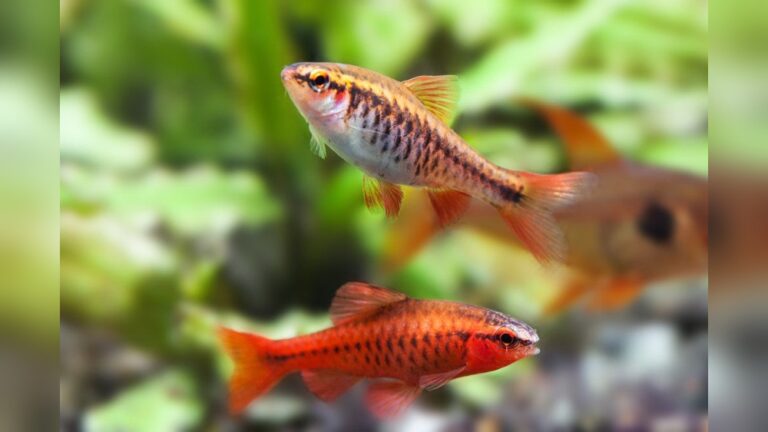
Stay away from fish that nip fins or chase others. Aggressive fish can hurt your betta and cause fights. Avoid barbs, large cichlids, and fin-nipping tetras. These fish may attack or stress your betta. A peaceful tank keeps all fish healthy and happy.
Size Considerations
Pick fish that are not too small or too big. Tiny fish may be seen as food by your betta. Big fish might bully or scare your betta. Medium-sized fish usually work best. Size balance helps create a calm and safe environment.
Suitable Invertebrates
Suitable invertebrates can live peacefully with bettas. They add color and movement to the tank. These creatures are small and usually do not bother bettas. Choosing the right invertebrates helps keep the aquarium clean and lively.
Invertebrates like shrimp and snails are great choices. They eat leftover food and algae. This keeps the tank healthy and reduces maintenance. Let’s explore some good options for betta tank mates.
Shrimp Options
Freshwater shrimp are popular in betta tanks. Cherry shrimp are bright and active. They stay small and hide easily. Amano shrimp are larger and eat more algae. Ghost shrimp are transparent and peaceful. These shrimp rarely compete with bettas for space. They help clean the tank naturally.
Snail Varieties
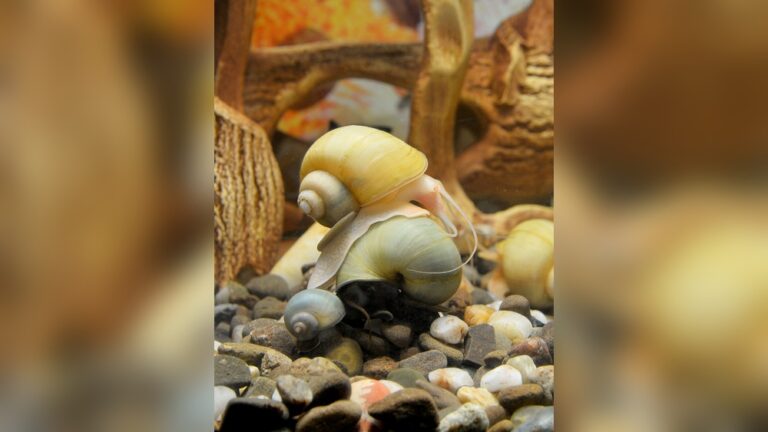
Snails are slow movers and calm. Nerite snails have attractive shells and clean algae well. Mystery snails come in many colors and are gentle. Malaysian trumpet snails burrow in the substrate. They prevent harmful gas buildup. Snails do not bother bettas and add interest.
Benefits Of Invertebrates
Invertebrates help keep tanks clean. They eat leftover food and algae. This lowers the risk of water problems. They create a more natural environment. Fish feel less stressed with tank mates. Invertebrates bring activity without fighting. They are easy to care for and fun to watch.
Tank Setup Tips
Setting up a tank for Betta fish and their tank mates requires care. The right environment helps fish live happily and safely. Small changes can make a big difference in their health and behavior. Focus on three main areas to create a balanced tank.
Creating Hiding Spots
Fish need places to hide and feel safe. Use caves, small pots, or driftwood to create shelters. These spots reduce stress and prevent fights among fish. Hiding places also help shy fish come out more often. Make sure spaces are easy to access but cozy enough for privacy.
Plant Selection
Choose live plants that suit Betta fish and their tank mates. Plants like Java fern and Anubias are tough and grow well in low light. They provide cover and improve water quality by absorbing toxins. Avoid sharp or rough plants that can hurt Betta’s delicate fins. Plants add color and make the tank look natural.
Water Parameters
Keep water conditions stable for all fish. Betta fish prefer warm water around 78–80°F (25–27°C). The pH should stay between 6.5 and 7.5 for most tank mates. Regularly check ammonia, nitrite, and nitrate levels to avoid toxins. Use a gentle filter to keep water clean without strong currents.

Credit: www.aquariumcoop.com
Common Mistakes To Avoid
Choosing the right tank mates for your betta fish requires care. Many people make mistakes that can harm their fish or cause stress. Avoid these common errors to keep your aquarium peaceful and healthy.
Overcrowding
Too many fish in one tank cause stress and poor water quality. Bettas need space to swim freely. Crowded tanks increase fights and disease risks. Keep the number of tank mates low and ensure enough room for all.
Ignoring Temperament
Bettas have strong personalities. Some fish are too aggressive or too passive for bettas. Mixing aggressive fish with bettas leads to fights and injuries. Choose calm and non-aggressive tank mates. Observe behavior before adding new fish.
Incompatible Tank Conditions
Different fish need different water temperatures and pH levels. Bettas prefer warm, slightly acidic water. Some fish need cooler or more alkaline water. Check all species’ needs before combining them. Proper conditions keep all fish healthy and happy.
Monitoring Behavior
Watching your betta and its tank mates closely is very important. Each fish shows signs of comfort or stress through its behavior. Careful observation helps keep peace in the tank and protects your fish.
Notice how your betta acts every day. Changes in swimming, eating, or hiding can signal problems. Early detection prevents serious issues and keeps all fish healthy.
Signs Of Stress
Stress shows in many ways. Your betta may hide more than usual. It might lose color or stop eating. Rapid gill movement or clamped fins also mean stress. Watch for sudden changes in behavior or appearance.
Aggression Management
Betta fish can be aggressive toward tank mates. Look for chasing, nipping, or flaring fins. These actions harm other fish and cause stress. Try rearranging decorations to break line of sight. Adding plants or hiding spots helps reduce fights.
When To Separate
If aggression continues, separating fish is best. Use a divider or move one fish to another tank. Separation protects all fish from injury. Do not wait for serious harm. Act quickly to keep your betta and its tank mates safe.
Credit: www.hygger-online.com
How Smart Pets Lover Can Help You with Betta Tank Mates
Learning Through Betta Tank Mates
Choosing the right Betta tank mates offers more than just a peaceful aquarium—it’s a hands-on lesson in compatibility and care. When you thoughtfully select compatible fish and suitable invertebrates, you’re practicing one of the most important skills in fishkeeping: understanding behavior and environmental needs. This ties closely to tank setup tips and monitoring behavior, helping you create a harmonious aquatic community.
- Observe how different species interact and adjust your setup accordingly.
- Note the signs of stress or aggression to avoid common mistakes.
- Experiment with hiding spots and plant arrangements to support all inhabitants.
At Smart Pets Lover, we believe every pet parent grows more confident by learning through experience and research-backed advice. If you ever feel unsure about your Betta’s companions or tank environment, reaching out to local aquarist groups or trusted resources can make all the difference. After all, caring for your Betta and its tank mates is a rewarding journey where every wag, purr, and chirp tells a story—even underwater.
Frequently Asked Questions
What Are The Best Tank Mates For Betta Fish?
Ideal Betta tank mates include peaceful, small fish like Corydoras, Neon Tetras, and snails. Avoid fin-nippers and aggressive species to prevent stress and injury to your Betta.
Can Betta Fish Live With Other Aggressive Fish?
No, Betta fish should not be kept with aggressive fish. Aggressive tank mates can cause fights, stress, and harm to your Betta’s health.
How Many Tank Mates Can A Betta Fish Have?
A Betta can comfortably coexist with 2-4 peaceful tank mates in a 10-gallon or larger tank. Overcrowding leads to stress and poor water quality.
Are Shrimp Good Tank Mates For Betta Fish?
Yes, some shrimp like Amano or Ghost shrimp can be good tank mates. Ensure your Betta is not overly aggressive to avoid shrimp predation.
Conclusion
Choosing the right betta tank mates can make your aquarium peaceful. Small, calm fish often live well with bettas. Avoid bright or aggressive species that stress your fish. Provide hiding spots for each tank mate to feel safe. Watch your betta’s behavior daily for any signs of trouble.
A well-planned tank keeps fish healthy and happy. Enjoy the beauty and calm of a balanced betta community. Taking simple steps helps create a great home for your betta.