Betta Fish Tanks
If you want your betta fish to thrive, choosing the right tank is key. Your betta’s home affects its health, happiness, and how stunning it looks.
But with so many options out there, how do you find the perfect betta fish tank? This guide will help you pick the best tank that fits your space, budget, and your fish’s needs. Keep reading to discover easy tips that make your betta’s world comfortable and beautiful—because your fish deserves the best.
Choosing The Right Tank
Choosing the right tank is key to keeping your Betta fish happy and healthy. The tank creates their home and affects their well-being. A proper tank size, material, and shape all matter. Each factor influences the water quality and the fish’s comfort. Understanding these points helps you make a good choice.
Tank Size Recommendations
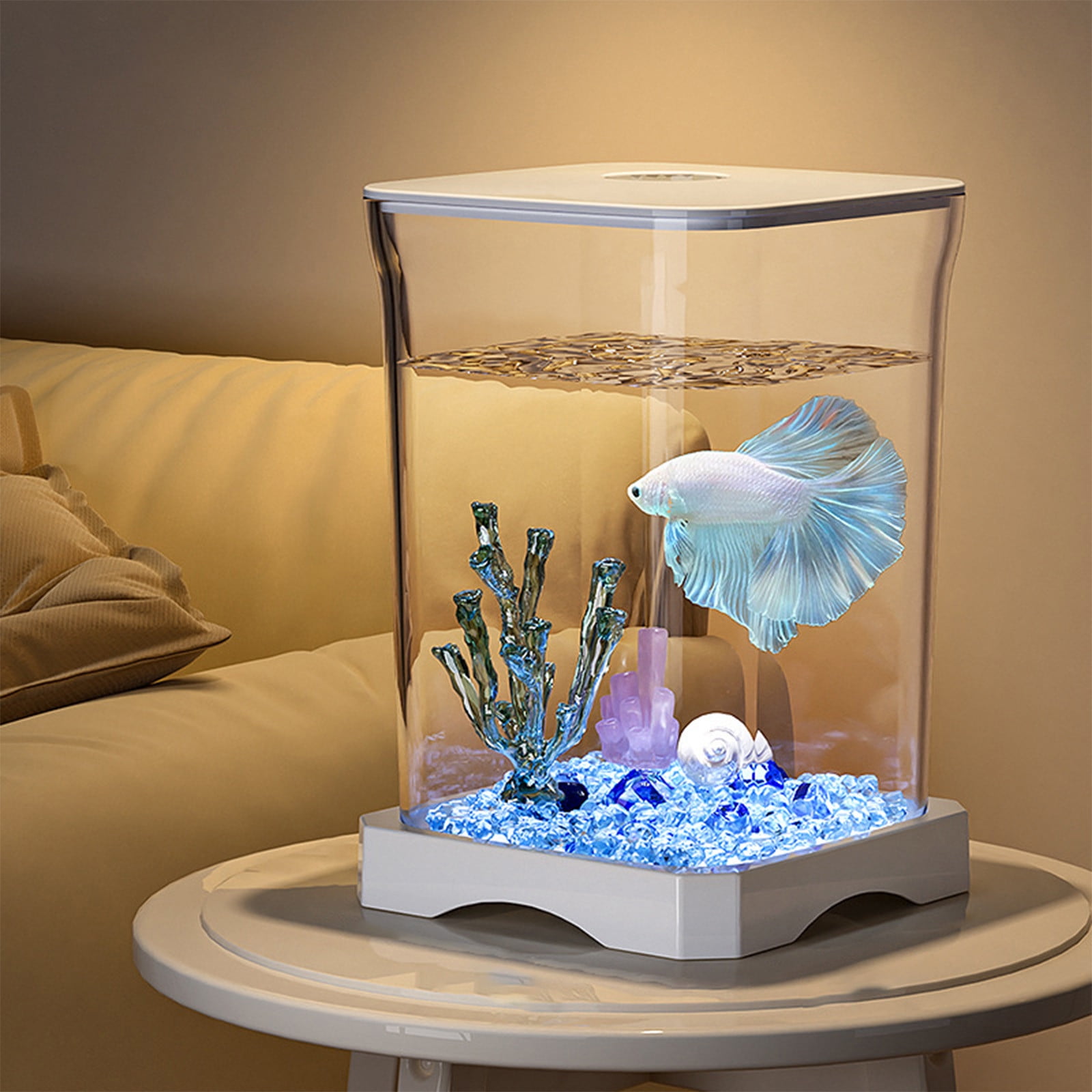
Small bowls are not good for Betta fish. They need space to swim and explore. A tank of at least 5 gallons is best. Bigger tanks help keep water clean and stable. More water means less stress for the fish. Avoid tanks smaller than 3 gallons to prevent health problems.
Material Options
Most tanks are made from glass or acrylic. Glass is clear and scratch-resistant. It is heavier but lasts long. Acrylic tanks are lighter and easier to move. They resist impact better but scratch easier. Both materials can hold water well. Choose based on your budget and handling preference.
Shape Considerations
Betta fish like wide and shallow tanks. Tall, narrow tanks limit their swimming space. Flat tanks provide more surface area for oxygen exchange. Rounded bowls often cause stress and poor water quality. Rectangular tanks offer better living conditions. Keep the tank shape simple and roomy.
Essential Equipment
Setting up a betta fish tank needs the right equipment. This gear keeps your fish healthy and happy. Some tools help maintain water quality. Others create the perfect environment for your betta to thrive.
Filtration Systems
Filtration is key for clean water. It removes waste and toxins from the tank. Choose a gentle filter to avoid strong currents. Bettas prefer calm water. A sponge filter or a low-flow filter works well. Regular cleaning of the filter keeps it effective.
Heating Requirements
Bettas need warm water to stay active. Their ideal temperature is between 76°F and 82°F. Use an adjustable aquarium heater to keep water steady. A heater with a thermostat helps avoid sudden temperature changes. Check the temperature daily for safety.
Lighting Choices
Lighting affects betta health and tank appearance. Use soft, natural light that mimics their habitat. LED lights are energy-efficient and easy to control. Avoid bright lights that stress your fish. A light timer can keep a regular day-night cycle.
Setting Up The Tank
Setting up a betta fish tank is the first step to creating a healthy home for your fish. A proper setup helps your betta feel safe and comfortable. It also keeps the water clean and balanced. Every part of the tank plays a role in your betta’s well-being.
Careful planning makes the tank easy to maintain. Let’s explore the key parts of setting up the tank.
Substrate Selection
Choose a substrate that is smooth and safe. Fine gravel or sand works well. Avoid sharp or rough materials. Bettas like to rest near the bottom, so soft substrate helps prevent injury. The substrate also holds beneficial bacteria. These bacteria break down waste and keep water clean.
Decor And Plants
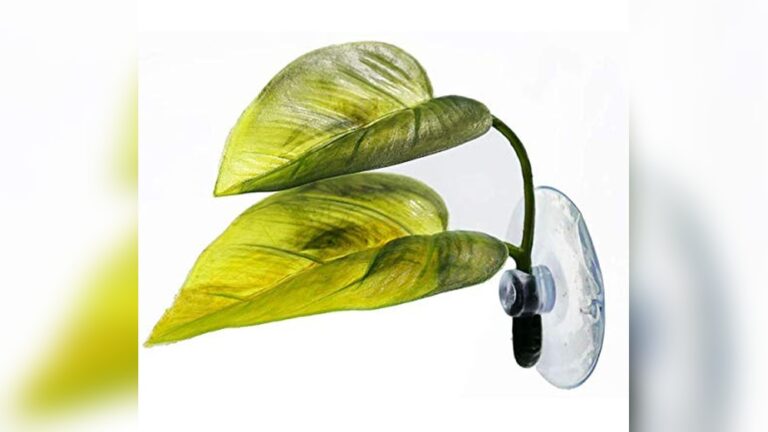
Decorations give your betta places to hide and explore. Use smooth items without sharp edges. Silk or live plants make the tank look natural. Plants improve water quality by absorbing toxins. They also provide shade and resting spots. Avoid plastic plants with rough edges to protect your betta’s fins.
Water Preparation
Fill the tank with clean, room-temperature water. Use a water conditioner to remove chlorine and harmful chemicals. Test water pH and temperature before adding your betta. Keep the water temperature between 76°F and 82°F. Regular water changes keep the environment healthy. Stable water conditions reduce stress for your betta fish.
Credit: www.drglicksman.com
Maintaining Water Quality
Maintaining water quality is key for a healthy Betta fish tank. Clean water helps Betta fish stay active and bright. Poor water quality causes stress and illness. Regular care keeps the tank environment safe and stable.
Regular Cleaning Tips
Clean the tank every week. Remove uneaten food and waste from the bottom. Use a gravel vacuum to clean the substrate. Clean the tank walls with a soft cloth or sponge. Avoid strong soaps or chemicals. Rinse decorations in warm water only. Keep the filter running but clean it monthly.
Water Testing Parameters
Test water regularly to check quality. Important parameters include pH, ammonia, nitrite, and nitrate. Betta fish prefer pH between 6.5 and 7.5. Ammonia and nitrite levels must be zero. Nitrate should stay below 20 ppm. Use simple test kits from pet stores. Record results to track changes over time.
Changing Water Safely
Change 20-30% of water weekly. Use dechlorinated or conditioned water only. Match new water temperature with the tank’s water. Add new water slowly to avoid shocking fish. Avoid cleaning all the water at once. This helps keep beneficial bacteria alive. Monitor fish behavior after water changes.
Tankmates And Compatibility
Choosing the right tankmates for your Betta fish is very important. Betta fish can be aggressive, so not all fish live well together. Understanding compatibility helps keep your tank peaceful and healthy. This section explains which fish work well with Bettas and how to avoid fights.
Suitable Companion Fish
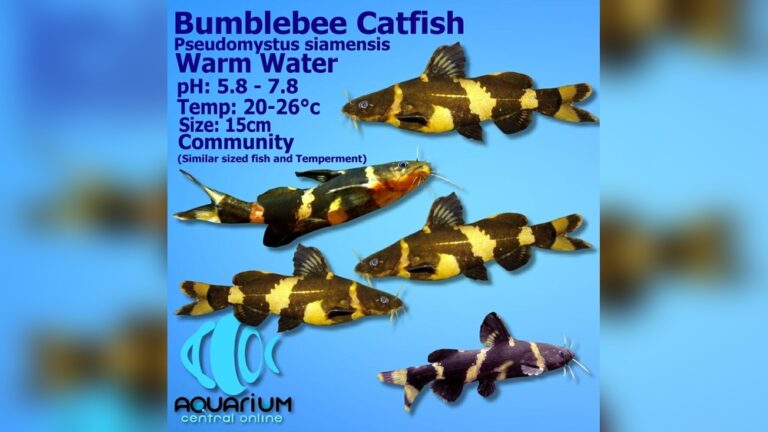
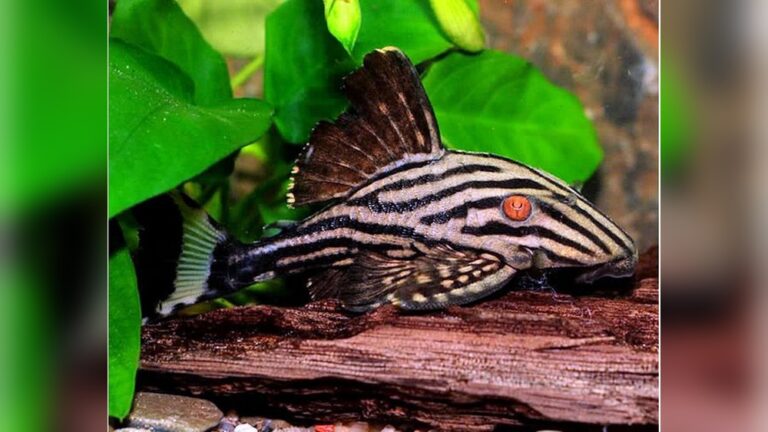
Small, calm fish usually make good companions for Bettas. Fish like neon tetras, corydoras catfish, and harlequin rasboras often get along. Snails and shrimp can also live peacefully with Bettas. Avoid bright, flashy fish that may provoke your Betta. Choose fish that swim in different tank levels to reduce conflict.
Avoiding Aggression
Bettas can be territorial and attack other fish. Give your Betta plenty of hiding places. Plants and decorations create safe spots for shy tankmates. Watch your Betta’s behavior daily. Remove any fish that show signs of stress or injury. Avoid housing two male Bettas in the same tank. This prevents fights and injury.
Community Tank Tips
Use a tank size of at least 10 gallons for multiple fish. Keep water clean and stable to reduce stress. Feed fish separately to avoid competition. Provide gentle water flow since Bettas prefer calm water. Observe your tank regularly to ensure harmony. A well-planned community tank makes a happy home for your Betta.

Credit: www.amazon.com
Common Problems And Solutions
Betta fish tanks require care to keep the fish healthy and happy. Many common problems can arise, but simple solutions exist. Knowing these issues helps you maintain a clean and safe environment for your betta.
Dealing With Algae
Algae often grows in betta tanks. It looks green and slimy on glass and decorations. Too much algae harms water quality and fish health. Clean the tank regularly to control algae. Use an algae scraper or sponge for the glass. Limit the tank’s light to 8-10 hours daily. Avoid overfeeding your betta; leftover food feeds algae. Adding live plants can reduce algae growth by competing for nutrients.
Health Issues
Betta fish can get common health problems like fin rot, ich, and swim bladder disorder. Watch for faded colors, torn fins, or white spots. Keep water clean and warm, between 76°F and 82°F. Change 25% of the water weekly to prevent disease. Avoid sudden temperature changes. Use a water conditioner to remove harmful chemicals. Quarantine new fish or plants before adding them to the tank.
Equipment Failures
Equipment like filters, heaters, and lights can fail. A broken heater causes temperature swings. A stopped filter leads to dirty water. Test equipment often to ensure it works well. Have spare parts ready for quick replacement. Use a reliable heater with a thermostat. Check that the filter flow is gentle to avoid stressing your betta. Proper equipment keeps the tank stable and your fish safe.
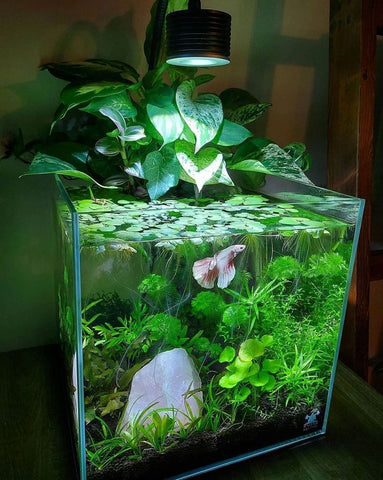
Credit: www.innovatermia.es
How Smart Pets Lover Can Help You with Betta Fish Tanks
Learning Through Betta Fish Tank Care
Setting up and maintaining a Betta fish tank offers more than just a beautiful aquatic display—it’s a hands-on lesson in responsibility and biology. When you carefully choose the right tank size and essential equipment, you’re practicing thoughtful decision-making that impacts your fish’s well-being. Monitoring water quality and understanding compatibility with tankmates deepens your appreciation for aquatic ecosystems and the delicate balance needed to keep your Betta thriving.
These practical experiences align perfectly with Smart Pets Lover’s mission to help pet parents feel confident and connected. Each adjustment you make, from water changes to spotting early signs of common problems, becomes an opportunity to learn and grow as a caregiver. If you ever feel unsure, reaching out to knowledgeable communities or trusted resources can provide reassurance and guidance—because every pet journey is a story worth nurturing.
Frequently Asked Questions
What Size Tank Is Best For Betta Fish?
A 5-gallon tank is ideal for Betta fish. It offers enough swimming space and maintains stable water conditions. Larger tanks help reduce stress and improve the fish’s health. Avoid tanks smaller than 2. 5 gallons to ensure proper care and comfort.
How Often Should Betta Fish Tanks Be Cleaned?
Clean your Betta tank weekly by replacing 25-50% of the water. Remove uneaten food and debris during cleaning. Regular maintenance prevents harmful bacteria buildup. Consistent cleaning keeps your Betta healthy and the water clear.
Do Betta Fish Need A Filter In Their Tank?
Yes, a gentle filter is recommended for Betta tanks. It helps maintain water quality by removing toxins. Choose a filter with adjustable flow to avoid stressing your Betta. Proper filtration supports a healthy and stable environment.
Can Betta Fish Live With Plants In Their Tank?
Yes, live plants are beneficial in Betta tanks. They improve water quality and provide hiding spots. Suitable plants include Java fern and Anubias. Plants also enhance tank aesthetics and mimic the Betta’s natural habitat.
Conclusion
Choosing the right betta fish tank helps your fish stay healthy and happy. Small tanks can work, but bigger ones give more space to swim. Clean water and proper decorations keep your betta comfortable. Always check the temperature and filter to create the best home.
Enjoy watching your colorful fish thrive in a well-kept tank. Simple care makes a big difference. Your betta will thank you with bright colors and lively movements. A good tank sets the stage for a happy pet.