Betta Fish Not Eating
Is your betta fish suddenly refusing to eat? It can be worrying to see your colorful pet lose its appetite.
You might wonder if something is wrong or if you’re doing something wrong. Don’t panic just yet. Understanding why your betta fish is not eating is the first step to fixing the problem and keeping your fish healthy. You’ll discover simple reasons behind this behavior and easy solutions you can try right now.
Keep reading to learn how to bring your betta back to its lively self.
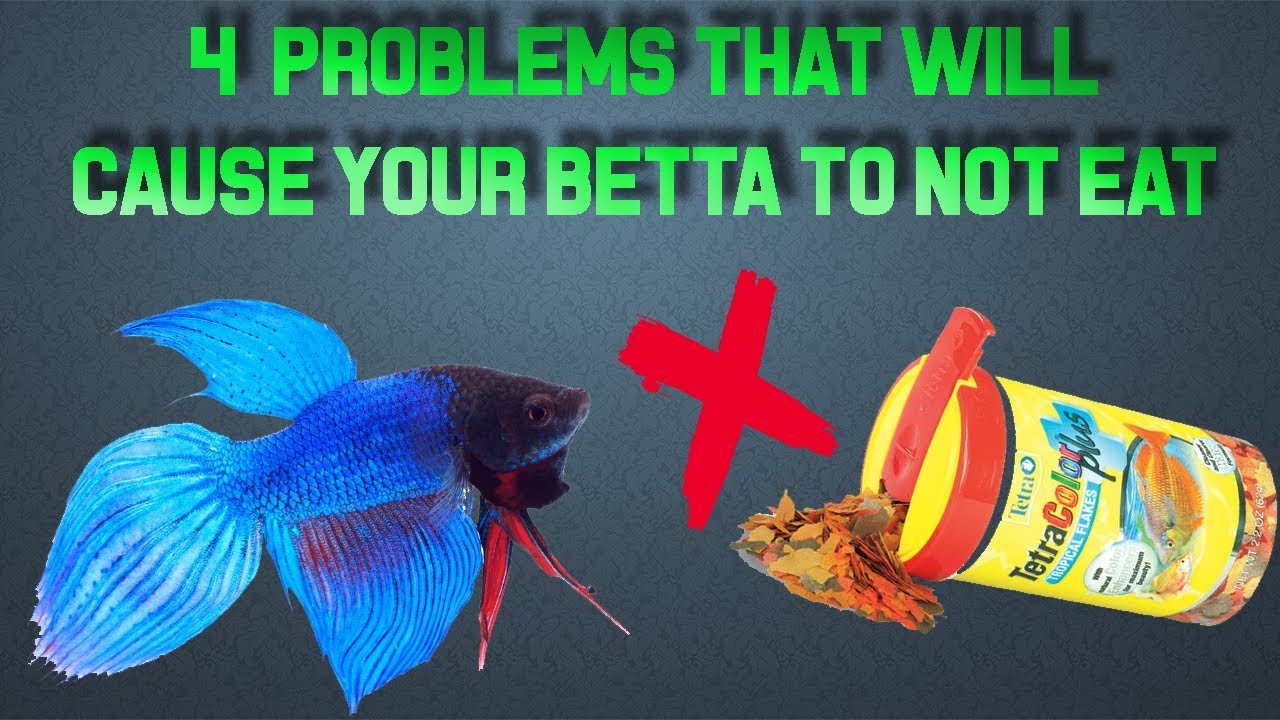
Credit: www.youtube.com
Common Reasons For Appetite Loss
Betta fish may stop eating for many reasons. Understanding these causes helps fix the problem fast. Appetite loss can signal stress, illness, or poor care. Catching the signs early keeps your Betta healthy and happy.
Stress Factors
Stress is a top cause of appetite loss in Bettas. Loud noise, sudden moves, or bright lights upset them. A new tank or too much handling can also stress them out. Stress lowers their energy and stops their appetite.
Water Quality Issues
Dirty or wrong water harms Betta health. High ammonia or nitrate levels make fish sick. Cold or hot water temperatures cause discomfort. Poor water conditions reduce appetite and can lead to death.
Illness And Parasites
Sick Bettas often refuse food. Bacterial infections or parasites cause pain and weakness. Look for color changes, spots, or swelling. Illness makes fish lose interest in eating quickly.
Improper Diet
Feeding the wrong food leads to hunger problems. Bettas need protein-rich diets with variety. Overfeeding or stale food also causes loss of appetite. Balanced meals keep your fish active and eating well.
Signs To Watch For
Not eating is a common problem with betta fish. Early signs help catch problems fast. Watch your betta closely. Notice any changes in behavior or body. These signs can tell you if your fish is not well.
Behavioral Changes
A betta that stops eating may act differently. It might hide more than usual. Swimming slowly or resting at the tank bottom are red flags. Lack of interest in food is clear. If your betta ignores flakes or pellets, take note. Sudden aggression or lethargy also signals trouble. These behaviors show your fish feels unwell or stressed.
Physical Symptoms
Look for changes in your betta’s body. Faded colors or dull scales suggest illness. Clamped fins, where fins stay close to the body, are warning signs. Swollen belly or bloating is a serious symptom. White spots or patches may mean infection. Gasping at the water surface can mean poor water quality or illness. These visible signs help identify feeding problems early.
Improving Water Conditions
Improving water conditions is key to helping your Betta fish start eating again. Dirty or improper water can stress fish and reduce their appetite. Clear, clean water supports their health and behavior.
Keeping the tank clean and maintaining the right water parameters creates a safe environment. This encourages your Betta to eat and thrive. Let’s look at simple ways to improve water conditions.
Tank Cleaning Tips
Clean the tank regularly to remove waste and debris. Change 25% of the water every week. Use a gravel vacuum to clean the substrate without disturbing the fish.
Remove uneaten food quickly to avoid water pollution. Avoid using soap or chemicals on the tank or decorations. Rinse everything with warm water only.
Optimal Water Parameters
Keep the water temperature between 76°F and 82°F (24°C to 28°C). Betta fish prefer slightly acidic to neutral water, with a pH of 6.5 to 7.5.
Maintain low ammonia and nitrate levels by testing the water regularly. Use a water conditioner to remove chlorine and chloramine from tap water. Stable conditions reduce stress and encourage eating.
Dietary Adjustments
Dietary changes can help a Betta fish start eating again. Betta fish need the right food and feeding schedule. Small changes in diet can improve their appetite and health. Understanding what to feed and how often is key.
Adjusting the diet may also prevent future eating problems. Feeding the wrong food or too much food can cause stress. Careful choices will keep your Betta active and happy.
Best Foods For Bettas
Bettas need protein-rich foods to stay healthy. High-quality Betta pellets are a good main food. These pellets have the nutrients Bettas need every day. Live or frozen foods like bloodworms and brine shrimp are tasty treats. They can boost appetite and give variety. Avoid flakes as Bettas may not eat them well. Fresh, varied food supports a Betta’s natural diet.
Feeding Frequency And Portions
Feed small amounts twice a day for best results. Overfeeding can cause water pollution and health issues. Only give what your Betta can eat in two minutes. Remove leftover food to keep the tank clean. Watch your Betta’s behavior to adjust portions. Consistent feeding times help Bettas feel secure and eat well.
Treating Common Diseases
Treating common diseases is key to helping your Betta fish eat again. Sick fish often lose their appetite. Quick care can make a big difference. Understanding how to spot and treat illnesses keeps your fish healthy.
Knowing the signs of infection helps you act fast. Proper medication supports recovery. Early treatment can save your Betta’s life.
Identifying Infections
Look for changes in color or spots on your Betta’s body. Clamped fins or white patches may appear. Fish may swim slowly or hide more. Swollen belly or bloating can also be a sign. These symptoms often show infections that stop eating.
Check water quality and tank cleanliness. Poor conditions increase disease risk. Watch your Betta daily for any odd behavior. Early detection is important for effective treatment.
Medication Options
Use medications designed for Betta fish. Antibiotics help bacterial infections. Antifungal treatments work against fungus. Parasite medicines stop external or internal pests. Always follow the instructions on the label carefully.
Do not overdose or mix medicines without advice. A clean tank and fresh water boost healing. Continue medication for the full period. Stopping early may cause the disease to return.

Credit: www.reddit.com
When To Consult A Vet
Betta fish not eating can signal health problems. Knowing when to consult a vet helps protect your pet. Early action can prevent serious illness and improve recovery.
Observe your betta closely. Notice changes in behavior, color, or activity. These signs guide you on when to seek professional help.
Signs Of Serious Illness
Look for swelling, sores, or unusual spots on your fish. Gasping at the water surface or difficulty swimming can mean trouble. These symptoms need a vet’s attention fast.
Prolonged Loss Of Appetite
Betta fish usually eat daily. If your fish refuses food for more than three days, consult a vet. Long fasting might indicate infection or internal issues.
Changes In Behavior
Lethargy or hiding too much can show sickness. Sudden aggression or strange movements also matter. These changes require a professional checkup.
Water Quality Concerns
Poor water quality can harm your fish’s health. If you cannot improve water conditions or symptoms worsen, see a vet. They can advise on treatment and care.

Credit: www.youtube.com
How Smart Pets Lover Can Help You with Betta Fish Not Eating
Learning from Your Betta’s Appetite: A Journey in Care
Watching your betta fish refuse food can feel worrying, but it’s also a chance to deepen your understanding of their needs. By observing the signs to watch for and revisiting water quality, you’re already stepping into responsible pet ownership — a core value at Smart Pets Lover. This gentle detective work helps you catch subtle health changes early, improving outcomes for your finned friend.
Consider tweaking their diet gradually, introducing variety based on what you’ve learned about their preferences and nutritional needs. This hands-on approach not only nurtures your betta’s health but strengthens your bond, turning care into a shared story of trust and attentiveness.
- Monitor water parameters regularly to ensure comfort.
- Note behavioral shifts alongside appetite changes.
- Keep a simple health journal to track progress and concerns.
If you ever feel uncertain, consulting a vet who understands fish health can provide peace of mind. Remember, every small step you take helps your betta thrive — and makes you a more confident pet parent. For more insights and support, Smart Pets Lover is here, where every wag, purr, and chirp tells a story.
Frequently Asked Questions
Why Is My Betta Fish Not Eating?
Betta fish may stop eating due to stress, illness, poor water quality, or improper diet. Check tank conditions and health.
How To Encourage Betta Fish To Eat Again?
Try feeding live or frozen food, adjust water temperature, and reduce stress factors to stimulate appetite.
Can Water Temperature Affect Betta Fish Appetite?
Yes, low or high water temperatures can reduce Betta fish appetite. Maintain a stable 76-82°F for best results.
What Are Common Illnesses Causing Betta Fish Appetite Loss?
Common illnesses include fin rot, swim bladder disorder, and parasites. Observe symptoms and consult a vet if needed.
Conclusion
Betta fish may stop eating for many reasons. Stress, illness, or poor water quality often cause this. Watch your fish closely and check the tank conditions. Offer different foods to see if they eat. Keep the water clean and stable.
Acting fast helps your betta stay healthy. Small changes can make a big difference. Caring well brings your fish back to life. Don’t ignore signs of trouble. Your betta depends on you to stay strong and happy.