Betta Fin Rot
If you keep a Betta fish, you know how beautiful and lively they can be. But what happens when you notice their fins looking torn, ragged, or discolored?
This could be a sign of Betta fin rot, a common problem that can quickly harm your fish if left untreated. You want your Betta to stay healthy and vibrant, right? Understanding fin rot and how to spot it early can save your fish from pain and even death.
Keep reading to learn how to protect your Betta and restore those fins to their full glory.
Causes Of Fin Rot
Fin rot is a common disease in betta fish. It causes their fins to look ragged and torn. Understanding what causes fin rot helps keep your betta healthy. Several factors can lead to this condition. Most involve the fish’s environment and health.
Bacterial Infections
Bacteria are the main cause of fin rot. They attack the fish’s fins and tail. These harmful bacteria grow fast in dirty water. The infection starts as small white edges on the fins. Without treatment, it spreads and causes the fins to decay.
Poor Water Quality
Dirty or polluted water stresses bettas. Waste, uneaten food, and chemicals build up over time. This poor water quality weakens the fish’s immune system. It gives bacteria a chance to grow and attack. Regular water changes and cleaning prevent fin rot.
Stress Factors
Stress makes bettas more vulnerable to disease. Changes in temperature or tank size can cause stress. Loud noises and aggressive tank mates also affect the fish. Stress lowers their natural defenses. A calm, stable environment keeps bettas healthy and safe.
Credit: en.wikipedia.org
Symptoms To Watch
Betta fin rot is a common problem affecting many betta fish. Early detection helps stop the disease before it worsens. Watch your fish closely for signs. Catching symptoms early can save your betta’s fins and health.
Frayed Or Discolored Fins
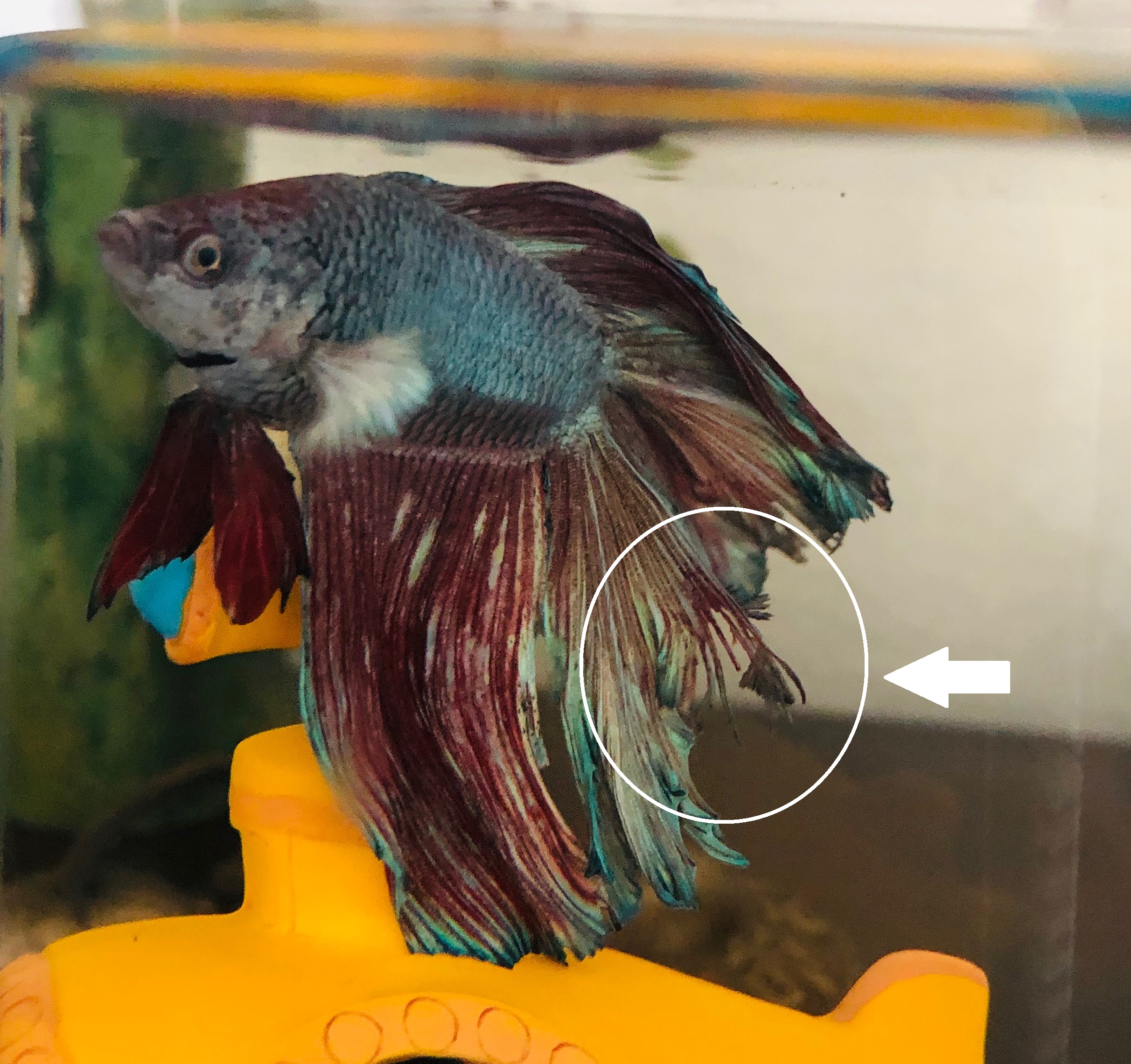
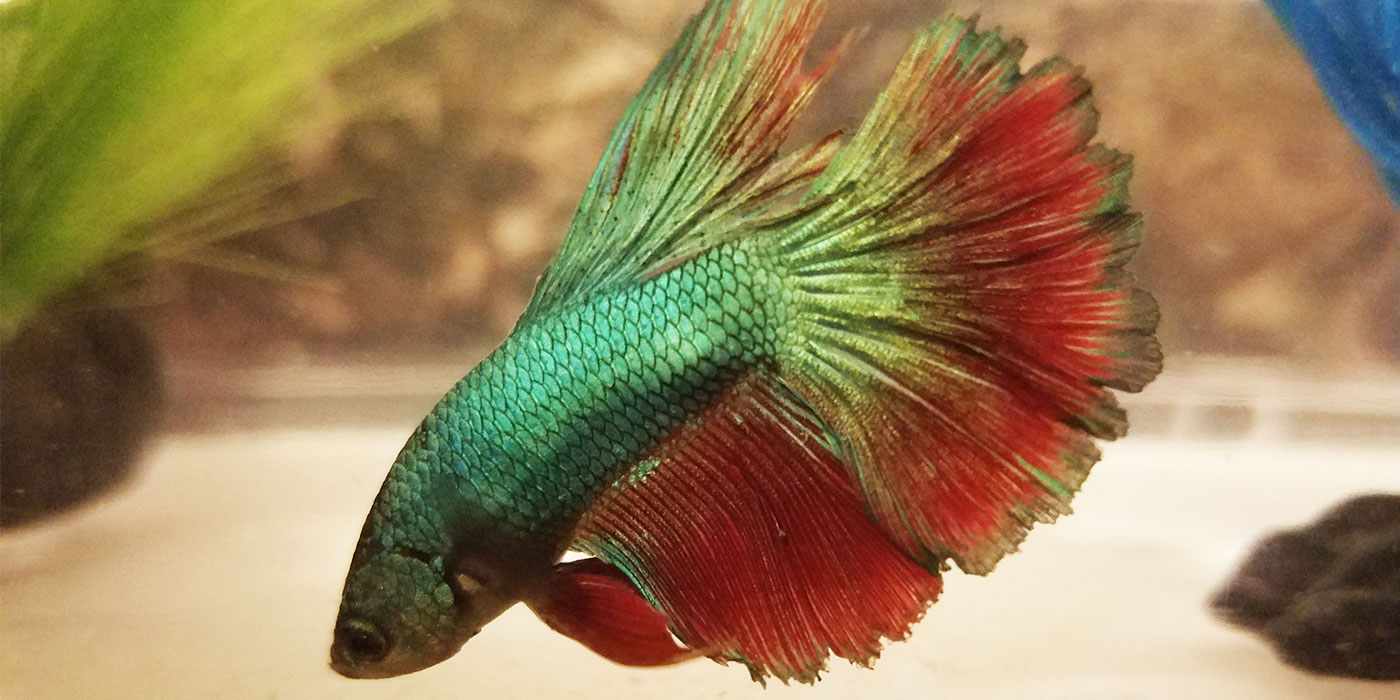
One of the first signs is frayed fins. They may look torn or ragged at the edges. The fins can also lose their bright color. Instead of smooth, they appear rough or faded. This damage often starts at the tips and spreads inward.
Fins Turning Black Or Red
Color changes on the fins can signal infection. Black or dark red spots might appear. These spots show the tissue is dying or infected. Redness can also mean inflammation or irritation. Look carefully for any unusual dark patches.
Behavioral Changes
Behavior changes often happen with fin rot. Your betta may swim less or hide more. It might stop eating or seem weak. These signs show the fish is stressed or in pain. Notice if your betta acts different than usual.
Diagnosing Fin Rot
Diagnosing fin rot in bettas starts with careful observation. Early detection helps protect your fish’s health. Watch for signs that could mean trouble. Check the fins closely and test the water quality. Seeking advice from experts can guide you through treatment.
Visual Inspection
Look at your betta’s fins every day. Fin rot shows as ragged, torn edges. Fins may look faded or slimy. Red or black spots might appear near the base. Notice if the fins seem shorter or frayed. Healthy fins are smooth and bright.
Water Testing
Test your tank water with a reliable kit. Measure ammonia, nitrites, and nitrates levels. High ammonia or nitrites stress bettas and cause fin rot. Check pH and temperature too. Poor water conditions weaken your fish’s immune system.
Consulting Experts
Ask aquarium professionals for advice if unsure. Online forums and local fish stores offer support. Experts can confirm if it is fin rot or another illness. They suggest the best treatment options and care tips. Getting expert advice saves your betta’s life.
Credit: bettafish.org
Treatment Options
Treating Betta fin rot requires quick and careful action. The right treatment stops the infection and helps your Betta heal fast. Several options exist to tackle fin rot effectively. Each method plays a key role in recovery. Choosing the best one depends on the severity of the condition.
Water Changes And Tank Cleaning
Clean water is vital for healing fin rot. Regular water changes remove harmful bacteria and waste. Replace 25% to 50% of the water every few days. Clean the tank sides and decorations to prevent bacteria build-up. Avoid harsh soaps; use safe aquarium cleaners only. Keep the water temperature steady, around 78-80°F, to reduce stress. Good water quality helps your Betta’s immune system fight infection.
Medications And Antibiotics
Medications can stop fin rot bacteria quickly. Use antibiotics made for fish, like erythromycin or tetracycline. Follow the label instructions carefully for dosage and duration. Overuse of antibiotics can harm your Betta. Watch for side effects like loss of appetite or lethargy. Medication works best combined with clean water and good tank care. Consult a vet or fish expert for advice on medicine use.
Natural Remedies
Natural remedies support healing without harsh chemicals. Aquarium salt helps kill bacteria and reduces stress. Use one teaspoon per gallon of water, but do not overdose. Aloe vera gel applied gently to fins can soothe damage. Some hobbyists use Indian almond leaves to boost water quality. These leaves release tannins that fight bacteria. Natural methods work best for mild cases or as support with other treatments.
Preventing Fin Rot
Preventing fin rot is key to keeping your betta healthy and vibrant. This disease attacks the fins and can cause pain and stress. Early steps help stop it before it starts. Focus on clean water, good food, and a calm environment.
Maintaining Water Quality
Clean water stops harmful bacteria from growing. Change 25% of the water every week. Use a water conditioner to remove chlorine and harmful chemicals. Keep the tank filter running to remove waste. Test water regularly for ammonia and nitrites. These chemicals can hurt your betta’s fins.
Proper Diet And Nutrition
Feed your betta high-quality food made for them. A balanced diet keeps their immune system strong. Offer a mix of pellets and frozen or live food. Avoid overfeeding, which pollutes the water. Small, frequent meals work best for bettas.
Reducing Stress In Betta Fish
Stress weakens the betta’s defenses against illness. Keep the tank in a quiet place, away from loud noise. Avoid sudden changes in water temperature. Provide hiding spots like plants or decorations. Handle your betta gently and only when needed.

Credit: tropicflow.com
Tank Setup Tips
Setting up the tank properly helps prevent Betta fin rot. A good tank setup creates a healthy space for your Betta fish. It reduces stress and keeps the water clean. These tips focus on tank conditions, tank mates, and maintenance.
Ideal Tank Conditions
Choose a tank of at least 5 gallons. Small tanks cause water to get dirty fast. Betta fish need warm water between 76°F and 82°F. Use a heater to keep the temperature steady. A gentle filter helps keep water clean without strong currents. Add live plants to improve water quality and offer hiding spots. Avoid sharp decorations that can damage fins.
Choosing Suitable Tank Mates
Select peaceful fish that will not nip Betta fins. Avoid fin-nipping species like barbs or tetras. Snails and shrimp can be good tank mates. They help clean leftover food and algae. Keep the tank less crowded to reduce stress and fights. Watch your Betta closely for signs of aggression.
Regular Maintenance
Change 25% of the water every week. Use a water conditioner to remove chlorine. Test water parameters often for ammonia, nitrites, and nitrates. Clean the filter monthly but do not use soap. Remove uneaten food and waste daily. Regular care keeps the tank safe and healthy for your Betta.
Recovery And Care
Recovering from Betta fin rot needs care and patience. Proper steps help your fish heal faster and stay healthy. This section guides you through key care tips during recovery.
Monitoring Healing Progress
Check your Betta daily. Look for new fin growth and less redness. Notice if the fins stop fraying or turning white. Keep water clean and stable to support healing. Watch for signs of infection returning, like swelling or bad smell. Early action helps avoid serious problems.
Supporting Immune Health
Feed your Betta nutritious food. Choose high-quality pellets or frozen foods rich in vitamins. Proper nutrition strengthens the fish’s immune system. Keep water temperature steady, around 78-80°F (25-27°C). Stable conditions reduce stress and boost healing. Avoid overcrowding to lower stress and disease risk.
Avoiding Recurrence
Maintain excellent water quality. Change 25% of water weekly or more often if needed. Use a reliable water conditioner to remove chlorine and toxins. Remove uneaten food to prevent decay. Keep the tank clean and well-filtered. Avoid sudden temperature changes or poor diet that weaken your Betta’s defenses.
How Smart Pets Lover Can Help You with Betta Fin Rot
Learning from Betta Fin Rot: A Hands-On Approach to Better Fish Care
Understanding betta fin rot goes beyond just spotting symptoms or applying treatments. As pet parents, this condition offers a valuable chance to deepen our knowledge about tank setup, water quality, and recovery care. Observing early signs teaches us to be vigilant and proactive, while exploring treatment options helps build confidence in managing common fish ailments.
At Smart Pets Lover, we believe every moment with your betta is a learning opportunity—where you get to connect emotionally and practically. Adjusting tank conditions and maintaining cleanliness not only prevents fin rot but also fosters a thriving aquatic environment. If ever in doubt, don’t hesitate to reach out to local aquatic vets or trusted pet care communities for support.
Remember, caring for your betta’s fins is just one story in your pet care journey—one that reflects your dedication and love for these vibrant companions.
Frequently Asked Questions
What Causes Betta Fin Rot In Aquarium Fish?
Betta fin rot is mainly caused by poor water quality and bacterial infections. Stress and fin damage increase vulnerability. Dirty tanks and fluctuating temperatures worsen the condition. Maintaining clean water and stable environment helps prevent fin rot.
How Can I Identify Betta Fin Rot Early?
Look for frayed or discolored fin edges on your Betta fish. Fins may appear ragged or have white or red streaks. Early detection allows prompt treatment and prevents severe fin damage or loss.
What Treatments Work Best For Betta Fin Rot?
Treat Betta fin rot with antibacterial medications and aquarium salt baths. Improve water quality by performing partial water changes. Isolate affected fish to avoid spreading infection. Consistent care speeds recovery and restores fin health.
Can Betta Fin Rot Be Prevented Effectively?
Yes, prevention involves regular tank cleaning and maintaining stable water parameters. Avoid overcrowding and stress factors. Feed a balanced diet to boost immunity. Healthy conditions reduce bacterial growth and keep fins intact.
Conclusion
Betta fin rot needs quick attention to keep your fish healthy. Clean water and good tank care stop the disease fast. Watch your betta often for signs of fin rot. Treating early helps your fish heal well. Keep the tank clean and food fresh every day.
Healthy fish means a happy, colorful betta. Small steps make a big difference in fish care. Care and patience bring your betta back to life.