Betta Bubble Nest
Have you ever noticed tiny clusters of bubbles floating at the top of your betta fish’s tank? Those delicate formations are called betta bubble nests, and they hold an important secret about your fish’s health and happiness.
Understanding why your betta builds these nests can help you create the perfect environment for your pet to thrive. Keep reading to discover what bubble nests reveal about your betta, how to encourage them, and what it means for your fish’s well-being.
This simple insight could change the way you care for your betta forever.
What Is A Betta Bubble Nest
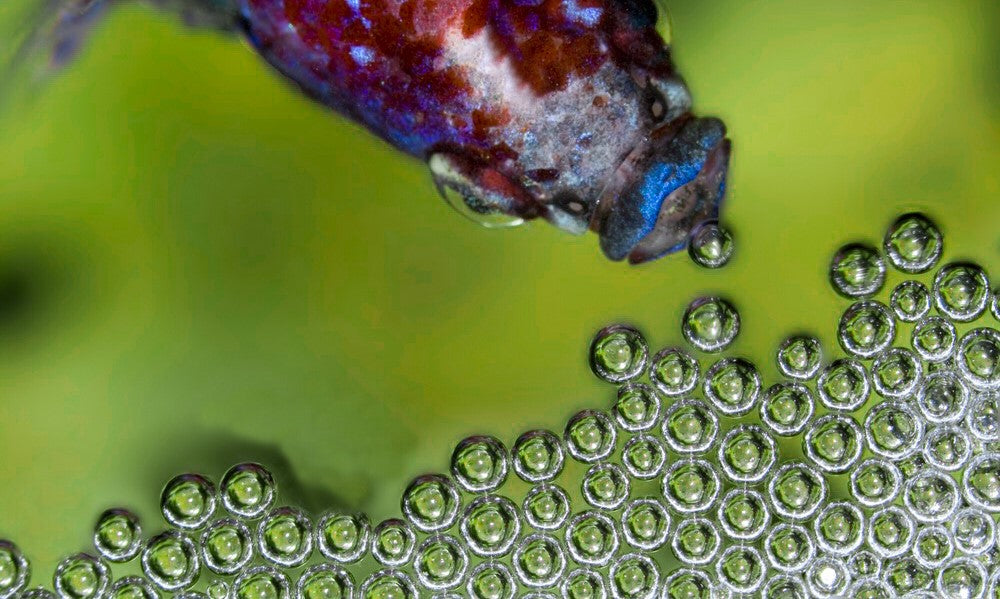
A Betta bubble nest is a cluster of tiny bubbles that a male Betta fish builds. These nests float on the water’s surface. They look like small foam patches or bubbles stuck together. The bubble nest plays an important role in the Betta’s breeding process.
Male Bettas create these nests to protect their eggs. The bubbles hold the eggs safely until they hatch. This natural behavior shows the Betta’s care for its future offspring.
What Does A Betta Bubble Nest Look Like?
The nest looks like a small, foamy patch on the water. It can be round or irregular in shape. The bubbles are shiny and fragile. Sometimes, the nest sticks to plants or tank walls. The size can vary from a few bubbles to a large cluster.
Why Do Bettas Build Bubble Nests?
Bettas build nests to keep their eggs safe. The bubbles trap air, helping eggs get oxygen. The nest also protects eggs from falling or floating away. It shows the male Betta’s readiness to breed and care for eggs.
When Does A Betta Build A Bubble Nest?
Bettas build nests mostly during breeding time. Good water conditions and a calm environment encourage nest building. Males often start nest building after they become mature. The process may happen even without a female nearby.
Credit: buceplant.com
Why Betta Fish Build Bubble Nests
Betta fish build bubble nests as part of their natural behavior. These nests play a key role in their breeding process. Male bettas create these floating clusters of bubbles on the water surface.
Bubble nests help protect eggs and young fish. They keep the eggs safe and oxygen-rich until they hatch. This behavior shows how bettas care for their offspring.
Breeding And Reproduction
Male bettas build bubble nests to attract females. The nest serves as a place for the female to lay eggs. After fertilization, the male places the eggs inside the nest. This process ensures the eggs stay together and protected.
Protection Of Eggs
The bubble nest acts as a shield for the eggs. It keeps them away from predators and harmful debris. The bubbles also hold moisture, preventing the eggs from drying out. This environment helps the eggs develop safely.
Oxygen Supply
Bubbles in the nest provide oxygen to the eggs. Oxygen is necessary for the eggs to grow and hatch properly. The male betta often repairs the nest to keep it healthy and full of bubbles.
Sign Of A Healthy Betta
Building a bubble nest shows the betta is healthy and active. It indicates good water conditions and proper care. A strong bubble nest means the betta is ready to breed and thrive.
How To Identify A Bubble Nest
Understanding how to identify a betta bubble nest helps you know your fish’s health and mood. Bubble nests are signs of a happy, healthy male betta. These nests show the fish is ready to breed or feels safe in its environment.
Bubble nests look like clusters of tiny bubbles floating on the water surface. Male bettas blow these bubbles using their mouths. The bubbles stick together, forming a foam-like structure.
Appearance Of The Bubble Nest
The bubble nest appears as a small pile of bubbles. It floats at the water’s surface. The bubbles are shiny and clear. Sometimes, the nest looks like a small raft or foam patch.
Location Of The Bubble Nest
Bubble nests usually form near plants or tank edges. Bettas choose calm spots in the aquarium. The nest stays close to the water surface for easy breathing.
Size And Shape Variations
Bubble nests vary in size from tiny spots to larger clusters. The shape depends on the tank setup and the fish’s behavior. A strong bubble nest is usually round and thick.
Signs Of An Active Bubble Nest
An active nest has fresh, tight bubbles. The betta guards the nest and adds bubbles often. Bubbles break or disappear if the fish is stressed or unhealthy.

Credit: www.godyears.net
Conditions That Encourage Nest Building
Betta fish build bubble nests as part of their natural breeding behavior. Certain conditions help trigger this fascinating activity. These factors create a safe and comfortable space for the betta to start nest building. Understanding these conditions can help you care better for your betta and enjoy watching its unique behavior.
Water Temperature
Warm water encourages bettas to build bubble nests. The ideal temperature is between 78°F and 82°F (25°C to 28°C). Cooler water can slow down or stop nest building. Consistent temperature helps bettas feel secure and ready.
Tank Environment
A calm and quiet tank promotes nest building. Bettas prefer still water with little disturbance. Floating plants or gentle decorations offer shelter. These features protect the bubble nest from breaking. A clean tank also helps the betta stay healthy and active.
Diet And Nutrition
Good nutrition supports nest building in bettas. Feeding high-quality food increases energy and health. Protein-rich diets, like live or frozen foods, boost breeding behavior. Regular feeding keeps the betta strong and ready to create a nest.
Bubble Nest And Betta Breeding
Betta fish are famous for their bright colors and flowing fins. Their bubble nests add to their charm. These nests play a key role in their breeding process. Understanding bubble nests helps in caring for bettas better.
Bubble nests are small clusters of bubbles on the water surface. Male bettas blow these bubbles using their mouth. The nests hold the eggs and protect the fry after hatching. This behavior shows the betta’s natural parenting instinct.
Role In Reproduction
The bubble nest acts as a safe place for eggs. After spawning, the male collects eggs in his mouth. He places them carefully inside the nest. The bubbles keep the eggs close to the water surface. This ensures they get enough oxygen to grow.
Bubble nests also protect eggs from predators and debris. The male guards the nest and keeps it intact. Without a bubble nest, eggs might sink or get lost. This nest is vital for successful betta breeding.
Male Betta Behavior
Male bettas build bubble nests during breeding time. They become more active and aggressive. This behavior signals their readiness to mate. The nest-building involves blowing bubbles and gathering plant material.
After the female lays eggs, the male takes charge. He gathers the eggs and places them in the nest. The male checks the nest often, repairing bubbles as needed. He stays near the nest to protect it from threats.
This dedicated care lasts until the eggs hatch. The male’s role is crucial in the early life of the fry. His efforts increase the chances of survival for the next generation.
Common Misconceptions About Bubble Nests
Bubble nests are a key part of Betta fish behavior. Many people misunderstand what these nests mean. These common misconceptions can confuse Betta owners. Knowing the truth helps you care for your fish better.
Is A Bubble Nest Always A Sign Of Breeding
Many think a bubble nest means the Betta wants to breed. Not always true. Male Bettas build nests to show comfort and health. Sometimes it is about territory, not breeding.
Only Male Bettas Build Bubble Nests
It’s often said only males make bubble nests. Females can also create small nests. But male nests are larger and more common. Both genders show nesting behavior in some cases.
Bubble Nests Mean The Fish Is Happy
A bubble nest may show comfort but not always happiness. A stressed Betta can still build a nest. Watch other signs like swimming and eating habits. A nest alone does not guarantee well-being.
Bubbles In The Tank Are Always From The Betta
Bubbles can come from filters or plants, not just Bettas. Don’t confuse air bubbles with bubble nests. Betta nests are clusters of bubbles on the water surface. Check carefully before you decide.
Destroying A Bubble Nest Harms The Betta
Breaking a bubble nest is not always harmful. Bettas often rebuild nests quickly. It might cause mild stress but no lasting damage. Avoid destroying nests if possible, but don’t panic if it happens.
Troubleshooting Bubble Nest Issues
Troubleshooting bubble nest issues helps keep your Betta fish happy and healthy. Bubble nests show that your Betta feels safe and ready to breed. Sometimes, nests do not appear or get destroyed. Understanding why this happens helps you fix the problem quickly.
Why No Nest Is Built
Your Betta may not build a nest for many reasons. Stress is a common cause. Loud noises or sudden movements can scare your fish. Poor water quality also stops nest building. Check water temperature and cleanliness. Bettas need about 78 to 80 degrees Fahrenheit. Low temperatures slow their activity and nest building. Illness or injury may keep your Betta from making a nest. Watch for signs of sickness like clamped fins or slow swimming.
Nest Destruction Causes
Bubble nests can break down for several reasons. Strong water currents often destroy nests quickly. Bettas prefer calm water to build nests. Other fish in the tank may damage the nest. They might swim through it or eat the bubbles. Your Betta might also break the nest during fights or stress. Keep the tank peaceful and avoid sudden changes. Regularly check the tank environment to protect the nest.

Credit: www.reddit.com
Maintaining A Healthy Environment For Bubble Nests
Betta fish build bubble nests to protect their eggs. Keeping the environment healthy helps these nests stay strong. A stable, clean tank makes your betta feel safe. This encourages bubble nest building and fish health. Small changes can make a big difference in your tank.
Water Quality Tips
Check the water temperature daily. Betta fish prefer 76-82°F (24-28°C). Keep the water clean by changing 25% weekly. Use a water conditioner to remove chlorine. Test water for ammonia, nitrites, and nitrates. Keep ammonia and nitrites at zero. Nitrates should stay below 20 ppm. Avoid strong water currents that break nests. Soft, slightly acidic to neutral pH (6.5-7.5) works best.
Tank Setup Recommendations
Use a tank of at least 5 gallons. Add plants or floating leaves for shelter. Choose smooth decorations to avoid fin damage. Place a gentle filter to keep water clean. Leave enough surface space for bubble nests. Maintain low lighting to reduce stress. Avoid sudden noises or vibrations near the tank. Provide a quiet, calm area for your betta.
How Smart Pets Lover Can Help You with Betta Bubble Nest
Turning Betta Bubble Nest Observations into Learning Moments
Watching your Betta build a bubble nest is not just fascinating—it’s a wonderful opportunity to deepen your understanding of your fish’s natural behavior. By observing the nest’s size and structure, you can gain insights into the conditions your Betta prefers, linking directly to what we’ve discussed about conditions that encourage nest building and maintaining a healthy environment for bubble nests. This hands-on observation helps you fine-tune water temperature, cleanliness, and tank setup to support your Betta’s wellbeing.
For pet parents eager to expand their knowledge, keeping a journal of your Betta’s nesting habits or even taking photos can reveal patterns over time. It’s a practical, research-backed approach that aligns with Smart Pets Lover’s mission to empower pet owners with confidence and connection. If questions arise or you want to share your experiences, connecting with communities or experts via [email protected] can be a helpful next step.
Remember, each bubble nest tells a story—by paying attention, you’re building a stronger bond with your Betta, making pet care both rewarding and insightful.
Frequently Asked Questions
What Is A Betta Bubble Nest?
A betta bubble nest is a cluster of bubbles built by male bettas. It forms on the water surface. This nest is essential for breeding and protecting eggs.
Why Do Bettas Build Bubble Nests?
Bettas build bubble nests to prepare for mating. The nest holds and protects fertilized eggs. It ensures better survival chances for the fry.
How To Encourage Bettas To Build Bubble Nests?
Keep water calm and warm, between 78-80°F. Provide floating plants for support. A stress-free environment helps stimulate nest building.
What Does A Bubble Nest Indicate About Betta Health?
A bubble nest shows a healthy, happy male betta. It means good water quality and proper care. No nest might signal stress or illness.
Conclusion
Betta bubble nests show healthy fish behavior and good tank conditions. Watch for bubble nests to know your Betta feels safe and happy. Keep water clean and provide calm surroundings to support nesting. Remember, bubble nests are a natural sign of Betta’s well-being.
Enjoy caring for your Betta and observing these small, fascinating bubbles. They tell a story of life and care in your aquarium. Simple steps help your Betta thrive every day.