Best Ways To Raise The Ph Of Your Aquarium
Is your aquarium water feeling a bit off? If you’ve noticed your fish acting strange or your plants looking dull, the pH level might be the hidden culprit.
Raising the pH of your aquarium is crucial to creating a healthy environment for your aquatic friends. But how do you do it safely and effectively? You’ll discover the best ways to raise the pH of your aquarium without risking harm to your fish or plants.
Keep reading, and you’ll learn simple, practical tips that anyone can follow to keep your tank thriving. Your fish will thank you!
Causes Of Low Ph In Aquariums
Maintaining the right pH level in your aquarium is key to a healthy underwater environment. Low pH means the water is too acidic. This can harm fish and plants. Understanding what causes low pH helps you keep your aquarium balanced and safe.
Common Factors Lowering Ph
Organic waste from uneaten food and fish droppings breaks down and releases acids. This process lowers the pH. Over time, this acid buildup makes the water more acidic. Poor water changes allow these acids to accumulate.
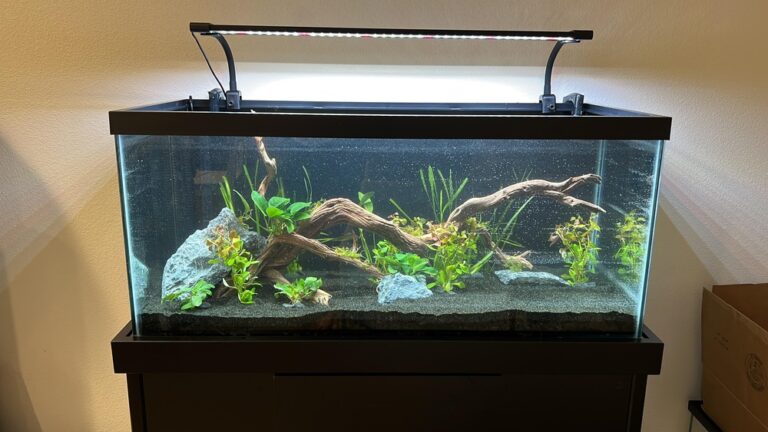
Driftwood and certain rocks release natural acids into the water. These materials can lower pH if they are not treated before use. Soft water with low mineral content also struggles to keep pH stable.
CO2 buildup from fish respiration and plant decay can increase acidity. Without good aeration, carbon dioxide stays dissolved in water. This leads to a drop in pH over time.
Effects On Fish And Plants
Low pH stresses fish by affecting their breathing and metabolism. Sensitive species may become sick or die. Acidic water can damage fish skin and gills. It also reduces their ability to fight diseases.
Plants may struggle to absorb nutrients in low pH water. This slows growth and weakens them. Some plants may even die if acidity stays too high. A stable pH keeps both fish and plants healthy.
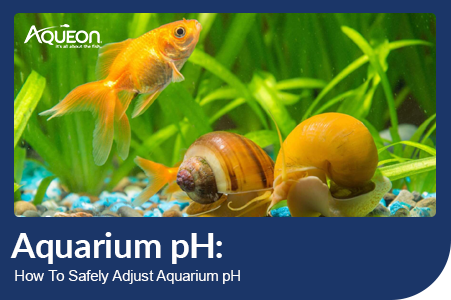
Credit: www.aqueon.com
Testing Aquarium Ph Levels
Testing aquarium pH levels is essential for healthy fish and plants. It helps you know if the water is too acidic or too alkaline. Maintaining the right pH keeps your aquarium environment stable and safe.
Regular testing prevents sudden changes that can stress or harm your aquatic life. It is a simple task but very important for long-term success. Using the right tools and methods ensures accurate results.
Choosing The Right Test Kits
Select test kits that are easy to use and reliable. Liquid test kits and test strips are common options. Liquid kits often provide more accurate results than strips. Choose kits designed specifically for aquariums. Check the expiration date to ensure the chemicals are effective. Consider kits that measure pH in small increments for better precision.
How To Test Accurately
Use clean containers to collect water samples from your aquarium. Test water at room temperature to avoid false readings. Follow the test kit instructions carefully for best results. Avoid touching the test strip or liquid with dirty hands. Repeat tests at different times to confirm pH consistency. Record your results to track changes over days or weeks.
Natural Methods To Raise Ph
Natural methods to raise the pH of your aquarium create a balanced and healthy environment. These methods use substances and plants found in nature. They work slowly and safely, helping fish and plants thrive. Using natural ways avoids harsh chemicals and sudden changes in water quality.
Natural methods help keep your aquarium stable. Stability is key for fish health. Small changes over time prevent stress and illness. These methods are easy to apply and cost-effective. They also improve water clarity and reduce harmful acids.
Adding Crushed Coral Or Limestone
Crushed coral and limestone slowly raise aquarium pH. They release calcium carbonate into the water. This substance neutralizes acids and increases hardness. Add a small amount to your filter or substrate. Avoid large amounts to keep changes gradual. This method keeps pH steady and supports fish with hard water needs.
Using Baking Soda Safely
Baking soda raises pH quickly but must be used with care. Dissolve a small amount in water before adding. Add gradually and test water pH after each dose. This avoids sudden spikes that stress fish. Baking soda also buffers water, keeping pH steady longer. Use only small doses for minor adjustments.
Incorporating Aquatic Plants
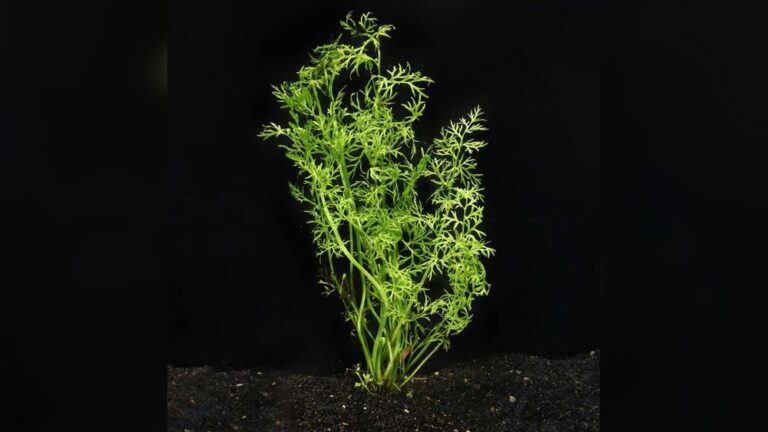
Aquatic plants help balance pH naturally. They absorb carbon dioxide and reduce acidity. Plants like hornwort and anacharis are good choices. They grow fast and improve water quality. Plants also provide oxygen and shelter for fish. A planted tank stays healthier and more stable over time.
Chemical Solutions For Ph Adjustment
Chemical solutions offer a quick and effective way to raise the pH of your aquarium water. These products are designed to balance the water’s acidity and create a healthy environment for your fish. Using chemicals can help maintain stable pH levels, which is important for fish health and plant growth.
Choosing the right chemical solution depends on your aquarium size and the current pH level. Many products come ready to use and are safe for most freshwater tanks. Always follow the instructions carefully to avoid sudden changes that can stress your fish.
Commercial Ph Increasers
Commercial pH increasers are widely available at pet stores and online. They usually contain compounds like sodium bicarbonate or potassium carbonate. These chemicals gently raise the pH without harming the fish or plants.
Most products come in liquid, powder, or tablet form. Liquids mix quickly and spread evenly throughout the tank. Powders and tablets may take longer but offer a controlled release of pH-adjusting agents.
Dosage And Frequency Guidelines
Always measure your aquarium water before adding chemicals. Use a test kit to check the current pH level. Add the pH increaser slowly to avoid sudden spikes.
Start with a small dose and wait 24 hours to see the effect. Repeat dosing only if the pH stays below the target range. Overdosing can harm fish and cause algae growth.
Regular monitoring is key. Test your water every few days after treatment. Adjust the amount and frequency based on test results and fish behavior.
Water Change Techniques
Maintaining stable pH levels in your aquarium is essential for healthy fish and plants. Sudden changes can stress your aquatic life and cause health problems. A consistent pH creates a safe and balanced environment. Understanding how to keep pH steady helps your aquarium thrive.
Monitoring And Regular Testing
Check your aquarium’s pH frequently using a reliable test kit. Regular testing helps you spot changes early. Record your readings to see trends over time. This practice allows quick action before problems arise. Monitoring keeps the water safe for your fish and plants.
Avoiding Sudden Ph Swings
Make changes slowly to avoid shocking your aquarium. Large or fast pH shifts harm fish and beneficial bacteria. Use water conditioners or buffers carefully and in small amounts. Maintain stable temperature and avoid adding too many new decorations or plants at once. Steady pH helps your aquarium stay healthy and balanced.
Credit: www.aqueon.com
Maintaining Stable Ph Levels
Raising the pH of your aquarium seems simple but many make common mistakes. These errors can harm your fish and plants. Avoiding them keeps your tank healthy and balanced.
Overcorrecting Ph
Many rush to fix pH and add too much pH increaser. This causes big swings in water chemistry. Sudden changes stress fish and can cause death. Make small changes slowly over time. Test the water often to check progress. Patience keeps your aquarium stable and safe.
Ignoring Water Hardness
Water hardness affects how pH changes in your tank. Soft water cannot hold pH well and drops quickly. Hard water buffers pH and keeps it steady. Ignoring hardness leads to wrong treatments and pH swings. Test hardness and adjust treatments for your water type. This helps maintain a steady pH level.

Credit: www.youtube.com
How Smart Pets Lover Can Help You with Best Ways To Raise The Ph Of Your Aquarium
Learning Through Care: Practical Steps to Stabilize Your Aquarium’s pH
Understanding how to raise the pH of your aquarium isn’t just about quick fixes—it’s about nurturing a healthy, balanced environment for your aquatic friends. As we’ve explored, causes of low pH can vary, and testing your aquarium pH levels regularly is a simple yet essential habit that every responsible pet parent should embrace. This hands-on approach lets you observe changes firsthand and fine-tune your methods accordingly.
Natural methods like adding crushed coral or adjusting water change techniques can teach you a lot about the delicate chemistry of your tank. These practical learning opportunities help build confidence in managing your aquarium’s stability, reducing the chances of common mistakes that can upset your fish’s well-being.
At Smart Pets Lover, we believe every pet parent deserves clear, trustworthy guidance that turns care into connection. Should you want to discuss your aquarium’s unique needs or share your experiences, feel free to reach out at [email protected]. After all, where every wag, purr, and chirp tells a story—your fish’s health is part of that beautiful narrative.
Frequently Asked Questions
How Can I Naturally Raise My Aquarium’s Ph?
You can raise pH naturally by adding crushed coral or limestone to the filter. These materials slowly release calcium carbonate, which increases pH. Additionally, regular water changes with harder water help maintain stable pH levels.
What Household Items Increase Aquarium Ph Safely?
Baking soda is a common household item that safely raises aquarium pH. Use it sparingly by dissolving small amounts in water before adding. Avoid overuse, as sudden pH spikes can stress fish.
Does Adding Aquarium Plants Affect Ph Levels?
Yes, some plants like Java Fern can slightly raise pH by absorbing CO2. However, most plants tend to lower pH by releasing organic acids. Choose plants carefully based on your desired pH balance.
How Often Should I Test Ph When Adjusting It?
Test your aquarium pH daily during adjustments to monitor changes. Frequent testing helps prevent sudden shifts, ensuring a stable environment for your fish. Use reliable test kits for accurate results.
Conclusion
Raising your aquarium’s pH helps keep fish healthy and happy. Test water regularly to track changes. Use natural methods like adding crushed coral or baking soda. Avoid sudden shifts to protect your fish. Small steps make a big difference over time.
Keep learning and adjust as needed. Your aquarium will thrive with steady care. Simple actions lead to a balanced tank environment. Enjoy watching your aquatic life flourish in clear, clean water.