Best Home Aquarium
Are you thinking about adding a splash of life and color to your home? A home aquarium could be the perfect way to do just that.
Imagine watching vibrant fish glide through crystal-clear water, bringing calm and beauty to your space every day. But with so many options out there, how do you find the best home aquarium that fits your needs and style? You’ll discover simple tips and expert advice to help you choose the perfect aquarium.
Keep reading to transform your home into a peaceful underwater haven you’ll love.
Choosing The Right Aquarium
Choosing the right aquarium is the first step to creating a beautiful home aquarium. The right tank fits your space, suits your fish, and matches your style. Understanding key factors helps you pick a tank that works well for your needs.
Consider size, shape, materials, and where you place the aquarium. Each factor affects the health of your fish and the tank’s appearance.
Tank Sizes And Shapes
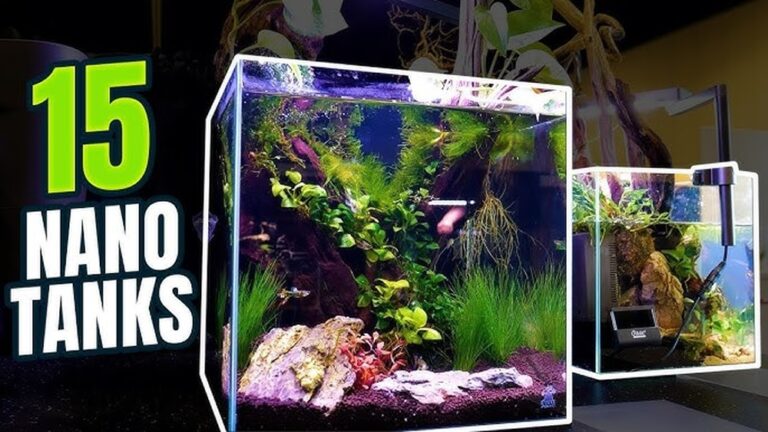
Tank sizes range from small to very large. Small tanks suit beginners or small spaces. Large tanks offer more room for fish and plants. Shapes include rectangle, cube, and bow front. Rectangles fit most rooms. Cubes are modern and compact. Bow fronts add style and extra viewing space.
Material Options
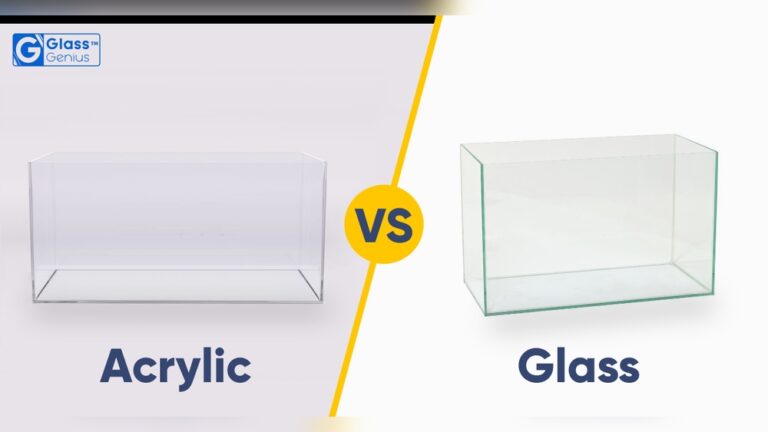
Glass and acrylic are common materials. Glass is clear and scratch-resistant. Acrylic is lighter and less likely to break. Acrylic tanks can be shaped in curves. Both materials keep water safe. Choose based on weight, durability, and budget.
Placement Tips
Place the tank on a strong, flat surface. Avoid direct sunlight to stop algae growth. Keep it away from heat sources and drafts. Make sure there is easy access for cleaning and feeding. Position near an electrical outlet for equipment.
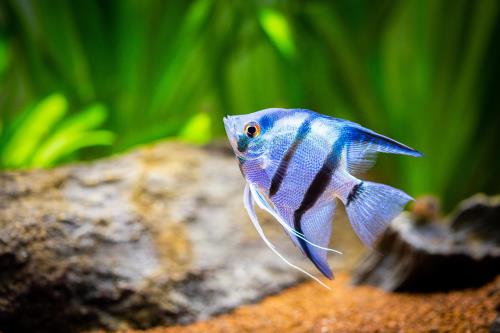
Credit: www.aqueon.com
Essential Equipment
Setting up a home aquarium requires the right equipment. This gear keeps your fish healthy and your tank clean. Essential equipment supports a stable environment. It helps your aquarium thrive.
Filtration Systems
Filtration removes waste and toxins from the water. It keeps the tank water clear and safe. There are three types: mechanical, chemical, and biological filters. Mechanical filters trap debris. Chemical filters remove harmful chemicals. Biological filters use good bacteria to break down waste. Choose a filter suitable for your tank size. Regular cleaning of filters is important for best results.
Lighting Choices
Lighting affects fish behavior and plant growth. LED lights are energy-efficient and last long. They offer different colors and intensities. Some fish need dim light, others need bright light. Aquarium lights should mimic natural day and night cycles. Timers help maintain consistent lighting schedules. Proper lighting enhances the tank’s beauty and health.
Heating Solutions
Most tropical fish need warm water to survive. Aquarium heaters keep water at a steady temperature. Choose a heater based on tank size and fish type. Submersible heaters work well for even heat distribution. Use a thermostat to avoid overheating. Check heater settings regularly for safety. Stable temperature reduces fish stress and illness.
Selecting Fish Species
Selecting the right fish species is key to a healthy home aquarium. The choice affects tank size, water conditions, and care needs. Fish vary in size, behavior, and compatibility. Knowing these details helps create a balanced environment. This section covers beginner-friendly fish, community fish options, and specialty or exotic fish.
Beginner-friendly Fish
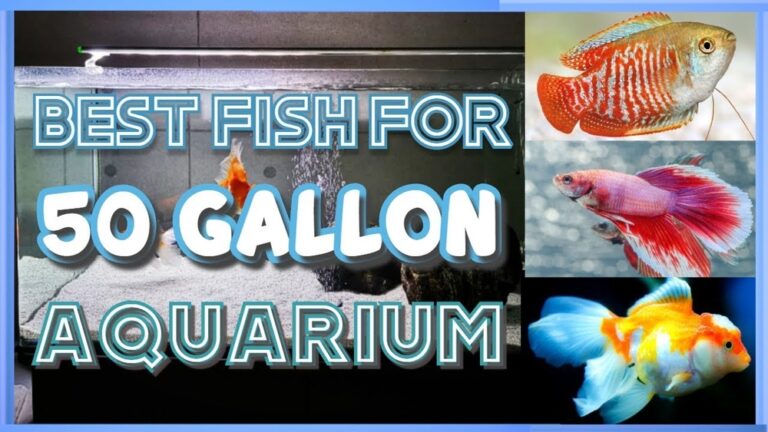
Some fish are easier to care for and adapt well to new tanks. They tolerate a range of water conditions and are hardy. Examples include guppies, bettas, and zebra danios. These fish need less maintenance and are good for beginners. They also show bright colors and active behavior, making the tank lively.
Community Fish Options
Community fish live peacefully with other species. They prefer similar water conditions and diets. Tetras, mollies, and corydoras catfish are popular choices. These fish add variety and movement to the tank. They need enough space to avoid stress and aggression. Careful selection avoids conflicts and ensures harmony.
Specialty And Exotic Fish
Specialty fish offer unique colors and shapes. They often require specific water parameters and diets. Examples are discus, angelfish, and some cichlids. Exotic fish need more experience and careful tank management. They can be the highlight of an aquarium but need extra attention. Always research their needs before adding them to your tank.
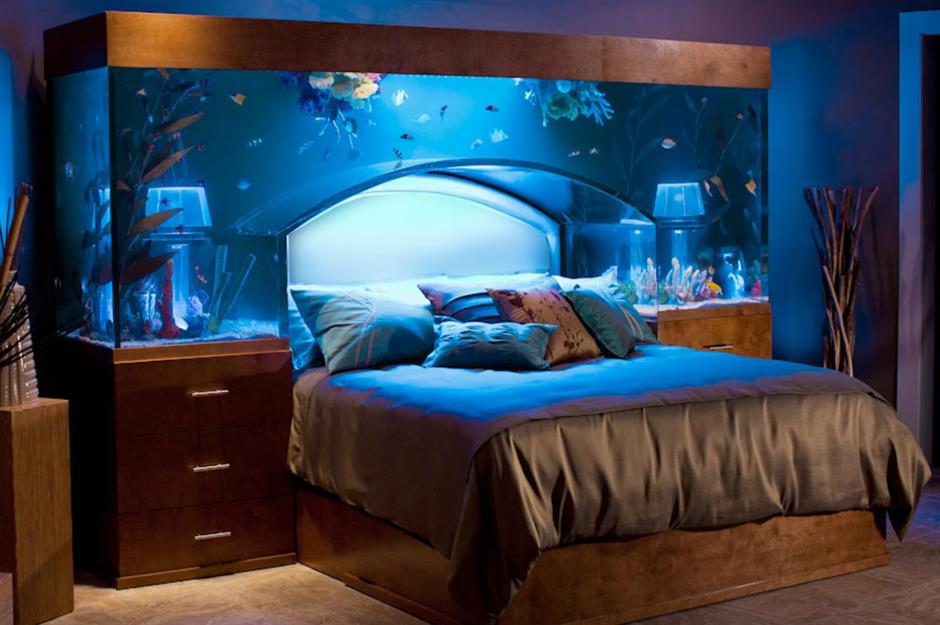
Credit: www.loveproperty.com
Aquarium Setup And Decoration
Setting up a home aquarium is exciting and rewarding. The right setup helps fish stay healthy and happy. Decoration adds beauty and creates a peaceful environment. Careful choices make your aquarium look natural and inviting.
Focus on three main parts: substrate, plants and ornaments, and creating natural habitats. Each part plays a key role in the tank’s success.
Substrate Selection
Substrate is the material covering the tank bottom. It can be gravel, sand, or special soil. Choose substrate based on your fish and plants. Some fish like digging in sand. Plants need nutrient-rich soil to grow well. Keep the substrate clean to avoid bad smells and disease.
Plants And Ornaments
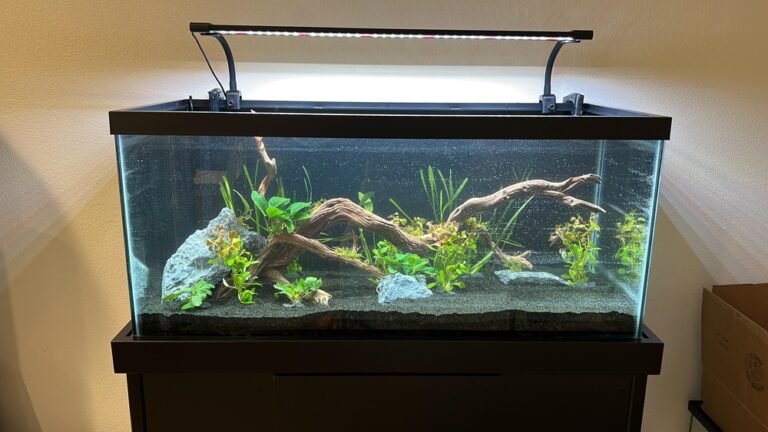
Plants add color and oxygen to the water. Live plants help keep water clean by absorbing waste. Fake plants need less care but do not improve water quality. Ornaments like rocks and driftwood create hiding spots. These decorations make fish feel safe and reduce stress.
Creating Natural Habitats
Try to copy the fish’s natural environment. Use similar plants, rocks, and substrate. Arrange decorations to give open swimming areas and hiding places. This setup helps fish behave normally and stay healthy. A natural look also makes your aquarium more beautiful to watch.
Water Quality Management
Water quality management is crucial for a healthy home aquarium. It keeps fish safe and happy. Poor water quality can cause stress and disease. Regular care helps maintain a stable environment for aquatic life.
Testing Water Parameters
Testing water regularly shows its health. Check pH, ammonia, nitrite, and nitrate levels. Use simple test kits available online or at stores. Keep readings within safe ranges for your fish species. Testing helps spot problems early. Adjust water conditions before harm occurs.
Maintaining Clean Water
Clean water supports fish health and growth. Change 10-20% of water weekly. Use a siphon to remove debris from gravel. Avoid overfeeding; leftover food pollutes water. Use a good filter to trap waste and toxins. Clean filter parts monthly without harsh chemicals.
Dealing With Algae
Algae can grow fast and spoil water quality. Control light exposure to limit algae growth. Remove visible algae with a scraper or sponge. Add algae-eating fish or snails for natural control. Avoid excess nutrients by not overfeeding. Regular water changes reduce algae buildup.
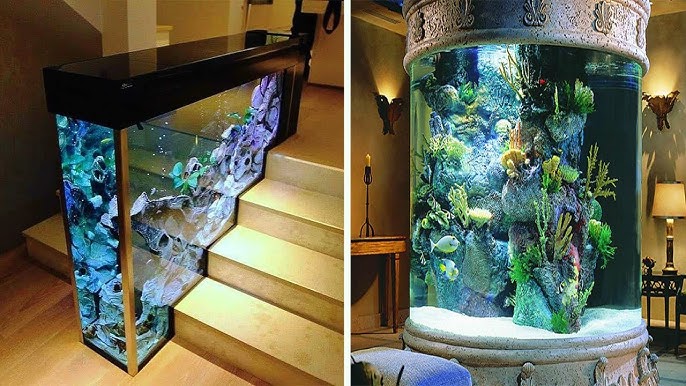
Credit: www.youtube.com
Feeding And Care
Proper feeding and care are key to a healthy home aquarium. Fish need the right food and clean water. Care routines help fish stay strong and live longer. Understanding their diet and health needs makes your aquarium a beautiful, lively space.
Dietary Needs
Different fish eat different foods. Some like flakes, others prefer pellets or frozen food. Carnivores eat meat-based food. Herbivores need plant-based food. Omnivores eat both. Choose food that matches your fish’s type. Fresh, high-quality food keeps fish healthy.
Feeding Schedules
Feed fish small amounts twice a day. Avoid overfeeding; it pollutes the water. Remove leftover food after 5 minutes. Young fish may need more frequent feeding. Consistent timing helps fish develop good habits. A regular schedule reduces stress and illness.
Health Monitoring
Watch fish daily for signs of illness. Look for changes in color, behavior, or appetite. Cloudy eyes or spots can mean disease. Keep water clean and check temperature often. Quarantine new fish before adding them to the tank. Early care prevents serious problems.
Troubleshooting Common Issues
Setting up a home aquarium is exciting. Sometimes, problems arise that need quick attention. This guide helps identify and solve common issues. It keeps your fish healthy and your tank clean. Regular checks and timely actions prevent bigger troubles. Understanding common problems saves time and money. Let’s explore common challenges and their fixes.
Fish Diseases
Fish can get sick from poor water quality or stress. Watch for signs like spots, unusual swimming, or loss of appetite. Quarantine new fish before adding them to the tank. Use appropriate medication if disease appears. Maintain clean water and stable temperature to prevent sickness. Regular water changes reduce harmful bacteria and parasites.
Equipment Failures
Equipment like filters, heaters, and lights may stop working. Check power connections and settings frequently. Clean filters to avoid blockages and poor water flow. Replace worn or broken parts immediately. Keep spare equipment ready for emergencies. Proper equipment ensures a stable environment for fish.
Behavioral Problems
Fish behavior shows their health and comfort. Signs include aggression, hiding, or lethargy. Overcrowding causes stress and fights. Provide enough space and hiding spots for each fish. Adjust feeding amounts and schedules to avoid hunger or overfeeding. Calm water and consistent routine help fish feel safe.
Enhancing Aquarium Experience
Enhancing the aquarium experience makes fishkeeping more fun and less stressful. Small changes can improve fish health and tank beauty. Understanding key tools and methods helps create a peaceful underwater world.
Automated Systems
Automated systems save time and keep water conditions stable. Timers control lights to mimic day and night cycles. Automatic feeders provide food at regular times. Filters and pumps run continuously to keep water clean. These systems reduce manual work and prevent mistakes.
Aquascaping Techniques
Aquascaping shapes the tank’s look using plants, rocks, and wood. Arranging items creates natural hiding spots for fish. Different plants add color and oxygen to the water. A good layout balances open space with decoration. Simple designs look neat and help fish swim freely.
Community And Support
Joining aquarium groups connects you with other hobbyists. Sharing tips solves common problems faster. Online forums and local clubs offer advice on fish care. Learning from others improves your skills and confidence. Supportive communities make the hobby more enjoyable.
How Smart Pets Lover Can Help You with Best Home Aquarium
Learning Through Your Best Home Aquarium Journey
Setting up the best home aquarium isn’t just about creating a beautiful underwater world—it’s a fantastic opportunity to learn and grow as a pet parent. From mastering water quality management to selecting fish species that thrive together, each step invites hands-on experience and deeper understanding. As you navigate aquarium setup and decoration, you’ll develop an eye for detail and patience, essential qualities that extend beyond fish care.
At Smart Pets Lover, we believe every interaction with your aquatic friends can strengthen your connection and confidence. Observing fish behavior and troubleshooting common issues teaches problem-solving and empathy, enriching your relationship with your pets. If questions arise, remember that reaching out to trusted pet care communities or experts can provide valuable insights and support—helping you create a thriving, happy aquarium environment.
Enjoy the journey where every bubble and ripple tells a story of learning and love.
Frequently Asked Questions
What Size Aquarium Is Best For Beginners?
A 20-gallon aquarium is ideal for beginners. It balances space for fish and ease of maintenance well. This size allows stable water conditions, making it easier to care for your fish and plants.
How Do I Choose The Best Fish For My Home Aquarium?
Choose fish based on tank size, compatibility, and water conditions. Research species that thrive together and suit your aquarium environment. Start with hardy fish to ensure a successful setup.
What Equipment Is Essential For A Home Aquarium?
Basic equipment includes a tank, filter, heater, lighting, and air pump. These maintain water quality, temperature, and oxygen levels. Proper equipment ensures a healthy environment for your aquatic life.
How Often Should I Clean My Home Aquarium?
Clean your aquarium every 2-4 weeks. Partial water changes and gravel vacuuming keep the environment healthy. Avoid complete cleaning to preserve beneficial bacteria in the tank.
Conclusion
Choosing the best home aquarium brings calm and beauty to any space. Fish care is simple with the right setup and tools. A good aquarium fits your room and your lifestyle. Clean water and regular feeding keep fish happy and healthy.
Enjoy watching colorful fish swim and plants grow. A home aquarium offers peace and a chance to learn. Start small, learn as you go, and enjoy the journey. Your perfect aquarium awaits, ready to brighten your home.