Best Betta Food
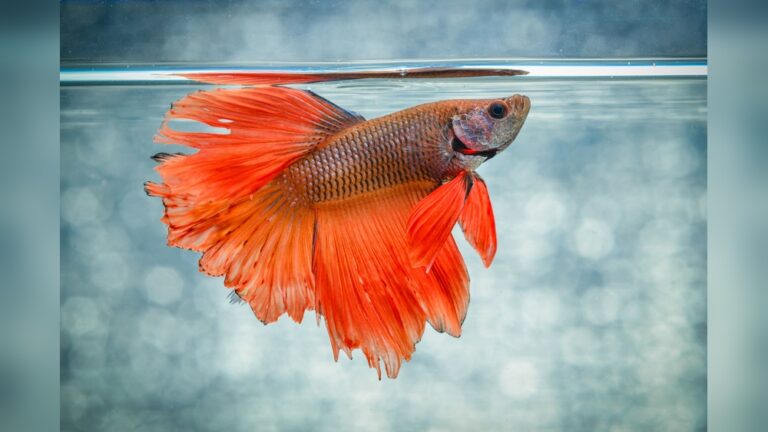
If you want your betta fish to thrive and show off its vibrant colors, choosing the best betta food is key. What you feed your betta affects its health, energy, and lifespan more than you might think.
But with so many options out there, how do you know which one is right for your fish? You’ll discover the top foods that keep your betta happy and healthy. Keep reading to learn what makes a betta food truly the best—and how to avoid common mistakes that could harm your little swimmer.
Your betta deserves the best, and we’re here to help you give it just that.

Credit: innovatermia.es
Types Of Betta Food
Betta fish need a variety of foods to stay healthy and active. Different types of betta food provide essential nutrients and keep your fish interested in eating. Choosing the right food helps your betta grow strong and show vibrant colors.
Understanding the main types of betta food can help you feed your fish better. Each type has benefits and suits different feeding styles. Here are the most common types of betta food you can find.
Pellets And Flakes
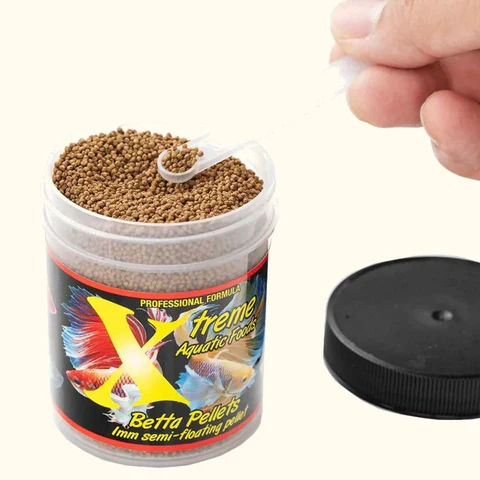
Pellets and flakes are the most popular betta foods. They are easy to find in pet stores and come in many formulas. Pellets sink slowly, so bettas can eat them comfortably. Flakes float on the surface, matching bettas’ natural feeding habits. Both types contain vitamins and proteins for betta health. Make sure to choose high-quality brands made specifically for bettas.
Frozen And Live Foods
Frozen and live foods provide natural nutrients and stimulate bettas’ hunting instincts. Bloodworms, brine shrimp, and daphnia are common choices. These foods improve betta vitality and color brightness. Live food encourages activity and mimics their wild diet. Frozen options are safe and easy to store. Feed these foods occasionally as treats or supplements to pellets.
Freeze-dried Options
Freeze-dried foods offer convenience and long shelf life. They include bloodworms, tubifex worms, and brine shrimp. Freeze-dried foods keep most nutrients intact but need soaking before feeding. This prevents digestive issues in bettas. These options are great for variety and special treats. Use freeze-dried foods along with pellets or flakes for balanced nutrition.
Credit: www.aquariumcoop.com
Nutritional Needs Of Bettas
Bettas need the right food to stay healthy and active. Their diet must match their natural needs. Good nutrition helps them show bright colors and strong fins. It also supports their energy and immune system.
Choosing food that fits these needs keeps bettas happy and alive longer. Understanding what bettas require helps you pick the best betta food.
Protein Requirements
Bettas are carnivores and need high protein levels. Their food should contain at least 40% protein. Protein helps build muscles and repair tissues. Live or frozen foods like brine shrimp work well. Avoid low-protein foods that can harm their health.
Vitamins And Minerals
Vitamins and minerals keep bettas strong and healthy. Vitamin A and C support their immune system. Minerals like calcium help build bones and fins. A balanced diet with these nutrients prevents diseases and stress.
Avoiding Fillers
Fillers like wheat or corn add no real nutrition. These ingredients can cause digestive problems in bettas. Choose foods without fillers for better health. High-quality betta food focuses on protein and nutrients only.
Top Brands For Betta Food
Choosing the best food for your betta fish is important for its health and color. Many brands offer quality options. Some focus on premium ingredients, while others balance cost and nutrition. Organic choices provide natural nutrients without chemicals. Understanding these categories helps pick the right food for your betta.
Premium Choices
Premium betta foods use high-quality ingredients. They often contain real fish or shrimp meal. These foods support strong immune systems and vibrant colors. Brands like Hikari and Omega One lead this category. Their products float well and have balanced nutrition. Feeding premium food helps bettas thrive and stay active.
Affordable Options
Affordable betta foods provide good nutrition at a low price. They use simpler ingredients but keep protein levels high. Brands like Aqueon and Tetra offer budget-friendly pellets and flakes. These foods work well for daily feeding. They keep bettas healthy without costing much. Great for beginners or multiple fish owners.
Organic And Natural Brands
Organic betta foods avoid artificial additives and fillers. They use plant-based and natural protein sources. Brands like New Life Spectrum and Fluval focus on natural ingredients. Their foods help reduce fish stress and improve digestion. These brands suit owners wanting a chemical-free diet for their betta. Natural foods promote long-term fish health.

Credit: healthhairclinic.com
Feeding Tips For Healthy Bettas
Feeding your betta fish the right way helps keep it strong and happy. Proper feeding supports their colors and energy. It also prevents health problems and tank pollution. Follow these simple tips for healthy bettas.
Portion Control
Feed your betta small amounts at a time. Bettas have tiny stomachs. A pinch of food is enough per meal. Overfeeding can cause bloating and illness. Use tweezers or a spoon to measure food.
Feeding Frequency
Feed your betta once or twice a day. Consistency is key. Too many meals can stress your fish. Skip feeding one day each week to aid digestion. This helps keep your betta healthy and active.
Avoiding Overfeeding
Overfeeding leads to leftover food in the tank. This pollutes water and harms your fish. Watch your betta while feeding. Stop when it stops eating. Remove uneaten food quickly to keep water clean.
Homemade Betta Food Recipes
Homemade betta food recipes offer a fresh and healthy way to feed your fish. You control the ingredients and avoid fillers found in some store-bought foods. Preparing food at home can improve your betta’s color, energy, and health.
These recipes focus on protein, the main nutrient bettas need. Adding vegetables provides extra vitamins. Proper storage keeps the food safe and tasty.
Simple Protein Mixes
Start with high-protein ingredients like bloodworms, brine shrimp, or daphnia. You can use frozen or freeze-dried forms. Blend them with gelatin or agar powder to create small cubes or pellets. These mixes mimic natural prey and support strong muscles and growth.
Vegetable Additions
Add finely chopped peas, spinach, or zucchini to the protein mix. Vegetables add fiber and nutrients that improve digestion. Steam or blanch the veggies to soften them before mixing. Avoid strong-flavored vegetables that can upset your betta’s appetite.
Storage And Preparation
Store homemade food in airtight containers or ice cube trays. Keep it in the refrigerator for up to one week. Freeze portions for longer storage, up to one month. Thaw food before feeding and discard any leftovers to prevent spoilage.
How Smart Pets Lover Can Help You with Best Betta Food
Practical Learning: Feeding Your Betta with Confidence
Understanding the best betta food goes beyond just picking a brand or recipe; it’s about tuning into your fish’s unique nutritional needs and daily habits. As you explore types of betta food and homemade recipes, take this as a chance to observe how your betta responds—notice which foods keep those vibrant colors glowing and fins fluttering with energy. Feeding tips shared earlier can help you avoid overfeeding or nutritional gaps, making mealtime both healthy and enjoyable for your finned friend.
- Try rotating between pellet types and occasional homemade treats to keep variety and nutrition balanced.
- Keep a feeding journal to track what works best and adjust portions accordingly.
- Remember, a well-fed betta is a happy companion that thrives in your care.
At Smart Pets Lover, we believe every pet parent deserves to feel confident and connected through these small yet meaningful moments. If you ever need more tailored advice or product insights, reaching out to pet care communities or trusted resources can turn curiosity into caring action. After all, where every wag, purr, and chirp tells a story, your betta’s health is the next chapter worth writing.
Frequently Asked Questions
What Is The Best Food For Betta Fish?
The best food for betta fish is high-protein pellets or flakes designed for bettas. They provide essential nutrients and promote vibrant colors.
How Often Should I Feed My Betta Fish?
Feed your betta fish 2-3 times daily in small portions. Overfeeding can cause health problems and water pollution.
Can Bettas Eat Live Or Frozen Food?
Yes, bettas enjoy live or frozen foods like brine shrimp and bloodworms. These foods boost their nutrition and mimic natural diet.
Are Plant-based Foods Good For Bettas?
Betta fish are carnivores, so plant-based foods lack necessary protein. Avoid feeding mostly plant-based diet to keep them healthy.
Conclusion
Choosing the right betta food keeps your fish healthy and happy. Balanced nutrition helps bettas grow strong and show bright colors. Fresh and varied food supports their energy and immune system. Avoid overfeeding to prevent water problems and health issues.
Feeding regularly and with care creates a lively aquarium. Your betta deserves the best food for a long life. Simple steps lead to a thriving, beautiful fish tank. Take time to pick quality food and watch your betta thrive.