Best Aquarium Substrate
Choosing the best aquarium substrate can make a huge difference for your fish and plants. It’s not just about looks—your choice affects water quality, plant growth, and the overall health of your underwater world.
If you want a vibrant, thriving tank that catches everyone’s eye, you need to pick the right base. You’ll discover the top substrates that fit your needs, whether you’re a beginner or a seasoned aquarist. Keep reading to find out how to create the perfect home for your aquatic friends.
Credit: splashyfishstore.com
Types Of Aquarium Substrate
Choosing the right substrate for your aquarium is important. It affects the health of fish and plants. There are different types of substrates. Each type has its own benefits and uses. Understanding these can help create a beautiful and healthy tank.
Gravel
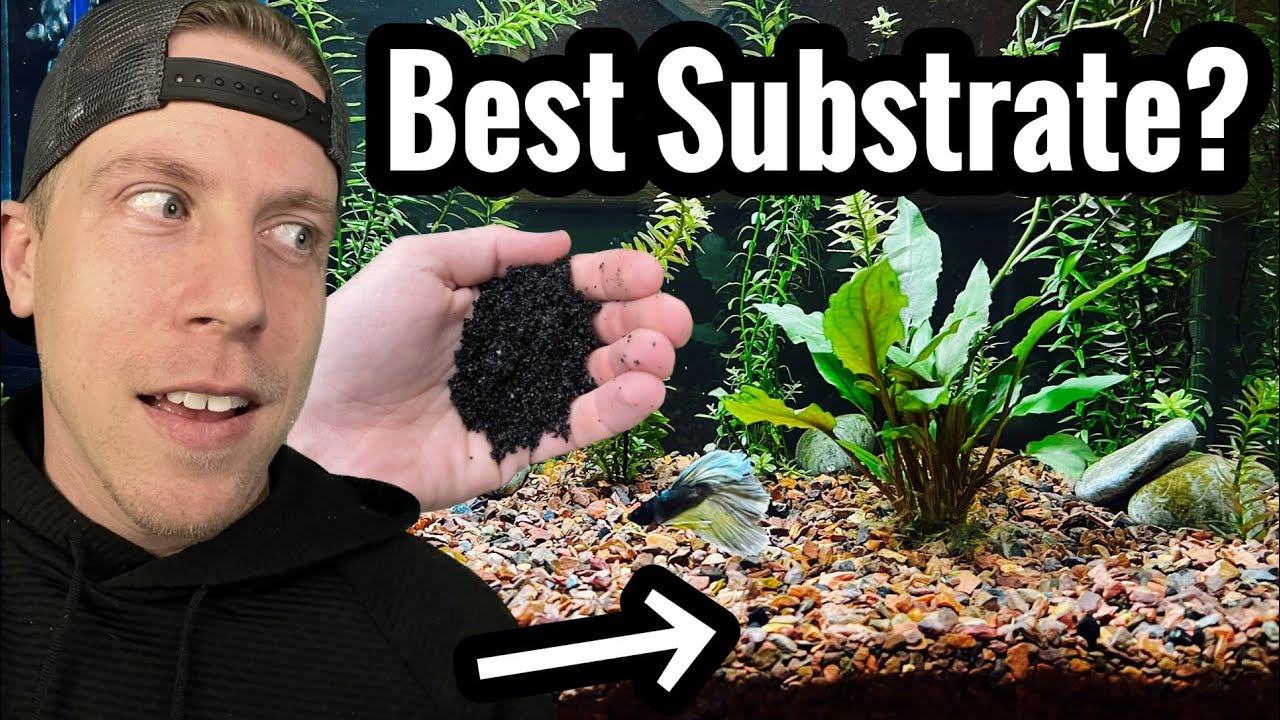
Gravel is the most common aquarium substrate. It comes in many colors and sizes. Gravel allows water to flow easily through it. It helps anchor plants and decorations. Fish like to dig and explore gravel. It is easy to clean and maintain.
Sand
Sand creates a natural look in aquariums. It is soft and smooth for fish to swim over. Small fish and bottom dwellers prefer sand. It can compact easily, so cleaning is important. Sand also works well for planted tanks.
Plant-specific Substrates
These substrates are made for live plants. They contain nutrients that help plants grow strong. They hold water and air well for roots. Plant-specific substrates improve plant health and tank beauty. They are usually darker in color.
Crushed Coral
Crushed coral raises the pH and hardness of water. It is good for saltwater and African cichlid tanks. The rough texture helps beneficial bacteria grow. It is not ideal for soft water fish. Crushed coral lasts a long time without breaking down.
Clay-based Substrates
Clay-based substrates are rich in minerals. They support plant growth and root development. Clay holds nutrients and releases them slowly. It improves water quality by reducing toxins. This substrate is natural and safe for most fish.
Choosing Substrate By Aquarium Type
Choosing the right substrate depends on the type of aquarium you have. Each aquarium type needs a specific substrate to support the fish and plants inside. The substrate affects water quality, fish health, and the overall look of the tank. Picking the best substrate helps create a healthy environment. It also makes your aquarium look natural and beautiful.
Freshwater Tanks
Freshwater tanks work well with sand or gravel substrates. Gravel is easy to clean and helps good bacteria grow. Sand provides a smooth surface for bottom fish. Both types allow water to flow well. Avoid sharp substrates to protect delicate fish.
Saltwater Tanks
Saltwater tanks need substrates that mimic the ocean floor. Crushed coral or aragonite sand is ideal. These substrates help keep pH levels stable. They also provide places for beneficial bacteria to live. Choose a substrate that supports marine life.
Planted Aquariums
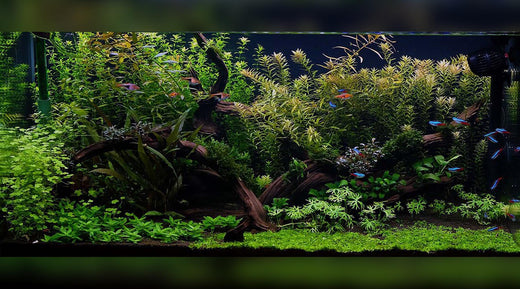
Planted tanks require nutrient-rich substrates. Special plant substrates contain minerals that plants need. They help roots grow strong and healthy. Fine gravel or sand can also work if supplemented with root tabs. Good substrate encourages lush plant growth.
Cichlid Tanks
Cichlids prefer sand or fine gravel substrates. These substrates allow cichlids to dig and create nests. Avoid sharp or large gravel that can hurt fish. The substrate should be easy to clean. It helps keep the water safe for these active fish.
Impact On Water Chemistry
The substrate in your aquarium does more than just look nice. It plays a big role in shaping the water chemistry. This affects the health of your fish and plants. Choosing the right substrate can help keep water conditions stable and safe. Let’s explore how substrate impacts key water chemistry factors.
Ph Levels
Some substrates can raise or lower the water’s pH. For example, crushed coral or limestone can increase pH by releasing calcium. On the other hand, peat or certain types of soil can lower pH by releasing acids. Stable pH is vital for fish health. Choosing a substrate that matches your fish’s pH needs is important.
Water Hardness
Water hardness depends on minerals like calcium and magnesium. Certain substrates add these minerals to the water, increasing hardness. This affects fish that prefer hard or soft water. Using substrates like aragonite can boost hardness for species like African cichlids. Soft substrates, like sand, keep hardness low for soft-water fish.
Nutrient Release
Some substrates release nutrients slowly into the water. This helps aquatic plants grow strong roots. Nutrient-rich substrates contain elements like iron and potassium. They provide a steady supply of food for plant roots. Avoid substrates that release too many nutrients too fast. It can cause algae growth and water problems.
:strip_icc()/SPR-Pets-aquarium-plant-substrates-1381191-01-880b4fa54cbd43fe98e2e8c92ad5a675-711dc05d7f1e45069dfe042a12106f26.jpeg)
Credit: www.thesprucepets.com
Benefits Of Using The Right Substrate
Choosing the right substrate for your aquarium matters a lot. It affects the health of plants, fish, and the overall tank environment. The right substrate creates a balanced home for aquatic life. It also makes your aquarium look better and feel natural. Below are key benefits of using the right substrate.
Promotes Plant Growth
The right substrate holds nutrients needed by plants. It allows roots to spread and absorb food easily. Plants grow stronger and healthier with good substrate. This helps keep the tank lively and green. Some substrates release minerals slowly for steady feeding.
Supports Beneficial Bacteria
Substrate offers space for helpful bacteria to live. These bacteria break down fish waste and keep water clean. A good substrate means better water quality and less smell. Healthy bacteria balance the tank’s ecosystem naturally. This reduces the need for frequent cleaning.
Enhances Aesthetic Appeal
Substrate adds color and texture to your aquarium. It creates a natural look like a riverbed or lake bottom. Fish feel comfortable in a well-designed environment. You can choose substrate to match your tank style. This makes your aquarium more enjoyable to watch.
Installation And Maintenance Tips
Installing and maintaining aquarium substrate is key to a healthy tank. Proper care helps plants grow and keeps fish happy. Follow these simple tips to get the best results.
Layering Techniques
Start with a nutrient-rich base layer for plant roots. Use finer substrate on top for a natural look. Avoid mixing layers to keep nutrients from leaking. Spread substrate evenly to prevent water flow issues. Use about 1 to 2 inches depth for most tanks.
Cleaning Methods
Clean substrate gently to protect beneficial bacteria. Use a gravel vacuum during water changes. Remove debris without disturbing the whole substrate. Avoid over-cleaning, which can harm tank balance. Spot clean areas with visible waste or buildup.
Replacing Substrate
Replace substrate every 1 to 2 years for best results. Remove fish and plants carefully before changing substrate. Clean the tank walls and decorations during this process. Add fresh substrate in thin layers to avoid compaction. Reintroduce plants and fish slowly to reduce stress.
Common Mistakes To Avoid
Choosing the right substrate is key to a healthy aquarium. Many beginners make mistakes that can harm fish and plants. Avoiding these errors helps create a balanced tank. Learn the common mistakes to avoid for a better aquarium setup.
Choosing Incompatible Substrates
Not all substrates suit every aquarium type. Some substrates change water chemistry, harming fish. Avoid substrates that raise or lower pH if your fish need stable water. Gravel meant for freshwater might not work in saltwater tanks. Always match substrate to your tank’s environment.
Overlooking Particle Size
Particle size affects plant roots and fish comfort. Large gravel can trap waste and dirt easily. Fine sand can compact and block water flow. Choose a particle size that fits your plants’ root needs. Also, consider fish that like digging or burrowing.
Ignoring Fish And Plant Needs
Fish and plants have different substrate needs. Some plants need nutrient-rich soil to grow well. Other fish prefer smooth sand to avoid injury. Not matching substrate to their needs can cause stress or poor growth. Know your tank’s inhabitants before picking substrate.
Popular Brands And Products
Choosing the right substrate is key for a healthy aquarium. Popular brands offer many options suited for different tank types and fish. They provide quality, safety, and ease of use.
These brands focus on natural materials that help plants grow and keep water clean. Many products come in various colors and grain sizes. This variety lets you create the perfect look for your aquarium.
Seachem Flourite
Seachem Flourite is a favorite for planted tanks. It is porous and rich in iron. This helps plants absorb nutrients better. The substrate does not need replacement or rinsing before use. It supports healthy root growth and keeps water clear.
Caribsea Eco-complete
CaribSea Eco-Complete has natural volcanic soil. It contains essential minerals for plants and fish. This substrate helps maintain stable water chemistry. It comes in different colors and sizes. Perfect for both freshwater and planted aquariums.
Ada Aqua Soil Amazonia
ADA Aqua Soil Amazonia is popular among advanced hobbyists. It is rich in organic matter. This substrate lowers pH and softens water naturally. It encourages lush plant growth and vibrant fish colors. Ideal for creating natural aquarium landscapes.
Fluval Stratum
Fluval Stratum is lightweight and porous. It promotes root development and good water flow. This substrate supports beneficial bacteria growth. It is great for shrimp tanks and planted aquariums. The dark color enhances fish and plant appearance.
Up-aqua Aqua Soil
Up-aqua Aqua Soil offers balanced nutrients for plants. It stabilizes water parameters and improves clarity. The substrate has a natural look and texture. It works well in various freshwater setups. Easy to use and maintain for beginners.
Credit: www.youtube.com
How Smart Pets Lover Can Help You with Best Aquarium Substrate
Learning Through the Best Aquarium Substrate Choices
Choosing the best aquarium substrate is more than just picking a pretty base for your fish tank—it’s a hands-on opportunity to understand how substrate affects water chemistry and the overall health of your aquatic environment. By exploring different types of aquarium substrate, you’ll see firsthand how materials influence pH levels, nutrient absorption, and beneficial bacteria growth.
Practical experience with installation and maintenance deepens your connection with your aquarium, turning routine care into a rewarding learning journey. Avoiding common mistakes, like using substrates incompatible with your tank type, helps build your confidence as a responsible pet parent—something we at Smart Pets Lover truly value in every story shared by our community.
- Observe how substrate choice impacts water clarity and fish behavior.
- Experiment with natural versus synthetic substrates to notice differences in plant growth.
- Document maintenance routines to track substrate longevity and effectiveness.
For those eager to dive deeper, resources and expert advice are just a message away at Smart Pets Lover. Remember, every substrate selection is a step toward creating a thriving aquatic world—and a richer bond with your finned friends.
Frequently Asked Questions
What Is The Best Substrate For Freshwater Aquariums?
The best substrate for freshwater aquariums is fine gravel or sand. They support plant growth and promote beneficial bacteria. These substrates help maintain water quality and provide a natural environment for fish.
How Does Substrate Affect Aquarium Water Quality?
Substrate affects water quality by hosting beneficial bacteria that break down waste. It also influences pH levels and nutrient availability for plants. Choosing the right substrate helps maintain a balanced and healthy aquarium ecosystem.
Can Aquarium Substrate Impact Fish Health?
Yes, substrate impacts fish health by providing a natural habitat. Sharp or rough substrates can injure fish, while suitable substrates encourage natural behaviors. Proper substrate choice reduces stress and promotes overall well-being.
What Substrate Is Best For Planted Aquariums?
Nutrient-rich substrates like aqua soil or laterite are best for planted tanks. They provide essential minerals and promote root growth. This results in healthier plants and a vibrant aquarium environment.
Conclusion
Choosing the right substrate helps fish and plants thrive well. It affects water quality and tank cleanliness a lot. Good substrate also makes your aquarium look natural and bright. Think about your fish’s needs and tank size first. Remember, a simple substrate can make a big difference.
Start with what suits your tank best. Enjoy creating a healthy and beautiful underwater world.