Best Aquarium Sand
Choosing the best aquarium sand can make a huge difference in your tank’s look and your fish’s health. You want sand that’s safe, easy to clean, and looks great.
But with so many options out there, it’s easy to feel overwhelmed. Don’t worry—this guide will help you find the perfect sand for your aquarium. Keep reading to discover what makes some sands better than others and how to pick the one that suits your tank and your fish’s needs perfectly.
Types Of Aquarium Sand
Aquarium sand is more than just decoration. It affects water quality and fish health. Different types of sand serve different purposes. Choosing the right sand can help your aquarium thrive.
Each type of sand has unique features. Some are better for certain fish or plants. Understanding these types makes your choice easier.
Natural Sand
Natural sand comes from rivers and beaches. It looks soft and smooth. It keeps the water clear and safe for fish. Natural sand is good for freshwater tanks. It provides a natural habitat for many species.
Silica Sand
Silica sand is made of tiny quartz grains. It is very clean and durable. This sand does not change water chemistry. Silica sand is ideal for most aquarium setups. It supports plants and fish without harm.
Aragonite Sand
Aragonite sand is made from coral fragments. It raises water hardness and pH. This sand suits saltwater and reef tanks best. It helps corals grow and stay healthy. Aragonite also buffers water against acidity.
Calcium Carbonate Sand
Calcium carbonate sand comes from crushed shells. It helps maintain stable pH levels. This sand is good for cichlids and marine fish. It provides essential minerals for aquatic life. Calcium carbonate sand keeps water balanced and clean.
Choosing The Right Sand For Your Aquarium
Choosing the right sand for your aquarium is important for a healthy tank. The sand affects your fish, plants, and water quality. Picking the best sand creates a natural and safe environment. It also makes your aquarium look beautiful. Consider several factors before buying sand to fit your tank’s needs.
Compatibility With Fish Species
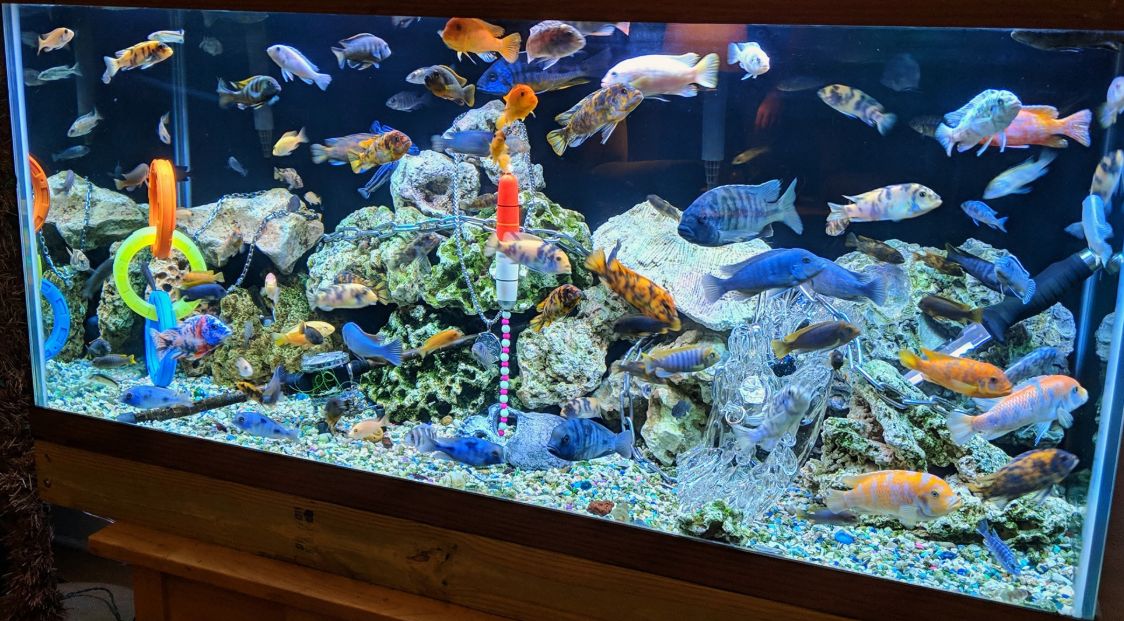
Some fish need soft sand to dig or burrow. Others prefer smooth or coarse sand to protect their fins. Certain species, like cichlids, may rearrange the sand often. Choose sand that suits your fish’s behavior and comfort. Avoid sharp or rough sand that can harm delicate fish.
Impact On Water Chemistry
Some sands change the water’s pH and hardness. For example, coral sand raises pH and adds minerals. Silica sand does not affect water chemistry much. Check your fish’s water needs and pick sand that supports those conditions. This helps keep fish healthy and stress-free.
Grain Size And Texture
Fine sand looks smooth but may compact and block water flow. Coarser sand allows better circulation and prevents bacteria buildup. Mix grain sizes for a natural look and good function. Feel the sand before buying to ensure it is comfortable for fish and easy to clean.
Color And Aesthetics
Sand color changes the tank’s overall look. Light sand brightens the tank and shows off fish colors. Dark sand creates contrast and hides dirt well. Choose a color that fits your tank theme and highlights your fish. Keep in mind that some colors may fade over time.
Benefits Of Using Aquarium Sand
Aquarium sand offers many benefits that improve your fish tank. It creates a natural look that fish love. Sand also helps plants grow better. It supports small animals living at the bottom.
Choosing the right sand can make a big difference. It keeps your tank healthy and beautiful. Let’s explore the key benefits of using aquarium sand.
Enhancing Aquarium Appearance
Sand gives your aquarium a soft, clean look. It mimics natural riverbeds and ocean floors. This makes the tank more attractive to watch. Fish colors stand out more against light sand. It creates a peaceful, natural environment for your fish.
Supporting Plant Growth
Many aquatic plants root better in sand. Sand holds nutrients that plants need. It allows roots to spread easily. Plants grow stronger and healthier with sand. This leads to a greener and livelier aquarium. Healthy plants improve water quality too.
Providing Habitat For Bottom Dwellers
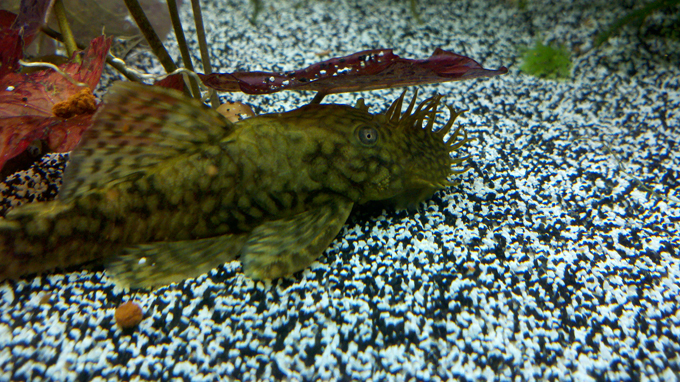
Bottom fish and creatures love sand beds. Sand lets them dig and hide safely. It protects their delicate fins from injury. Sand also traps leftover food and waste. This creates a natural feeding ground for them. It helps keep the tank clean and balanced.
Credit: advancedaquariumconcepts.com
Setting Up Aquarium Sand
Setting up aquarium sand is an important step for a healthy fish tank. The right sand creates a natural look and helps fish feel at home. It also supports plants and beneficial bacteria. Proper setup ensures cleanliness and good water quality.
Cleaning And Preparing Sand
Start by rinsing the sand with clean water. Use a bucket and stir the sand to remove dust and dirt. Rinse until the water runs clear. Dirty sand can cloud the tank and harm fish. Avoid using soap or chemicals on the sand.
After rinsing, spread the sand on a clean surface to dry. This step is useful for sterilizing and removing any tiny pests. Dry sand is easier to add to the aquarium without making the water dirty.
Layering Techniques
Place the sand in the aquarium in layers. A 1 to 2 inch layer is usually enough for most tanks. Thicker layers suit tanks with burrowing fish or live plants. Smooth the sand surface gently with your hand or a flat tool.
Layering helps prevent dead spots where debris can collect. It also allows water to flow through the sand. Avoid compacting the sand too tightly. Loose sand supports beneficial bacteria better.
Maintaining Sand Quality
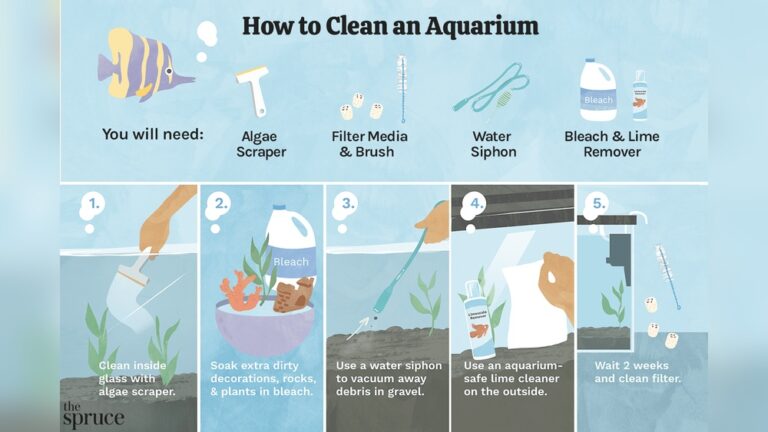
Regular cleaning keeps sand healthy and prevents bad smells. Use a siphon or gravel vacuum to remove debris. Clean the sand surface weekly or as needed. Stir the sand lightly to avoid compacting it over time.
Watch for signs of algae or waste buildup. Clean affected areas carefully. Do not replace all the sand at once; it can disrupt tank balance. Good maintenance keeps the aquarium safe and beautiful.
Common Issues With Aquarium Sand
Aquarium sand looks great and feels natural in fish tanks. Yet, it can cause some common problems. These issues affect water quality and fish health. Knowing these problems helps in better tank care. Here are three main issues with aquarium sand.
Cloudy Water Problems
Cloudy water often happens after adding new sand. Fine particles float in the water. Fish may become stressed by poor visibility. Water filters might struggle to clear the cloudiness. Rinsing sand well before adding it reduces this problem.
Sand Compaction
Sand grains can pack tightly over time. This compaction stops water flow through the sand bed. Poor water flow causes harmful gases to build up. Fish and plants may suffer from low oxygen. Stirring the sand gently helps prevent compaction.
Algae Growth
Algae can grow on sand surfaces. Excess light and nutrients feed algae growth. Algae make the tank look dirty and harm water quality. Regular cleaning and balanced lighting control algae levels. Sand type can also affect algae buildup.
Credit: aquariumscience.org
Top Brands And Products
Choosing the right aquarium sand is key for a healthy tank. The best brands offer quality, safety, and beauty. They make your aquarium look natural and keep fish comfortable. Here, we explore top brands and products that suit different needs and budgets.
Popular Choices
CaribSea is a favorite for many aquarium owners. Their sand is clean and safe for all fish types. It comes in different colors and grain sizes. Seachem offers another trusted product with good filtration support. Both brands provide sand that looks great and works well.
Budget-friendly Options
Inexpensive sand can still be good quality. Aqueon and Marina offer affordable sands that suit beginner tanks. These sands are easy to find in pet stores. They clean easily and do not cloud water much. Perfect for those starting or keeping simple tanks.
Premium Selections
For those wanting top quality, Eco-Complete and Fluval are great picks. Their sands support plant growth and beneficial bacteria. They come with minerals that help fish health. These sands are smooth and natural-looking, ideal for advanced aquarium setups.
Tips For Long-term Sand Care
Taking care of aquarium sand is important for a healthy fish tank. Proper sand care keeps water clean and fish happy. It also helps maintain the beauty of your aquarium. Follow these simple tips to care for your sand over time.
Regular Cleaning Methods
Use a siphon or gravel vacuum to clean the sand. Gently stir the top layer to remove waste and debris. Avoid deep digging to protect beneficial bacteria. Clean the sand during water changes for best results. Do this every week or two to keep sand fresh.
Avoiding Contamination
Do not add dirt or harmful substances to the sand. Avoid chemicals or fertilizers near the aquarium. Wash hands before touching the sand or water. Use clean tools only for sand maintenance. Keep pets and dust away from the tank area.
When To Replace Sand
Replace sand if it becomes compacted or smells bad. Look for color changes or mold growth as signs. If fish show stress or illness, check sand quality. Replace sand every few years for a healthy tank. Always rinse new sand before adding it to the aquarium.

Credit: www.aquariumcoop.com
How Smart Pets Lover Can Help You with Best Aquarium Sand
Turning Aquarium Sand Choices into Learning Moments
Choosing the best aquarium sand isn’t just about aesthetics or water chemistry; it opens up a practical learning journey for every pet parent. As we’ve explored the types of aquarium sand and the benefits of using aquarium sand, you might find yourself curious about how these choices impact your aquatic friends’ behavior and health.
For instance, experimenting with different sand substrates can teach you about natural habitats and fish preferences, deepening your connection with your aquarium’s ecosystem. Setting up your sand bed also offers hands-on experience in maintaining water quality and understanding biological filtration—a crucial aspect covered under setting up aquarium sand.
At Smart Pets Lover, we believe that every step in your pet care routine is an opportunity to learn and grow alongside your animal companions. If you ever want to chat about your aquarium setup or need advice tailored to your aquatic family, feel free to reach out via our contact page. Learning together helps ensure that every fin and scale thrives in a happy, healthy home.
Frequently Asked Questions
What Type Of Sand Is Best For Aquariums?
The best aquarium sand is fine-grained, inert, and safe for fish. It should not alter water pH or hardness. Popular options include silica sand and aragonite sand, which provide a natural look and support beneficial bacteria growth.
How Does Aquarium Sand Affect Water Quality?
Aquarium sand can influence water chemistry by buffering pH levels. Some sands, like aragonite, release minerals that stabilize pH. Clean, inert sands won’t cloud water or release toxins. Proper rinsing before use ensures clear water and healthy fish.
Can I Use Regular Sand From Outdoors In My Aquarium?
Outdoor sand is not recommended as it may contain contaminants, parasites, or harmful chemicals. It can also alter water parameters negatively. Always use specially designed aquarium sand to ensure fish safety and maintain stable tank conditions.
How Often Should Aquarium Sand Be Cleaned?
Clean aquarium sand during regular maintenance, ideally once every 2-4 weeks. Use a gravel vacuum to remove debris without disturbing beneficial bacteria. Avoid over-cleaning, as it can disrupt the tank’s biological balance and harm aquatic life.
Conclusion
Choosing the right aquarium sand helps your fish feel at home. Clean, safe sand supports healthy water and plants. Soft sand protects delicate fish and allows easy digging. Think about color and texture to match your tank style. Regular cleaning keeps the sand fresh and your tank clear.
Good sand makes your aquarium look natural and beautiful. Enjoy a happy, healthy underwater world with the best sand choice.