Barb Fish Types
Are you curious about barb fish and the different types you can find? Whether you’re a beginner or an experienced fish keeper, knowing the various barb species can help you choose the perfect one for your aquarium.
Each type has its own unique colors, sizes, and behaviors that can bring life and excitement to your tank. Keep reading to discover the most popular barb fish types and learn how to care for them so your underwater world thrives like never before.
Common Barb Species
Barbs are popular freshwater fish loved by many aquarium hobbyists. They are small, active, and colorful. Barbs come in many types. Each type has unique colors and behaviors. Knowing common barb species helps in choosing the right fish for your tank.
These species are easy to care for and adapt well to home aquariums. They make lively tank mates and add bright colors to any setup. Here are some of the most common barb species you might enjoy.
Tiger Barb
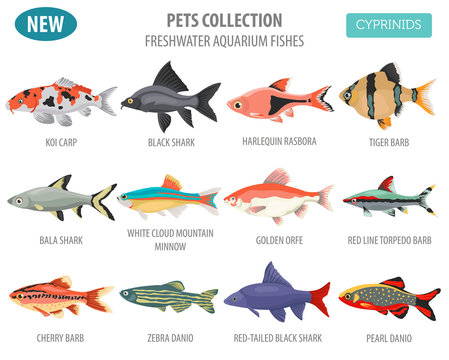
Tiger Barbs are famous for their bold black stripes. Their orange-yellow body shines brightly in tanks. They are playful but can be a bit aggressive. Best kept in groups of six or more to reduce fighting.
Cherry Barb
Cherry Barbs have a deep red color that stands out. Males are brighter than females. They are peaceful and good for community tanks. They enjoy swimming in planted tanks with hiding spots.
Gold Barb
Gold Barbs display a shiny golden-yellow color. They grow larger than most barbs, reaching up to 3 inches. They are calm and swim actively in the middle or top of the tank. Suitable for beginner fish keepers.
Rosy Barb
Rosy Barbs have a soft pink or reddish hue. Their fins may show a bright red color. They are hardy and easy to care for. They like swimming in groups and are peaceful with other fish.
Tinfoil Barb
Tinfoil Barbs are bigger, growing up to 14 inches. They have shiny, silver bodies with red fins. They need large tanks and plenty of swimming space. Best kept in groups and with other large, peaceful fish.

Credit: www.aquariumcoop.com
Barb Habitat Needs
Barbs are active and colorful fish. They need a proper habitat to stay healthy and happy. Their environment should match their natural living space. This helps them show their best colors and behavior.
Creating the right habitat means focusing on water, space, and decorations. These factors keep barbs safe and comfortable. Let’s explore the main needs for their habitat.
Water Conditions
Barbs need clean water with stable conditions. The ideal temperature is between 72°F and 79°F (22°C to 26°C). They prefer slightly soft to moderately hard water. The pH should be around 6.0 to 7.5. Regular water changes keep harmful chemicals low. Barbs also like good water flow and oxygen levels.
Tank Size
Barbs are active swimmers and need enough space. A tank size of at least 20 gallons suits small barb species. Larger barbs need tanks over 30 gallons. More space reduces stress and aggression. It also allows them to form natural groups or schools. Never overcrowd the tank.
Plant And Decor Preferences
Barbs enjoy tanks with plants and hiding spots. Live or artificial plants provide shelter and reduce stress. They like open swimming areas mixed with dense plant patches. Driftwood and rocks add natural hiding places. Avoid sharp decorations that can hurt their fins. A balanced setup keeps barbs active and safe.
Barb Behavior Traits
Barbs are popular freshwater fish loved for their vibrant colors and lively nature. Understanding their behavior helps keep them happy and healthy. Barb behavior traits show interesting social habits and feeding patterns. Knowing these traits makes caring for barbs easier and more enjoyable.
Social Patterns
Barbs thrive in groups. They feel safer and act more naturally in schools of five or more. Social interaction lowers their stress and encourages swimming activity. Some barb species form tight groups, while others spread out more. Watching their social patterns helps spot stress or illness early.
Aggression Levels
Barbs can be moderately aggressive, especially males. They sometimes nip fins of slower fish. Aggression rises during breeding or overcrowding. Providing enough space and hiding spots reduces fights. Mixing barbs with similarly sized, active fish keeps peace in the tank.
Feeding Habits
Barbs are omnivores and eat both plants and animals. They enjoy flakes, pellets, and live foods like bloodworms. Feeding small amounts two to three times daily works best. Overfeeding leads to poor water quality and health problems. Watch their feeding behavior to adjust diet and portions correctly.
Credit: stock.adobe.com
Breeding Barb Fish
Breeding barb fish can be a rewarding experience for hobbyists. These lively fish show interesting behaviors during spawning. Careful preparation helps increase the chance of success. Understanding their needs is key to healthy fry.
Spawning Setup
Choose a separate tank for breeding. Keep water clean and warm, around 78-82°F. Add fine-leaved plants or spawning mops for egg laying. Use gentle filtration to avoid disturbing eggs. Maintain soft, slightly acidic water for best results.
Egg Care
Remove adult fish after spawning to protect eggs. Eggs usually hatch in 24-36 hours. Avoid direct light and keep water calm. Use an airstone to provide gentle oxygen flow. Watch for fungus and treat with antifungal medication if needed.
Raising Fry
Feed fry small, frequent meals. Start with infusoria or liquid fry food. Gradually add baby brine shrimp or crushed flakes. Change water regularly but gently. Keep fry safe from adult fish and strong currents. Growth is faster in good water and food conditions.
Barb Compatibility
Barbs are lively and colorful fish that bring energy to any aquarium. Their compatibility with other fish depends on their nature and tank conditions. Understanding their social behavior helps create a peaceful tank environment. Barbs often show territorial behavior and can be aggressive. Choosing the right tank mates and managing interactions is key to a balanced aquarium.
Suitable Tank Mates
Barbs do well with other active fish. Fast swimmers like danios and rasboras match their energy. Larger tetras can also live peacefully with barbs. Avoid slow or long-finned fish that barbs might nip. Bottom dwellers like Corydoras catfish work well. They stay out of the barbs’ way. Keeping barbs in groups of five or more reduces aggression. A well-planted tank with hiding spots helps all fish feel safe.
Avoiding Conflicts
Barbs may fight over territory or food. Provide plenty of space to lessen stress. Use plants and decorations to create boundaries. Feed fish regularly to reduce competition. Avoid mixing barbs with very small or timid fish. Watch for signs of bullying or injury. Remove aggressive fish if fights continue. Regular tank maintenance keeps fish healthy and calm. A peaceful tank means happier barbs and neighbors.

Credit: www.youtube.com
Barb Health Tips
Keeping your barbs healthy is key to enjoying their lively colors and active behavior. Healthy barbs live longer and stay vibrant. Knowing how to care for them helps prevent illness and stress.
Good health starts with a clean tank and proper care. Watch your fish daily for signs of trouble. Early action can save your fish from common problems.
Common Diseases
Barbs can catch diseases like ich, fin rot, and velvet. Ich shows as white spots on the fish’s body. Fin rot causes torn or ragged fins. Velvet makes the fish look dusty or gold-colored. Stress and poor water quality often cause these diseases.
Preventive Care
Keep the tank clean by changing water regularly. Use a good filter to remove waste and toxins. Avoid overcrowding to reduce stress and fights among barbs. Keep water temperature stable and suitable for your barb species. Quarantine new fish before adding them to the tank.
Diet Recommendations
Feed your barbs a balanced diet with quality flakes or pellets. Include live or frozen foods like brine shrimp or bloodworms. Vegetables like blanched spinach or peas add nutrients. Feed small amounts twice a day to prevent overfeeding. A healthy diet boosts immune defense and brightens colors.
How Smart Pets Lover Can Help You with Barb Fish Types
Learning Through Exploring Barb Fish Types
Understanding the different barb fish types opens up exciting practical learning opportunities for any pet parent. As you dive deeper into Common Barb Species, you begin to appreciate their unique behavior traits and habitat needs, which directly influence how you care for them. For instance, knowing a barb’s social nature helps you create compatible community tanks, promoting harmony and reducing stress among your aquatic friends.
Breeding barb fish can also be a rewarding hands-on experience, offering insights into their life cycles and environmental preferences. This practical knowledge not only strengthens your bond with these vibrant fish but also enhances your overall aquarium management skills.
- Observe how different species adapt to various water conditions.
- Experiment with tank setups that mimic natural habitats.
- Note behavioral changes during breeding seasons.
At Smart Pets Lover, we believe that every pet story starts with understanding and care. If you’re curious or need guidance on barb fish health tips or compatibility, reaching out to fellow enthusiasts or aquatic experts can be a great way to learn more. This journey enriches your experience and ensures your barbs thrive happily in their watery world.
Frequently Asked Questions
What Are The Most Popular Barb Fish Types?
Popular barb fish types include Tiger Barb, Cherry Barb, and Rosy Barb. Each has unique colors and temperaments. They are suitable for freshwater aquariums and are easy to care for.
How Big Do Barb Fish Typically Grow?
Most barb fish grow between 2 to 3 inches in length. Some species like the Tinfoil Barb can reach up to 6 inches. Size depends on the specific type and living conditions.
Are Barb Fish Good For Community Tanks?
Yes, many barb species are peaceful and thrive in community tanks. However, Tiger Barbs can be semi-aggressive, so tank mates should be chosen carefully to avoid conflicts.
What Is The Ideal Water Condition For Barb Fish?
Barb fish prefer water temperatures between 74°F and 79°F. The pH should be neutral, around 6. 5 to 7. 5. Clean, well-filtered water is essential for their health and well-being.
Conclusion
Barb fish come in many interesting types and colors. Each type has its own charm and care needs. Choosing the right barb fish can brighten any aquarium. They add movement and life to your tank. Knowing their differences helps keep them healthy and happy.
Enjoy exploring these lively, beautiful fish in your home.