Balloon Molly
Have you ever seen a Balloon Molly and wondered what makes it so special? If you love colorful, lively fish that brighten up any aquarium, this little gem is perfect for you.
Balloon Mollies aren’t just beautiful—they have unique shapes and personalities that can turn your tank into a vibrant underwater world. Keep reading to discover everything you need to know to care for your Balloon Molly and make it thrive in your home.
Your aquarium is about to get a stunning upgrade!
Origin Of Balloon Molly
The Balloon Molly is a popular aquarium fish known for its unique, round body shape. It stands out due to its plump belly, which gives it a balloon-like appearance. This fish has an interesting background that reflects careful breeding and natural traits.
The origin of the Balloon Molly traces back to the common Molly fish, a native of Central America. Breeders noticed some Mollies with a naturally rounded body. They selectively bred these fish to enhance this feature. The result was the Balloon Molly, a distinct variety prized by aquarium enthusiasts.
Natural Beginnings Of The Molly Fish
Mollies originally lived in freshwater rivers and streams in Central America. These fish adapted well to different water conditions. Their hardiness made them favorites among fish keepers worldwide. The common Molly’s body shape is slender and streamlined, unlike the Balloon Molly.
Selective Breeding Creates The Balloon Molly
Breeders focused on Mollies with a rounded belly. They bred these fish over many generations. The goal was to keep the balloon shape while maintaining good health. This selective breeding took time and patience. The Balloon Molly emerged as a distinct type with a soft, chubby look.
Popularity And Spread Worldwide
The Balloon Molly gained attention for its unusual shape. Hobbyists appreciated its gentle nature and unique look. It quickly became a popular choice for home aquariums. Today, Balloon Mollies are found in many fish stores around the globe. Their origin story adds to their charm and appeal.
Physical Features
The Balloon Molly is a small, lively fish loved by many aquarium fans. Its unique body shape and bright colors make it stand out. Knowing its physical features helps in caring for this fish properly. Here is a closer look at what makes the Balloon Molly special.
Distinctive Body Shape
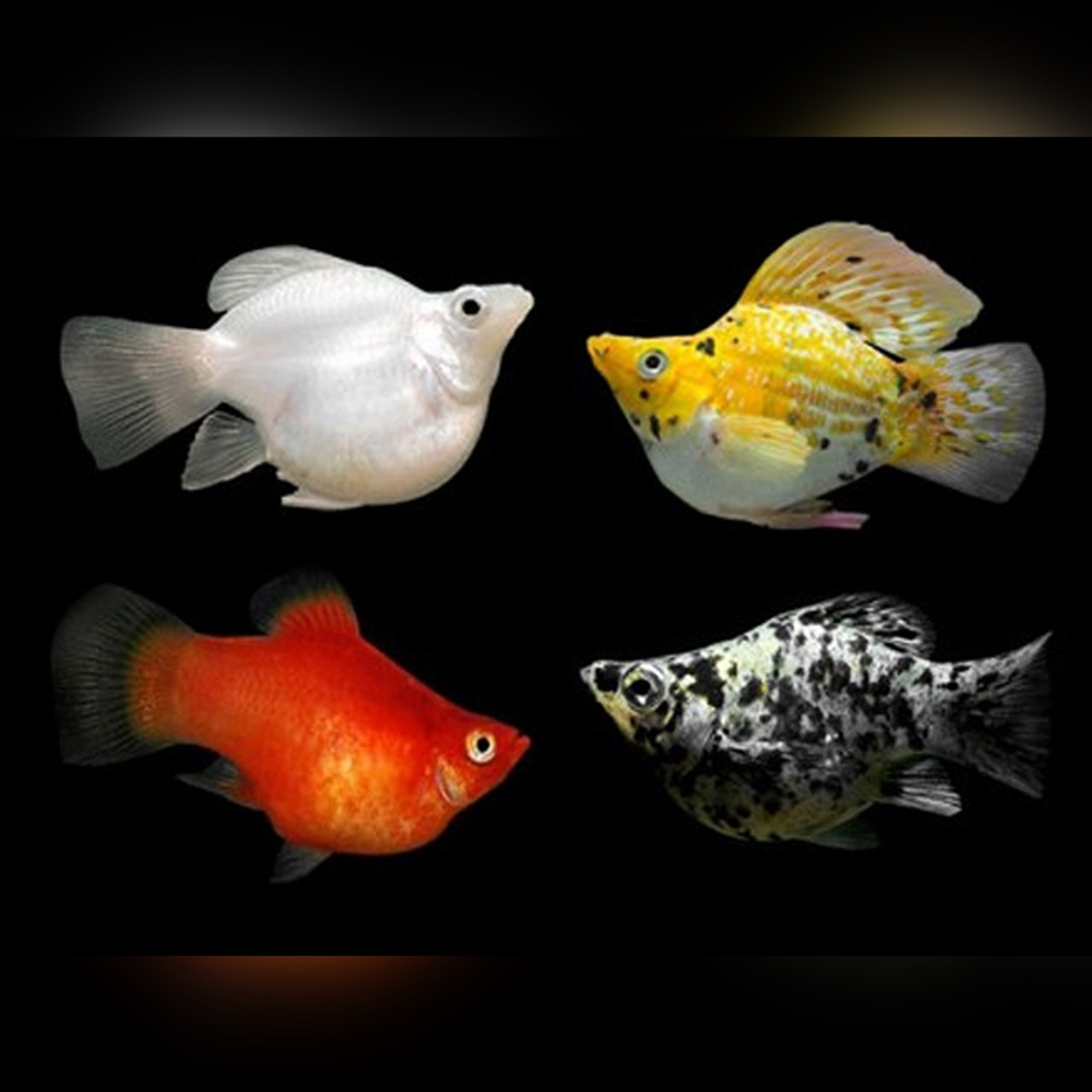
The Balloon Molly has a round, puffed-up belly. This shape gives it a chubby, balloon-like look. Its back is curved, unlike most other fish. The fins are often large and flowing. This body form makes the fish slow but graceful in water.
Color Variations
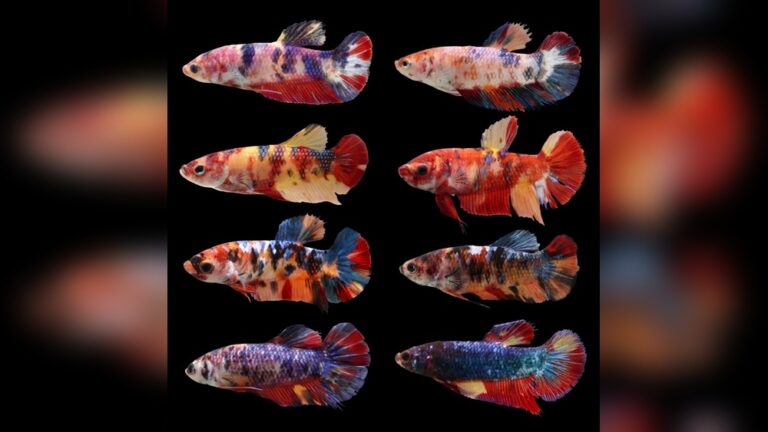
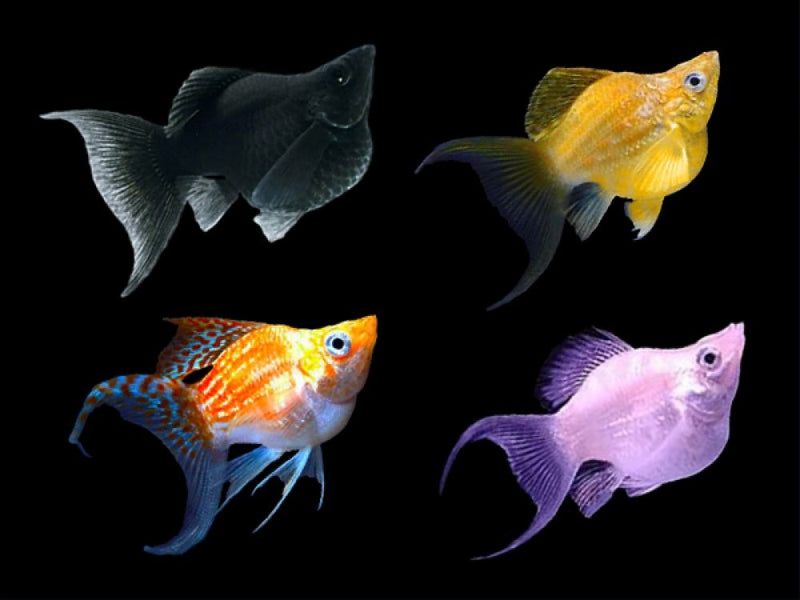
Balloon Mollies come in many colors. Some are solid black or white. Others show a mix of colors like orange, yellow, and silver. Their shiny scales reflect light, adding sparkle. These bright colors make them a lovely addition to any tank.
Behavior Traits
Balloon Molly fish have unique behavior traits that make them interesting pets. Understanding their behavior helps in creating a better environment for them. These fish show distinct patterns in temperament and social interactions. They can be lively and peaceful at the same time.
Temperament
Balloon Mollies are calm and gentle fish. They rarely show aggression toward other fish. Their peaceful nature makes them ideal for community tanks. They enjoy swimming around but do not bother others. These fish adapt well to their surroundings and stay relaxed.
Social Interactions
Balloon Mollies are social and like company. They thrive in groups of their own kind or mixed fish. They communicate through subtle movements and colors. These fish often swim together, showing friendly behavior. They also avoid fights and prefer harmony in the tank.

Credit: aquariumfishonline.com.au
Tank Setup
Setting up a tank for Balloon Molly fish requires careful planning. These fish need a comfortable and safe environment to thrive. The right tank setup helps keep them healthy and active. Focus on tank size, water conditions, and decoration for the best results.
Ideal Tank Size
Balloon Mollies need space to swim freely. A tank of at least 20 gallons is suitable for a small group. Larger tanks are better for more fish. They enjoy open swimming areas with enough room to explore.
Water Conditions
Maintain water temperature between 72°F and 78°F. Keep pH levels around 7.5 to 8.5 for best health. Use a good filter to keep water clean. Regular water changes help prevent harmful buildup. Balloon Mollies thrive in slightly hard water.
Decor And Plants
Use smooth decorations to avoid injury. Live plants like Java fern and Anubias offer hiding spots. Plants also improve water quality. Add rocks and driftwood to mimic natural habitat. Leave enough open space for swimming and play.
Diet And Feeding
Balloon Mollies need the right diet to stay healthy and active. Feeding them well helps maintain their bright colors and lively behavior. Understanding their diet and feeding habits is key to their care.
Preferred Foods
Balloon Mollies enjoy a mix of plant and animal-based foods. They like algae, which is a natural part of their diet. You can offer them high-quality flake food made for tropical fish. Live or frozen foods like brine shrimp and bloodworms are good treats. Vegetables like spinach or zucchini can be given occasionally. Variety keeps their diet balanced and interesting.
Feeding Schedule
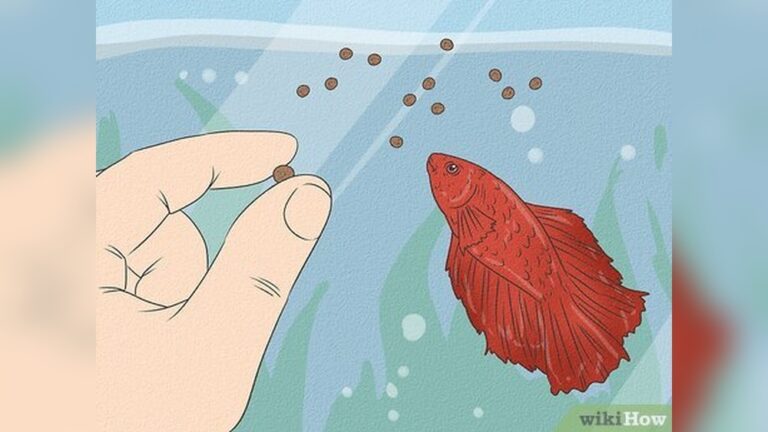
Feed Balloon Mollies two times a day. Offer only the amount they can eat in two minutes. Overfeeding can pollute the tank and harm the fish. Remove leftover food after feeding to keep water clean. Young fish may need more frequent feedings. Watch their behavior to adjust feeding if necessary.
Credit: www.coastgemusa.com
Breeding Balloon Mollies
Breeding Balloon Mollies is a rewarding experience for aquarium hobbyists. These fish have a unique body shape, making their offspring interesting to observe. They breed easily under the right conditions.
Understanding their needs helps increase the success rate. The process also requires patience and careful care for the young fry. Knowing how to prepare the tank and care for the babies is key.
Breeding Conditions
Keep the water temperature between 75°F and 80°F for breeding. Maintain a pH level around 7.0 to 8.0. Use a well-planted tank to provide hiding spots and reduce stress.
Feed the adults high-quality food, including live or frozen options. Separate males and females before breeding to control timing. Introduce a ratio of one male to two or three females.
Care For Fry
Remove adult fish after spawning to protect the fry. Feed the fry with finely crushed flakes or specialized fry food. Offer small amounts several times a day for best growth.
Keep the water clean with gentle filtration and regular changes. Monitor the fry closely for signs of illness or slow growth. Provide hiding places to reduce stress and improve survival.
Common Health Issues
Balloon Molly fish are popular pets but can face health problems. Knowing common issues helps keep them healthy. Watch your fish closely for any unusual signs. Early care can save their life.
Signs Of Illness
Look for changes in swimming or appetite. A sick Balloon Molly may hide more than usual. Cloudy eyes or faded colors can signal trouble. Notice if fins look torn or clamped. White spots or patches may show disease. Gasping at the water surface is a warning.
Prevention Tips
Keep the tank clean and water fresh. Test water regularly for ammonia and pH levels. Feed a balanced diet with quality fish food. Avoid overfeeding to prevent water pollution. Quarantine new fish before adding them. Maintain stable water temperature between 72-78°F. Regularly check your fish for early symptoms.
Credit: riverparkaquatics.co.uk
Compatibility With Other Fish
Balloon Molly fish are peaceful and social creatures. They live well with many other fish types. Choosing the right tank mates helps keep them happy and healthy.
Compatibility depends on the size, behavior, and water needs of other fish. Balloon Mollies prefer calm fish that do not nip fins. Avoid aggressive or very small fish that may stress them.
Peaceful Community Fish
Balloon Mollies get along well with peaceful fish like guppies and platies. These fish share similar water conditions and temperaments. They swim calmly and do not bother others. This makes the aquarium environment balanced and relaxed.
Suitable Tank Mates
Good tank mates include Corydoras catfish and tetras. Corydoras stay at the bottom and keep the tank clean. Tetras swim in the middle and add color. Both are peaceful and fit well with Balloon Mollies.
Fish To Avoid
Avoid aggressive fish such as cichlids or large barbs. These can chase or nip the Balloon Mollies. Also, steer clear of very small fish like neon tetras, which may get bullied. Choosing the wrong mates causes stress and illness.
Compatibility Tips
Keep similar-sized fish together to prevent bullying. Watch behavior closely in the first days. Provide plenty of hiding places with plants and decorations. This reduces stress and helps shy fish feel safe.
How Smart Pets Lover Can Help You with Balloon Molly
Learning from Balloon Molly Care: A Hands-On Approach
Getting to know the Balloon Molly goes beyond admiring its unique physical features or understanding its behavior traits; it’s a wonderful opportunity to deepen your practical fishkeeping skills. Setting up the right tank environment, as we explored earlier, teaches you the importance of water parameters and space for healthy fish development. Feeding routines and diet choices offer a hands-on lesson in nutrition that can apply to many aquatic pets.
Breeding Balloon Mollies also opens the door to observing natural life cycles and improving your patience and attention to detail—qualities every pet parent cherishes. At Smart Pets Lover, we believe every interaction with your fish is a chance to build confidence and connection, supporting your journey as a caring pet owner.
- Monitor water quality regularly to prevent common health issues
- Observe behavioral changes to understand compatibility with other fish
- Keep a journal of feeding and breeding activities for better insights
If you have questions or want to share your experiences, reaching out to knowledgeable communities or forums can be incredibly helpful. Remember, every fin and bubble tells a story worth learning from.
Frequently Asked Questions
What Is A Balloon Molly Fish?
A Balloon Molly is a freshwater fish with a rounded, balloon-like body. It is a popular aquarium species known for its unique shape and vibrant colors.
How To Care For Balloon Molly Fish?
Provide clean, warm water between 72-78°F and a balanced diet. Regular tank maintenance and moderate swimming space are essential for their health.
Are Balloon Mollies Good For Beginners?
Yes, Balloon Mollies are hardy and easy to care for, making them ideal for beginner aquarium enthusiasts.
What Do Balloon Mollies Eat?
They eat algae, flakes, pellets, and vegetable matter. A varied diet keeps them healthy and colorful.
Conclusion
Balloon Molly offers a fun and exciting experience for all ages. Its colorful design and simple gameplay attract many players. The game keeps you entertained and challenges your skills. You can enjoy it alone or with friends. Try Balloon Molly today and see how much fun it brings.
Small moments of joy make a big difference. Give it a go and enjoy every balloon burst!