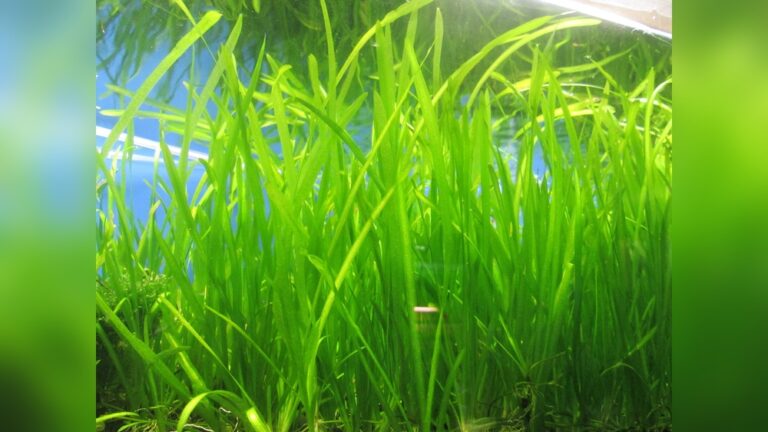
Bacopa Caroliniana
Are you looking to add a unique and beautiful plant to your aquarium or garden? Bacopa Caroliniana might be just what you need.
This vibrant green plant not only brightens up your space but also offers easy care and fast growth. Imagine having a lush, natural environment that feels alive and refreshing every day. Curious to learn how Bacopa Caroliniana can transform your setup and what makes it stand out?
Keep reading to discover all the tips and secrets to growing this amazing plant successfully.
Plant Description
Bacopa Caroliniana is a popular aquatic plant. It is often used in aquariums and water gardens. This plant brings a fresh, green look to water spaces. It is easy to care for and grows well in many conditions.
The plant has unique features that make it stand out. Understanding its description helps in identifying and growing it successfully.
Appearance And Size
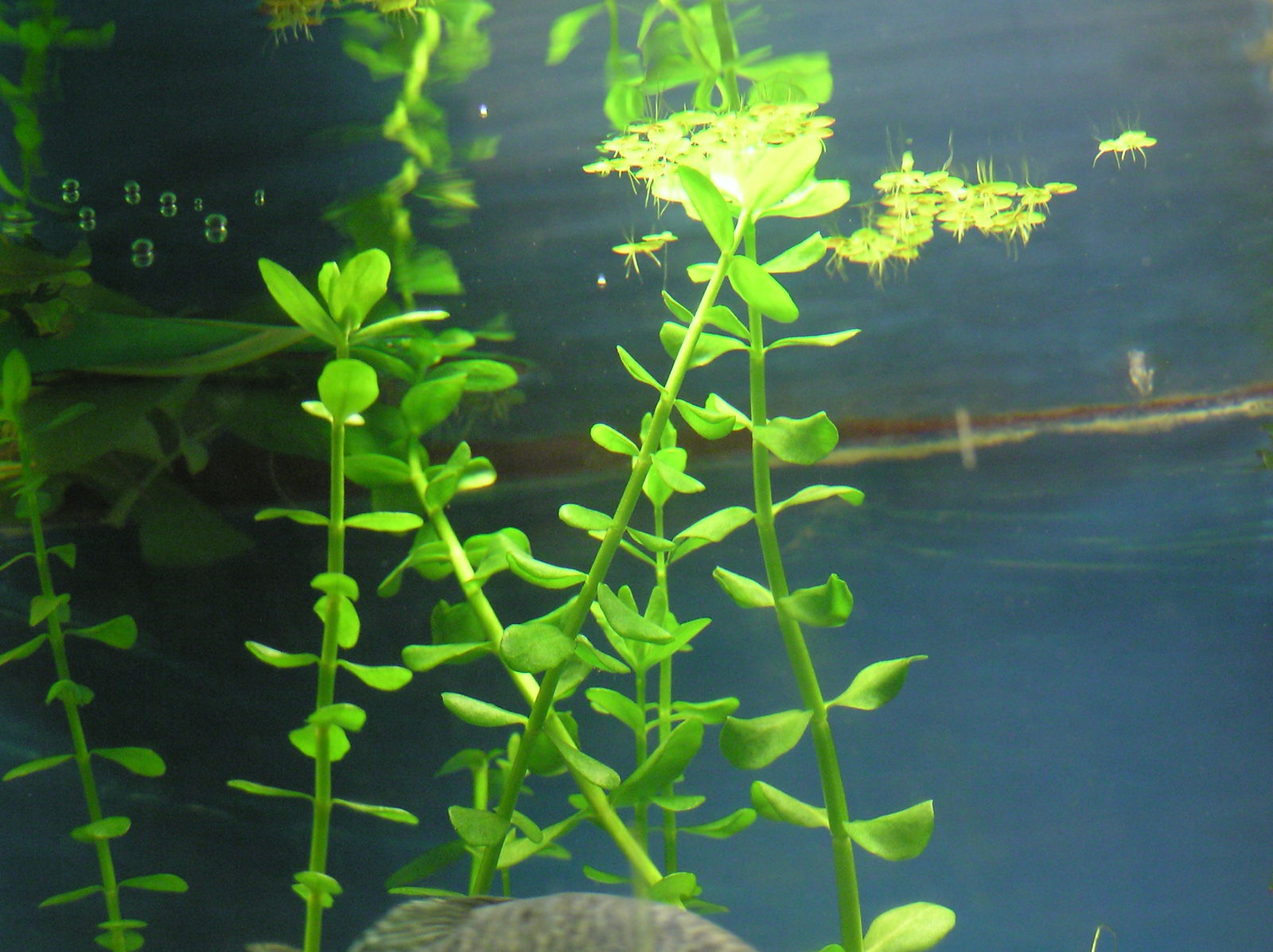
Bacopa Caroliniana has small, round leaves. The leaves grow opposite each other on the stem. They are bright green and smooth. The plant can grow up to 12 inches tall. Its stems are thin but sturdy. Tiny white flowers may appear in the right conditions.
Growth Habit
This plant grows upright in water. It can float or root in the soil underwater. Bacopa Caroliniana spreads slowly but steadily. It prefers moderate light and clean water. It adapts to many tank or pond environments. Regular trimming helps keep its shape neat.

Credit: floridaaquatic.com
Natural Habitat
Bacopa Caroliniana thrives in specific natural surroundings. Understanding its natural habitat helps in growing it well. This plant prefers wet and warm environments. It is often found near water bodies like ponds and streams.
Its habitat plays a crucial role in its growth and health. Knowing where it grows naturally can guide gardeners and hobbyists.
Native Regions
Bacopa Caroliniana is native to the southeastern United States. It grows in states like Florida, Georgia, and the Carolinas. These areas have mild winters and hot summers. The plant also appears in parts of Mexico. It adapts well to both still and flowing water.
Environmental Conditions
This plant favors wet soils and shallow water. It grows best in sunny to partly shaded places. Warm temperatures help Bacopa Caroliniana flourish. The plant can tolerate some cold but not freezing. It prefers water with a neutral to slightly acidic pH. Clean, fresh water is ideal for its growth.
Cultivation Tips
Bacopa Caroliniana is a popular aquatic plant for aquariums and water gardens. Growing it well requires attention to a few key factors. Proper care helps it thrive and stay healthy. Follow these simple cultivation tips for the best results.
Light Requirements
Bacopa Caroliniana grows best in moderate to bright light. Too little light makes it weak and slow-growing. Bright light encourages vibrant green leaves and dense growth. Avoid direct sunlight for long hours to prevent leaf burn.
Watering Needs
This plant lives in water, so keep it fully submerged in aquariums or ponds. Clean, fresh water helps it stay healthy. Change the water regularly to avoid algae and dirt buildup. Maintain good water flow but avoid strong currents.
Soil Preferences
Plant Bacopa Caroliniana in nutrient-rich, soft substrate. Fine gravel or sand works well. The roots need a stable base to anchor and absorb nutrients. Adding aquatic plant fertilizers boosts growth and leaf color.
Temperature And Humidity
It thrives in temperatures between 68°F and 82°F (20°C to 28°C). Stable temperatures avoid stress and leaf damage. High humidity suits its natural habitat. Keep humidity levels steady in indoor setups for best growth.
Credit: powo.science.kew.org
Propagation Methods
Bacopa Caroliniana is a popular aquatic plant. Propagating it helps grow more plants for your aquarium or garden. There are simple ways to multiply Bacopa Caroliniana. Each method has its benefits and steps to follow. Understanding these methods ensures healthy new plants.
Seed Propagation
Seed propagation starts with collecting Bacopa Caroliniana seeds. Plant the seeds in moist soil or a seed tray. Keep the soil damp but not soaked. Place the tray in a warm area with indirect light. Germination usually takes 1 to 3 weeks. Thin the seedlings to avoid overcrowding. This method takes longer but produces many plants.
Cuttings
Cuttings are the fastest way to grow Bacopa Caroliniana. Cut a healthy stem about 4 inches long. Remove leaves from the bottom half of the cutting. Place the cutting in water or moist soil. Roots will form within 2 weeks. Transplant the rooted cutting into your aquarium or garden. This method is simple and gives quick results.
Common Pests And Diseases
Bacopa Caroliniana is a popular aquatic plant loved for its delicate leaves and easy care. Still, it faces some common pests and diseases that can harm its health. Knowing these issues helps keep the plant green and thriving.
Pests often attack the leaves and stems. They can cause holes, discoloration, and slow growth. Diseases may show as spots, mold, or rot. Early detection is key to control.
Common Pests Affecting Bacopa Caroliniana
Aphids are small insects that suck plant juices. They cluster on new growth and cause leaves to curl or yellow. Snails and slugs also feed on the soft leaves, leaving irregular holes. Spider mites are tiny and hard to see but cause fine webbing and tiny yellow spots.
Diseases That Threaten Bacopa Caroliniana
Fungal infections are common in wet conditions. They appear as leaf spots or mold growth. Root rot happens if the plant sits in overly wet soil or water. It causes roots to decay and the plant to wilt. Bacterial leaf spot creates dark, water-soaked patches on leaves.
Preventing And Managing Pests And Diseases
Keep the water clean and change it regularly. Remove dead or decaying leaves to stop mold spread. Use natural predators like ladybugs to reduce aphids. Snail traps help control snail damage. Avoid overwatering to prevent root rot. Quarantine new plants before adding them to your aquarium or pond.
Aquarium Use
Bacopa Caroliniana is a popular choice for many aquarium enthusiasts. This aquatic plant adds life and color to freshwater tanks. It is easy to grow and fits well in different aquarium styles. Aquarists value its bright green leaves and its ability to create a natural look underwater.
Using Bacopa Caroliniana in aquariums helps create a balanced environment. It supports fish and other aquatic creatures by offering hiding spots and oxygen. Its slow growth keeps the tank tidy and manageable. This plant is a great addition for beginners and experts alike.
Benefits For Aquascaping
Bacopa Caroliniana brings vibrant green hues to aquarium landscapes. Its tall, narrow stems create height and depth in the tank. The plant’s compact leaf arrangement allows for neat and dense growth. It contrasts well with other plants, enhancing the overall visual appeal.
It helps form natural backgrounds or mid-ground areas. This makes the tank look fuller and more natural. The plant also provides shelter for small fish and shrimp. Its presence promotes a peaceful and healthy environment for aquatic life.
Care In Aquatic Environments
Bacopa Caroliniana grows well in moderate light conditions. It does not require special fertilizers but benefits from them. Regular trimming helps keep its shape and encourages new growth. The plant adapts easily to various water conditions and temperatures.
It prefers clean, slightly acidic to neutral water. Good water flow helps prevent algae on its leaves. Avoid placing it near aggressive fish that may damage it. With proper care, Bacopa Caroliniana thrives and enhances any aquarium.
Companion Plants
Bacopa Caroliniana grows well with other water plants like ferns and lilies. These companions create a healthy, balanced environment in ponds or aquariums. They help each other by improving water quality and providing shelter for small fish.
What Are Companion Plants?
Companion plants grow well together in the same area. They help each other thrive by sharing nutrients and space. Some plants protect others from pests or provide shade.
Bacopa Caroliniana benefits from certain companion plants. These companions improve its growth and keep it healthy. Choosing the right plants makes a garden stronger and more beautiful.
Best Companion Plants For Bacopa Caroliniana
Water-loving plants suit Bacopa Caroliniana perfectly. Plants like water lilies and pickerelweed share similar conditions. They grow well in wet soil or shallow water.
These companions add color and texture around Bacopa Caroliniana. Their leaves and flowers create a balanced look. They also attract helpful insects that control pests.
Plants To Avoid Near Bacopa Caroliniana
Avoid plants that need dry soil near Bacopa Caroliniana. They compete for water and space. Examples include cacti and succulents.
Avoid tall plants that block sunlight. Bacopa Caroliniana needs partial sun to grow. Crowding can cause weak, leggy growth and less blooming.
How Companion Plants Support Bacopa Caroliniana
Companion plants improve soil moisture and prevent erosion. They create a stable environment for roots. This helps Bacopa Caroliniana stay strong and healthy.
Some companions attract beneficial insects like bees and ladybugs. These insects pollinate flowers and eat harmful pests. This natural support reduces the need for chemicals.

Credit: www.theshrimpfarm.com
How Smart Pets Lover Can Help You with Bacopa Caroliniana
Learning Through Bacopa Caroliniana: A Hands-On Approach
Understanding Bacopa Caroliniana goes beyond just knowing its natural habitat or how to care for it. For pet parents and aquarium enthusiasts, observing this aquatic plant in action offers a rich, practical learning experience. Watching how it thrives in your aquarium environment can teach you a lot about water quality, light needs, and even how companion plants interact within the same space.
By experimenting with propagation methods and keeping an eye out for common pests and diseases, you get firsthand insight into maintaining a healthy aquatic ecosystem. This aligns perfectly with Smart Pets Lover’s mission—to empower pet lovers with knowledge that deepens their connection to every living companion, whether fish or plant.
- Try adjusting light levels to see how Bacopa Caroliniana responds.
- Observe its growth alongside other companion plants to understand biodiversity.
- Note any pest activity early, making care smoother and more rewarding.
If you ever need more tailored tips or want to share your progress, Smart Pets Lover’s community is a friendly place to connect and learn. Remember, every little discovery brings you closer to a thriving, vibrant aquarium—where every leaf and fin tells a story.
Frequently Asked Questions
What Is Bacopa Caroliniana Used For In Aquariums?
Bacopa Caroliniana is popular for aquarium decoration and oxygenation. It provides shelter for fish and enhances tank aesthetics. This plant is easy to grow and helps maintain water quality by absorbing nitrates.
How Fast Does Bacopa Caroliniana Grow?
Bacopa Caroliniana grows moderately fast under optimal conditions. It can reach up to 12 inches in a few months. Adequate lighting and nutrients speed up its growth rate.
What Are Ideal Conditions For Bacopa Caroliniana Growth?
Bacopa Caroliniana thrives in moderate to high lighting. It prefers slightly acidic to neutral pH (6. 0-7. 5). Temperature between 72-82°F supports healthy growth. Regular trimming helps maintain shape and prevents overcrowding.
Can Bacopa Caroliniana Survive Submerged Or Emersed?
Yes, Bacopa Caroliniana can grow both submerged and emersed. It adapts well to underwater and above-water environments. However, growth rates and leaf size may vary depending on conditions.
Conclusion
Bacopa Caroliniana adds beauty and life to any aquarium. Its green leaves create a calm and natural look. This plant grows well and needs little care. It helps keep water clean and safe for fish. Many hobbyists enjoy its easy growth and bright color.
Try Bacopa Caroliniana to bring a fresh feel to your tank. Simple, hardy, and attractive—this plant fits well in many setups. Give your aquatic world a gentle touch of green.