Baby Snapping Turtle
Have you ever wondered what a baby snapping turtle looks like or how it behaves? These little creatures might surprise you with their unique features and fascinating habits.
If you’re curious about their world, you’re in the right place. By the end of this article, you’ll see baby snapping turtles in a whole new light—and you might even discover why they’re so important to nature. Keep reading, because what you learn here could change the way you think about these tiny turtles forever.
Baby Snapping Turtle Traits
Baby snapping turtles have unique traits that set them apart. These traits help them survive in the wild from an early age. Their appearance and behavior show their strong nature. Understanding these traits gives us a clear picture of these small reptiles.
Young snapping turtles are tough despite their size. They carry the marks of their species in every part of their body. Their features are designed for protection and survival. Let’s explore the key traits of baby snapping turtles.
Physical Characteristics
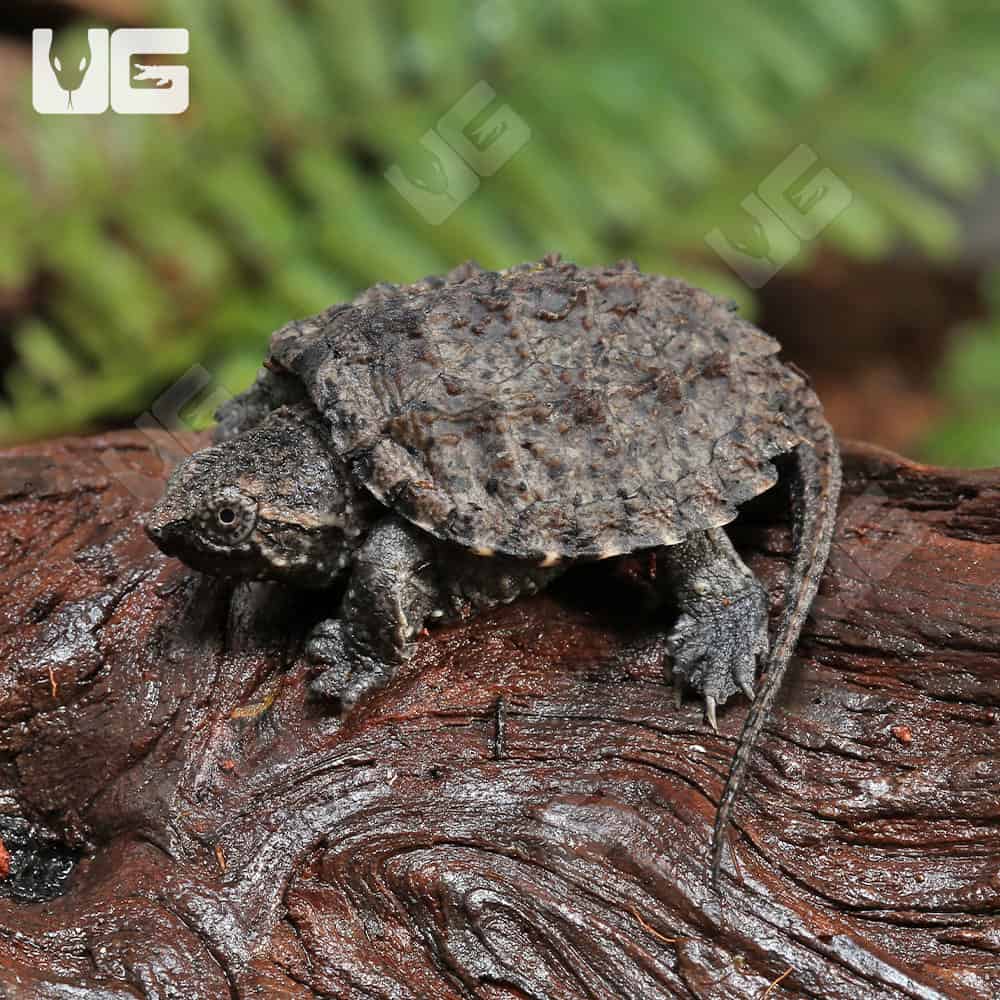
Baby snapping turtles have rough skin and long tails. Their heads are large compared to their bodies. Sharp beaks help them catch food. Their legs are strong with webbed feet for swimming. They have a fierce look even as babies.
Size And Weight
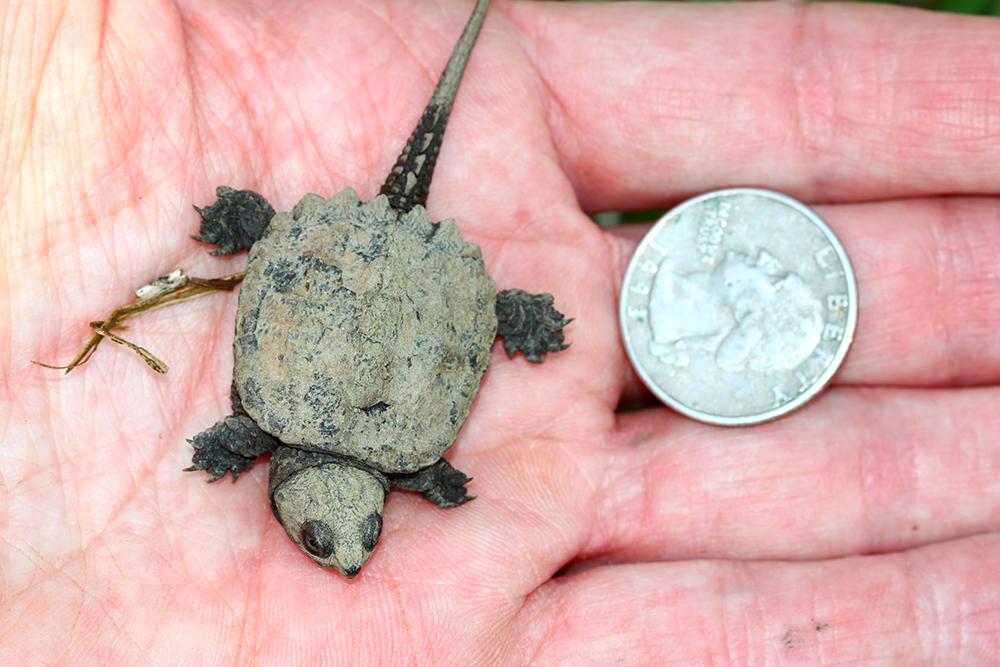
At birth, baby snapping turtles are small but sturdy. They usually measure about 2 to 3 inches long. Their weight ranges from 0.5 to 1 ounce. They grow steadily over the first few years. Size helps them hide from predators.
Shell Features
The shell of a baby snapping turtle is rough and ridged. It has three distinct ridges running along the top. The shell color varies from dark brown to olive green. The shell offers strong protection despite its small size. It also blends well with muddy waters.
Habitat And Distribution
Baby snapping turtles have specific places where they thrive. Understanding their habitat and distribution helps us know more about their life. These turtles prefer certain environments and live in distinct geographic areas. Their survival depends on these conditions.
Preferred Environments
Baby snapping turtles live mostly in freshwater. They like slow-moving rivers, ponds, and marshes. These places offer plenty of plants and hiding spots. Soft mud or sandy bottoms help them bury and stay safe. They avoid fast currents and deep waters. Calm, shallow water suits their needs best.
Geographic Range
These turtles are native to North America. They spread from Canada to the southern United States. Most baby snapping turtles live in the central and eastern parts. They are less common in the far west. Their range matches areas with many wetlands and lakes. This range supports their growth and safety.
Diet And Feeding Habits
Baby snapping turtles have unique diets that help them grow strong. Their feeding habits vary as they explore their watery homes. Young turtles eat a mix of plants and animals. This variety gives them the energy to develop their shells and muscles quickly. Understanding their diet helps us care for these turtles better and protect their environments.
Typical Foods
Baby snapping turtles eat small insects, worms, and tiny fish. They also nibble on aquatic plants and algae. Tadpoles and small frogs become snacks too. Sometimes, they eat dead animals found in the water. This mix of food provides protein and nutrients for fast growth.
Hunting Techniques
Baby snapping turtles use patience to catch food. They stay still and wait for prey to come close. Quick strikes help them grab food fast. They use their sharp beaks to bite and hold on. Their hunting skills improve as they get older.
Behavior Patterns
Baby snapping turtles have unique behavior patterns that help them survive. Understanding these patterns gives insight into their daily lives. They behave differently from other turtles, showing specific activity and defense habits.
These behaviors help them grow and avoid predators. Their actions are simple but effective in the wild.
Activity Levels
Baby snapping turtles are mostly active during the day. They move slowly and hide under water plants. Their activity increases in warm weather. They search for food like insects and small fish. They rest often to save energy. Young turtles spend much time in shallow water. This area gives safety and food access.
Defense Mechanisms
Baby snapping turtles use strong jaws to protect themselves. They snap quickly when threatened. Their shells are hard, offering good protection. They stay still to avoid detection. Sometimes, they hide under mud or leaves. These turtles may hiss to scare predators. Their slow movements help them blend into the environment.
Growth And Development
The growth and development of baby snapping turtles is a fascinating process. From tiny hatchlings to strong adults, these turtles change a lot. Understanding their growth helps us appreciate their life better.
Baby snapping turtles start very small but grow steadily over time. Their shells harden and their features become more defined. Each stage of growth shows new abilities and behaviors.
Growth Stages
Baby snapping turtles begin life at about 1.5 to 2 inches long. They hatch from eggs buried in soft soil near water. At first, they are vulnerable and hide from predators. In the next months, they grow quickly, feeding on small insects and plants.
As they grow, their shells thicken, and their claws become sharper. After one year, they reach about 4 to 5 inches in length. Juvenile turtles start exploring more and learn to catch larger prey. Growth slows down after the first few years but continues steadily.
Lifespan Expectations
Snapping turtles can live a long time. Baby turtles face many dangers early on. Few survive to adulthood. Those that do can live 20 to 30 years in the wild. Some live even longer in protected environments.
Healthy growth and good habitat increase their chances of a long life. Proper food and clean water help turtles grow strong. Watching their development shows how well they adapt to nature.

Credit: www.reddit.com
Caring For Baby Snapping Turtles
Caring for baby snapping turtles needs patience and careful attention. These turtles grow fast and need proper care to stay healthy. Setting up their home right, feeding them well, and watching their health closely makes a big difference. This guide helps you understand how to care for these young turtles step by step.
Tank Setup
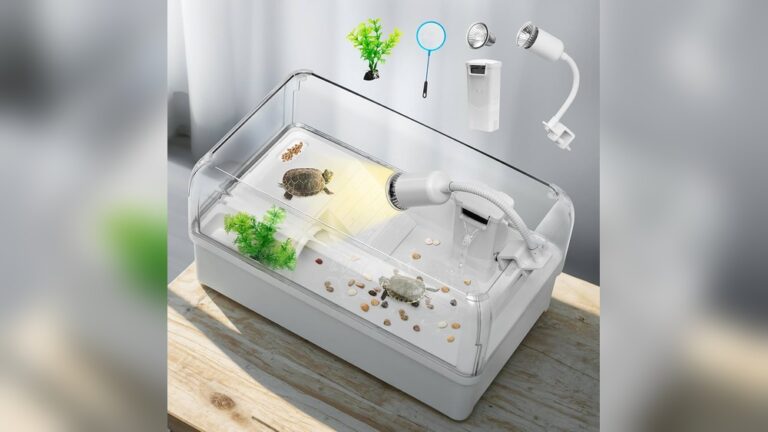
Choose a tank that holds at least 20 gallons of water. Baby snapping turtles need clean water to swim in. Use a water filter to keep the tank clean and clear. Provide a basking area with a heat lamp. The basking spot should be warm, around 85 to 90 degrees Fahrenheit. Use a UVB light to help turtles absorb calcium. Add hiding places like rocks or plants to reduce stress. Change part of the water every week to keep it fresh.
Feeding Tips
Feed baby snapping turtles a varied diet to keep them strong. Offer small pieces of fish, worms, and insects. You can also give turtle pellets made for carnivores. Feed them once a day, giving only as much as they can eat in 15 minutes. Avoid feeding large meals to prevent health problems. Provide fresh vegetables like lettuce or spinach a few times a week. Always remove leftover food to avoid water pollution.
Health Considerations
Watch for signs of illness such as swollen eyes or soft shells. Keep the tank clean to prevent infections. Maintain proper water temperature between 75 and 80 degrees Fahrenheit. Avoid sudden temperature changes to reduce stress. Regularly check for parasites or unusual behavior. Consult a vet if you notice any health problems. Early care helps baby snapping turtles grow into healthy adults.
Common Challenges
Baby snapping turtles face several challenges in their early life. These challenges affect their growth and survival. Understanding these issues helps protect these young turtles better.
Handling Risks
Handling baby snapping turtles can be risky. They have sharp jaws and can bite quickly. Their bites may cause pain or infection. Always use care when holding or moving them. Avoid stressing the turtle, as this can harm its health.
Environmental Threats
Baby snapping turtles live in fragile environments. Pollution and habitat loss are major threats. Chemicals in water can poison them. Loss of wetlands reduces their safe places to live. Predators like birds and fish also pose dangers. Protecting their environment helps increase their survival chances.
Credit: undergroundreptiles.com
Credit: www.forestsociety.org
How Smart Pets Lover Can Help You with Baby Snapping Turtle
Learning Through the Lens of Baby Snapping Turtle Care
Understanding the unique traits and behavior patterns of baby snapping turtles opens up a world of practical learning for any pet enthusiast. Observing how these little turtles adapt to their habitat and develop over time can teach patience and responsibility—key qualities in any pet parent’s journey. Their diet and feeding habits also provide a hands-on lesson in nutrition and environmental needs, reminding us that each species thrives best with tailored care.
At Smart Pets Lover, we believe that every interaction with animals deepens your connection and knowledge. By gently caring for a baby snapping turtle and overcoming common challenges, you cultivate empathy and confidence in handling diverse pets, whether dogs, cats, or aquatic creatures. If you ever need guidance or want to share your experiences, reaching out to local herpetology groups or trusted pet care communities can be invaluable resources. Remember, every wag, purr, and chirp tells a story—and so does every snap of a turtle’s curious bite.
Frequently Asked Questions
What Do Baby Snapping Turtles Eat?
Baby snapping turtles mainly eat insects, small fish, and aquatic plants. They are omnivores and adapt their diet to available food sources. Their sharp beaks help them catch prey efficiently in their freshwater habitats.
How Fast Do Baby Snapping Turtles Grow?
Baby snapping turtles grow rapidly during their first few years. They can reach 4-5 inches in shell length within 2 years. Growth rate depends on diet, environment, and water temperature, influencing their overall size and health.
Are Baby Snapping Turtles Aggressive Towards Humans?
Baby snapping turtles are generally less aggressive than adults. However, they can bite if threatened or handled improperly. It’s best to observe them from a distance to avoid stress or injury to both the turtle and you.
Where Do Baby Snapping Turtles Live?
Baby snapping turtles live in freshwater environments like ponds, lakes, and slow rivers. They prefer areas with muddy bottoms and abundant vegetation for hiding and hunting. These habitats provide shelter and food necessary for their survival.
Conclusion
Baby snapping turtles are fascinating little creatures. They grow quickly and have strong jaws. These turtles live mostly in water and enjoy hiding in mud. Watching them helps us learn about nature and wildlife. Taking care of their homes keeps them safe and healthy.
Every small action can help protect baby snapping turtles. Their unique habits make them special in the animal world. Keep exploring to discover more about these amazing turtles.