Baby Axolotl
Are you curious about baby axolotls and what makes them so special? These tiny, smiling creatures are not only adorable but also fascinating in how they grow and live.
Whether you’re thinking of bringing one into your home or just want to learn more, understanding baby axolotls is the first step. Keep reading, and you’ll discover everything you need to know to care for them and watch them thrive right before your eyes.

Credit: www.youtube.com
Axolotl Basics
Axolotls are fascinating creatures known for their unique appearance and unusual traits. These aquatic animals remain in their larval form throughout life. This makes them different from most amphibians. Learning the basics helps understand their care and behavior better.
Physical Features
Baby axolotls have soft, smooth skin that is usually pale pink or light gray. They have external gills that look like feathery branches on each side of their head. Their eyes are small and dark, without eyelids. They have tiny legs with webbed toes and a long tail for swimming. These features help them live and move in water.
Natural Habitat
Axolotls live in freshwater lakes and canals in Mexico. They prefer cool, calm water with lots of plants. These plants provide hiding spots and help keep the water clean. The water must be clear and oxygen-rich for them to thrive. Their natural environment is quiet and peaceful.
Lifespan
Axolotls can live for 10 to 15 years in good care. Their lifespan depends on water quality, diet, and temperature. Keeping them healthy means regular tank cleaning and proper feeding. A well-cared-for axolotl can be a long-term companion.
Caring For Baby Axolotls
Caring for baby axolotls requires patience and attention. Their tiny bodies need a safe and clean environment. Proper care helps them grow strong and healthy. Understanding their needs is important for their survival and happiness.
Tank Setup
Choose a tank with at least 10 gallons for baby axolotls. Use a soft, fine sand substrate or no substrate to protect their delicate skin. Avoid sharp decorations or rough surfaces. Provide hiding places like smooth caves or PVC pipes. Keep the tank covered to prevent escapes.
Water Conditions
Maintain water temperature between 60-64°F (16-18°C). Use a water filter with gentle flow to keep water clean. Test water weekly for ammonia, nitrites, and nitrates. Keep ammonia and nitrites at zero. Change 20-30% of the water twice a week. Use dechlorinated water for all changes.
Feeding Guidelines
Feed baby axolotls small live or frozen foods. Bloodworms and daphnia are good choices. Offer food twice a day in small amounts. Remove uneaten food to avoid water pollution. As they grow, introduce larger food like small earthworms. Monitor their eating habits to ensure proper growth.
Growth And Development
Baby axolotls grow and change quickly in their early life. Understanding their growth and development helps you care for them better. Their size, shape, and behavior all shift as they mature.
Watching these changes can be fascinating and rewarding. Each stage brings new traits and needs.
Stages Of Growth
Axolotls start as tiny eggs, hatching in about two weeks. Babies, called larvae, have gills and swim freely. During the first month, they grow limbs and their body shape changes. After several months, they look more like adult axolotls but stay smaller.
Size Changes
Newborn axolotls are about one inch long. They can grow up to 9 to 12 inches as adults. Growth happens fastest in the first six months. After that, growth slows but continues gradually. Healthy food and clean water support good size growth.
Behavioral Traits
Baby axolotls are shy and hide often. They explore their tank slowly at first. As they grow, they become more curious and active. They start to hunt live food with quick movements. Their behavior changes show their development and health.
Common Health Issues
Baby axolotls are delicate creatures that need careful attention. They can face several health problems early in life. Knowing common health issues helps keep them safe and healthy. Early detection improves their chances of recovery.
Signs Of Illness
Watch for changes in behavior. A sick baby axolotl may stop eating or move less. Look for swelling or redness on the body. Cloudy or swollen gills often mean infection. White spots or patches on the skin can be a sign of fungus. Unusual swimming, such as floating or sinking, signals distress.
Preventive Care
Keep the tank clean to avoid diseases. Change water regularly and check its quality. Maintain the right temperature, around 60-64°F (16-18°C). Provide a balanced diet with proper nutrients. Avoid overcrowding to reduce stress and illness. Quarantine new axolotls before adding them to the main tank.
Treatment Options
Treat infections with appropriate medication from a vet or pet store. Isolate sick axolotls to stop spreading disease. Improve water conditions immediately to help recovery. Remove any sharp objects that might injure your pet. In severe cases, seek expert advice quickly for best care.
Breeding Baby Axolotls
Breeding baby axolotls is a rewarding experience for many pet owners. It allows you to watch these unique creatures grow from tiny eggs to lively hatchlings. The process requires patience and care. Understanding the key steps helps ensure healthy babies.
Mating Process
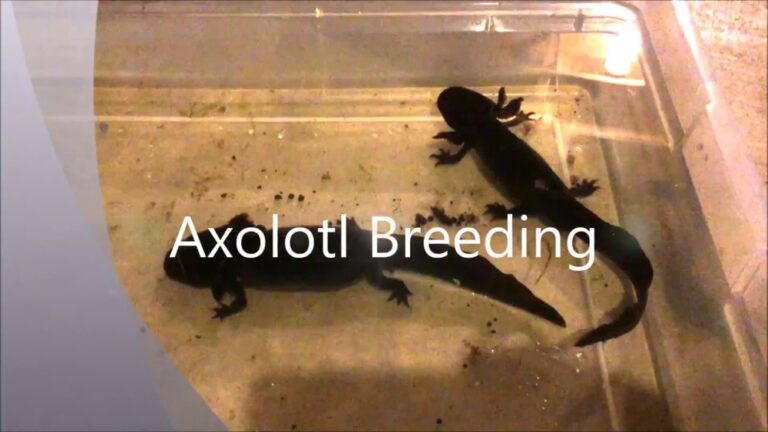
Axolotls usually mate in the water. The male deposits sperm packets, called spermatophores. The female picks them up with her cloaca. Fertilization happens inside her body. This process may take several hours. It is important to provide a calm environment during mating.
Egg Care
After fertilization, the female lays eggs on plants or tank surfaces. Eggs are small and jelly-like. Keep the water clean and cool to protect them. Avoid disturbing the eggs. Remove any fungus by using safe antifungal treatments. Good water quality increases egg survival rates.
Raising Hatchlings
Axolotl eggs hatch in about two weeks. Hatchlings are very small and delicate. Feed them tiny food, like baby brine shrimp or specialized pellets. Change water often to keep it clean. Separate the young axolotls from adults to prevent harm. Watch them closely as they grow fast.

Credit: www.amazon.com
Axolotl Myths
Axolotls have fascinated people for centuries. These unique creatures inspire many stories and myths. Understanding the truth about baby axolotls helps you care for them better. Let’s explore some common myths and the real facts behind these amazing animals.
Common Misconceptions
Many believe axolotls can live on land. This is false; they need water to survive. Some think axolotls are fish. Actually, they are amphibians. Another myth says axolotls can regrow any body part instantly. They do regenerate, but it takes time. People also assume axolotls are dangerous pets. In truth, they are gentle and shy.
True Facts
Baby axolotls hatch fully formed with tiny gills. They stay underwater their entire life. Axolotls can regrow limbs, tails, and even parts of their heart. They breathe through their skin and gills. These creatures remain in their larval form, a process called neoteny. Baby axolotls need clean, cool water to grow healthy. Knowing these facts helps you care for them properly.

Credit: www.reddit.com
How Smart Pets Lover Can Help You with Baby Axolotl
Learning Through the Journey of Your Baby Axolotl
Welcoming a baby axolotl into your home offers more than just companionship—it’s an ongoing learning experience that deepens your bond and understanding of these fascinating creatures. From observing their growth and development to navigating common health issues, every stage provides insight into responsible care. For example, paying close attention to their delicate skin and unique behaviors can teach you about their specific needs, helping prevent health problems before they arise.
Breeding baby axolotls, while a more advanced topic, also opens doors to practical lessons in genetics, tank setup, and water quality management. These hands-on experiences align perfectly with the ethos of Smart Pets Lover—empowering pet parents to become confident, informed caretakers who cherish every moment shared with their pets.
If you ever need guidance or want to connect with fellow axolotl enthusiasts, resources like Smart Pets Lover’s community forums or expert advice lines can be invaluable. Remember, patience and curiosity are your best tools in this rewarding journey.
Frequently Asked Questions
What Do Baby Axolotls Eat?
Baby axolotls eat small live foods like baby brine shrimp and daphnia. They require frequent feeding to grow healthy and strong. Avoid large or processed foods as they can harm their delicate digestive systems.
How Fast Do Baby Axolotls Grow?
Baby axolotls grow rapidly in their first few months. They can double in size within the first 3 months with proper care. Growth rates depend on diet, water quality, and temperature.
What Is The Ideal Tank For Baby Axolotls?
A separate tank with clean, cool water around 60-64°F is best. Use fine sand or bare bottom to avoid ingestion hazards. Keep water well-filtered and free of strong currents to protect baby axolotls.
How Often Should Baby Axolotls Be Fed?
Feed baby axolotls daily, ideally twice a day. Small, frequent meals support their growth and development. Remove uneaten food to maintain water quality and prevent illness.
Conclusion
Baby axolotls are fascinating pets that need special care. They grow slowly and need clean water to stay healthy. Watching their unique features develop is truly exciting. These little creatures teach patience and responsibility. Remember to provide a safe tank and good food.
Enjoy the calm and beauty they bring to your home. Caring for baby axolotls can be a joyful experience for all ages. Keep learning about their needs to help them thrive. A happy axolotl means a happy owner.