Asterina Starfish
Have you ever wondered what makes the Asterina starfish so unique? These tiny sea creatures might seem simple, but they hold fascinating secrets beneath their small, spiky bodies.
If you’re curious about marine life or looking to add something interesting to your aquarium, understanding the Asterina starfish could surprise you. Keep reading to discover why this little starfish captures the attention of ocean lovers and how it might change the way you see the underwater world.
Asterina Starfish Basics
The Asterina starfish is a small sea creature with a unique look. It lives in shallow waters and rocky shores. This starfish is popular among marine life lovers. It plays a role in its ecosystem by feeding on algae and small particles.
Understanding the basics of the Asterina starfish helps appreciate its place in the ocean. Its simple body and different types make it interesting to study and observe.
Physical Features
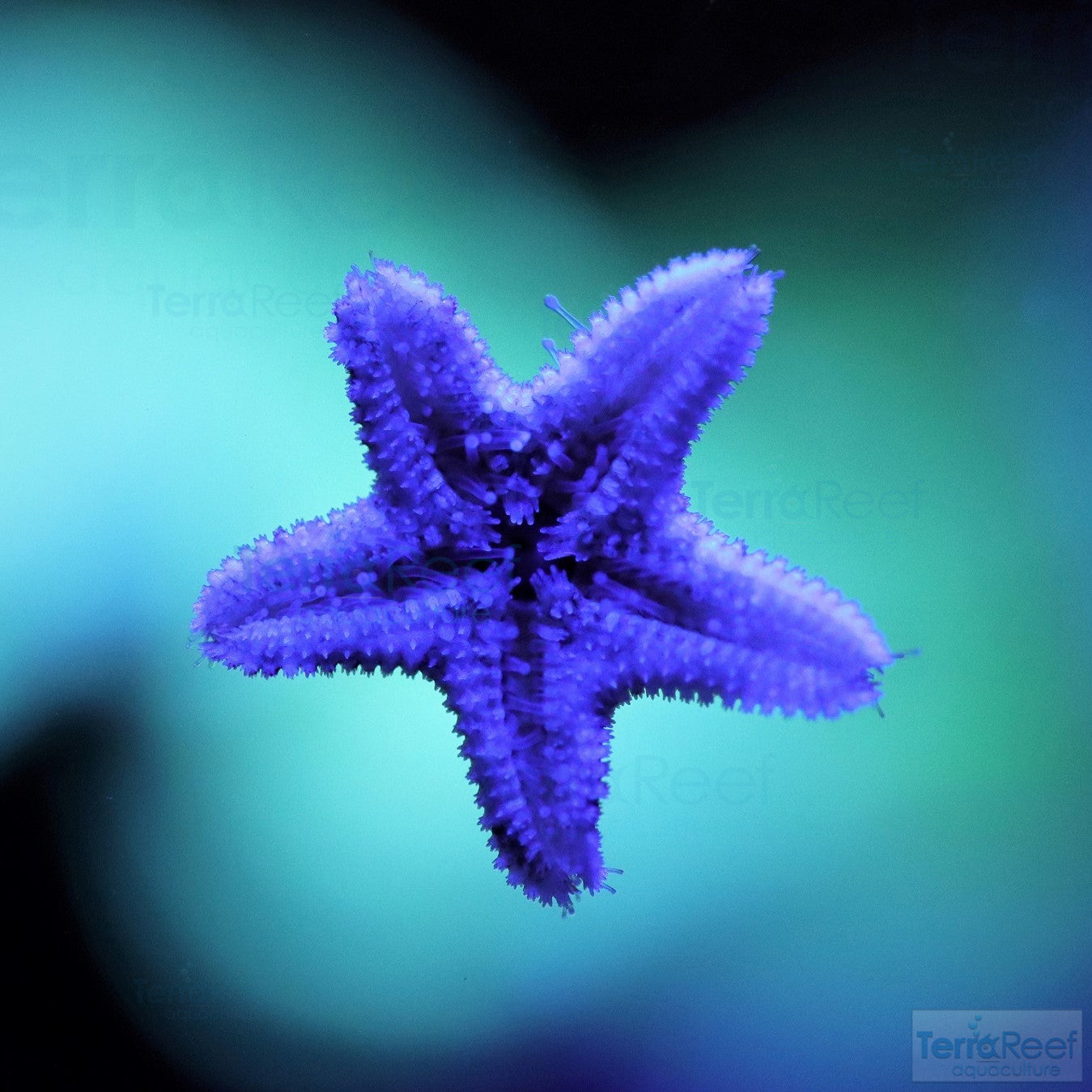
The Asterina starfish is usually tiny, about one to two inches wide. It has five arms that spread out from its center. Its body surface can be rough or smooth. Colors vary, including shades of brown, orange, red, or yellow. The starfish moves slowly using tiny tube feet under its arms. These feet also help it hold onto rocks and catch food.
Species Variations
There are several species of Asterina starfish. Each species shows differences in size, color, and shape. Some have short arms, while others have longer ones. Their colors help them blend into their surroundings. Different species live in different parts of the world. This variety helps them survive in many ocean habitats.
Credit: www.terrareef.com
Habitat And Distribution
The habitat and distribution of the Asterina starfish reveal much about its lifestyle and survival. This small starfish prefers specific places in the ocean. Understanding where it lives helps explain its role in the marine ecosystem.
Preferred Environments
Asterina starfish mostly live in shallow waters. They favor rocky shores and coral reefs. These areas offer plenty of hiding spots and food. The starfish often cling to algae and stones. They need clean water with moderate currents. Too strong a current can wash them away. They thrive best where sunlight reaches the ocean floor.
Geographical Range
Asterina starfish are found mainly in warm coastal waters. They live along the coasts of the Americas. Their range extends from the east coast of the United States down to South America. Some species also appear near islands in the Atlantic Ocean. Their spread depends on water temperature and habitat availability. This starfish rarely moves far from its home area.
Feeding Habits
The feeding habits of the Asterina starfish reveal much about its role in the marine ecosystem. This small starfish has unique ways to find and eat its food. It does not just eat anything; it prefers certain types of food that suit its size and environment.
Understanding what and how the Asterina starfish eats helps us learn about its behavior and survival. These habits also affect the balance of life in shallow waters where it lives.
Diet Composition
The Asterina starfish mainly eats algae and tiny animals. It feeds on detritus and small organic particles found on rocks. Sometimes, it consumes small invertebrates like tiny mollusks and crustaceans. This diet helps it get enough nutrients to grow and stay healthy. It rarely hunts large prey due to its small size.
Feeding Techniques
This starfish uses a slow and careful approach to feed. It moves over surfaces with its tube feet, searching for food. It can evert its stomach through its mouth to digest food outside its body. This technique allows the starfish to break down food before pulling it back in. It helps digest food that is hard to chew or swallow.

Credit: fantaseaaquariums.com
Reproduction And Lifespan
The Asterina starfish has unique ways to reproduce and grow. Its life cycle shows interesting stages. Understanding its reproduction and lifespan helps us learn about its role in the ocean.
Reproductive Methods
Asterina starfish reproduce both sexually and asexually. They release eggs and sperm into the water. Fertilization happens outside the body. Some can also regenerate lost arms to form new starfish. This method helps increase their numbers quickly.
Growth Stages
After fertilization, larvae float in the water. They grow and change shape during this time. Eventually, they settle on the ocean floor. Then, they develop into small starfish. Growth continues as they feed and mature.
Average Lifespan
The average lifespan of Asterina starfish is about 2 to 3 years. Their life depends on food and environment. Predators and diseases also affect their survival. A healthy habitat helps them live longer.
Behavior And Movement
The behavior and movement of the Asterina starfish reveal much about its survival and daily life. This small sea creature moves quietly along the ocean floor. Its actions show how it finds food and interacts with others in its environment. Understanding these behaviors helps us appreciate this starfish’s role in marine ecosystems.
Locomotion Style
Asterina starfish move using tiny tube feet on their underside. These feet work like suction cups. They help the starfish grip surfaces and pull itself forward. Movement is slow but steady. The starfish can also change direction easily. This helps it explore rocky areas and seaweed beds.
Its flexible body allows it to squeeze through small spaces. This skill helps the starfish hide from predators. It also aids in searching for food like algae and small animals.
Social Interactions
Asterina starfish often live in groups. They show simple social behaviors. For example, they sometimes gather in clusters on rocks. This behavior may offer protection or better access to food.
These starfish communicate using chemical signals. This helps them sense nearby starfish and avoid danger. Though not highly social, their interactions play a key role in survival.
Role In The Ecosystem
The Asterina starfish plays an important role in marine ecosystems. It helps keep the environment balanced. This small starfish affects many other sea creatures and plants. Its presence supports a healthy underwater world.
By feeding on algae and detritus, Asterina starfish helps control algae growth. This prevents algae from overgrowing and harming coral reefs. The starfish also acts as food for other animals. It fits into the food web as both predator and prey.
Predators And Threats
Many fish and crabs eat Asterina starfish. These predators keep its population in check. Without them, starfish numbers could grow too large. Human activities like pollution and habitat loss pose threats. Pollution can weaken starfish and reduce their numbers. Habitat loss limits their living space along the coast. Protecting these starfish means protecting their homes and water quality.
Ecological Impact
Asterina starfish influence the balance of marine life. They clean the ocean floor by eating dead material. This helps recycle nutrients back into the ecosystem. By controlling algae, they support coral reef health. Healthy reefs provide shelter for many fish and animals. Their role supports biodiversity and strengthens the food chain.
Care In Aquariums
Asterina starfish are small, fascinating creatures that add life to home aquariums. Their care needs are simple but important. Proper care helps them stay healthy and active. Learn about tank setup, feeding, and common challenges below.
Tank Setup
Choose a tank with stable water conditions. A 10-gallon tank works well for a few Asterina starfish. Keep the temperature between 72 and 78°F. Use a good filter to maintain clean water. Add live rock for hiding places and grazing surfaces. Avoid sharp decorations that could harm them.
Feeding Tips
Asterina starfish mainly eat algae and detritus. Supplement their diet with small pieces of fish food or algae wafers. Feed them twice a week to avoid overfeeding. Watch their activity to ensure they find enough food. Remove leftover food to keep the tank clean.
Common Challenges
Overfeeding causes poor water quality and health issues. Starfish may hide if water parameters change suddenly. They can be sensitive to copper and chemicals in medications. Watch for signs of stress like discoloration or inactivity. Regular water tests help spot problems early.

Credit: fantaseaaquariums.com
How Smart Pets Lover Can Help You with Asterina Starfish
Exploring Asterina Starfish: A Hands-On Learning Experience
Understanding the fascinating behavior and movement of Asterina starfish offers more than just curiosity—it opens doors to practical learning in marine biology and responsible pet care. Observing their feeding habits, for example, can teach us about the delicate balance within aquatic ecosystems and the starfish’s role in maintaining it. This insight is invaluable for anyone considering keeping these creatures in home aquariums, where replicating their natural habitat and diet is key to their wellbeing.
At Smart Pets Lover, we believe every pet parent deserves to feel confident and connected with their animals—whether it’s a dog, bird, or a unique pet like the Asterina starfish. By learning about their reproduction and lifespan, you gain a deeper appreciation for their life cycle, which can enhance your care strategies and foster a stronger bond.
- Observe their natural habitat conditions to mimic in aquariums
- Note their feeding preferences for balanced nutrition
- Understand their behavior to anticipate health needs
For further guidance or to share your experiences, feel free to reach out to us at [email protected]. After all, every creature has a story, and learning about these little starfish can enrich yours.
Frequently Asked Questions
What Is An Asterina Starfish?
An Asterina Starfish is a small, five-armed sea star. It typically inhabits shallow coastal waters and rocky shores. Known for its diverse colors, it plays a vital role in marine ecosystems by feeding on algae and detritus.
Where Can Asterina Starfish Be Found?
Asterina Starfish are commonly found in temperate and tropical coastal waters worldwide. They prefer rocky tide pools, coral reefs, and shallow marine habitats. Their adaptability allows them to thrive in various environments, including both intertidal and subtidal zones.
How Does Asterina Starfish Reproduce?
Asterina Starfish reproduce both sexually and asexually. They release eggs and sperm into the water for external fertilization. Some species can also regenerate lost arms or split their bodies to form new individuals, aiding population growth.
What Does Asterina Starfish Eat?
Asterina Starfish primarily feed on algae, detritus, and small invertebrates. Their diet helps control algae growth on reefs, maintaining ecological balance. They use their tube feet to move and capture food efficiently.
Conclusion
Asterina starfish are small but fascinating sea creatures. They live in shallow waters and have unique shapes. These starfish play an important role in ocean life. Watching them helps us learn about marine ecosystems. They remind us to care for ocean habitats.
Exploring their world can be fun and educational. Keep an eye out for these little stars on your next beach visit. Simple creatures with a big impact.