Assassin Snail
Are you tired of unwanted pests invading your aquarium? Meet the assassin snail – your new secret weapon.
This tiny but powerful creature is known for keeping your tank clean by hunting down pesky snails that can quickly take over. If you want a natural, effective way to maintain a healthy underwater environment, understanding the assassin snail could change everything.
Keep reading to discover why this fascinating snail might be exactly what your aquarium needs.
Assassin Snail Basics
The assassin snail is a unique creature often found in freshwater aquariums. It is known for its distinct appearance and hunting skills. Many aquarium owners appreciate this snail because it helps control pest snail populations naturally.
Understanding the basics of the assassin snail helps in caring for them properly. Below are some key points about their physical features, natural habitat, and behavior patterns.
Physical Features
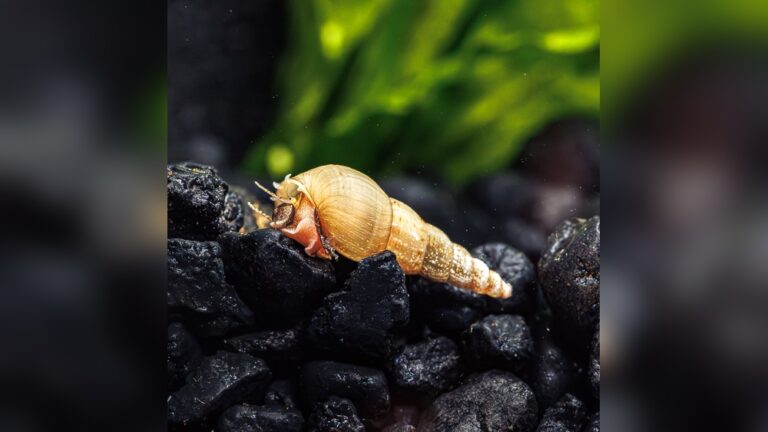
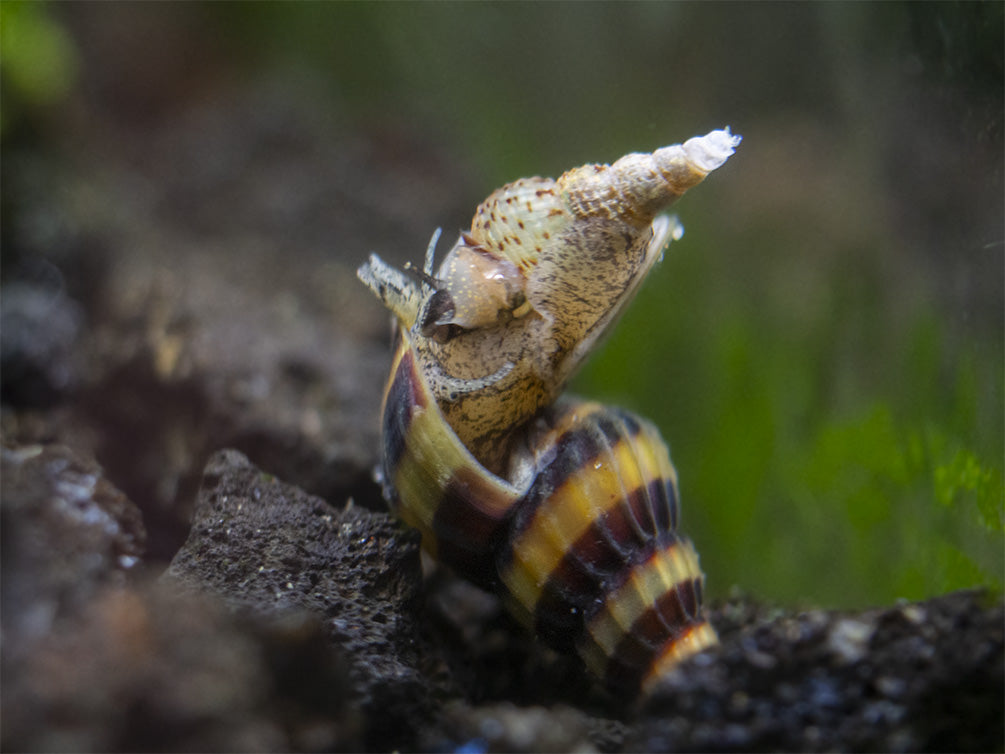
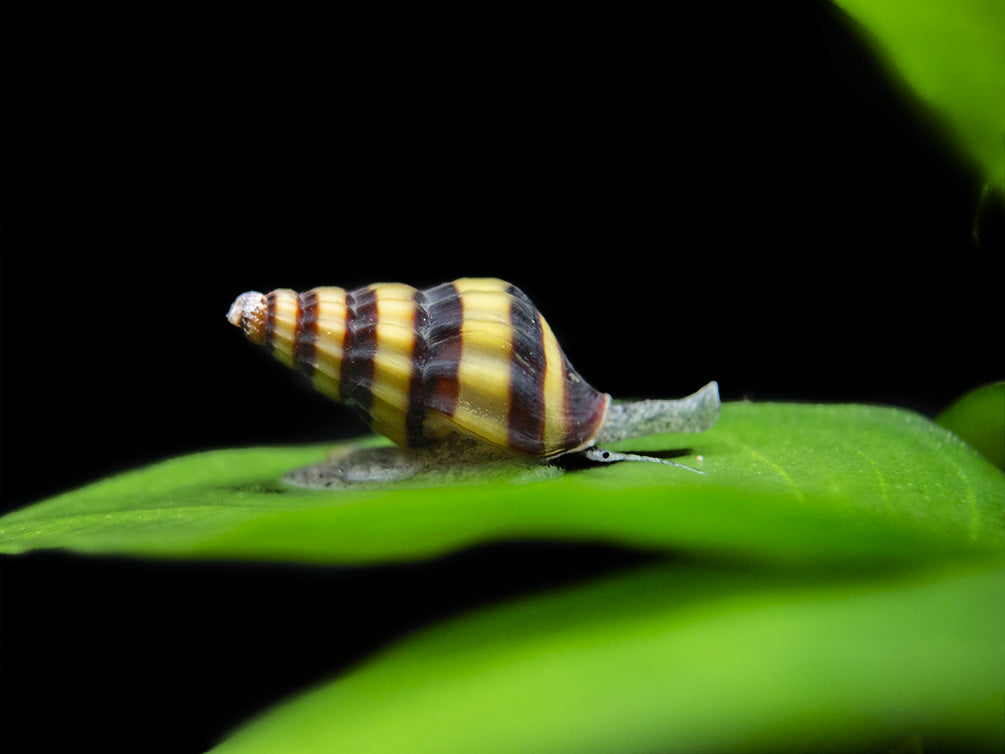
Assassin snails have a cone-shaped shell with brown and yellow stripes. Their shells can grow up to 2 inches long. They have a pointed, sharp-looking head used to catch prey. Their body is soft and usually dark-colored. These features make them easy to spot in an aquarium.
Natural Habitat
Assassin snails come from freshwater rivers and streams in Southeast Asia. They prefer slow-moving waters with lots of plants and hiding spots. These snails live on the bottom of the water, often near rocks or plants. The natural environment provides food and protection for them.
Behavior Patterns
Assassin snails are active hunters. They mainly eat other snails, especially pest species. They use their sharp head to attack and eat their prey. They are most active during the night or early morning. These snails move slowly but are effective in controlling snail populations.
Diet And Feeding
Assassin snails have a unique diet that sets them apart from other freshwater snails. They are carnivores and mainly eat other snails. This feeding habit helps control unwanted snail populations in aquariums. Understanding their diet and feeding behavior is key to keeping them healthy and active.
Their eating habits also make them interesting to watch. Assassin snails use specific techniques to hunt and capture prey. Knowing how often they eat and what they prefer helps aquarium owners provide the best environment for them.
Preferred Prey
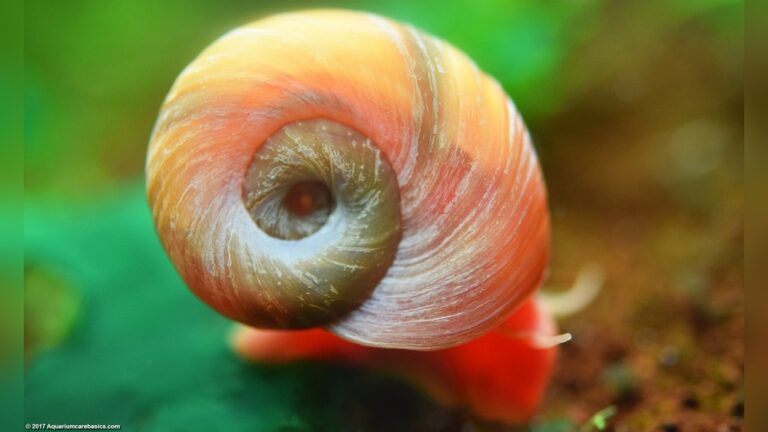
Assassin snails mainly eat smaller snails. They target pest snails like pond snails and ramshorn snails. These prey are easy to catch and provide the nutrition assassin snails need. They avoid plants and algae, focusing only on live prey. This selective diet helps keep tanks clean without harming plants.
Hunting Techniques
Assassin snails use a slow and steady approach to catch prey. They sense vibrations and chemicals in the water. Once they locate a snail, they latch onto its shell. Then, they use a sharp, pointed mouthpart to pierce the prey’s soft body. This method ensures a quick and effective hunt. Watching this process shows their patience and skill.
Feeding Frequency
Assassin snails do not need to eat every day. They can survive on a few meals each week. In tanks with many pest snails, feeding happens naturally. In other setups, occasional feeding with snail pellets or frozen foods helps. Overfeeding can cause water problems, so feeding should be moderate. This balance keeps snails healthy and tanks clean.
Tank Setup
Setting up a tank for Assassin Snails is simple and rewarding. These snails thrive in well-maintained environments. Proper tank setup helps them stay healthy and active.
Understanding their needs ensures they live longer and do their job well. Below are key points for creating the perfect tank.
Ideal Water Conditions
Assassin Snails prefer slightly acidic to neutral water. Keep pH levels between 6.5 and 7.5. Water temperature should be stable, around 72 to 78°F (22 to 26°C). Regular water changes help keep ammonia and nitrite low. Use a gentle filter to avoid strong currents. Clean water supports snail health and activity.
Tank Size Recommendations
A 5-gallon tank is enough for a small group of Assassin Snails. Larger tanks, 10 gallons or more, support more snails and other species. More space means less stress and better water quality. Provide hiding spots with plants or decorations. Snails need room to explore and hunt.
Compatible Tank Mates
Choose peaceful fish that do not harm snails. Small tetras, guppies, and shrimp work well. Avoid aggressive fish like cichlids or large gouramis. Other snail species can live with Assassin Snails if space allows. Keep an eye on interactions to ensure safety. Balanced tank mates create a calm environment.

Credit: www.aquariumcoop.com
Breeding Assassin Snails
Breeding Assassin Snails can be a rewarding experience. These snails have unique behaviors that make their breeding fascinating. Understanding their mating, egg laying, and juvenile care helps ensure success. Observing their life cycle also offers insight into their natural habits.
Mating Process
Assassin Snails are hermaphrodites, meaning each snail has both male and female organs. They usually mate by exchanging sperm with another snail. This process can last several hours. After mating, both snails can lay eggs. Mating often happens in the early morning or late evening.
Egg Laying And Care
After mating, Assassin Snails lay small clusters of eggs. They prefer to attach eggs to hard surfaces like aquarium glass or plant leaves. The eggs are tiny and white, often hidden in safe spots. Keep the water clean and stable to protect eggs. Avoid disturbing the eggs until they hatch.
Raising Juveniles
Juvenile Assassin Snails hatch after about two weeks. They look like tiny adults but need soft food. Feeding crushed fish food or algae helps their growth. Provide plenty of hiding places to protect juveniles from bigger tank mates. Clean water and gentle care ensure healthy snails.
Benefits In Aquariums
Assassin snails bring many benefits to home aquariums. They help keep tanks clean and healthy. Their natural habits support a balanced environment for fish and plants.
These snails are easy to care for and work quietly in the background. They are a natural way to manage common aquarium problems.
Pest Control
Assassin snails feed on pest snails that can overrun your tank. They reduce snail population without harming fish or plants. This control helps keep the aquarium tidy and prevents damage.
Algae Management
While assassin snails focus on pests, they also help control algae indirectly. By keeping pest snails in check, algae growth is less likely to spread quickly. This support helps maintain clear water and healthy plants.
Ecosystem Balance
These snails fit well in a balanced aquarium ecosystem. They do not disturb fish or plants. Their presence encourages natural cleaning processes and supports overall tank health.
Common Challenges
Assassin snails are popular for controlling pest snails in aquariums. They are easy to care for but still have some challenges. Knowing these helps keep them healthy and effective in your tank.
Overpopulation Issues
Assassin snails reproduce slowly compared to other snails. Yet, a few can multiply quickly in a balanced environment. Overpopulation can cause competition for food and space. It may also stress other tank inhabitants. Regular monitoring helps control their numbers.
Feeding Problems
Assassin snails mainly eat other snails. Lack of prey can lead to hunger and weakness. They may starve if no pest snails are present. Supplement their diet with sinking carnivore pellets or frozen foods. This keeps them strong and active.
Health Concerns
Water quality affects assassin snail health greatly. Poor water causes shell damage and disease. Avoid high nitrate and ammonia levels. Keep the tank clean and stable. Watch for signs of illness like inactivity or shell erosion.
Purchasing And Care Tips
Assassin snails are popular for their unique behavior and helpful nature in aquariums. Proper care starts with choosing the right snails and maintaining them well. This section covers key tips for purchasing and caring for assassin snails. These tips help keep them healthy and active in your tank.
Selecting Healthy Snails
Choose snails that look active and have intact shells. Avoid snails with cracks or holes in their shells. Healthy snails move steadily and respond to touch. Pick snails from clean, reputable stores or suppliers. Check for any signs of disease or parasites. Fresh and lively snails adapt better to new tanks.
Quarantine Practices
Keep new snails separate from your main tank for a few weeks. Use a small quarantine tank with clean water and proper filtration. Observe snails for any illness or unwanted pests. Quarantine stops diseases from spreading to other tank inhabitants. Regular water changes and feeding support their health during this period.
Long-term Maintenance
Maintain stable water conditions with regular testing for pH and ammonia. Feed snails a balanced diet, including algae and sinking pellets. Remove uneaten food to prevent water pollution. Clean the tank substrate gently to avoid disturbing the snails. Monitor snail numbers to prevent overcrowding and competition for food.
Credit: aquaticarts.com
Credit: aquaticarts.com
How Smart Pets Lover Can Help You with Assassin Snail
Learning from Assassin Snails: Practical Insights for Your Aquarium
Understanding Assassin Snail behavior opens up wonderful opportunities for hands-on learning, especially when you combine knowledge of their diet and tank setup. Observing how these snails manage pest control naturally teaches patience and responsibility—qualities every pet parent cherishes. Their selective feeding habits offer a glimpse into aquatic ecosystems, encouraging you to explore how balance in a tank supports healthy environments.
Breeding Assassin Snails can also be a fascinating project, providing lessons in life cycles and habitat needs. It’s rewarding to see how thoughtful tank arrangements enhance not only snail health but the entire aquarium community. At Smart Pets Lover, we believe that every pet interaction deepens your connection with nature’s wonders, fostering confidence and care.
If you ever want to discuss more about aquarium care or share your experiences, feel free to reach out to us. After all, where every wag, purr, and chirp tells a story, every splash and shell does too.
Frequently Asked Questions
What Is An Assassin Snail And Its Main Purpose?
An Assassin Snail is a freshwater snail that preys on pest snails. It helps control unwanted snail populations in aquariums. Its unique hunting ability makes it a natural pest controller, ideal for maintaining balanced tank ecosystems.
How Do Assassin Snails Eat And Hunt Prey?
Assassin Snails use their proboscis to drill into other snails’ shells. They inject digestive enzymes to liquefy the prey’s insides. This efficient hunting method allows them to consume pest snails quickly and effectively.
Are Assassin Snails Safe For Planted Aquariums?
Yes, Assassin Snails are safe for planted tanks. They do not harm plants or fish. They focus on pest snails, helping keep tanks clean without disrupting the ecosystem.
How To Care For Assassin Snails In Aquariums?
Provide a clean, well-maintained tank with stable water parameters. Feed them occasionally with sinking pellets or pest snails. Ensure hiding spots with plants or decorations for a stress-free environment.
Conclusion
Assassin snails add balance to your aquarium ecosystem. They help control pest snail populations naturally. These snails are easy to care for and interesting to watch. Their unique behavior makes them a great addition for hobbyists. Keep tank conditions stable for their best health.
Overall, assassin snails bring both function and charm to tanks. Consider them if you want a simple, natural way to manage snails. They blend well with many freshwater fish and plants. A small change that makes a big difference.