Aquarium Plants Ebook
Are you looking to transform your aquarium into a vibrant, thriving underwater garden? An Aquarium Plants Ebook can be your ultimate guide to making that happen.
Whether you’re a beginner or have some experience, this ebook will help you choose the right plants, care for them properly, and create a stunning aquatic environment. Imagine the satisfaction of watching your fish swim through lush greenery, knowing you made it all possible.
Keep reading to discover how this simple resource can change your aquarium experience for the better.

Credit: father-fish-aquarium.myshopify.com
Choosing Aquarium Plants
Choosing the right plants for your aquarium is important. Plants bring life and color to your tank. They also help keep the water clean and healthy. Picking the right types depends on your experience, tank size, and the look you want. This guide helps you find the best plants for your aquarium.
Types Of Aquarium Plants
There are many types of aquarium plants. Some float on the water surface. Others grow rooted in the soil. Common types include stem plants, mosses, and rosette plants. Each type needs different care and light. Knowing these types helps you pick plants that fit your tank.
Selecting Plants For Beginners
Beginners should choose easy plants. These plants grow well without much care. Examples are Java fern, Anubias, and Amazon sword. These plants do not need strong light or special fertilizers. They also grow slowly, so they need less trimming. Easy plants help beginners enjoy their aquarium.
Matching Plants To Tank Size
Tank size affects which plants you can use. Small tanks need small plants that do not grow fast. Large tanks can hold big plants and many types. Choose plants that fit well and do not overcrowd your tank. This keeps the aquarium balanced and healthy for fish and plants.
Plant Care Basics
Understanding plant care basics is key for a thriving aquarium. Healthy plants improve water quality and provide shelter for fish. This section covers essential care tips that help plants grow strong and vibrant.
Lighting Requirements
Plants need light to make food through photosynthesis. Different plants require different light levels. Some need bright light for at least 8 hours a day. Others grow well in low or medium light. Use LED or fluorescent lights designed for aquariums. Avoid direct sunlight to prevent algae growth.
Water Conditions
Water quality affects plant health greatly. Maintain a stable temperature between 72°F and 82°F. Most plants prefer slightly acidic to neutral water with pH 6.5 to 7.5. Regular water changes help remove waste and keep plants healthy. Avoid sudden changes in water parameters.
Fertilizing Techniques
Plants need nutrients to grow well. Use liquid fertilizers or root tabs to supply essential minerals. Follow product instructions for correct doses. Avoid over-fertilizing as it can cause algae problems. Natural fish waste also provides some nutrients for plants.
Planting And Arrangement
Planting and arrangement play a big role in a healthy aquarium. Good plant placement makes the tank look natural and keeps fish happy. This section covers the basics of choosing the right substrate, planting techniques, and creating beautiful aquascapes.
Substrate Selection
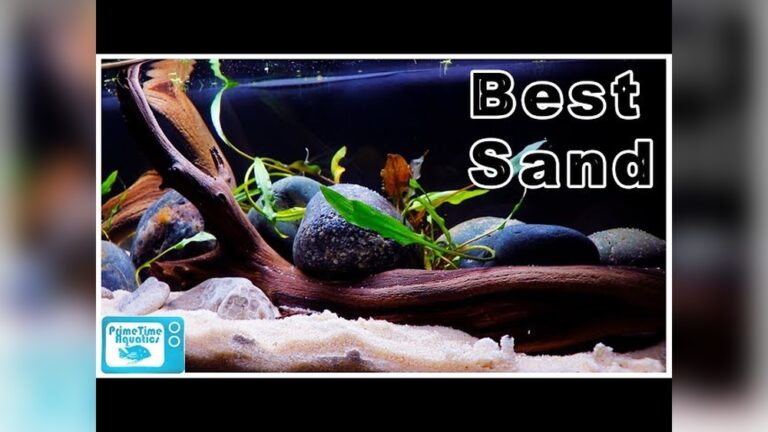
Substrate is the base layer at the bottom of the aquarium. It supports plant roots and holds nutrients. Choose substrates like gravel, sand, or specialized plant soil. Each type affects plant growth differently. A nutrient-rich substrate helps plants grow faster and healthier. Avoid sharp or large gravel that can harm roots.
Planting Methods
Different plants need different ways to plant. Some require burying roots deep in the substrate. Others attach to rocks or driftwood. Use tweezers or your fingers for careful planting. Space plants well to avoid crowding. Regular trimming helps plants stay healthy and neat. Planting in groups creates a natural look.
Designing Aquascapes
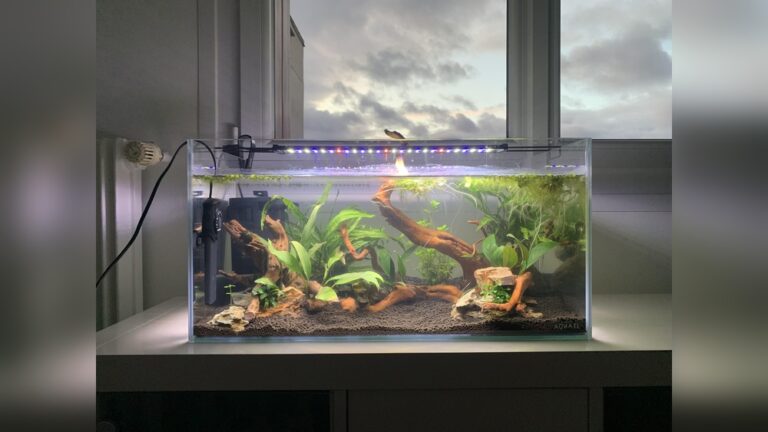
Aquascaping is the art of arranging plants and decorations. Start with a clear plan for your layout. Use tall plants at the back and short ones in front. Create open spaces for fish to swim freely. Combine different textures and colors for visual interest. Balance is key to a pleasing aquascape. Keep the design simple to maintain easily.
Common Plant Issues
Aquarium plants bring life and color to any tank. They also need care and attention to grow well. Many hobbyists face common problems with their plants. These problems can stop plants from thriving. Understanding these issues helps keep plants healthy and beautiful.
Algae Control
Algae can quickly cover aquarium plants. It blocks light and uses nutrients meant for plants. Controlling algae keeps plants clean and healthy. Simple steps like reducing light time help. Using algae-eating fish or snails also works. Regular water changes remove excess nutrients that feed algae.
Pest Management
Pests like snails and worms harm plants. They eat leaves and damage roots. Identifying pests early prevents big problems. Manual removal is a safe option. Some natural treatments also reduce pests. Avoid chemicals that can hurt fish or plants.
Troubleshooting Growth Problems
Slow or poor plant growth happens often. Lack of light, nutrients, or CO2 can cause this. Check water quality and adjust lighting. Adding plant fertilizers may boost growth. Trim dead leaves to encourage new shoots. Healthy plants brighten the whole aquarium.
Advanced Techniques
Advanced techniques help aquarium enthusiasts create lush and healthy underwater gardens. These methods improve plant growth and aquarium balance. Understanding these skills can enhance the beauty and health of your tank.
Co2 Injection
CO2 injection adds carbon dioxide to the water. Plants use CO2 to grow faster and stronger. This method boosts photosynthesis, making plants green and vibrant. It requires careful control to avoid harming fish.
Plant Propagation
Plant propagation means growing new plants from existing ones. You can cut stems or divide roots to create more plants. This technique saves money and keeps your aquarium full of life. It also helps replace old or damaged plants.
Using Aquatic Mosses
Aquatic mosses add texture and shelter to your aquarium. They grow on rocks, wood, or substrate. Mosses improve water quality by absorbing nutrients. They provide hiding spots for small fish and shrimp.

Credit: www.amazon.com
Popular Aquarium Plants
Aquarium plants bring life and color to any fish tank. They create a natural habitat for fish and help keep water clean. Many hobbyists enjoy choosing plants that match their tank size and lighting.
This section covers popular aquarium plants. It includes easy species, rare varieties, and care tips. Learn which plants fit your tank and how to grow them well.
Easy-to-grow Species
Some plants thrive with little care. They are perfect for beginners or busy hobbyists. Examples include Java Fern, Anubias, and Amazon Sword. These plants need low light and grow slowly. They also help keep fish safe with their broad leaves.
Rare And Exotic Varieties
Some plants stand out for their unique shapes and colors. These exotic types add interest and beauty to tanks. Examples are the Red Tiger Lotus and Rotala Macrandra. They require more light and care. Perfect for those who want a special underwater garden.
Plant Profiles And Care Tips
Each plant needs specific care to grow healthy. Factors include light, temperature, and water type. Java Moss grows well in cool water and low light. The Dwarf Hairgrass prefers bright light and soft water. Knowing these details helps plants thrive and look great.

Credit: www.kobo.com
How Smart Pets Lover Can Help You with Aquarium Plants Ebook
Bringing Aquarium Plants Ebook Insights to Life
When diving into the world of aquarium plants, having a reliable guide can transform your experience from guesswork to joyful discovery. An Aquarium Plants Ebook offers a practical way to deepen your understanding of plant care basics, planting and arrangement, and even troubleshooting common plant issues. It’s like having a knowledgeable friend by your side, sharing tips that make a real difference in your tank’s health and beauty.
At Smart Pets Lover, we believe every pet parent deserves to feel confident and connected — whether you’re choosing the right plants or mastering advanced techniques. By blending what you learn from trusted resources with your own hands-on practice, you’ll create a thriving aquatic environment that tells a story of care and dedication.
- Review plant care routines to maintain vibrant growth
- Experiment with creative arrangements that suit your tank’s personality
- Identify and address plant issues early for lasting success
If you ever want to chat about your aquatic adventures or need advice, feel free to reach out to us at [email protected]. Remember, nurturing your aquarium plants is not just about aesthetics — it’s about building a living, breathing ecosystem that brings peace and joy to your home.
Frequently Asked Questions
What Are The Best Aquarium Plants For Beginners?
The best aquarium plants for beginners are hardy and low maintenance. Examples include Java Fern, Anubias, and Amazon Sword. These plants thrive in various water conditions and require minimal care, making them perfect for new aquarium hobbyists.
How To Choose The Right Plants For My Aquarium?
Choose plants based on tank size, lighting, and water conditions. Research each plant’s needs and compatibility with your fish. Consider growth rate and maintenance level to ensure a healthy, balanced aquarium ecosystem.
Can Aquarium Plants Improve Fish Health?
Yes, aquarium plants enhance fish health by oxygenating water and reducing toxins. They provide hiding spots and reduce stress for fish. Healthy plants create a natural, balanced environment that supports fish well-being.
What Equipment Is Needed For Growing Aquarium Plants?
Essential equipment includes proper lighting, substrate, and fertilizers. LED lights promote photosynthesis, while nutrient-rich substrate supports root growth. CO2 injection systems can boost plant health but are optional for beginners.
Conclusion
This ebook offers easy tips to grow healthy aquarium plants. It helps you choose the right plants for your tank. You will learn how to care for them step by step. A beautiful aquarium brings calm and joy to any room.
Small changes make a big difference in your fish’s home. Try these ideas and see your aquarium come alive. Enjoy the peace that plants bring under water. Keep your tank fresh and green with simple care. This guide makes aquarium planting fun and stress-free.