Aquarium Plants
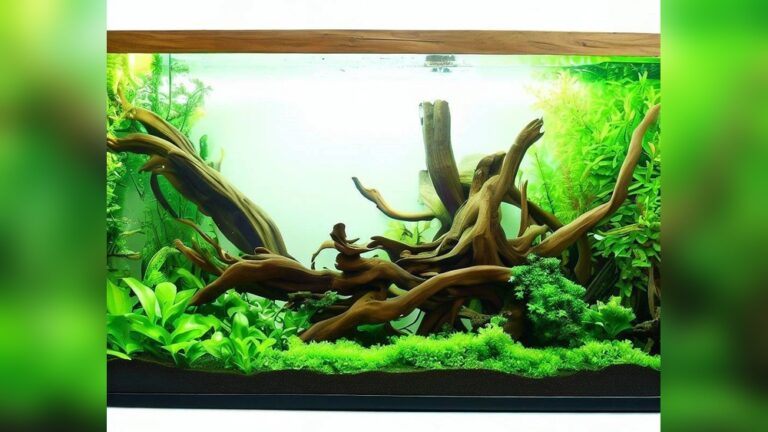
Are you looking to bring more life and color into your aquarium? Aquarium plants are the perfect way to transform your fish tank into a vibrant, natural underwater world.
Not only do they make your aquarium look stunning, but they also create a healthier environment for your fish. Imagine watching your fish swim through lush greenery, enjoying the calm and beauty that only real plants can provide. You’ll discover how to choose the right plants, care for them easily, and turn your aquarium into a thriving aquatic paradise.
Keep reading to unlock the secrets to a beautiful, balanced tank that will impress both you and your guests.

Credit: www.amazon.com
Benefits Of Aquarium Plants
Aquarium plants offer many benefits that improve both the tank and its inhabitants. They create a healthier environment for fish and other aquatic creatures. Plants also make the aquarium look more natural and beautiful. These benefits help keep your aquarium balanced and pleasant to watch.
Improving Water Quality
Aquarium plants absorb harmful chemicals like nitrates and ammonia. They help reduce toxins that can hurt fish. Plants also add oxygen to the water through photosynthesis. This keeps water clean and safe for fish to live in. Healthy plants reduce the need for frequent water changes.
Enhancing Aesthetic Appeal
Green plants add color and life to any aquarium. They create a natural look that fish enjoy. Plants come in many shapes and sizes to fit your style. A well-planted tank looks peaceful and inviting. It makes watching fish more enjoyable and relaxing.
Providing Shelter For Fish
Plants offer hiding spots that help fish feel safe. Fish use plants to rest or escape from stress. Young fish hide in plants to avoid predators. Plants also create areas for fish to explore and play. This shelter supports natural fish behavior and reduces stress.
Types Of Aquarium Plants
Aquarium plants bring life and color to any fish tank. They create a natural environment for fish and help keep the water clean. Knowing the types of aquarium plants helps you choose the best ones for your tank. Each type has different care needs and benefits.
Floating Plants
Floating plants rest on the water surface. They do not need roots in the substrate. These plants provide shade and reduce algae growth. Examples include duckweed and water lettuce. Floating plants also offer shelter for small fish.
Rooted Plants
Rooted plants grow in the tank substrate. Their roots absorb nutrients from the soil or gravel. These plants add structure and depth to the aquarium. Popular rooted plants are Amazon sword and Java fern. Rooted plants need good lighting and nutrients to thrive.
Mosses And Ferns
Mosses and ferns attach to rocks or driftwood. They do not require planting in the substrate. These plants grow slowly and need low light. Java moss and Christmas fern are common choices. Mosses and ferns create a soft, natural look in the tank.
Choosing The Right Plants
Choosing the right plants for your aquarium is very important. Plants make the tank look natural and help fish stay healthy. Not all plants fit every aquarium or fish type. Picking the best plants needs some thought about your setup. This guide helps you choose plants that suit your tank and fish.
Considering Aquarium Size
Tank size limits the plants you can use. Small tanks need small or slow-growing plants. Big tanks can hold larger, fast-growing plants. Plants also take space, so avoid overcrowding. Choose plants that fit well without blocking fish swimming.
Matching Plant To Fish Species
Some fish like to eat or dig up plants. Choose plants that fish will not harm. Hardy plants survive better with active fish. Soft plants may be eaten or damaged quickly. Research fish behavior to pick plants they will enjoy or leave alone.
Lighting Requirements
Plants need light to grow well. Different plants need different light levels. Low light plants are best for dim tanks. Bright light plants need strong aquarium lights. Match plant needs to your tank’s lighting to keep plants healthy.

Credit: www.amazon.com
Planting And Maintenance Tips
Healthy aquarium plants need proper care and attention. Planting and maintenance help plants grow strong and look beautiful. Following simple steps makes the aquarium lively and fresh. These tips cover the basics of substrate, trimming, and feeding your plants.
Substrate Selection
The substrate is the base where plants root. Choose a nutrient-rich substrate for better growth. Avoid plain gravel as it lacks nutrients. Fine substrates hold roots well and allow easy planting. Layering with plant soil under gravel works too. Clean the substrate before planting to remove dust.
Trimming And Pruning
Regular trimming keeps plants healthy and neat. Cut dead or yellow leaves to stop decay. Prune fast-growing plants to prevent crowding. Use sharp scissors to avoid damage. Trimming encourages new growth and stronger stems. Remove trimmings to keep water clean.
Fertilizing And Co2
Plants need nutrients to grow well. Use liquid fertilizers or root tabs based on plant type. Avoid over-fertilizing to prevent algae growth. Adding CO2 boosts plant health and color. CO2 systems work best in planted tanks. Monitor CO2 levels to keep fish safe.
Common Issues And Solutions
Aquarium plants can face many problems. These issues affect their growth and health. Knowing common problems helps keep plants green and alive. Simple actions fix many plant troubles fast.
Algae Control
Algae often grow on aquarium plants. Too much light causes algae to spread fast. Algae block light and take nutrients from plants. Reduce light hours to stop algae growth. Clean tank walls and decorations regularly. Use algae-eating fish or snails to help control algae naturally.
Plant Diseases
Plant diseases cause leaves to turn brown or melt. Poor water quality often spreads diseases. Remove damaged leaves quickly to stop disease spread. Keep water clean with regular changes. Use plant-safe treatments if disease gets worse. Healthy plants resist disease better, so keep conditions stable.
Nutrient Deficiencies
Plants need nutrients like iron and potassium to grow well. Yellowing leaves or stunted growth show nutrient lack. Add liquid fertilizers made for aquarium plants. Use root tabs for plants that absorb nutrients through roots. Balance nutrients to avoid excess, which harms plants and fish.
Popular Easy-care Aquarium Plants
Easy-care aquarium plants bring life and color to any fish tank. They need little work and grow well in many environments. These plants help keep the water clean and provide shelter for fish.
Choosing the right plants can make aquarium care simple and enjoyable. The following popular plants are perfect for beginners and experienced hobbyists alike.
Java Fern
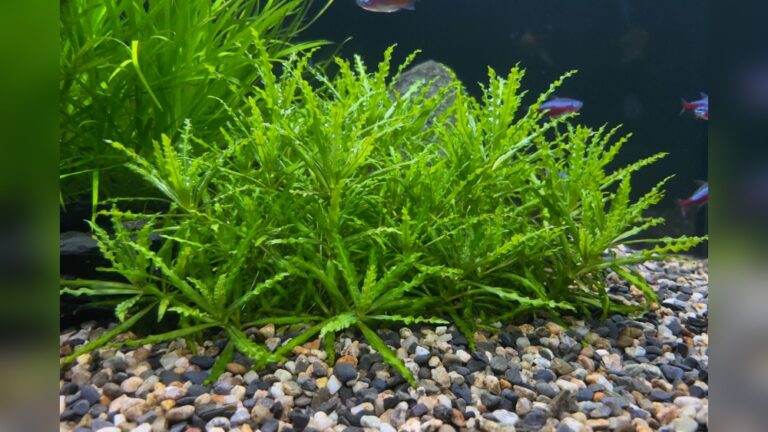
Java Fern is a tough plant that grows in low light. It attaches to rocks or wood, not soil. This plant grows slowly but stays healthy with little care. It helps reduce algae by absorbing nutrients. Java Fern is a great choice for all tank sizes.
Anubias
Anubias has thick, dark green leaves. It grows well in dim light and needs little fertilizer. This plant can be tied to wood or stones. It grows slowly and lasts a long time. Anubias is perfect for beginners who want a strong plant.
Amazon Sword
Amazon Sword is a popular background plant. It has broad, bright green leaves. This plant needs moderate light and nutrient-rich substrate. It grows fast and can become a big centerpiece. Amazon Sword is ideal for larger tanks and adds a natural look.
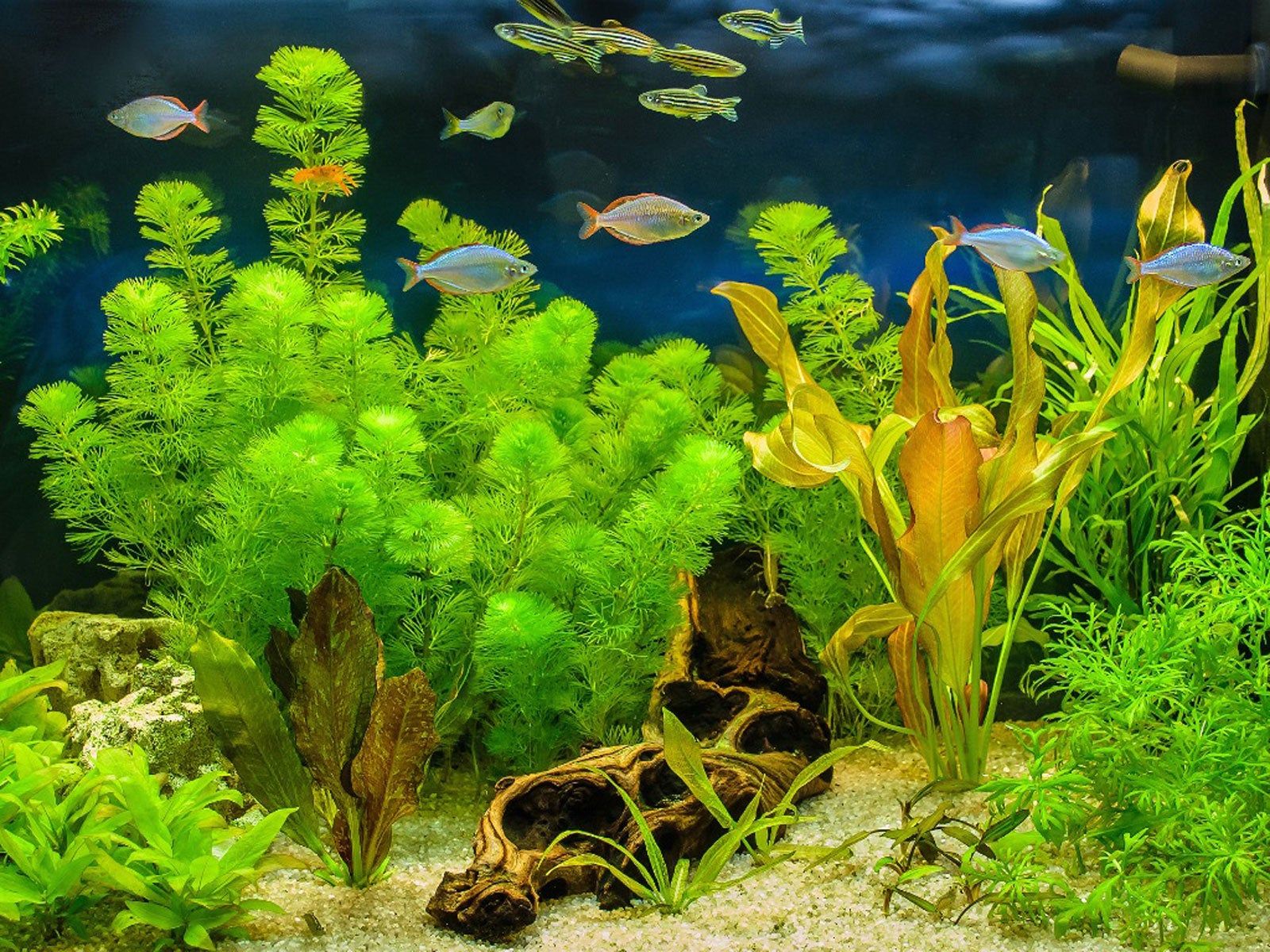
Credit: www.gardeningknowhow.com
How Smart Pets Lover Can Help You with Aquarium Plants
Learning Through Aquarium Plants: A Hands-On Experience
Understanding aquarium plants goes beyond just knowing their types or maintenance tips. It’s a chance to dive into practical learning that enriches your bond with your aquatic pets. For example, by choosing the right plants, you naturally explore water chemistry and lighting needs—key factors that influence not only plant growth but fish health too.
Planting and maintenance become a rewarding routine, teaching patience and observation as you notice how different plants respond over time. When common issues arise, problem-solving skills come into play, helping you create a balanced ecosystem. This hands-on approach mirrors our mission at Smart Pets Lover: empowering pet parents with knowledge that builds confidence and connection.
- Experiment with different popular easy-care aquarium plants to see which thrive best in your setup.
- Keep a journal to track growth patterns and any challenges you encounter.
- Reach out to fellow enthusiasts or experts for shared wisdom—learning is always better together.
For further guidance, Smart Pets Lover is here to help you explore the beautiful intersection of pet care and aquatic gardening. Feel free to connect with us anytime for tips that keep your underwater world thriving.
Frequently Asked Questions
What Are The Best Aquarium Plants For Beginners?
The best aquarium plants for beginners are hardy and low-maintenance. Examples include Java fern, Anubias, and Java moss. They thrive in various water conditions and require minimal light and care, making them perfect for new aquarium enthusiasts.
How Do Aquarium Plants Benefit Fish Tanks?
Aquarium plants improve water quality by absorbing nitrates and producing oxygen. They provide shelter and hiding spots for fish, reducing stress. Plants also enhance the tank’s natural look and help maintain a balanced aquatic ecosystem.
How Often Should Aquarium Plants Be Trimmed?
Trim aquarium plants every 2-4 weeks to maintain health and shape. Regular trimming prevents overgrowth, promotes new growth, and ensures plants don’t block light. Use sharp scissors and remove dead or decaying leaves promptly.
Can Aquarium Plants Grow Without Co2 Injection?
Yes, many aquarium plants grow well without CO2 injection. Low-light plants like Anubias and Java fern thrive naturally. However, CO2 injection boosts growth and vibrancy for high-light, demanding plants.
Conclusion
Aquarium plants add beauty and life to any fish tank. They help keep water clean and provide shelter for fish. Choosing the right plants is key for a healthy aquarium. Regular care and proper lighting make plants grow strong. A green aquarium feels calm and natural.
Start with easy plants if you are new to this hobby. Watch your aquarium change as plants grow and thrive. Enjoy the peaceful view and healthy environment your plants create.