Aquarium Pets
Are you thinking about adding a splash of life and color to your home? Aquarium pets might be exactly what you need.
They bring calm, beauty, and a unique sense of joy that’s hard to find elsewhere. But choosing the right aquarium pets isn’t always easy. You want creatures that fit your lifestyle, your space, and your level of care. Keep reading, and you’ll discover everything you need to know to make the perfect choice for your underwater world.
Your new aquatic friends are waiting!

Credit: www.youtube.com
Popular Aquarium Pets
Aquariums bring a small world into your home. They offer peace and beauty. Choosing the right pets is key to a healthy tank. Popular aquarium pets include various fish, invertebrates, and plants. Each type adds life and color in its own way.
Understanding the common choices helps you start or grow your aquarium. This guide covers popular freshwater fish, saltwater fish, invertebrates, and aquatic plants. Each group has unique needs and benefits.
Freshwater Fish
Freshwater fish are great for beginners. They live in lakes, rivers, and ponds. Common types include guppies, tetras, and goldfish. These fish are easy to care for and colorful. They adapt well to many tank sizes and conditions.
Saltwater Fish
Saltwater fish live in oceans and reefs. They need special care and saltwater tanks. Popular species include clownfish, tangs, and angelfish. These fish often have bright colors and unique shapes. They bring a tropical feel to your aquarium.
Invertebrates
Invertebrates add variety and help keep tanks clean. Shrimp, snails, and crabs are common choices. They eat algae and leftover food. Invertebrates are small but important members of the aquarium community. They also add interesting movement and texture.
Aquatic Plants
Aquatic plants improve water quality and provide shelter. Popular plants include java fern, anubias, and hornwort. They create a natural look and help fish feel safe. Plants also reduce algae growth by competing for nutrients.
:strip_icc()/step_1-axolotl-596f7157c412440010201a08.jpg)
Credit: www.thesprucepets.com
Choosing The Right Aquarium
Choosing the right aquarium is key to a happy and healthy aquatic pet. The tank must suit the fish and plants you want to keep. It should also fit the space in your home. Careful choices make maintenance easier and your pets thrive.
Think about the type of fish you want. Different fish need different environments. Size, water flow, and light all affect their well-being. The right aquarium supports a balanced and beautiful underwater world.
Tank Size And Shape
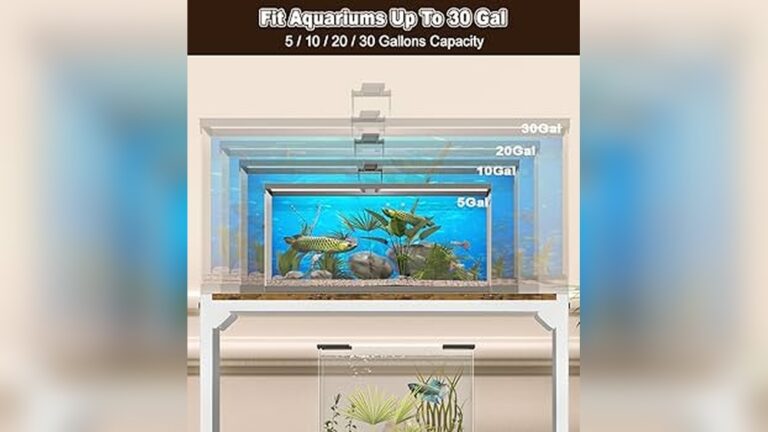
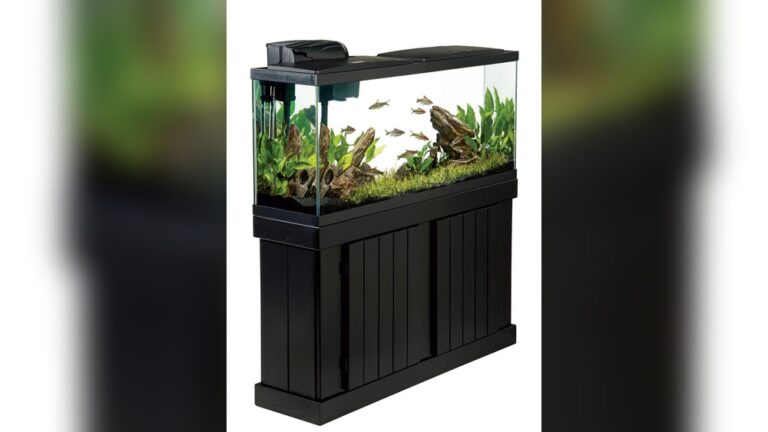
Tank size depends on the number and size of your fish. Bigger tanks offer more stable water conditions. Small tanks need more care and frequent cleaning. Shapes affect swimming space. Long tanks give more horizontal room. Tall tanks suit fish that swim up and down. Choose a tank shape that fits your fish’s needs and your space.
Material Types
Glass and acrylic are common materials for aquariums. Glass is scratch-resistant and clear. Acrylic is lighter and stronger but scratches easier. Acrylic tanks are warmer, which can help tropical fish. Both materials hold water well. Pick the one that fits your budget and lifestyle.
Filter And Lighting Options
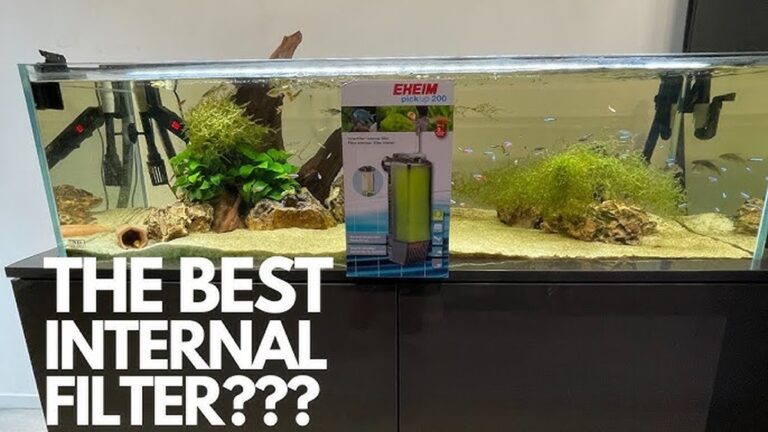
Filters keep water clean and healthy. They remove waste and toxins. Choose a filter that matches your tank size. Lighting is important for fish and plants. LED lights save energy and last longer. Some lights mimic natural sunlight, helping plants grow. Proper filter and lighting make your aquarium a lively home.
Setting Up Your Aquarium
Setting up an aquarium is an exciting first step for any fish lover. It creates a safe and comfortable home for your aquatic pets. Careful preparation helps fish stay healthy and happy. This section guides you through important setup steps.
Water Conditioning
Tap water contains chemicals harmful to fish. Use a water conditioner to remove chlorine and chloramine. It also detoxifies heavy metals in the water. Conditioned water helps fish breathe and stay healthy. Always treat new water before adding it to the tank.
Decor And Substrate
Decor and substrate make the aquarium look natural and inviting. Choose smooth stones or sand for the substrate. Avoid sharp items that can hurt fish. Plants and decorations provide hiding spots and reduce stress. Arrange them to create a balanced, appealing environment.
Temperature Control
Most aquarium fish need stable temperatures to thrive. Use a reliable heater to keep water warm. Monitor the temperature daily with a thermometer. Adjust the heater to match the needs of your fish species. Stable temperature prevents illness and promotes active behavior.
Feeding Aquarium Pets
Feeding aquarium pets is a key part of keeping them healthy and happy. Proper feeding helps fish grow and stay active. Understanding what to feed and when is important for every aquarium owner.
Each type of fish has different needs. Learning about food types and feeding routines can prevent common problems.
Types Of Fish Food
Fish food comes in many forms. Flakes are common and easy to use. Pellets sink slowly and suit bottom feeders. Frozen and live foods offer extra nutrition. Choose food based on your fish species.
Some fish like algae wafers or plant-based foods. Carnivorous fish need protein-rich diets. Mixing food types can improve your fish’s health.
Feeding Schedules
Fish do best with regular feeding times. Feed small amounts two times each day. Young fish may need more frequent meals. Avoid feeding late at night or too early.
Observe your fish to adjust feeding amounts. Consistency helps fish digest food well. Set a routine and stick to it every day.
Avoiding Overfeeding
Overfeeding can harm fish and water quality. Uneaten food decays and pollutes the tank. Feed only what fish can eat in two minutes. Remove leftover food after feeding.
Watch for signs of overfeeding like bloated fish. Keep food portions small and controlled. Healthy fish need less food than many people think.
Maintaining Water Quality
Maintaining water quality is key to a healthy aquarium. Clean water keeps fish safe and plants growing well. Poor water quality causes stress and disease in aquatic pets. Regular care helps avoid these problems and keeps your tank vibrant.
Testing Water Parameters
Check water parameters often. Use test kits for pH, ammonia, nitrite, and nitrate. These levels show water health. Keep pH stable for your fish type. Ammonia and nitrite must stay at zero. Nitrate should be low to prevent harm. Testing helps catch problems early.
Regular Cleaning
Clean your tank regularly. Change 10-20% of water weekly. Remove uneaten food and waste. Vacuum the gravel to clear debris. Clean filters gently but do not remove all bacteria. Clean tanks reduce toxins and keep water clear. Consistent cleaning supports a balanced environment.
Dealing With Algae
Algae can grow fast and spoil your tank’s look. Control light exposure to slow algae growth. Avoid overfeeding fish as leftover food feeds algae. Scrape algae from glass and decorations carefully. Use algae-eating fish or snails to help. Keep algae low for a clean, healthy aquarium.
Common Health Issues
Owning aquarium pets brings joy and beauty to any space. Yet, they can face health problems that need attention. Knowing common health issues helps keep your fish and other aquatic pets safe and healthy.
Water quality, diet, and stress often cause illnesses in aquarium pets. Early detection and care improve their chances of recovery. Understanding symptoms and treatments is key for every aquarium owner.
Identifying Symptoms
Watch for changes in behavior and appearance. Fish may stop eating or swim oddly. Look for spots, discoloration, or torn fins. Gasping at the water surface is a serious sign. Swelling or bloating may indicate internal problems. Early signs are often subtle but important.
Treating Diseases
Isolate sick fish to stop spreading disease. Use medications designed for aquarium pets only. Follow instructions carefully for dosage and duration. Clean the tank and change water regularly. Seek advice from a vet or aquarium expert if unsure. Treatment success depends on early action.
Preventative Care
Keep water clean and at the right temperature. Feed a balanced diet made for your pet species. Avoid overfeeding to prevent water pollution. Regularly check water parameters like pH and ammonia. Quarantine new fish before adding them to the tank. Prevention saves time, money, and stress.
Community Aquariums
Community aquariums bring different fish and aquatic animals together in one tank. They create a lively and colorful underwater world. Keeping a community aquarium needs careful planning. Every pet must fit well with others. The balance inside the tank must be healthy and stable.
Choosing the right species and managing their behavior is key. Each pet has its own needs and habits. A well-planned community aquarium can be peaceful and beautiful.
Compatible Species
Choose fish that live well together. Small, peaceful fish usually work best. Avoid mixing aggressive species with calm ones. Some fish need similar water conditions. Temperature, pH, and hardness must match. Research each species before adding to your tank. This helps prevent fights and stress.
Managing Aggression
Aggression can harm fish and disrupt the tank. Watch for signs like chasing or biting. Separate aggressive fish if needed. Provide hiding places with plants and decorations. This lowers stress and reduces fights. Feeding fish well also helps keep peace. Regular observation keeps the community calm.
Balancing Ecosystems
Aquariums need a natural balance to stay healthy. Plants, fish, and microorganisms all play a role. Plants clean the water and offer shelter. Clean the tank regularly but keep beneficial bacteria. Overcrowding causes problems like poor water quality. Keep the fish number suitable for tank size. A balanced ecosystem keeps pets happy and alive.
Advanced Aquarium Care
Advanced aquarium care takes your fish-keeping hobby to the next level. It involves more than feeding and cleaning. Understanding fish breeding, aquarium design, and technology helps create a healthy environment.
These skills improve the well-being of your aquatic pets. They also make your aquarium more beautiful and easier to manage. Let’s explore some key areas of advanced care.
Breeding Techniques
Breeding fish requires patience and knowledge. Different species have unique needs for spawning. Water temperature, pH, and hiding spots must be controlled carefully.
Separate breeding tanks help protect eggs and fry. Feeding the right food boosts young fish growth. Tracking breeding cycles improves success rates over time.
Aquascaping Ideas
Aquascaping means designing the underwater landscape. Use rocks, plants, and wood to create natural scenes. Choose plants that suit your fish and water type.
Balance open swimming spaces with hiding places. Experiment with colors and shapes for visual appeal. Clean and trim plants regularly to keep the tank neat.
Using Technology
Modern tools simplify aquarium care. Automatic feeders ensure fish get food on time. LED lights mimic natural daylight for healthy plants and fish.
Filters and heaters maintain clean water and stable temperature. Monitoring devices track water quality and alert you to problems. Apps can help manage feeding schedules and tank conditions.

Credit: mom.com
How Smart Pets Lover Can Help You with Aquarium Pets
Learning Through the Care of Aquarium Pets
Taking care of aquarium pets offers more than just a beautiful addition to your living space—it’s a hands-on lesson in responsibility and biology. From selecting the right aquarium and setting it up properly to maintaining water quality, each step is a practical learning opportunity that deepens your connection with these aquatic companions.
Understanding feeding routines and recognizing common health issues help build observational skills and patience, essential traits for any pet parent. Managing a community aquarium further enhances your knowledge about species compatibility and ecosystem balance, making the experience both educational and rewarding.
- Track water parameters regularly to grasp the science behind a healthy habitat.
- Observe fish behavior to detect early signs of stress or illness.
- Experiment with different setups to find what best suits your pets’ needs.
At Smart Pets Lover, we believe every pet journey is a story worth telling—a story that teaches us, nurtures empathy, and encourages responsible care. For questions or personalized advice, feel free to reach out to us at [email protected]. Remember, every ripple in your aquarium is a step towards becoming a more confident and compassionate pet parent.
Frequently Asked Questions
What Are The Best Beginner-friendly Aquarium Pets?
Betta fish, guppies, and neon tetras are ideal for beginners. They require minimal care and adapt well to small tanks. These fish are hardy and colorful, making them popular choices for new aquarium owners. Proper tank maintenance ensures their health and longevity.
How Often Should I Clean My Aquarium Pets’ Tank?
Clean your aquarium tank every 2 to 4 weeks for a healthy environment. Partial water changes and substrate vacuuming help maintain water quality. Avoid full cleanings to preserve beneficial bacteria. Regular maintenance prevents fish stress and disease.
What Do Aquarium Pets Eat For A Balanced Diet?
Aquarium pets eat flakes, pellets, frozen or live foods like brine shrimp. A varied diet ensures proper nutrition and vibrant colors. Avoid overfeeding to prevent water pollution. Research specific dietary needs for each species to keep them healthy.
Can Aquarium Pets Live Together Peacefully?
Some aquarium pets coexist well, but species compatibility is crucial. Avoid mixing aggressive fish with peaceful ones. Research temperament and size before combining species. Proper tank size and hiding spots reduce conflicts and stress.
Conclusion
Caring for aquarium pets brings joy and calm to many homes. These small creatures need regular feeding and clean water. Choosing the right fish or aquatic pets makes a big difference. Watching them swim can be very relaxing and fun.
Start simple, then explore more as you learn. A healthy aquarium brightens any room and lifts your mood. Enjoy the peaceful world of aquarium pets every day.