Algae Eaters: Ultimate Guide to a Spotless, Healthy Aquarium
Are you tired of seeing green slime take over your aquarium or pond? Algae can quickly ruin the clear, beautiful water you want to enjoy.
But what if you could let nature handle the cleanup for you? Algae eaters are the secret weapon many aquarium and pond owners use to keep their water fresh and clean without constant scrubbing. You’ll discover how these natural cleaners work, which types are best for your setup, and simple tips to keep your water crystal clear.
Keep reading to find out how to make algae a problem of the past!
Types Of Algae Eaters
Algae eaters help keep aquariums clean and balanced. They eat algae that grow on surfaces and plants. Different types of algae eaters suit different tanks. Some live in freshwater, while others thrive in saltwater. Snails and shrimp also play a role in controlling algae.
Choosing the right algae eater depends on your tank type and algae problem. Each species has unique habits and care needs. Knowing the options helps you pick the best cleaner for your aquarium.
Popular Freshwater Species
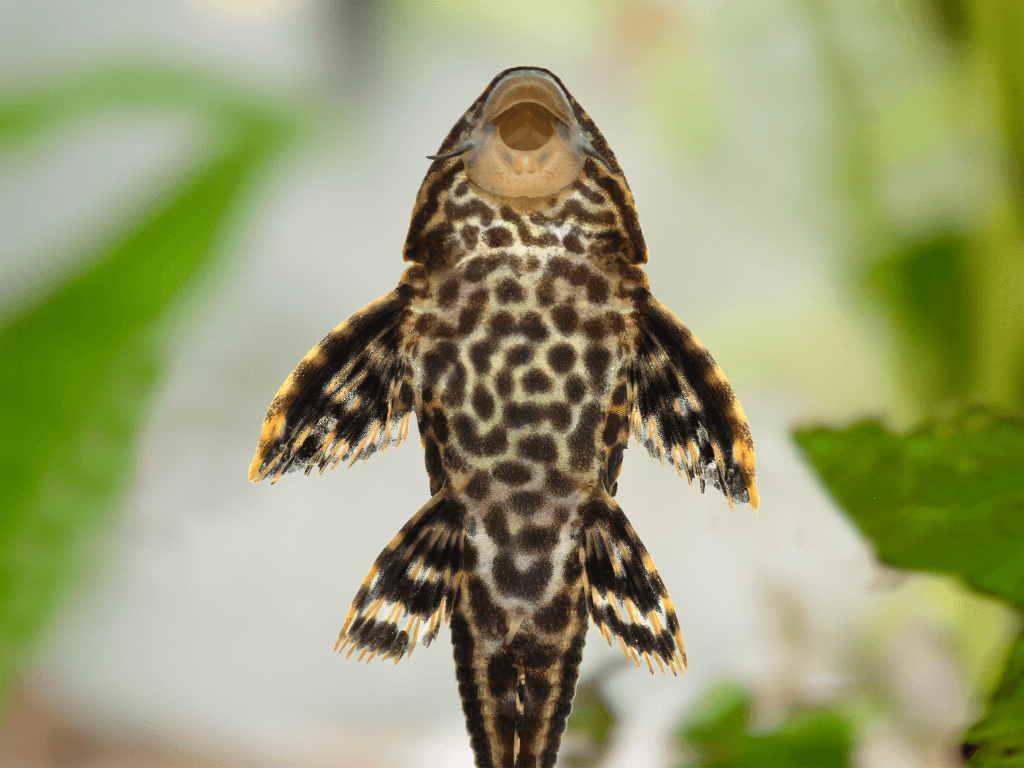
Common freshwater algae eaters include the Siamese Algae Eater and Otocinclus Catfish. These fish are peaceful and easy to care for. They eat various algae types, including green and black algae. Plecos are also popular but can grow large. Smaller species like Amano Shrimp clean algae from plants and surfaces.
Saltwater Algae Eaters
Saltwater tanks need different algae eaters. Tang fish, such as the Yellow Tang, are excellent algae grazers. They eat tough algae and add color to the tank. Sea Urchins are another option for eating algae on rocks. Some saltwater snails help keep algae under control too.
Snails And Shrimp Options
Snails and shrimp are great natural cleaners. Nerite Snails eat algae without harming plants. Mystery Snails also consume algae and add interest to the tank. Shrimp like the Cherry Shrimp clean algae from hard-to-reach places. Both snails and shrimp help reduce algae buildup efficiently.
Choosing The Right Algae Eater
Choosing the right algae eater is key to keeping your tank clean and healthy. Different algae eaters fit different tanks and fish groups. Picking the best one helps avoid problems and keeps your fish happy.
Compatibility With Fish
Algae eaters must get along with your fish. Some species are peaceful, others may be aggressive. Check the behavior of the algae eater before adding it. Avoid mixing species that may fight or stress each other. Peaceful algae eaters work well with community tanks.
Tank Size Considerations
Tank size limits your algae eater choices. Small tanks need smaller algae eaters. Large tanks can support bigger species or more algae eaters. Each type needs enough space to swim and hide. Overcrowding harms fish health and tank balance.
Feeding And Care Needs
Algae eaters have different diets and care needs. Some eat only algae, others need extra food. Research their feeding habits to keep them healthy. Regular tank cleaning helps support algae eaters. Proper care extends their life and keeps the tank clean.
Benefits Of Algae Eaters
Algae eaters offer many benefits for aquarium and pond owners. They help keep water clean and clear. These creatures reduce the growth of unwanted algae naturally. Using algae eaters means less effort and better water quality.
Natural Algae Control
Algae eaters feed on algae growing in water. They help stop algae from covering plants and surfaces. This natural cleaning keeps tanks and ponds looking good. No need for harsh chemicals or constant scrubbing.
Improved Water Quality
By eating algae, these animals reduce waste buildup. This leads to clearer and healthier water. Cleaner water supports the health of fish and plants. It also reduces bad odors in the aquarium or pond.
Reduced Maintenance Effort
Algae eaters lower the time spent cleaning tanks. They work continuously, preventing algae overgrowth. This means fewer water changes and less manual cleaning. Owners enjoy a healthier environment with less work.
Credit: www.swelluk.com
Setting Up For Success
Setting up your aquarium correctly makes algae eaters happy and healthy. A good start helps them control algae well. Careful planning of tank conditions, plants, and water quality is key. This section guides you through the basics to create a balanced environment for algae eaters.
Ideal Tank Conditions
Choose a tank size that suits your algae eater species. Small algae eaters need at least 10 gallons. Larger species need more space to swim freely. Provide hiding spots with rocks or caves. Algae eaters feel safe with places to rest. Avoid overcrowding to reduce stress and aggression. Use a gentle filter to keep water clean without strong currents.
Plant And Decoration Choices
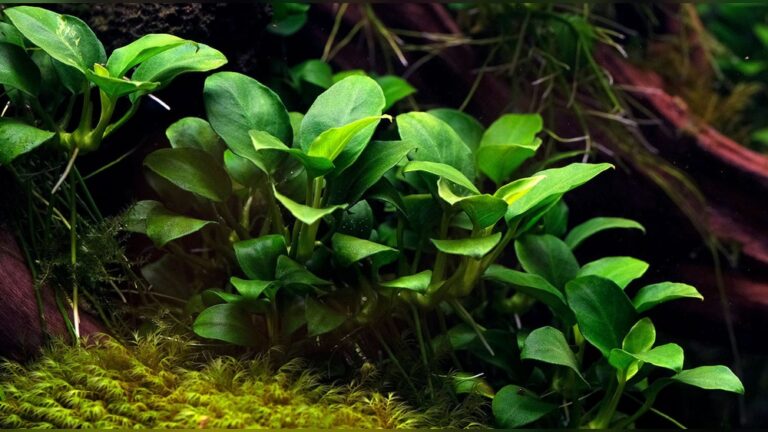
Live plants improve water quality and offer food for algae eaters. Select hardy plants like Java fern and Anubias. These plants survive well with algae eaters around. Decorations should be smooth and safe without sharp edges. Driftwood and smooth stones add natural hiding places. Avoid plastic plants, as they may damage fish fins.
Water Parameters To Monitor
Keep water temperature stable between 72°F and 78°F. Test pH regularly; most algae eaters prefer 6.5 to 7.5. Check ammonia, nitrite, and nitrate levels often. These should be near zero for ammonia and nitrite. Nitrates must stay low to prevent algae blooms. Perform partial water changes weekly to maintain water quality. Good water parameters help algae eaters thrive and control algae effectively.
Common Challenges
Algae eaters help keep aquariums clean. They eat algae that can make tanks look dirty. Despite their benefits, these fish and creatures come with some problems. Knowing these challenges helps in keeping them healthy and happy.
Understanding common issues makes managing algae eaters easier. It helps avoid problems that harm your tank’s balance. Here are some challenges to watch out for.
Overpopulation Risks
Algae eaters can reproduce fast in tanks. Too many algae eaters compete for food and space. This leads to stress and poor water quality. Overpopulation can cause algae eater health to drop. Keep an eye on their numbers to prevent this problem.
Algae Eater Aggression
Not all algae eaters are peaceful. Some species show aggressive behavior toward others. Fighting causes injuries and stress in the tank. Aggression often happens if space is tight or food is scarce. Provide enough room and food to reduce fights.
Health Issues And Treatments
Algae eaters face common health problems like fin rot and parasites. Dirty water and poor diet increase these risks. Watch for signs like clamped fins and slow movement. Treat illnesses early with proper medication and water changes. Good care keeps algae eaters strong and active.
Feeding Algae Eaters
Feeding algae eaters is key to their health and happiness. These fish and invertebrates clean your tank by eating algae. Yet, their diet needs more than just algae to keep them strong. Understanding what to feed and how often helps maintain a balanced aquarium environment.
Supplementing Natural Diets
Algae eaters do not rely on algae alone. They need extra nutrients to stay healthy. Offer fresh vegetables like zucchini or cucumber slices. Blanched spinach or lettuce works well too. These foods provide vitamins and fiber missing from algae.
Protein is also important. Include small amounts of shrimp or fish flakes. This keeps their energy up and supports growth. Avoid overfeeding protein, as algae eaters prefer plant-based diets.
Recommended Foods
Good foods for algae eaters include algae wafers and pellets. These products mimic natural algae and supply essential nutrients. Fresh vegetables such as peas and carrots can be given occasionally. Spirulina tablets are another excellent choice. They boost color and improve digestion.
Some species enjoy snacking on soft fruits like melon or apple. Feed these in small amounts to avoid water pollution. Avoid processed human food, which can harm your fish.
Feeding Frequency
Feed algae eaters once or twice a day. Small portions prevent leftover food in the tank. Overfeeding causes poor water quality and health problems. Observe their eating habits to adjust feeding amounts. Remove uneaten food after 15 minutes to keep the tank clean.
Remember, algae eaters graze throughout the day. Providing constant access to algae and supplements helps meet their needs. Consistency in feeding supports their natural behavior and well-being.
Algae Prevention Tips
Algae can quickly take over your aquarium, making it look dirty and unhealthy. Preventing algae growth is easier than removing it later. A few simple steps can keep your tank clear and your fish happy.
Lighting Control
Too much light causes algae to grow fast. Use a timer to limit light to 8-10 hours each day. Avoid placing your tank near windows where sunlight hits directly. Dimmer lighting helps stop algae from spreading.
Regular Tank Maintenance
Cleaning your tank often reduces algae buildup. Change 10-20% of the water weekly. Remove leftover food and waste with a gravel vacuum. Scrub algae off glass and decorations regularly to keep the tank clean.
Balanced Nutrient Levels
Algae thrive on excess nutrients like nitrates and phosphates. Test your water regularly to keep these levels low. Avoid overfeeding your fish, as extra food adds nutrients. Use plants or algae eaters to absorb nutrients naturally.

Credit: pontiacflyingservice.com
Popular Algae Eater Species Profiles
Algae eaters are a popular choice for keeping aquariums clean and healthy. They help control algae growth naturally. Many species fit different tank sizes and types. Knowing the most common algae eaters helps you pick the right one. Below are profiles of three popular species.
Siamese Algae Eater
The Siamese Algae Eater is a lively fish that eats many algae types. It grows up to 6 inches long and swims actively. This species prefers a peaceful community tank with hiding places. It cleans well and helps stop algae buildup fast.
Otocinclus Catfish
The Otocinclus Catfish is small and gentle, perfect for small tanks. It feeds mostly on soft algae and biofilm. This catfish stays around 2 inches long and likes to be in groups. It is a great choice for beginners and planted tanks.
Amano Shrimp
The Amano Shrimp is famous for eating tough algae types. It is a tiny shrimp, about 2 inches, that works well in groups. These shrimp are peaceful and help keep tank surfaces clean. They also add movement and interest to the aquarium.

Credit: charterhouse-aquatics.com
How Smart Pets Lover Can Help You with Algae Eaters
Practical Learning with Algae Eaters: A Hands-On Approach
Understanding algae eaters goes beyond just knowing their types or picking the right species for your tank. It’s about observing their behavior, adapting your setup, and learning from common challenges like feeding habits or algae prevention. For pet parents who cherish the bond with their aquatic companions, these moments offer invaluable lessons in patience and responsibility.
Setting up a thriving environment teaches how water parameters affect both algae growth and your algae eaters’ health. Watching popular species profiles in action helps decode what each species needs to flourish. This hands-on experience aligns perfectly with Smart Pets Lover’s mission: to make you feel confident and connected with your pets—because every interaction tells a story.
- Keep a journal of algae eater behavior and tank conditions
- Experiment with feeding schedules based on what you’ve learned
- Note how changes impact algae levels and fish health
For more insights or personalized advice, reaching out to local aquatic experts or visiting forums can be a great next step. Remember, learning is a journey—one that enriches both you and your finned friends alike.
Frequently Asked Questions
What Are The Best Algae Eaters For Freshwater Tanks?
Popular freshwater algae eaters include Otocinclus catfish, Siamese algae eaters, and Nerite snails. They efficiently control algae growth and maintain tank cleanliness without harming plants or fish.
How Do Algae Eaters Help Maintain Aquarium Health?
Algae eaters consume excess algae, preventing overgrowth that can harm fish and plants. They improve water quality and keep the tank visually appealing.
Can Algae Eaters Survive On Algae Alone?
No, algae eaters need supplemental food like algae wafers or vegetables. A balanced diet ensures their health and effective algae control.
Are Algae Eaters Compatible With All Fish Species?
Most algae eaters are peaceful and compatible with community fish. However, some species may be territorial, so research specific compatibility before adding them.
Conclusion
Algae eaters help keep aquariums clean and healthy. They eat algae that can harm fish and plants. Choosing the right algae eater depends on your tank size and type. Regular care and feeding keep them active and happy. They make aquarium maintenance easier and more natural.
Adding algae eaters supports a balanced underwater world. Consider them as part of your aquarium team. They play a small but important role in water quality. Keep your tank beautiful with the help of algae eaters.