Albino Bristlenose Pleco
If you’re looking to add a unique and peaceful fish to your aquarium, the Albino Bristlenose Pleco might be just what you need. This striking little fish is not only beautiful with its pale, ghostly appearance, but it’s also a hardworking algae eater that helps keep your tank clean.
Imagine having a pet that’s both eye-catching and useful, making your aquarium a healthier and more vibrant space. Curious to learn how to care for this fascinating fish and why it’s a favorite among aquarium enthusiasts? Keep reading, and you’ll discover everything you need to know to make your Albino Bristlenose Pleco thrive.
Albino Bristlenose Pleco Features
The Albino Bristlenose Pleco is a popular freshwater fish. It stands out because of its unique look and easy care. This fish is a favorite for many aquarium lovers.
Its features make it a great choice for beginners and experienced keepers. Understanding these features helps in providing the best care for this fish.
Physical Appearance
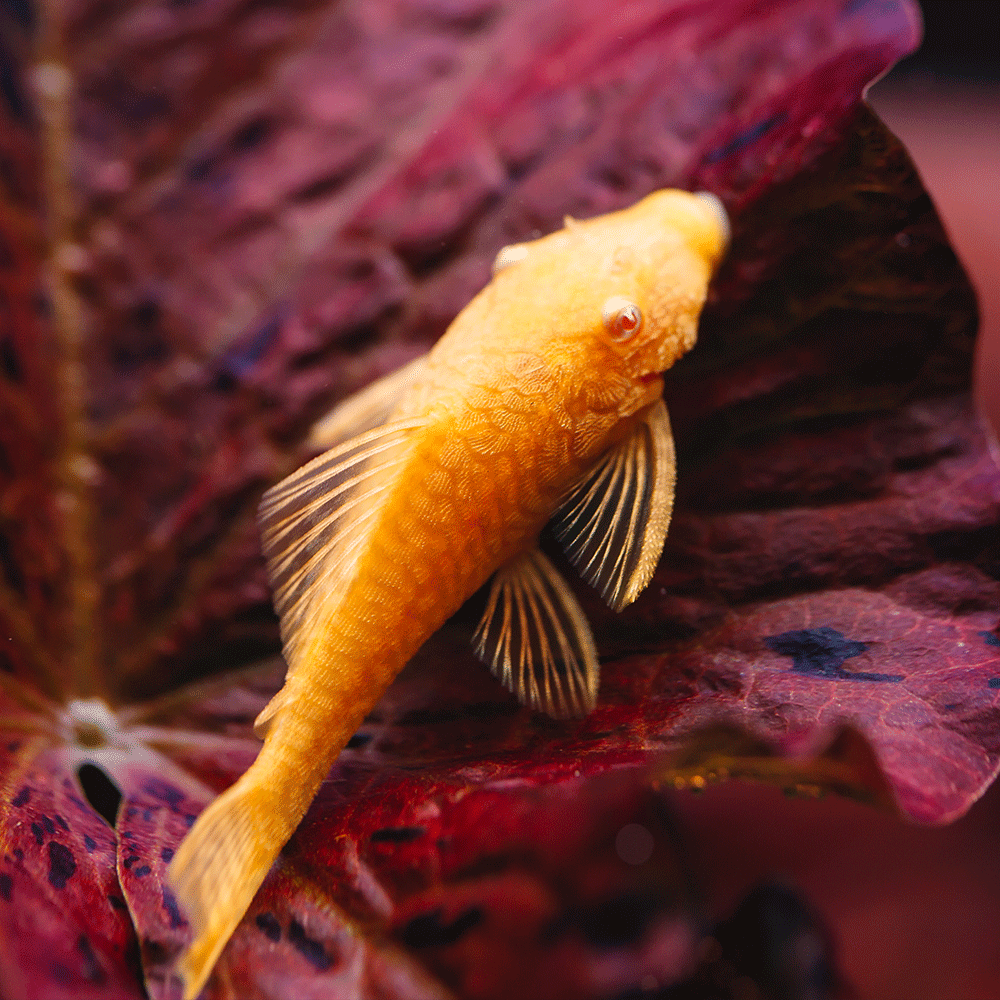
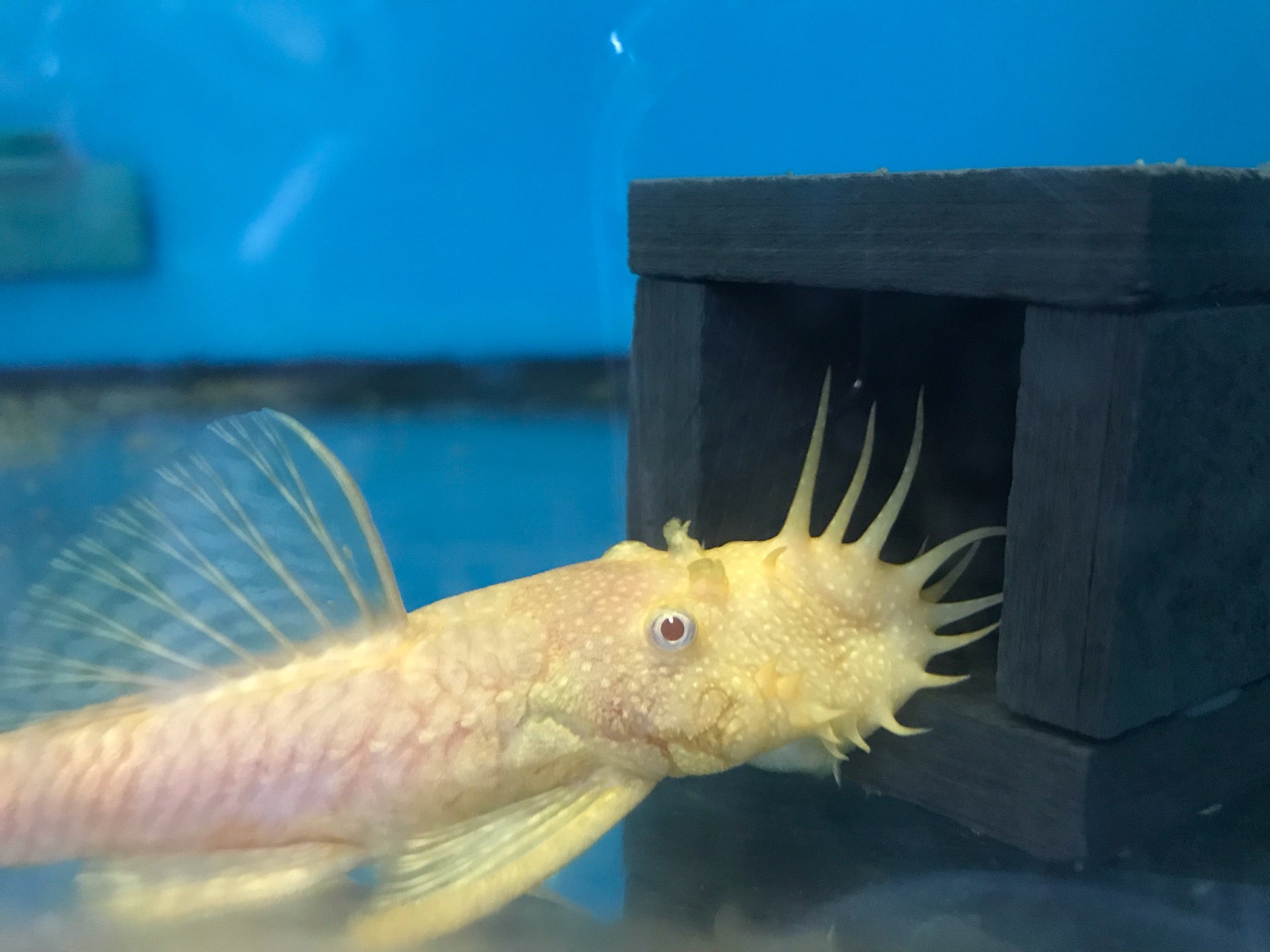
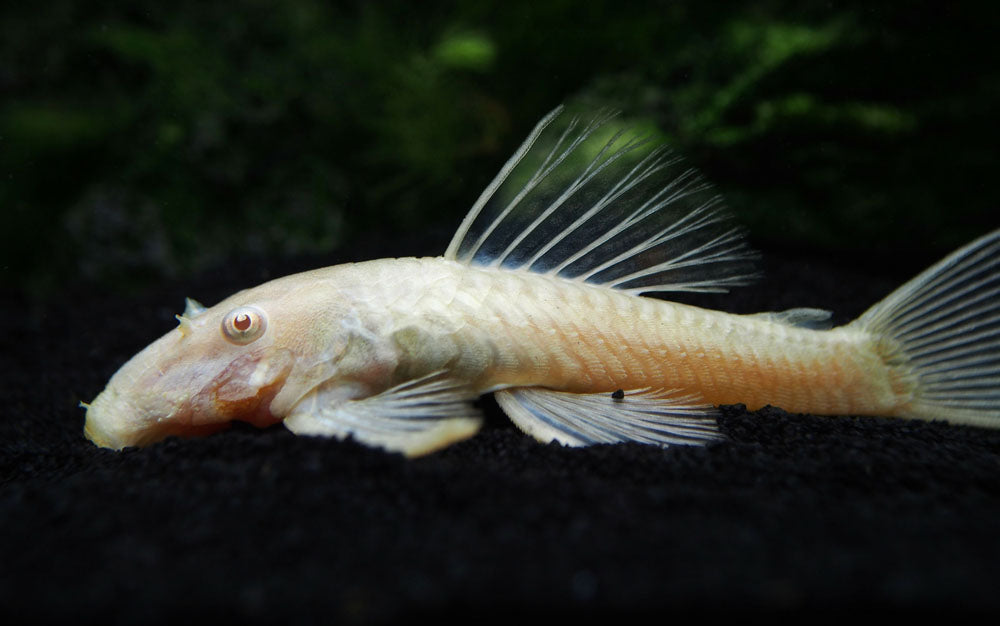
The Albino Bristlenose Pleco has a flat body and broad head. Small whisker-like bristles grow on its nose. These bristles are more visible in males. Its body is covered with bony plates instead of scales.
The fish has a sucker mouth used for attaching to surfaces. It helps them feed on algae and debris. Their fins are strong and fan-shaped, aiding in swimming and stability.
Size And Lifespan
This pleco grows up to 4.5 inches long. It stays small, suitable for most home aquariums. The fish lives around 5 to 8 years with good care. Proper diet and clean water extend its lifespan.
Color Variations
The albino variant shows a pale yellow or cream body. Its eyes are red or pink due to lack of pigment. This color makes it easy to spot in the tank. Some may have slight orange or white shades on fins and body.
Unlike common plecos, the albino version lacks dark spots. Its light color adds brightness to any aquarium setup.
Habitat And Natural Environment
The Albino Bristlenose Pleco thrives in a specific natural habitat. Understanding this environment helps create a healthy home for them in captivity. These fish enjoy calm waters with plenty of hiding spots. Their natural surroundings influence their behavior and care needs.
Native Regions
Albino Bristlenose Plecos come from South America. They live mainly in the Amazon River basin. These fish prefer slow-moving rivers and streams. The water here is usually soft and slightly acidic. This region has dense vegetation and many hiding places.
Preferred Water Conditions
These fish thrive in water between 73°F and 81°F (23°C-27°C). The pH level should stay between 6.5 and 7.5. They prefer soft to moderately hard water. Clean, well-filtered water supports their health. Regular water changes keep the environment fresh.
Tank Setup Tips
Use smooth stones and driftwood to mimic their natural space. Provide plenty of hiding spots with caves or plants. Use a gentle water flow to match their calm habitat. Keep the tank well-oxygenated but avoid strong currents. Add live plants for cover and oxygen.
Feeding And Diet
The Albino Bristlenose Pleco is a popular freshwater fish. Feeding it properly keeps it healthy and active. Its diet is mostly plant-based but also needs some protein. Understanding its feeding needs helps create a balanced diet.
Recommended Foods
Albino Bristlenose Plecos love algae wafers and sinking pellets. Fresh vegetables like zucchini, cucumber, and spinach work well. Blanched peas and cucumber slices offer good nutrition. Occasionally, they enjoy bloodworms or brine shrimp for protein. Avoid overfeeding to keep the water clean.
Feeding Frequency
Feed the Albino Bristlenose Pleco once or twice daily. Small portions are best to prevent leftover food. Remove uneaten food after a few hours. This fish eats mostly at night but will accept food during the day. Consistent feeding times help maintain good health.
Nutritional Needs
This Pleco needs a diet high in fiber and low in fat. Algae and plant matter provide essential nutrients. Protein from small amounts of worms or shrimp supports growth. Vitamins and minerals help maintain vibrant color and good health. Balanced nutrition prevents common diseases and boosts immunity.
Credit: flipaquatics.com
Behavior And Temperament
The Albino Bristlenose Pleco is a popular freshwater fish known for its calm and friendly nature. Understanding its behavior helps keep it happy and healthy. This fish has unique habits and a gentle temperament that make it a great addition to many aquariums.
Social Habits
Albino Bristlenose Plecos enjoy living in groups but do not need large schools. They prefer to stay near hiding spots like plants or caves. These fish are not aggressive and usually avoid fights. They communicate through subtle movements and body language.
Compatibility With Other Fish
This pleco gets along well with most peaceful fish. It does not bother others and stays out of the way. Avoid keeping it with large or aggressive fish that may bully it. Its calm temperament fits well in community tanks with gentle species.
Activity Patterns
Albino Bristlenose Plecos are mostly active during the night. They rest during the day, hiding in shaded areas. At night, they search for food and explore the tank. Their slow and steady movements make them easy to watch and enjoy.
Breeding Albino Bristlenose Plecos
Breeding Albino Bristlenose Plecos can be a rewarding experience for aquarium hobbyists. These fish are peaceful and adapt well to home tanks. Their unique appearance and interesting behavior make them popular among breeders. Understanding their breeding habits helps increase success rates.
Breeding Conditions
Albino Bristlenose Plecos need a warm tank for breeding. Keep the water temperature between 78°F and 80°F. Use soft water with a pH of 6.5 to 7.5. Provide plenty of hiding spots, like caves or PVC pipes. Good water quality is essential. Change water regularly but avoid sudden shifts.
Spawning Process
The male will clean a cave before spawning. He attracts the female to lay eggs inside the cave. The female lays around 20 to 60 eggs. The male fertilizes the eggs and guards them. Eggs hatch in 4 to 7 days. During this time, the male fans the eggs with his fins to keep them oxygenated.
Caring For Fry
After hatching, fry stay near the cave for a week. They feed on leftover egg yolk first. Then, start feeding small foods like algae wafers or blanched vegetables. Keep the tank clean and stable. Avoid strong water currents. Fry grow slowly and need safe hiding spots.
Credit: liveaquaponics.com
Common Health Issues
Albino Bristlenose Plecos are hardy fish, but they can face some health problems. Knowing these issues helps keep them healthy and happy. Watch for changes in behavior or appearance. Early care makes a big difference in recovery.
Disease Prevention
Clean water is key to preventing diseases. Change the tank water regularly. Avoid overfeeding to keep water quality high. Use a good filter and check its function daily. Keep the tank temperature stable and suitable for the fish. Quarantine new fish before adding them to the tank. This stops the spread of germs and parasites.
Signs Of Illness
Look for faded color or white spots on the fish. Slow movement or hiding more than usual is a warning. Loss of appetite and weight drop are serious signs. Gasping at the water surface means trouble. Check for damaged fins or unusual growths on the body. These signs show the fish needs attention fast.
Treatment Options
Start by isolating sick fish to prevent spread. Use medicine designed for plecos and follow instructions closely. Increase water changes to keep the tank clean during treatment. Keep the tank temperature steady to help healing. Remove uneaten food to avoid bacteria growth. Seek advice from a vet or fish expert if unsure. Prompt care improves chances of recovery.
Tank Maintenance And Care
Proper tank maintenance and care keep your Albino Bristlenose Pleco healthy. Clean water and a stable environment reduce stress and disease. Regular care helps your fish live longer and stay active.
Small tasks done often make a big difference. Focus on cleaning, water quality, and the right equipment. These steps create a safe home for your pleco.
Cleaning Routine
Clean the tank every week. Remove uneaten food and fish waste. Use a gravel vacuum to clean the substrate. Change 20% to 30% of the water during each cleaning. Avoid disturbing decorations too much. Keep the tank glass free of algae. Clean filters monthly but never all at once. Rinse filter parts in tank water only.
Water Quality Management
Test water weekly for ammonia, nitrite, and nitrate. Keep ammonia and nitrite at zero. Nitrate should stay below 20 ppm. Maintain pH between 6.5 and 7.5. Keep water temperature stable, around 73°F to 81°F (23°C to 27°C). Use a water conditioner to remove chlorine and chloramine. Monitor water hardness and adjust if needed. Good water quality prevents illness.
Equipment Recommendations
Use a reliable filter with moderate flow. Albino Bristlenose Plecos prefer calm water. Choose a heater with a thermostat for stable temperature. Add an air pump if oxygen levels drop. Use a thermometer to track temperature daily. Provide hiding spots with caves or driftwood. Use a gentle aquarium light to mimic natural conditions. Proper equipment keeps the tank safe and comfortable.
Credit: aquaticarts.com
How Smart Pets Lover Can Help You with Albino Bristlenose Pleco
Practical Learning Opportunities with Your Albino Bristlenose Pleco
Taking care of an Albino Bristlenose Pleco is more than just maintaining a tank—it’s a wonderful chance to deepen your understanding of aquatic life. Observing their behavior and temperament firsthand can teach you patience and attentiveness, especially when monitoring their feeding habits or spotting early signs of common health issues. This hands-on experience complements what you’ve learned about their natural habitat and diet, helping you create a thriving environment that mirrors their needs.
Engaging with your pleco’s breeding patterns also offers valuable lessons in responsibility and the delicate balance of aquarium ecosystems. At Smart Pets Lover, we believe every pet interaction is a story waiting to unfold, enriching your journey as a confident pet parent. For personalized advice or to share your experiences, connecting with fellow enthusiasts or experts can be a rewarding step—feel free to reach out through our community channels or support email. After all, every fin and bristle has a tale worth learning.
Frequently Asked Questions
What Is An Albino Bristlenose Pleco?
An Albino Bristlenose Pleco is a popular freshwater fish. It is known for its pale yellow color and bristle-like facial growths. This species is peaceful and great for community tanks. It helps keep algae under control, making it a favorite among aquarists.
How Big Do Albino Bristlenose Plecos Grow?
Albino Bristlenose Plecos typically grow up to 4-5 inches in length. They remain relatively small compared to other pleco species. This size makes them suitable for medium and large aquariums. Proper tank conditions support their healthy growth.
What Tank Conditions Suit Albino Bristlenose Plecos?
They thrive in tanks with temperatures between 73-81°F (23-27°C). The pH should be slightly acidic to neutral, around 6. 5-7. 5. They prefer tanks with hiding spots like caves and driftwood. Regular water changes help maintain their health.
What Do Albino Bristlenose Plecos Eat?
These plecos are omnivores with a preference for algae. They eat algae wafers, vegetables, and occasional protein foods. Feeding them spinach, zucchini, and cucumber supports their nutrition. A balanced diet keeps them healthy and vibrant.
Conclusion
Albino Bristlenose Plecos add charm to any freshwater tank. They stay small and are easy to care for. These fish help keep the tank clean by eating algae. Their bright color makes them stand out among other fish. Provide hiding spots and a balanced diet for best health.
Regular water changes keep them happy and active. Watching their unique bristles grow is quite interesting. They fit well in community tanks with peaceful fish. A peaceful, colorful addition for both beginners and experts. Consider adding one to brighten your aquarium today.