African Dwarf Frog
Are you looking for a small, fascinating pet that’s easy to care for and full of personality? The African Dwarf Frog might be just what you need.
These tiny amphibians bring a unique charm to your aquarium with their playful movements and gentle nature. If you want to learn how to keep your frog happy and healthy, discover the secrets behind their care, diet, and habitat, keep reading.
This guide will help you become the best owner your African Dwarf Frog could ask for.

Credit: en.wikipedia.org
Physical Features
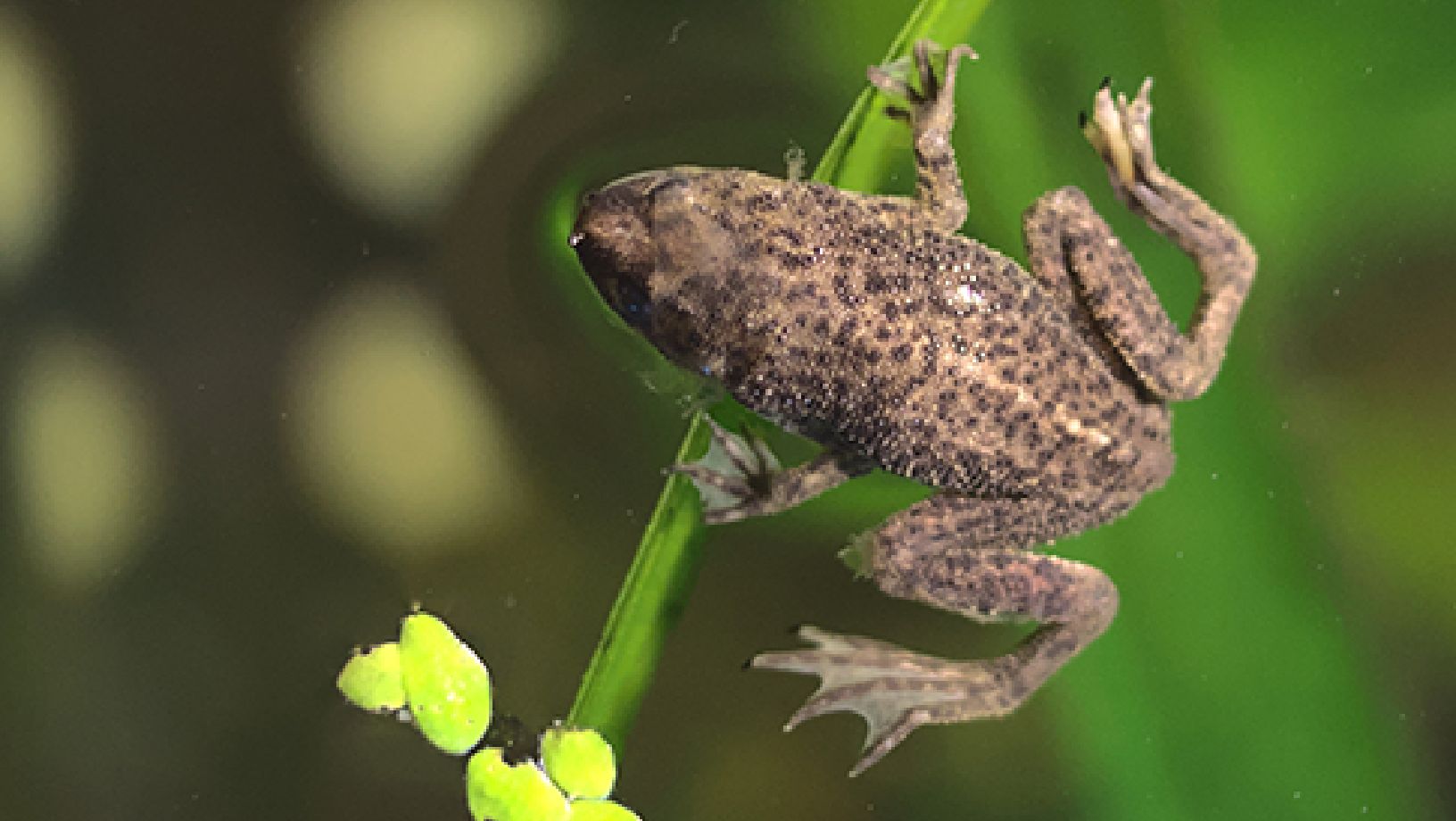
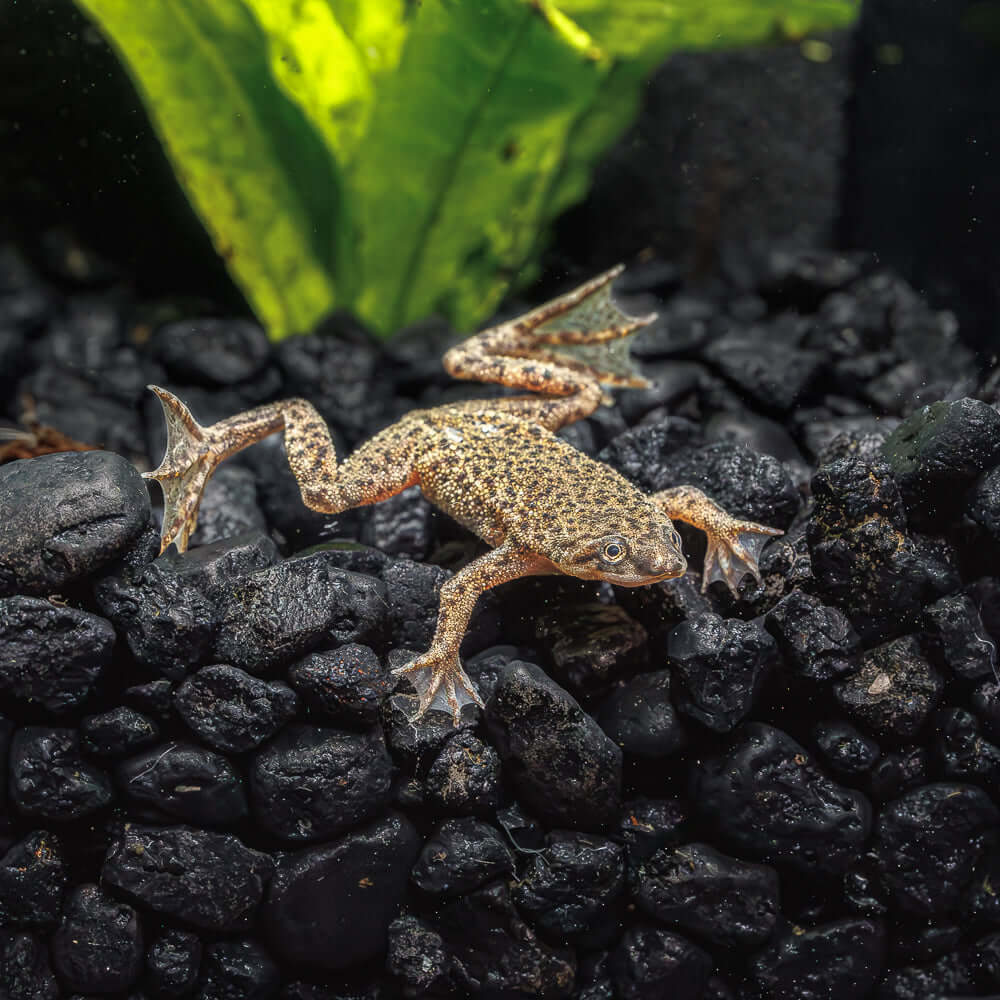
The African Dwarf Frog has unique physical features that help it live underwater. Its body is small and flat, perfect for swimming and hiding among plants. These frogs have smooth skin that can change color slightly to blend with their environment. Their legs are webbed, aiding in swift movement through water.
Size And Color Variations
African Dwarf Frogs usually grow between 1.5 to 2.5 inches long. Their small size makes them easy to keep in home aquariums. They come in different colors, from dark brown to olive green. Some have light spots or patches on their bodies. These color variations help them stay hidden from predators.
Anatomy And Adaptations
These frogs have four webbed feet that make swimming easy. Their eyes sit on top of the head, allowing them to see above water while mostly submerged. They do not have teeth but use a strong tongue to catch food. African Dwarf Frogs breathe through both their skin and lungs. This dual breathing system helps them survive underwater and on the surface.
Credit: www.petsmart.com
Natural Habitat
The African Dwarf Frog thrives in calm, freshwater environments. It lives in places with plenty of plants and hiding spots. These frogs enjoy slow-moving waters like ponds and swamps. Their natural habitat offers warmth and protection.
Geographic Distribution
African Dwarf Frogs are native to central and western Africa. They live in countries like Congo and Gabon. These frogs favor freshwater bodies surrounded by dense vegetation. This environment gives them food and shelter.
Water Conditions
The water is usually warm, between 72 and 82 degrees Fahrenheit. It is slightly acidic to neutral, with pH levels from 6.5 to 7.5. The water is calm and has low current. Clean water with low levels of chemicals is best for these frogs.
Behavior Traits
African Dwarf Frogs have unique behavior traits that make them interesting pets. Understanding their habits helps in proper care and enjoyment. These frogs show distinct patterns in activity and social behavior.
They are gentle and peaceful, making them great for community tanks. Observing their natural actions can be both fun and educational.
Activity Patterns
African Dwarf Frogs are mostly active at night. They swim slowly and gracefully in the water. During the day, they often rest on plants or the tank floor.
These frogs breathe air and surface regularly. They can stay underwater for several minutes. Watching their gentle movements adds calmness to any aquarium.
Social Interactions
These frogs enjoy the company of their kind. They often gather in small groups or pairs. Though shy, they become more active with tank mates.
African Dwarf Frogs communicate through small movements. They may wave their legs or nudge each other gently. This shows they recognize and respond to others.
Tank Setup
Setting up a tank for African Dwarf Frogs needs care and attention. A good tank keeps frogs happy and healthy. It must have the right size, clean water, and safe hiding spots.
Frogs need a calm environment with stable conditions. Each part of the setup plays a role in their well-being.
Tank Size And Equipment
A 10-gallon tank is a good start for a few frogs. Bigger tanks give more space to swim and hide. A gentle filter keeps water clean but should not create strong currents. Frogs like calm water. A heater helps keep the water temperature steady, usually between 72 and 78°F. Use a lid to prevent frogs from jumping out.
Water Parameters
Water must be clean and safe. Keep pH between 6.5 and 7.5 for comfort. Check ammonia and nitrite levels often; they should be zero. Nitrate should stay low, under 20 ppm. Change 20% of the water weekly to keep it fresh. Use a water conditioner to remove chlorine and chloramine from tap water.
Decor And Plants
Decorations give hiding spots and reduce stress. Use smooth rocks or driftwood to avoid injury. Live plants are great for hiding and improve water quality. Java fern and Anubias are easy to care for. Avoid sharp or rough decor that can hurt the frogs. Keep the tank dimly lit; frogs prefer low light.
Diet And Feeding
The diet and feeding routine of the African Dwarf Frog is key to its health. These small amphibians need a balanced diet for growth and energy. Their eating habits are simple but must be consistent to keep them strong and active.
Preferred Foods
African Dwarf Frogs enjoy live or frozen foods. Bloodworms, brine shrimp, and daphnia are favorites. They also eat small pieces of fish flakes or pellets. Their diet should include protein-rich items to support their bodies.
Feeding Schedule
Feed your frog once a day, ideally in the evening. These frogs eat slowly, so give them about five minutes. Remove any leftover food after this time to keep the tank clean. A regular feeding time helps maintain their routine.
Avoiding Overfeeding
Overfeeding can cause health problems like obesity and water pollution. Only offer what your frog can eat in one meal. Watch their behavior and adjust the amount if needed. Keep their tank clean by removing uneaten food promptly.
Health And Care
African Dwarf Frogs need good care to stay healthy and happy. Their health depends on clean water, proper food, and a calm tank. Watch them daily to catch any problems early. Healthy frogs live longer and show more activity.
Understanding their common illnesses helps keep your pet safe. Knowing signs of stress helps you act fast. Preventive measures protect frogs from many health issues. This knowledge makes your care more effective.
Common Diseases
These frogs often face skin infections and fungal diseases. Swim bladder disorder can cause swimming problems. Eye infections are also common. Bacterial infections may occur from dirty water. Early treatment is important for all diseases.
Signs Of Stress
Stress shows in slow movement or hiding. Loss of appetite is a key sign. Frogs may float upside down or stay still. Skin color can become dull or pale. Watch for unusual behavior to protect your pet.
Preventive Measures
Keep the water clean with regular changes. Maintain the right temperature between 72°F and 78°F. Feed a balanced diet, including pellets and live food. Avoid overcrowding the tank to reduce stress. Use a good water filter to prevent infections.
Breeding Tips
Breeding African Dwarf Frogs can be a rewarding experience. It requires careful attention to their needs and environment. Small changes can encourage frogs to mate and produce healthy offspring.
Understanding their behavior and providing proper care helps increase success. This section covers key tips for breeding, egg care, and raising tadpoles.
Mating Behavior
Male African Dwarf Frogs call by making a soft clicking sound. This attracts females and signals readiness to breed. Mating often happens in the early morning or late evening.
Frogs swim closely together during mating. The male clasps the female gently in a hold called amplexus. This position helps the female release eggs while the male fertilizes them externally.
Egg Care
After fertilization, females lay small clusters of eggs on plants or aquarium surfaces. Eggs look like tiny clear balls with black dots inside. Remove any unfertilized or fungus-infected eggs quickly.
Keep the water clean and well-oxygenated. Avoid strong currents that can damage eggs. A temperature around 75-80°F supports healthy egg development.
Raising Tadpoles
Tadpoles hatch in about 3-7 days. Feed them finely crushed fish flakes or special tadpole food. Change water regularly to prevent waste buildup.
Provide hiding spots and gentle water flow. Tadpoles grow legs in 4-6 weeks and start breathing air. At this stage, offer small live or frozen foods to support growth.
Credit: flipaquatics.com
Tank Mates
The African Dwarf Frog is a peaceful pet that lives well with others. Choosing the right tank mates keeps the frog safe and happy. Some species share the same calm nature and water needs.
Tank mates that move slowly and do not nip help the frog avoid stress. Small fish or gentle creatures make good companions. Avoid overcrowding to keep the water clean and comfortable.
Compatible Species
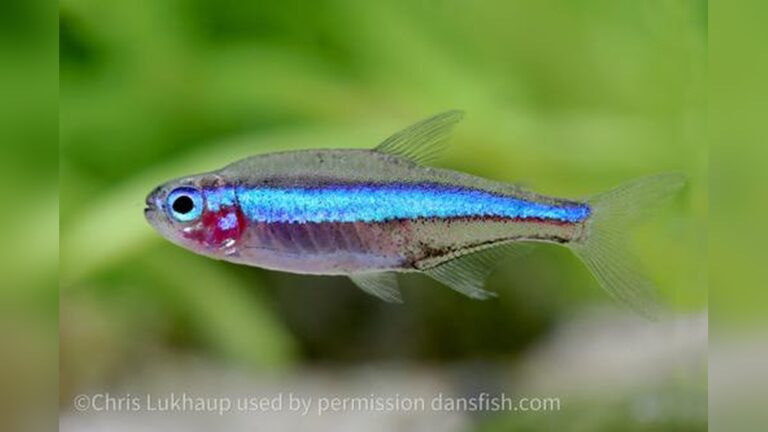
Small, peaceful fish like guppies and neon tetras fit well in the same tank. Snails and shrimp that stay out of the frog’s way also work. These tank mates do not bother the frog or compete for food.
Bottom-dwelling fish such as Corydoras catfish are good choices. They stay on the tank floor and avoid the frog’s space. African Dwarf Frogs enjoy calm, quiet neighbors without sharp fins.
Species To Avoid
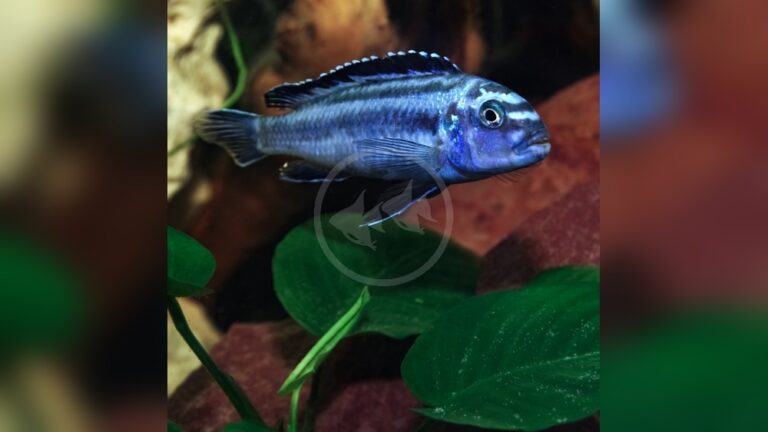
Avoid big or aggressive fish that can harm the frog. Cichlids and goldfish may nip or chase the frog. Fast swimmers might stress the frog by constant movement.
Fish with sharp teeth or strong jaws can injure the frog. Large fish might eat the frog if it is small enough. Avoid mixing African Dwarf Frogs with predatory species for safety.
How Smart Pets Lover Can Help You with African Dwarf Frog
Practical Learning with Your African Dwarf Frog
Welcoming an African Dwarf Frog into your home opens up a wonderful opportunity to learn hands-on about amphibian behavior, tank setup, and health care. Observing their unique behavior traits—like their gentle movements and air-breathing habits—can deepen your understanding of aquatic life and responsibility. Setting up their tank thoughtfully, with attention to water parameters and suitable tank mates, reinforces key lessons in creating a balanced habitat.
Tracking their diet and feeding patterns offers practical insights into nutrition and routine care, helping you become a more confident pet parent. At Smart Pets Lover, we believe that every interaction with your pet is a step toward a richer bond and more informed care. For questions or advice, feel free to reach out to trusted pet care communities or experts who share this passion.
Remember, caring for your African Dwarf Frog isn’t just about maintenance—it’s about growing alongside your pet, learning patience, and celebrating the little moments that make pet ownership so rewarding.
Frequently Asked Questions
What Is The Lifespan Of An African Dwarf Frog?
African Dwarf Frogs typically live 5 to 8 years in captivity. Proper care, diet, and tank conditions can extend their lifespan.
How Do African Dwarf Frogs Breathe Underwater?
They have lungs and breathe air but can also absorb oxygen through their skin while underwater.
What Tank Size Is Ideal For African Dwarf Frogs?
A 5 to 10-gallon tank is suitable for one or two African Dwarf Frogs. Larger tanks benefit multiple frogs.
Are African Dwarf Frogs Peaceful With Other Fish?
Yes, they are peaceful and can coexist with non-aggressive fish species in a community tank.
Conclusion
African Dwarf Frogs make great pets for beginners and experts alike. They stay small and need simple care. Watching them swim is fun and relaxing. Keep their tank clean and feed them well. They live happily in groups or alone.
These frogs add life and interest to any aquarium. Remember to provide fresh water and a safe home. Caring for them is easy and rewarding. Enjoy the charm these little frogs bring to your space.