African Cichlid
If you’re looking to add vibrant colors and lively energy to your aquarium, African Cichlids are a perfect choice. These fish are not just beautiful; they have unique behaviors that make watching them a fascinating experience.
Whether you’re a beginner or have some aquarium experience, understanding African Cichlids will help you create a thriving underwater community. Keep reading to discover what makes these fish so special and how you can care for them easily. Your aquarium will never be the same!
Credit: www.nature.com
Cichlid Origins
African cichlids are some of the most colorful and diverse fish in the world. Their origins explain much about their unique shapes and behaviors. These fish have adapted to many different environments over millions of years. Understanding their beginnings helps appreciate their beauty and variety.
Scientists study cichlid origins to learn about evolution and nature’s creativity. Their history is tied closely to Africa’s lakes and rivers. These waters provide homes and shape the way cichlids live and grow.
Geographic Distribution
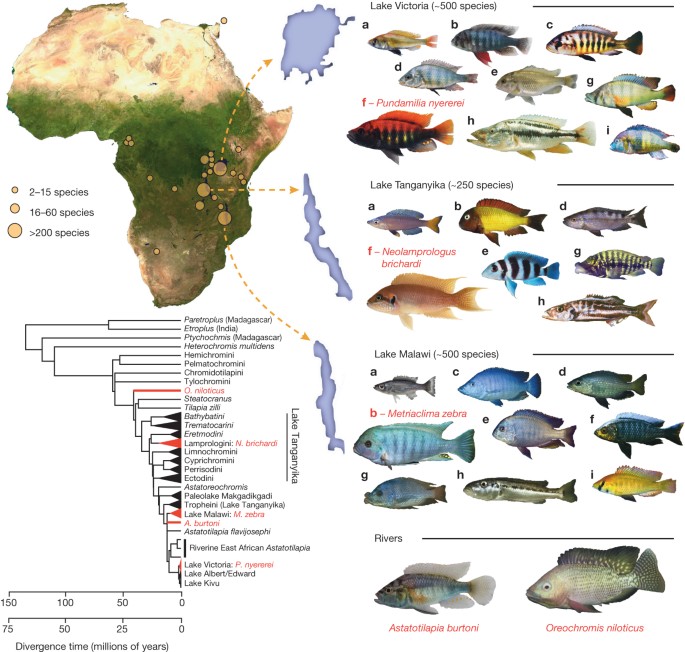
African cichlids live mostly in the Great Rift Valley lakes. These lakes include Lake Malawi, Lake Tanganyika, and Lake Victoria. Each lake has hundreds of cichlid species. The fish also live in smaller rivers and streams across Africa.
The lakes have clear, warm water that suits cichlids well. Different species live at different depths and areas of the lakes. This variety creates many unique habitats for cichlids to thrive.
Evolutionary History
Cichlids have evolved for about 10 million years. Their evolution shows rapid changes in shape and behavior. This fast evolution is rare in fish and makes cichlids special.
Fish adapt to new food sources and environments quickly. Natural selection causes species to become very different. This process explains why cichlids have many colors and forms. Each species fits a specific role in their ecosystem.
Credit: simstropicalfish.co.uk
Physical Features
African Cichlids show a wide range of physical traits. These traits help them survive and attract mates in their natural habitat. Their bodies are designed for agility and speed in rocky waters. Bright colors and unique shapes make them popular among aquarium lovers.
Color Variations
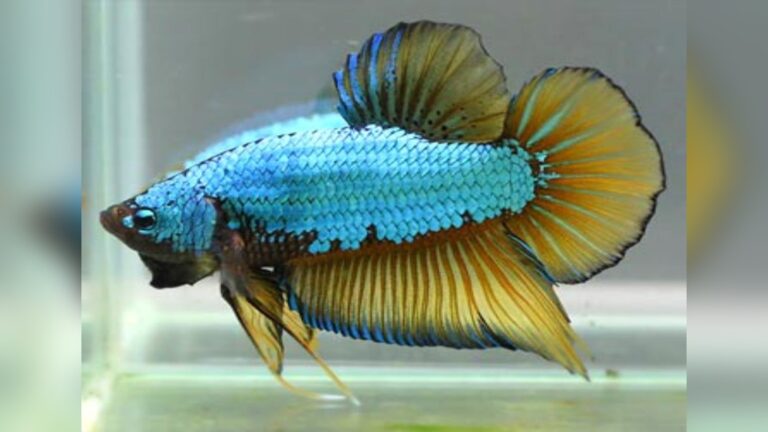
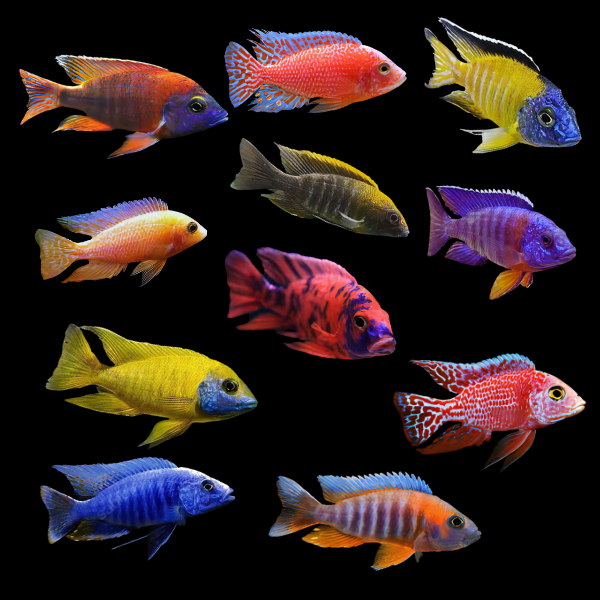
African Cichlids display vibrant colors. These include blues, yellows, reds, and greens. Colors can change based on mood or environment. Males often have brighter colors than females. This helps them stand out during breeding. Patterns like stripes and spots add to their beauty. Each species has its own unique color mix.
Size And Shape
These fish vary in size from small to medium. Most grow between 3 to 6 inches long. Their bodies are usually oval or elongated. Some have tall, narrow bodies while others are more rounded. Strong fins help them swim fast and dodge predators. Their shapes allow them to hide in rocky crevices easily.
Habitat Needs
African Cichlids thrive in specific habitats that mimic their natural environment. Meeting their habitat needs is key to keeping them healthy and active. These fish come from lakes and rivers with clear, hard water. Their surroundings have rocks, caves, and sand. Replicating these elements in your tank helps them feel safe and behave naturally.
Water Conditions
African Cichlids need clean, warm water with a stable pH. Aim for a pH between 7.8 and 8.6. Water hardness should be moderate to high. Keep the temperature between 75 and 82 degrees Fahrenheit. Use a good filter to keep the water clear. Test water regularly for ammonia, nitrites, and nitrates. Change 20% of the water weekly to maintain quality. Proper water conditions prevent stress and disease.
Tank Setup
Choose a tank size of at least 30 gallons for most African Cichlids. Decorate with rocks and caves to create hiding spots. Use sand or fine gravel as the tank substrate. Avoid sharp decorations that can harm the fish. Provide open swimming areas between hiding spots. Add strong filtration to handle waste. Good tank setup reduces aggression and promotes natural behavior.
Diet And Feeding
African Cichlids need a balanced diet to stay healthy and colorful. Their food must match what they eat in nature. Good feeding supports growth and vibrant colors. It also keeps them active and strong. Understanding their diet helps you give the best care.
Natural Diet
African Cichlids eat different foods in the wild. Many species feed on algae and plants. Others eat small insects and tiny animals. Some cichlids are meat-eaters, while others prefer plants. Their diet depends on their natural habitat. Knowing this helps provide the right food in the aquarium.
Feeding Tips
Feed African Cichlids small amounts two to three times daily. Use pellets or flakes made for cichlids. Mix in live or frozen foods like brine shrimp or bloodworms. Avoid overfeeding; leftover food pollutes water. Remove uneaten food after a few minutes. Keep their diet varied for good health and color.
Behavior Patterns
African cichlids display unique behavior patterns. These behaviors help them survive and thrive in their environment. Understanding these patterns makes caring for them easier and more rewarding.
Their actions reflect their natural habitat and social needs. Observing these behaviors reveals how complex and interesting these fish really are.
Territorial Nature
African cichlids are highly territorial. Males often claim specific areas. They guard these spaces fiercely against others. This behavior helps protect their food and breeding sites.
Territorial fights can be common. These conflicts involve chasing and displays of color changes. Strong and healthy fish usually win these battles. Providing enough space in the tank helps reduce aggression.
Social Interactions
Social behavior varies by species. Some cichlids live in groups, while others prefer solitude. Within groups, a clear hierarchy forms. Dominant fish get better access to food and mates.
Communication happens through body movements and color shifts. These signals convey mood and intentions. Understanding these signs helps in managing the fish’s environment.
Breeding Methods
Breeding African Cichlids can be a rewarding experience. These fish show unique behaviors during mating. Understanding their breeding methods helps in successful care and raising healthy fry. The process involves observing their mating habits and carefully managing the fry growth.
Mating Habits
African Cichlids display vibrant colors and interesting behaviors to attract mates. Males often build small nests or clear areas on rocks. They perform dances or flaring fins to impress females. Females choose mates based on these displays and territory quality. Some species are mouthbrooders, where females carry eggs in their mouths. This protects eggs from predators and increases survival chances.
Raising Fry
After hatching, fry require gentle care and a clean environment. Mouthbrooding species release fry only when they are ready to swim. Provide small, frequent feedings with fine foods like baby brine shrimp. Keep water conditions stable to avoid stress. Separate fry from adult fish to prevent harm. Watching fry grow is exciting as they develop colors and behaviors.
Common Health Issues
African Cichlids are vibrant and active fish. They bring life to any aquarium. Like all fish, they face health challenges. Knowing common health issues helps in caring for them properly. Diseases can affect their color, behavior, and lifespan. Early detection is key to keeping them healthy. Understanding symptoms and treatments benefits both new and experienced fish keepers.
Disease Prevention
Clean water is vital for African Cichlids. Change water regularly to avoid toxins. Use a good filter to keep water clear. Avoid overcrowding; it stresses the fish. Stress weakens their immune system. Feed a balanced diet to boost health. Quarantine new fish before adding them. Watch for signs of illness daily. Early action prevents disease spread.
Treatment Options
Isolate sick fish in a separate tank. Use medicated food or water treatments. Follow instructions on medicine carefully. Maintain water quality during treatment. Remove uneaten food to avoid pollution. Some diseases need antibiotics or antifungal medicine. Consult a vet for serious infections. Keep monitoring fish after treatment ends. Recovery can take days to weeks.

Credit: www.amazon.com
Popular Species
African cichlids offer a wide range of colors and shapes. They come from different lakes in Africa. Each lake has unique species with special traits. Many hobbyists love these fish for their beauty and activity.
These cichlids are hardy and easy to care for. Their vibrant colors brighten any aquarium. Understanding popular species helps choose the right fish for your tank.
Lake Malawi Varieties
Lake Malawi cichlids are among the most colorful. They are often called “Mbuna,” meaning rock-dweller. These fish have bright blues, yellows, and reds. They like rocky environments and need hiding spots.
Popular types include the Electric Blue and Yellow Lab. They are small but very active swimmers. Malawi cichlids show strong personalities and social behavior. They do best in groups with enough space.
Lake Tanganyika Varieties
Lake Tanganyika cichlids are known for unique shapes. They have longer bodies and strong jaws. These fish are less colorful but very interesting to watch. Many species have stripes or spots for camouflage.
Famous Tanganyika species include Frontosa and Julidochromis. Frontosas are large and calm, perfect for bigger tanks. Julidochromis are smaller and like to hide in caves. These fish need clean water and stable conditions.
Aquarium Care Tips
Caring for African Cichlids requires attention to detail and consistency. These fish thrive best in well-maintained tanks. Understanding their needs helps keep them healthy and vibrant. The following tips focus on essential care aspects.
Maintenance Routine
Regular water changes keep the tank clean and safe. Change 20% to 30% of the water weekly. Use a gravel vacuum to remove debris. Check water temperature daily; it should stay between 75°F and 82°F. Test water parameters like pH and hardness often. African Cichlids prefer a pH of 7.8 to 8.6. Clean filters every two weeks but avoid washing them with tap water. This preserves beneficial bacteria.
Compatibility With Other Fish
African Cichlids can be aggressive. Choose tank mates carefully. Avoid small, slow, or timid fish. Best companions are other African Cichlids with similar size and temperament. Provide plenty of hiding spots with rocks and plants. This reduces stress and fights. Monitor fish behavior regularly. Separate any aggressive fish to prevent injuries.
How Smart Pets Lover Can Help You with African Cichlid
Exploring African Cichlids: A Hands-On Learning Experience
Getting to know African Cichlids offers more than just a glimpse into their vibrant colors and lively behavior—it’s a chance to deepen your understanding of aquatic life through practical learning. Observing their behavior patterns in a well-maintained aquarium helps you appreciate their social dynamics, while paying attention to habitat needs ensures you create an environment where they thrive. This hands-on approach not only sharpens your aquarium care skills but also nurtures a compassionate connection with these fascinating fish.
At Smart Pets Lover, we believe every pet parent deserves to feel confident and informed, especially when caring for creatures as unique as African Cichlids. Whether you’re curious about their breeding methods or managing common health issues, embracing these learning opportunities enriches the experience and supports responsible pet ownership.
If you ever need guidance or want to share your journey, feel free to reach out—we’re here to help every step of the way.
Frequently Asked Questions
What Are African Cichlids And Where Do They Originate?
African Cichlids are colorful freshwater fish from Africa’s Great Lakes, mainly Lake Malawi and Lake Tanganyika. They are popular in aquariums due to their vibrant colors and active behavior.
How Do I Care For African Cichlids In An Aquarium?
Maintain clean, well-filtered water with a pH of 7. 8-8. 6 and temperature around 75-82°F. Provide rocks and hiding spots. Feed a balanced diet of pellets, flakes, and occasional live food.
Are African Cichlids Aggressive Towards Other Fish?
Yes, many African Cichlids are territorial and can be aggressive. Keeping them with similar-sized, robust species and plenty of space helps reduce conflicts.
What Is The Ideal Tank Size For African Cichlids?
A minimum 30-gallon tank is recommended for smaller groups. Larger tanks (55 gallons or more) suit bigger groups and reduce territorial aggression.
Conclusion
African cichlids are colorful and active fish that brighten any aquarium. They need clean water and proper care to stay healthy. Choose tank mates carefully to avoid fights. Feeding them a balanced diet keeps them strong and vibrant. Watching their unique behaviors can bring joy to fish lovers.
These fish fit well in both beginner and experienced hobbyists’ tanks. Enjoy the beauty and life that African cichlids add to your home. Caring for them is simple with the right knowledge and effort.