African Butterflyfish
Have you ever seen a fish that looks like it’s fluttering through the water like a butterfly? The African Butterflyfish is just that unique and fascinating.
If you’re curious about adding something truly special to your aquarium, this fish might be exactly what you need. You’ll discover what makes the African Butterflyfish stand out, how to care for it, and why it could be the perfect addition to your aquatic collection.
Keep reading, and you’ll find everything you need to know to make your aquarium come alive with this stunning species.
African Butterflyfish Habitat
African Butterflyfish live in slow-moving rivers and streams in Africa. They prefer areas with plants and calm water. This habitat helps them hide and find food easily.
Natural Environment
The African Butterflyfish lives in calm, slow-moving waters. It prefers rivers, lakes, and swamps with many plants. These plants give the fish shelter and food. The fish often stays near the water surface. It can even jump out to catch insects above the water.
Geographic Distribution
This fish is found in many parts of Africa. It lives mainly in West and Central Africa. Countries like Nigeria, Cameroon, and Gabon have this fish in their waters. It stays in freshwater bodies with rich plant life. Its range covers large river basins and smaller streams.
Water Conditions
The African Butterflyfish prefers warm water. The ideal temperature is between 75 and 82 degrees Fahrenheit. It thrives in soft to moderately hard water. The water pH should be slightly acidic to neutral, around 6.0 to 7.5. Clean and well-oxygenated water helps the fish stay healthy and active.
Credit: aquaticarts.com
Physical Features
The African Butterflyfish displays unique physical features that help it survive in its environment. Its body shape and colors make it easy to spot. These features also aid in camouflage and hunting.
Size And Shape
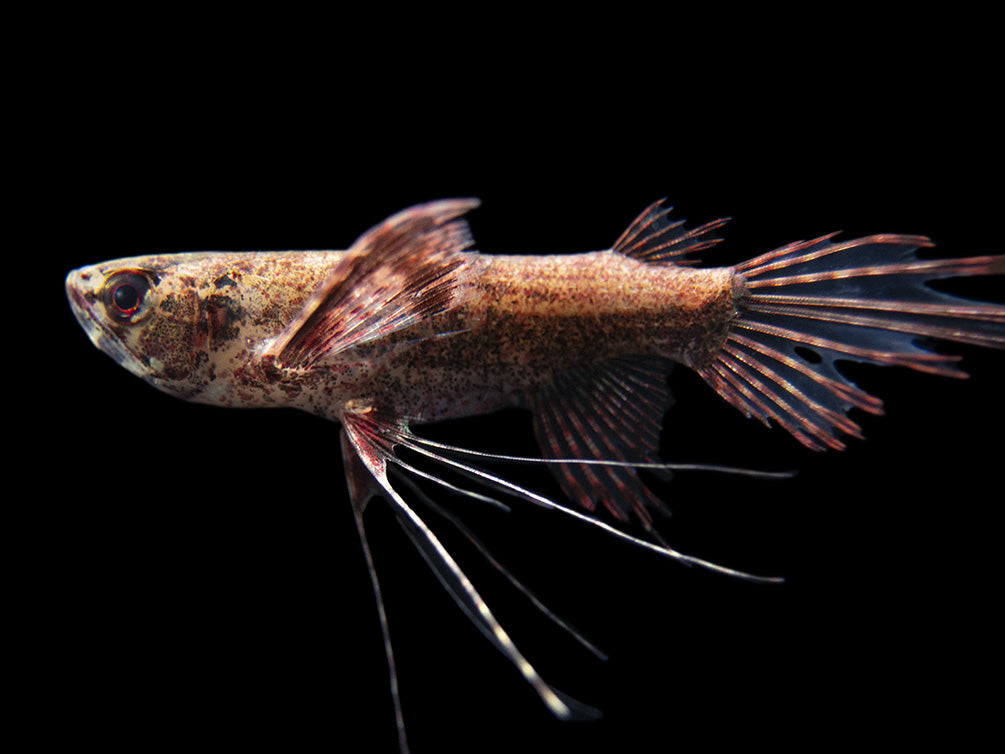
This fish has a flat, broad body that looks like a leaf. It grows up to 6 inches long. The wide shape helps it glide through water and hide among plants. Its body is thin from side to side, making it look almost two-dimensional.
Color Patterns
The African Butterflyfish shows a mix of browns, greens, and yellows. These colors blend well with leaves and water plants. Some fish have spots or stripes to break their outline. The patterns change slightly based on their habitat and mood.
Distinctive Traits
One key trait is its long, wing-like fins. These fins help it move smoothly and stay steady. The fish also has a pointed snout for catching insects. Its eyes sit high on the head, giving a wide view above water. This helps spot prey and predators easily.
Behavior And Lifestyle
The African Butterflyfish has unique behaviors that make it stand out. Its lifestyle fits well in calm freshwater environments. This fish shows interesting habits in feeding, social life, and movement. These traits help it survive and thrive.
Feeding Habits
This fish prefers eating insects and small animals on the water’s surface. It often waits patiently for prey to come near. It can also catch flying insects above the water. This diet keeps it active and alert. Feeding mostly happens during the day.
Social Interaction
The African Butterflyfish is usually solitary. It defends its small territory from other fish. At times, it may tolerate others nearby without much conflict. The fish uses body movements to communicate its mood. This helps avoid fights and stress.
Breathing And Movement
This fish breathes air from the surface using a special organ. It needs to swim up often to get oxygen. Its movement is smooth and gliding, like a butterfly. It can even jump short distances out of water. This helps it escape danger quickly.

Credit: dansfish.com
Tank Setup For African Butterflyfish
The African Butterflyfish needs a special tank to thrive. Setting up the right environment helps keep this fish healthy and happy. Understanding their needs makes aquarium care easier.
This section covers essential tips on tank size, water conditions, and decoration.
Aquarium Size
A tank of at least 30 gallons suits one African Butterflyfish. They like space to swim near the surface. Bigger tanks allow for more natural behavior. Avoid small tanks to reduce stress and illness.
Water Parameters
Keep water temperature between 75 and 82 degrees Fahrenheit. pH should be neutral to slightly alkaline, around 7.0 to 8.0. African Butterflyfish prefer soft to moderately hard water. Maintain clean water with regular changes and good filtration.
Decor And Plants
Use floating plants to create shade and surface cover. Driftwood and rocks offer hiding spots and resting places. Avoid sharp decorations that could harm the fish. Open swimming space is important, so don’t overcrowd the tank.
Diet And Nutrition
The African Butterflyfish has a unique diet that keeps it healthy and active. Understanding what it eats helps you care for it better. Proper nutrition supports its energy and bright colors.
Feeding the right food in the right amounts is key. Let’s explore what the African Butterflyfish prefers and how often to feed it. Also, learn about useful supplements and treats to include.
Preferred Food
This fish mainly eats small insects and larvae in the wild. In an aquarium, offer live or frozen bloodworms and brine shrimp. It also enjoys small crustaceans and insect larvae. Dry flakes or pellets made for carnivorous fish work well too.
Feeding Frequency
Feed the African Butterflyfish two times a day. Provide only what it can eat in 2-3 minutes. Overfeeding causes water pollution and health problems. Young fish may need more frequent feeding than adults.
Supplements And Treats
Occasionally, add vitamin-enriched foods for extra health support. Live foods like daphnia are excellent treats. Avoid feeding too much frozen or processed food. Variety in diet improves fish vitality and color brightness.

Credit: www.fishlore.com
Breeding African Butterflyfish
Breeding African Butterflyfish can be a rewarding experience for aquarium enthusiasts. These fish show unique behaviors during breeding. Understanding their needs helps ensure successful spawning and healthy fry.
Careful attention to water conditions and tank setup increases the chances of breeding success. Patience is key, as these fish do not breed quickly.
Mating Behavior
African Butterflyfish form pairs during mating. Males display bright colors to attract females. They swim in circles close to each other. This dance strengthens their bond. Aggression can occur if space is limited.
Providing plenty of hiding spots reduces stress. Males may guard the female before spawning. Observing these behaviors helps identify a ready pair.
Spawning Process
Spawning usually happens near plants or flat surfaces. The female lays eggs carefully on leaves or glass. The male fertilizes eggs immediately after. Eggs stick to surfaces and are transparent. They hatch in two to three days.
Maintaining clean water during this time is crucial. Removing other fish prevents eggs from being eaten. Light should be dimmed to mimic natural conditions.
Raising Fry
Once hatched, fry are very small and fragile. They need tiny food like infusoria or newly hatched brine shrimp. Feeding small amounts several times a day works best. Water quality must stay high to prevent disease.
Keep fry in a separate tank to protect them. As they grow, introduce larger foods gradually. Watch their development closely for signs of health or stress.
Common Health Issues
African Butterflyfish face several common health problems in home aquariums. These issues can affect their behavior, appearance, and lifespan. Understanding these problems helps keep your fish healthy and happy.
Water quality and diet play big roles in preventing disease. Stress from poor tank conditions can lead to illness. Early detection is key to successful treatment.
Signs Of Illness
Look for changes in swimming or hiding more than usual. Notice any loss of appetite or sudden weight loss. Check for spots, discoloration, or torn fins. Gasping at the surface or labored breathing may also occur.
Cloudy eyes and unusual body lumps are warning signs. Fish may become lethargic or show erratic movements. These symptoms indicate the need for immediate care.
Preventive Care
Maintain clean water by doing regular tank changes. Use a quality filter and monitor water parameters often. Feed a balanced diet rich in nutrients and vitamins. Avoid overcrowding to reduce stress and aggression.
Quarantine new fish before adding them to the main tank. This practice helps stop the spread of disease. Keep tank decorations clean to limit bacteria growth.
Treatment Options
Isolate sick fish in a separate hospital tank. Use medicated food or water treatments as directed. Follow dosage instructions carefully to avoid harming fish. Increase aeration to improve oxygen levels during treatment.
Consult an aquatic veterinarian for severe or unknown illnesses. Early treatment improves chances of recovery. Monitor fish closely and adjust care based on their response.
Compatibility With Other Fish
The African Butterflyfish is an interesting species with unique behavior. Understanding its compatibility with other fish helps create a peaceful tank. This fish can live with some species but may not get along with others.
Suitable Tankmates
Choose tankmates that are calm and not too small. Medium-sized fish like gouramis or peaceful barbs work well. Avoid very small fish that the butterflyfish may see as food. Fish that swim in the middle or top levels of the tank are ideal.
Aggression Factors
The African Butterflyfish can be territorial, especially during feeding. It may chase or nip smaller or slower fish. Stress and lack of space can increase aggression. Providing enough hiding spots lowers fights and stress.
Community Tank Tips
Keep the tank large and well-planted to reduce stress. Introduce fish slowly to avoid surprises. Watch fish behavior daily to spot signs of trouble early. Separate aggressive fish if fights happen often.
How Smart Pets Lover Can Help You with African Butterflyfish
Learning from the African Butterflyfish: A Hands-On Journey
Getting to know the African Butterflyfish isn’t just about admiring its unique physical features or setting up the perfect tank. It’s an opportunity to deepen your understanding of aquatic life and responsible pet care. Observing their behavior and lifestyle, for example, teaches patience and respect for their semi-aggressive nature, while managing their diet and nutrition offers practical insights into maintaining a balanced ecosystem.
Setting up a suitable tank isn’t merely a task—it’s a lesson in creating a habitat that mirrors their natural environment, which is crucial for their wellbeing. This hands-on experience can ignite a passion for aquatic biology and nurture a sense of stewardship for living creatures.
At Smart Pets Lover, we believe every pet parent’s journey is a story worth sharing, where knowledge builds confidence and connection. If questions arise or you want to explore more about African Butterflyfish care, reaching out to local aquatic experts or community forums can provide valuable, tailored advice.
Frequently Asked Questions
What Is The Natural Habitat Of African Butterflyfish?
African Butterflyfish live in slow-moving rivers, streams, and swamps across West and Central Africa. They prefer shaded, vegetated waters rich in insects.
How Do African Butterflyfish Breathe Outside Water?
They have a specialized labyrinth organ allowing them to breathe atmospheric air. This adaptation helps them survive in oxygen-poor water.
What Do African Butterflyfish Eat In The Wild?
Their diet mainly consists of insects, larvae, small crustaceans, and other invertebrates found near water surfaces.
Are African Butterflyfish Suitable For Home Aquariums?
Yes, but they need spacious tanks with calm water, hiding spots, and a secure lid to prevent jumping.
Conclusion
African Butterflyfish show unique behavior and beauty underwater. They adapt well to different environments. Their care is simple for beginners and experts alike. Watching them swim brings calm and joy. These fish add life to any aquarium. They teach us about nature’s variety and wonder.
Keep their tank clean and water fresh. Enjoy the peaceful presence of African Butterflyfish every day.