Acrylic Vs Glass Aquarium
Choosing the right aquarium is more than just picking a tank—it’s about creating a beautiful, safe home for your aquatic friends. When you’re deciding between acrylic and glass aquariums, you might feel overwhelmed by all the options and technical details.
But don’t worry, this guide is here to help you make a clear choice that fits your needs and budget. By the end, you’ll know which material will keep your fish happy and your space stunning. Ready to find out which aquarium suits you best?
Let’s dive in.
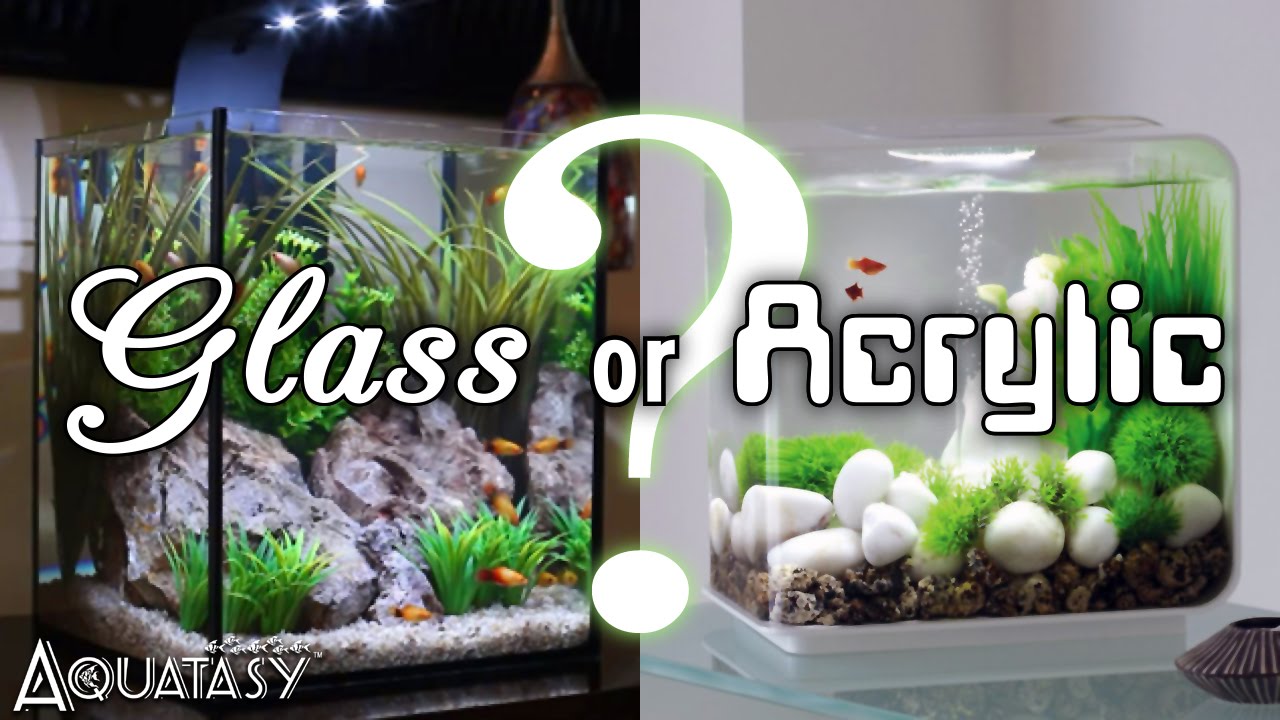
Credit: www.youtube.com
Material Differences
The material of an aquarium plays a big role in its durability and appearance. Acrylic and glass are the two main materials used. Each has unique features that affect your tank’s look and strength. Understanding these differences helps you pick the right tank.
Composition And Properties
Glass is made from sand and other minerals heated until they melt. It is hard and scratch-resistant. Acrylic is a type of plastic. It is lighter and more flexible than glass. Acrylic can bend without breaking. Glass is rigid but can crack under pressure.
Weight Comparison
Glass is heavier than acrylic. A glass tank can weigh twice as much as an acrylic one of the same size. Acrylic makes moving and installation easier. It puts less strain on furniture. This makes acrylic popular for large aquariums.
Transparency And Clarity
Glass offers clear and sharp views. It does not yellow over time. Acrylic starts very clear and can be even clearer than glass. It may yellow if exposed to sunlight for long. Acrylic also has a slight magnifying effect, making fish look bigger.
Durability And Strength
Durability and strength are key factors when choosing between acrylic and glass aquariums. Both materials offer solid support for aquatic life but differ in toughness and resilience. Understanding these differences helps you pick the best tank for your needs.
Impact Resistance
Acrylic stands out for its high impact resistance. It can absorb shocks without cracking easily. Glass, while strong, tends to break or shatter under hard impact. This makes acrylic safer in environments with pets or children.
Scratch Resistance
Glass is harder and resists scratches better than acrylic. Acrylic scratches more easily from cleaning or handling. Scratches can dull acrylic’s clarity over time. Using proper cleaning tools helps protect acrylic surfaces.
Longevity
Both acrylic and glass last many years with care. Acrylic may yellow or warp slightly under strong sunlight. Glass remains clear and stable but can crack with sudden stress. Regular maintenance extends the life of either tank.
Maintenance And Cleaning
Maintaining and cleaning an aquarium is vital for a clear view and a healthy environment. Both acrylic and glass aquariums need regular care, but their cleaning methods differ. Understanding these differences helps keep your tank beautiful and safe for fish.
Cleaning Techniques
Glass aquariums require specific scrubbers to avoid scratches. Use a magnetic or plastic scraper for algae removal. Avoid metal tools that can damage the glass surface. Acrylic tanks need gentle cleaning with soft cloths or sponges. Use only cleaners made for acrylic to prevent damage. Rinse tanks well to remove all cleaning residues.
Scratch Repairs
Glass is hard and resists scratches well. Small scratches on glass are hard to fix and may need professional help. Acrylic scratches are common but easier to repair. Light scratches can be buffed out with polishing kits. Deep scratches require special acrylic fillers or expert repair.
Stain Resistance
Glass resists stains and discoloration effectively. It does not absorb water or chemicals, making it easy to clean. Acrylic can stain over time if not cleaned properly. It may absorb oils or dyes from water or cleaning products. Regular cleaning and using the right products reduce stains on acrylic tanks.

Credit: www.red-fin.com
Cost And Availability
Choosing between acrylic and glass aquariums often depends on cost and availability. These factors affect your budget and how quickly you can set up your tank. Understanding the differences helps you make a smart choice.
Initial Investment
Glass aquariums usually cost less upfront. They are cheaper to produce and widely sold. Acrylic tanks often have higher prices. Their manufacturing process is more complex. Acrylic also offers better clarity and strength, which adds to the cost.
Long-term Expenses
Glass aquariums may need more repairs. They can crack or chip easily. Acrylic tanks resist impacts better but scratch more. Scratches on acrylic may require polishing or replacement. Consider maintenance costs over time for both types.
Market Availability
Glass aquariums are more common in pet stores. They come in many sizes and shapes. Acrylic tanks are less common but growing in popularity. You may find fewer choices and higher prices for acrylic. Availability depends on your location and suppliers.
Design And Customization
Design and customization play a big role in choosing between acrylic and glass aquariums. The style and look of your tank affect your room’s feel. Your aquarium should match your space and personal taste. Both materials offer different options for creating the perfect tank.
Understanding how each material supports design helps you pick the best option. Size, shape, and style vary with acrylic and glass. Let’s explore these features to see what fits your needs.
Shape And Size Options
Acrylic tanks come in many shapes and sizes. They can bend and curve easily without breaking. This allows unique designs like curved fronts or corners. Glass tanks have limits. They usually come in standard shapes like rectangles or squares. Large glass tanks can be heavy and hard to move. Acrylic is lighter and better for large or unusual shapes.
Customization Flexibility
Acrylic offers more flexibility in customization. It can be cut and shaped to fit special spaces. Builders can create custom designs with ease. Glass customization is more limited. Cutting glass requires skill and can be costly. Acrylic also allows easier drilling for filters or lighting. This makes acrylic ideal for custom setups or creative projects.
Aesthetic Appeal
Both acrylic and glass look clear and clean. Acrylic has a brighter, clearer appearance because it bends less light. It also does not fog or stain easily. Glass has a classic look with sharp edges and a solid feel. Acrylic’s smooth edges make tanks safer and more modern-looking. The choice depends on your style preference and the look you want to achieve.
Safety And Environmental Impact
Choosing between acrylic and glass aquariums involves thinking about safety and the environment. Both materials have different effects on health and nature. Understanding these differences helps you pick the best tank for your needs and the planet.
Toxicity Levels
Acrylic is a type of plastic made from polymers. It is generally safe and does not release harmful chemicals into water. Glass is made from natural sand and minerals. It does not leach toxins or affect water quality. Both materials are safe for fish and plants inside the aquarium.
Recyclability
Glass is easier to recycle than acrylic. It can be melted and reused many times without losing quality. Acrylic recycling is less common and more complicated. Not all recycling centers accept acrylic materials. This limits how often acrylic can be reused or repurposed.
Environmental Footprint
Making glass uses high energy but glass lasts a very long time. Acrylic production uses less energy but is made from fossil fuels. Acrylic breaks down slower in nature and can cause pollution. Glass breaks down naturally and is less harmful to ecosystems.
Ideal Uses And Applications
Choosing between acrylic and glass aquariums depends on where and how you plan to use them. Each material offers specific benefits suited to different aquarium setups. Understanding these can help you make the right choice for your fish tank.
Suitable Aquarium Types
Acrylic aquariums work well for large tanks and unusual shapes. They are lighter and more flexible than glass. This makes acrylic ideal for custom designs and big displays.
Glass aquariums are best for standard sizes and simple shapes. They resist scratches better and offer clear visibility. Glass suits traditional setups and smaller tanks.
Placement Considerations
Acrylic tanks suit rooms where weight is a concern. They are easier to move and install. Acrylic also handles impacts better, reducing breakage risks in busy areas.
Glass tanks are better on stable, flat surfaces. They can be heavier and fragile. Glass is great for quiet spaces where accidents are less likely.
User Preferences
Some users prefer acrylic for its warmth and smooth feel. It allows creative tank designs and easy shaping. Others like glass for its sharp clarity and scratch resistance.
Maintenance habits matter too. Acrylic needs careful cleaning to avoid scratches. Glass is simpler to clean but can crack if dropped.

Credit: truvuaquariums.com
How Smart Pets Lover Can Help You with Acrylic Vs Glass Aquarium
Exploring Acrylic Vs Glass Aquariums: A Learning Opportunity for Every Pet Parent
Choosing between acrylic and glass aquariums isn’t just about picking a tank; it’s a chance to understand durability, maintenance, and design in a whole new way. If you’ve read through our detailed look at material differences and maintenance, you know how each option shapes your aquarium’s longevity and care routine.
For pet parents eager to dive deeper, comparing the strength and safety of acrylic versus glass can reveal insights into how to create a secure, beautiful habitat for your aquatic friends. This practical knowledge helps you tailor your setup to your lifestyle and environment, especially when considering customization possibilities and environmental impact.
- Think about how often you can commit to cleaning and upkeep.
- Consider the space where the aquarium will live, factoring in weight and fragility.
- Reflect on what design fits your personal style and your pet’s needs.
At Smart Pets Lover, we believe informed choices lead to happier pets and parents alike. For any questions or extra tips on aquariums or pet care, feel free to connect with us—because every wag, purr, and chirp tells a story worth learning about.
Frequently Asked Questions
What Are The Main Differences Between Acrylic And Glass Aquariums?
Acrylic is lighter, more impact-resistant, and flexible. Glass is heavier, scratch-resistant, and rigid. Acrylic offers better insulation. Glass is usually cheaper and clearer. Each material suits different aquarium needs and budgets.
Which Aquarium Material Is Safer For Large Tanks?
Acrylic is safer for large tanks due to its flexibility and strength. It resists cracking under pressure better than glass. Large glass tanks are prone to breakage and need thicker panels, increasing weight and cost.
How Does Maintenance Differ Between Acrylic And Glass Aquariums?
Glass aquariums resist scratches and are easy to clean with standard tools. Acrylic can scratch easily and requires special cleaners. Acrylic is prone to yellowing over time if exposed to UV light. Maintenance depends on material properties.
Is Acrylic Or Glass Better For Aquarium Clarity?
Glass provides superior optical clarity and doesn’t yellow over time. Acrylic has slightly lower clarity but offers better light transmission. Over years, acrylic may yellow if not UV-protected. For clear viewing, glass is generally preferred.
Conclusion
Choosing between acrylic and glass aquariums depends on your needs. Acrylic is lighter and less likely to break. Glass offers clearer views and is more scratch-resistant. Both materials have pros and cons to consider. Think about your budget, tank size, and maintenance skills.
Either choice can create a beautiful home for your fish. Remember, care and proper setup matter most. Your perfect aquarium awaits.