Acan Coral
If you’re looking to add vibrant color and life to your aquarium, Acan Coral might be exactly what you need. These corals are not only stunning but also surprisingly easy to care for, making them perfect for both beginners and experienced hobbyists.
Imagine watching your tank come alive with their bright hues and unique shapes, creating a mesmerizing underwater scene right in your home. Keep reading to discover how Acan Coral can transform your aquarium and learn simple tips to keep them healthy and thriving.
Your underwater paradise is closer than you think.
Credit: www.thecoralfarm.com
Acan Coral Basics
Acan Coral is a popular choice for many reef aquarium hobbyists. This coral is known for its bright colors and interesting shapes. It adds a lively look to any tank. Understanding the basics helps keep Acan Coral healthy and thriving.
These corals are not difficult to care for. They adapt well to different tank conditions. Learning about their features, habitat, and types makes a big difference in care.
Physical Features
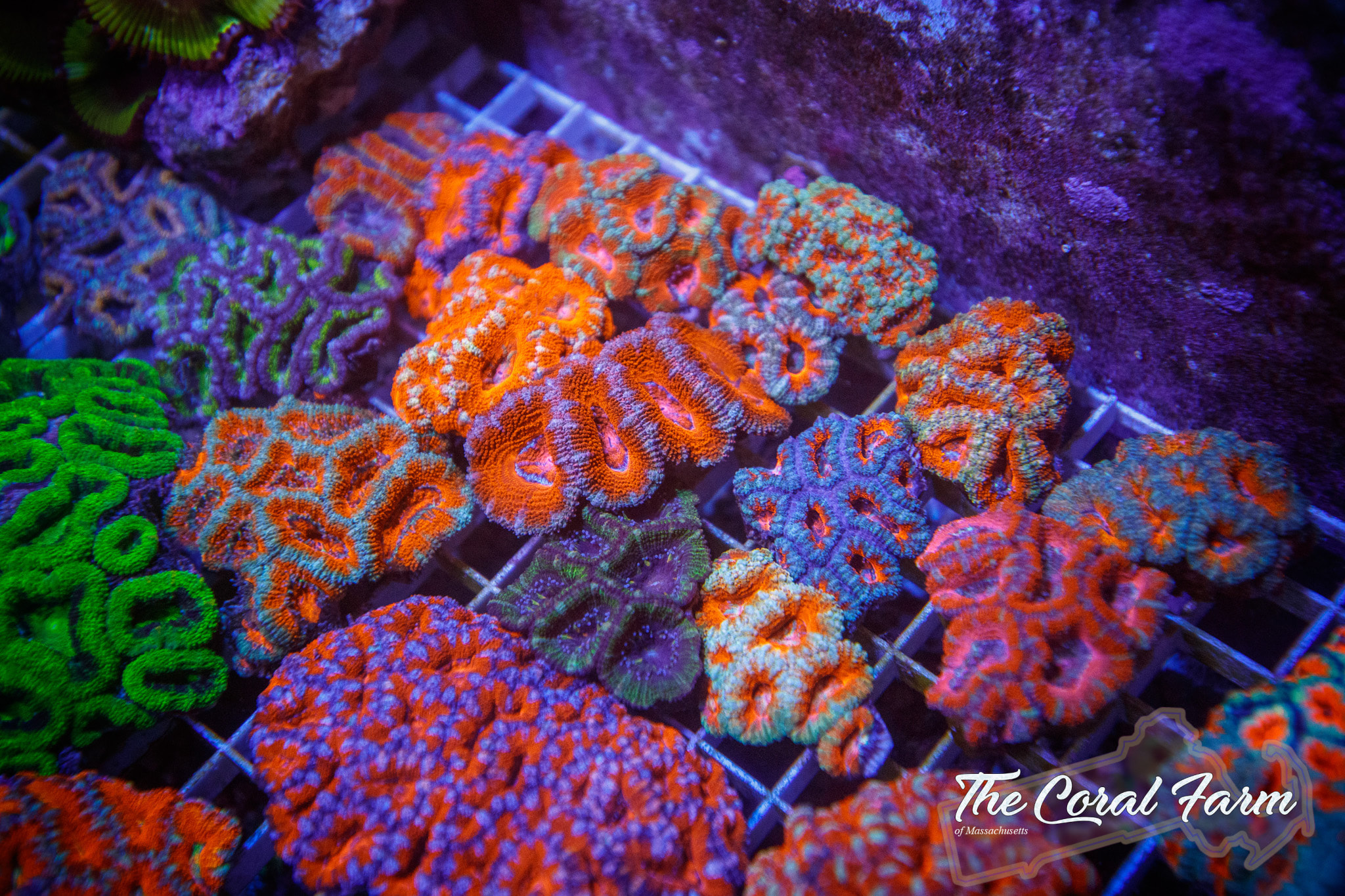
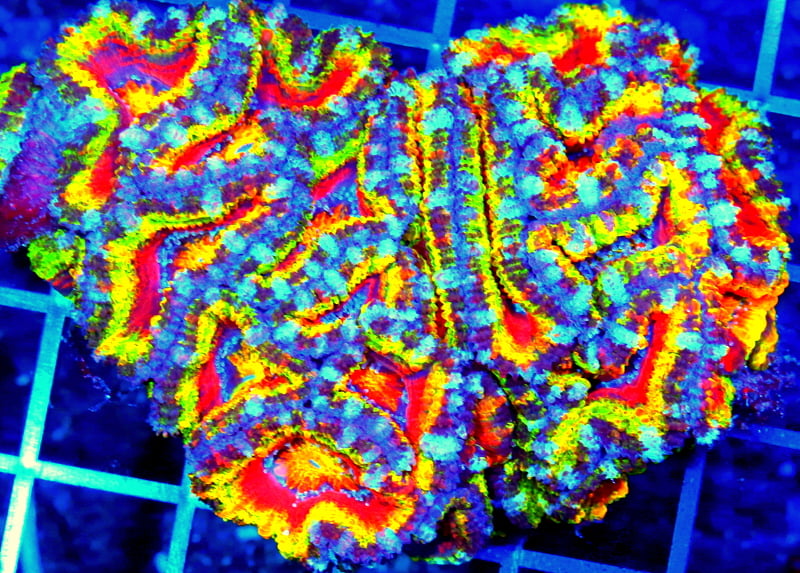
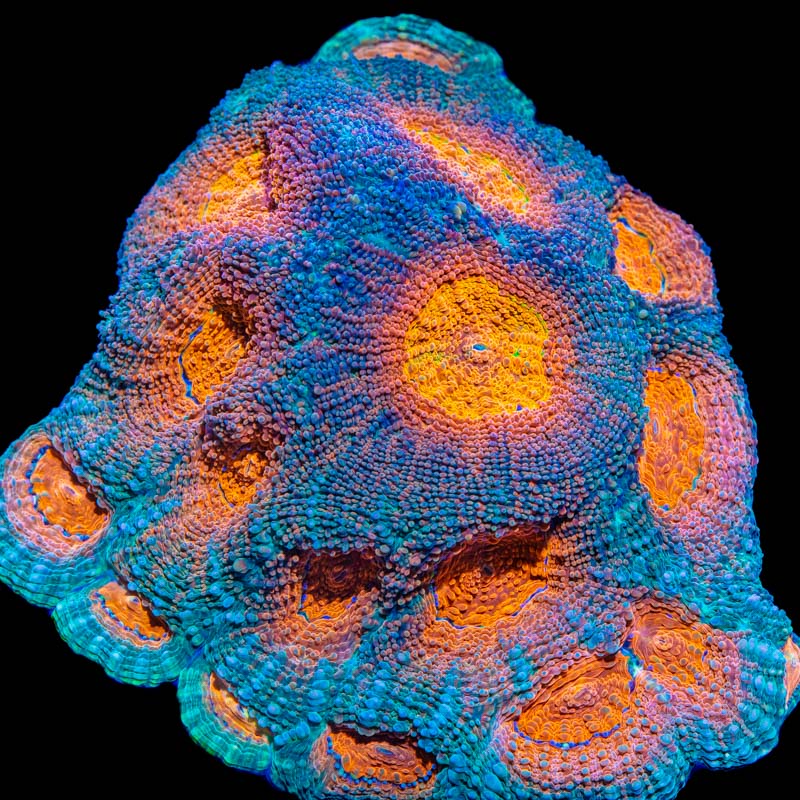
Acan Coral has fleshy, round polyps that look like small bubbles. Their colors range from green, red, to orange and blue. Polyps expand during the day and retract at night. They have a tough skeleton underneath the soft tissue. This makes them sturdy but flexible in the water.
Natural Habitat
Acan Coral grows mainly in shallow tropical reefs. They prefer areas with moderate water flow. Sunlight helps their symbiotic algae live and grow. These corals thrive in warm waters, usually between 72°F and 78°F. They attach themselves to rocks or reef structures firmly.
Types Of Acan Coral
There are several types of Acan Coral. The most common is Acanthastrea lordhowensis. Others include Acanthastrea echinata and Acanthastrea bowerbanki. Each type has unique color patterns and growth habits. Choosing the right type depends on your tank setup and preferences.
Setting Up A Tank
Setting up a tank for Acan Coral needs careful planning. These corals thrive in stable and clean environments. Proper tank setup helps Acan Coral grow healthy and show vibrant colors. Follow key steps to create a perfect home for your coral.
Ideal Water Conditions
Acan Coral prefers water with a temperature between 75°F and 80°F. Maintain salinity around 1.023 to 1.025 specific gravity. Keep pH stable, between 8.1 and 8.4. Nitrate levels should stay low, under 10 ppm. Regular water changes help keep these values steady. Proper water flow is moderate, enough to move food but not too strong. Avoid sudden changes in water quality to prevent coral stress.
Lighting Needs
Acan Coral does well under moderate lighting. LED lights with adjustable intensity work best. Avoid intense light that can bleach the coral. Position coral in areas with indirect light or shaded spots. A light cycle of 8 to 10 hours supports growth. Monitor coral color to adjust lighting as needed. Soft, balanced light encourages healthy polyp extension.
Tank Mates Compatibility
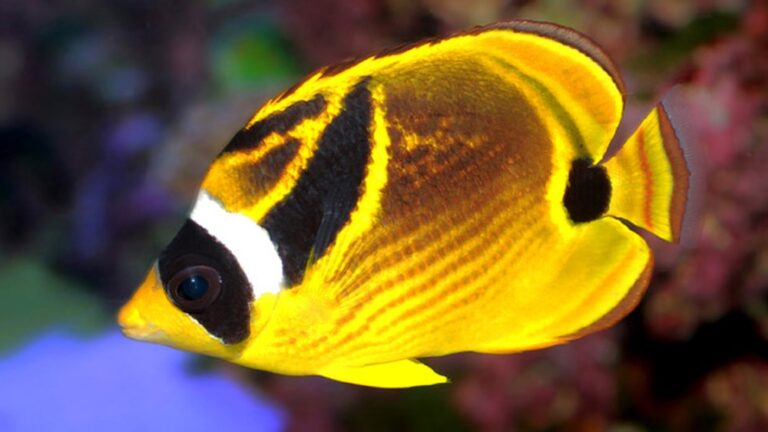
Choose peaceful fish that won’t nip at coral. Avoid aggressive or coral-eating species. Small reef-safe fish like clownfish and gobies fit well. Snails and hermit crabs help clean the tank. Keep space between Acan Coral and other corals to avoid stings. Watch for signs of stress from nearby tank mates. A balanced community supports coral health and tank harmony.
Feeding Acan Coral
Acan Coral is a favorite for many reef tank owners. It shows bright colors and grows well with proper care. Feeding Acan Coral is key to keeping it healthy and vibrant.
Understanding its diet and feeding habits helps you provide the best care. This section covers what to feed, how to feed, and when to feed your Acan Coral.
Diet And Nutrition
Acan Coral eats a variety of small foods. It prefers meaty foods like brine shrimp, mysis shrimp, and finely chopped seafood. These foods give protein and nutrients. You can also feed specialized coral pellets or flakes. Acan Coral gets some energy from light through its symbiotic algae. Still, feeding boosts its growth and color.
Feeding Techniques
Target feeding works best for Acan Coral. Use a small pipette or turkey baster to deliver food near its mouth. Feed in the evening or when the coral’s tentacles are extended. Avoid overfeeding to prevent water quality problems. Remove leftover food after 15-20 minutes to keep the tank clean.
Frequency And Timing
Feed your Acan Coral 2 to 3 times per week. This schedule supports healthy growth and color. Feed more often if the coral shows slow growth or dull colors. Avoid feeding daily, which can cause stress and poor water quality. Regular feeding and good tank conditions keep your coral thriving.
Credit: www.extremecorals.com
Growth And Care Tips
Acan Coral is a popular choice for reef tanks. It adds color and life to any aquarium. To keep it healthy, understanding growth and care is key. This section shares simple tips to help your coral thrive.
Encouraging Healthy Growth
Place Acan Coral in moderate light. Too much light can harm it. Use gentle water flow to mimic natural conditions. Feed small meaty foods like brine shrimp twice a week. Keep water stable with proper temperature and salinity. Regular water changes help remove waste and add nutrients.
Common Problems
Acan Coral may face bleaching if stressed by light or water changes. Watch for tissue recession or color loss. Algae growth on the coral can block light and air. Pests like flatworms can damage the coral’s tissue. Identifying these issues early protects your coral from harm.
Preventing Diseases
Maintain clean water with good filtration. Avoid sudden changes in water parameters. Quarantine new corals before adding them to your tank. Use coral-safe products only. Remove dead or decaying matter quickly to stop disease spread. Healthy coral resists infections better.
Propagation Methods
Propagation of Acan Coral is a popular way to grow and share this beautiful coral. It helps hobbyists expand their reef tanks and create new coral colonies. Propagation involves splitting or cutting coral pieces carefully. This section explains common methods to propagate Acan Coral effectively.
Fragmenting Techniques
Fragmenting is the most common method to propagate Acan Coral. You cut small parts from a healthy coral colony. Use a sharp, clean tool to avoid damage. Cut pieces should include some polyps to survive well. Handle fragments gently to prevent stress. Place them on small plugs or rock pieces for growth.
Best Practices
Keep water conditions stable during propagation. Use clean water and avoid sudden changes in temperature. Wear gloves to protect coral and yourself. Work in a shaded area to reduce stress on coral. Use coral glue or epoxy to attach fragments securely. Monitor the fragments daily for signs of health or distress.
Growing New Colonies
New Acan Coral colonies grow slowly but steadily. Provide moderate light and gentle water flow for best results. Feed the coral with small meaty foods to boost growth. Keep the fragments spaced apart to avoid competition. Watch for algae or pests that may harm the coral. Patience is key to successful coral growth.
Credit: tidalgardens.com
Troubleshooting Issues
Troubleshooting issues with Acan Coral can help keep them healthy and vibrant. Knowing what causes stress or damage is key. This section covers common problems and how to fix them quickly.
Identifying Stress Signs
Watch for color changes in your Acan Coral. Fading or bleaching means stress. Look for tissue loss or shrinking too. These signs show your coral is unhappy. Stress can come from light, temperature, or water quality.
Dealing With Pests
Pests like flatworms or nudibranchs harm Acan Coral. Inspect your coral closely for small pests. Remove pests by hand or use safe treatments. Quarantine new coral before adding to your tank. This stops pests from spreading.
Water Quality Problems
Bad water hurts Acan Coral quickly. Test water regularly for ammonia, nitrite, and nitrate. Keep levels low and stable. Check pH and calcium too. Clean your tank often and change water as needed. Good water means healthy coral.
Acan Coral In Reef Aquariums
Acan Coral is a favorite choice for many reef aquarium hobbyists. This coral adds bright colors and interesting shapes to the tank. It is a soft coral that grows slowly but steadily, making it ideal for beginners and experienced keepers alike.
The coral’s unique patterns and vibrant hues create a natural look. It thrives in moderate light and water flow, making it easy to care for. Acan Coral brings life and movement to reef tanks, enhancing their overall beauty.
Enhancing Aquarium Aesthetics
Acan Coral offers a splash of color with its bright reds, greens, and blues. Its round, fleshy polyps open wide, creating a soft texture. This coral stands out against rock structures and other corals. It adds depth and contrast, improving the visual appeal of the aquarium. The coral’s slow growth allows it to keep a neat shape over time.
Balancing With Other Corals
Acan Coral fits well with many other coral types. It prefers moderate space to avoid touching aggressive corals. Careful placement prevents stinging and competition for light. Pair it with peaceful corals that share similar light needs. This balance helps maintain a healthy and stable reef environment. Acan Coral’s gentle nature makes it a good tank mate.
Maintenance Tips
Keep water quality stable for healthy Acan Coral growth. Regular water changes and proper filtration are important. Feed the coral small meaty foods to support its nutrition. Watch for signs of stress, like shrinking or color loss. Adjust lighting and water flow if needed. Trim the coral carefully to control size and shape. Consistent care keeps Acan Coral vibrant and thriving.
How Smart Pets Lover Can Help You with Acan Coral
Learning Through Caring for Your Acan Coral
Getting to know your Acan Coral is more than just a hobby—it’s a hands-on lesson in marine biology and responsible pet care. As you set up your tank and fine-tune water conditions, you’ll naturally learn about the delicate balance that keeps reef aquariums thriving. Watching your coral grow and respond to different feeding routines offers a practical way to understand marine ecosystems firsthand.
- Observe how different feeding methods affect your coral’s health and vibrancy.
- Practice propagation techniques to see firsthand how these fascinating creatures reproduce.
- Learn troubleshooting skills by identifying common issues early and adjusting your care approach.
At Smart Pets Lover, we believe every pet parent grows with their animals—whether furry or finned. If you ever feel stuck or curious, reaching out to knowledgeable communities or experts can make all the difference. Remember, nurturing your Acan Coral is a rewarding journey that connects you deeply to the underwater world, enriching your reef aquarium experience one careful step at a time.
Frequently Asked Questions
What Is Acan Coral And Its Origin?
Acan Coral, or Acanthastrea, is a popular marine coral from Indo-Pacific reefs. It features vibrant colors and fleshy polyps. It’s favored in reef aquariums for its hardiness and striking appearance.
How To Care For Acan Coral In Aquariums?
Acan Coral requires moderate lighting and low to moderate water flow. Feed it small meaty foods 2-3 times weekly. Maintain stable water parameters for optimal growth and color.
What Are Common Acan Coral Diseases?
Acan Coral can suffer from tissue recession and brown jelly disease. Poor water quality and stress often cause these issues. Regular tank maintenance helps prevent diseases.
Can Acan Coral Coexist With Other Corals?
Yes, Acan Coral is generally peaceful and coexists well in mixed reef tanks. Provide enough space to avoid aggression. Monitor interactions to ensure healthy coral relationships.
Conclusion
Acan Coral adds vibrant colors to any aquarium. It grows well with moderate care and light. Feeding it regularly helps maintain its health. This coral suits beginners and experienced hobbyists alike. Watching its patterns change can be very relaxing. Keep the water clean for best results.
Acan Coral brings life and beauty underwater. Give it space to spread and thrive. Enjoy the peaceful atmosphere it creates at home.