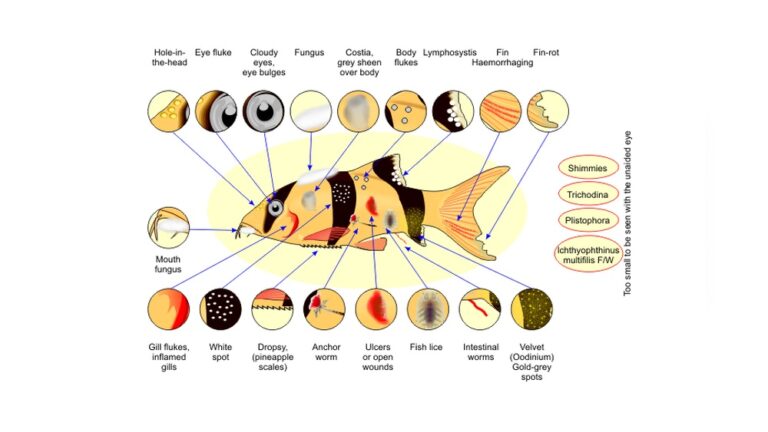
A Guide To Fin Rot Treatment
Is your fish’s fin looking ragged or frayed? Fin rot can quickly turn a healthy, vibrant fish into a struggling one.
If you want to save your aquatic friend and restore its beautiful fins, you need the right treatment—fast. This guide will walk you through everything you need to know about fin rot treatment, from spotting the first signs to the best ways to heal your fish.
Keep reading, and you’ll learn how to protect your fish and keep your aquarium thriving.
Causes Of Fin Rot
Fin rot is a common disease in aquarium fish. It causes the fins to fray and look damaged. Understanding the causes helps in preventing and treating this illness effectively. Several factors lead to fin rot, often working together to harm your fish.
Bacterial Infections
Bacteria are the main cause of fin rot. These germs attack the fins and tail. They break down the fin tissue, causing it to rot away. Bacteria thrive in dirty water and weak fish. Once bacteria enter, the infection spreads quickly.
Poor Water Quality
Dirty water is a big problem for fish health. Waste, leftover food, and chemicals build up in the tank. This creates a toxic environment. Poor water weakens the fish’s immune system. It also helps bacteria grow faster. Regular water changes keep the tank clean and safe.
Stress Factors
Stress lowers fish resistance to disease. Crowded tanks, rough handling, or sudden changes in water hurt fish health. Stress makes fish more likely to catch fin rot. Keeping fish calm and comfortable helps prevent infections.
Symptoms To Watch For
Recognizing fin rot early helps save your fish. Watch closely for changes in your fish’s fins and behavior. Small signs can mean big problems.
Frayed Or Ragged Fins
Look for fins that appear torn or shredded. Edges may look uneven or eaten away. Healthy fins are smooth and whole.
Discoloration And Spots
Notice any color changes on the fins or body. White, red, or black spots can appear. These colors often signal infection or damage.
Lethargy And Behavior Changes
Your fish may move less or hide more than usual. It might stop eating or swim strangely. These behaviors often show the fish is unwell.
Preventing Fin Rot
Preventing fin rot is easier than treating it. Healthy fish and a clean tank reduce risks. Simple care steps keep your fish safe and happy.
Focus on water quality, tank setup, and diet. These three areas help stop fin rot before it starts.
Maintaining Clean Water
Dirty water causes stress and invites bacteria. Change 20-30% of the water weekly. Use a water conditioner to remove chlorine and harmful chemicals. Test water regularly for ammonia, nitrites, and nitrates. Keep these levels low to protect your fish.
Proper Tank Setup
Choose the right tank size for your fish. Avoid overcrowding to reduce stress and disease. Use a good filter to keep water clear and oxygen-rich. Provide hiding spots with plants or decorations. These reduce stress and help fish heal if sick.
Balanced Diet
Feed high-quality food made for your fish type. A varied diet boosts their immune system. Avoid overfeeding as leftovers pollute the water. Feed small amounts once or twice daily. Healthy fish resist infections like fin rot better.
Credit: www.apifishcare.com
Treatment Options
Treating fin rot involves several steps to help your fish heal quickly. Choosing the right treatment depends on the severity of the infection and your aquarium setup. This guide covers key treatment options to restore your fish’s health and prevent further damage.
Improving Water Conditions
Clean water is essential for healing fin rot. Change 25-50% of the tank water every few days. Remove uneaten food and debris to reduce harmful bacteria. Test water regularly for ammonia, nitrites, and nitrates. Keep the temperature steady and suitable for your fish species. Good water quality supports your fish’s immune system.
Medication Choices
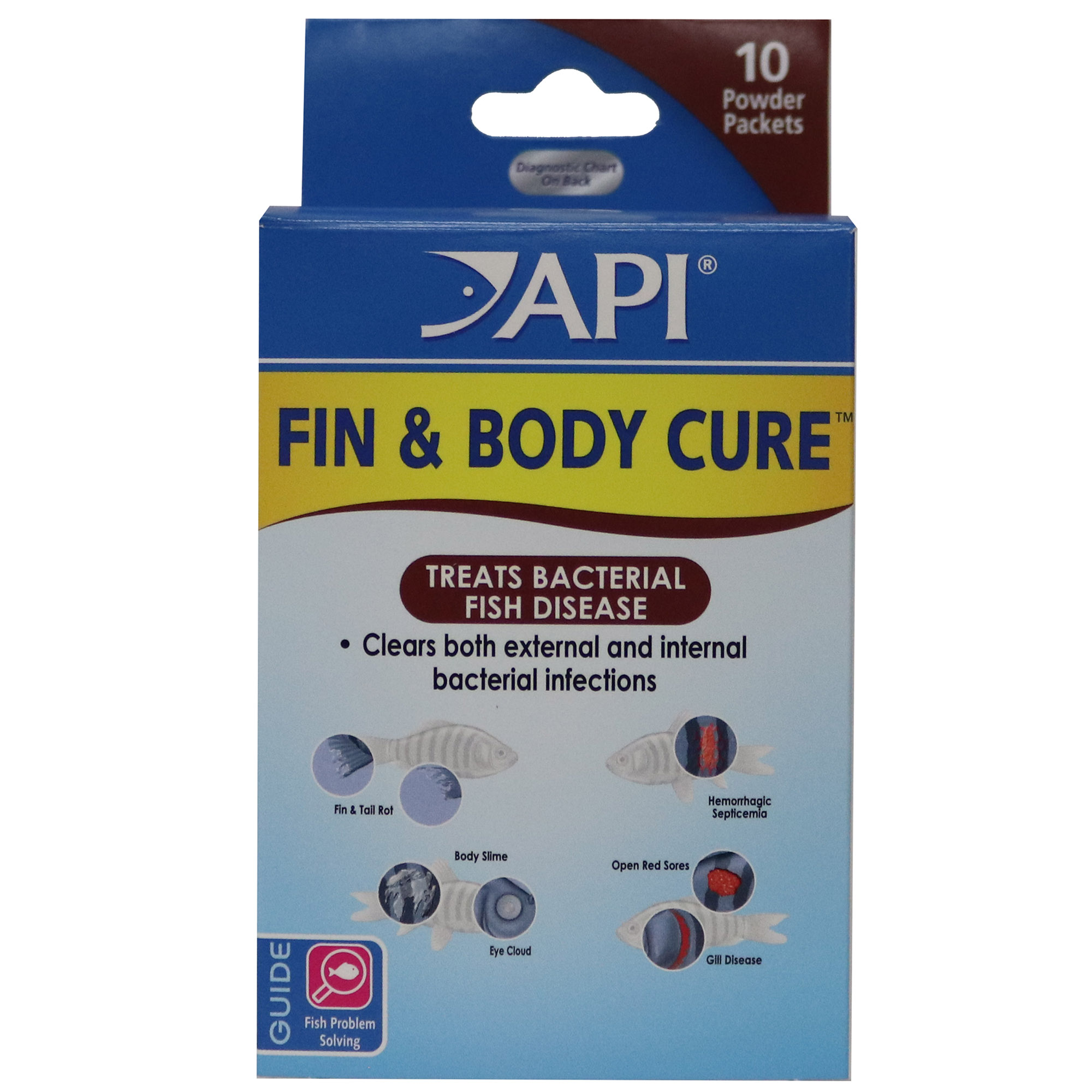
Medications can help stop bacterial infections causing fin rot. Use antibiotics like erythromycin or tetracycline, available in fish stores. Follow the instructions on the package carefully. Avoid overdosing, as it can harm your fish. Treat for at least 7-10 days, even if symptoms improve quickly. Consult a vet for severe or persistent cases.
Using Aquarium Salt
Aquarium salt can reduce stress and kill some bacteria. Add 1 teaspoon of salt per gallon of water. Dissolve the salt before adding it to the tank. Do not use salt with plants or certain fish like scaleless species. Change water regularly to keep salt levels safe. Aquarium salt supports healing but is not a full cure alone.
Care During Recovery
Taking care of your fish during fin rot recovery is very important. Proper care helps the fish heal faster and avoids more damage. The environment and daily attention play big roles. Here are key steps to follow for a smooth recovery process.
Monitoring Progress
Watch your fish every day. Check for new signs of fin damage or healing. Note changes in color and fin shape. Keep track of activity levels. Less movement may mean stress or illness. Write down observations to compare each day. Early detection of problems helps treatment work better.
Avoiding Stress
Keep the tank quiet and calm. Avoid sudden loud noises or quick movements near the tank. Do not add new fish during recovery. Stress weakens the fish’s immune system. Provide hiding spots with plants or decorations. Stress-free fish heal faster and stay healthier.
Regular Water Changes
Change 20-30% of the tank water twice a week. Use clean, treated water at the same temperature. Remove uneaten food and waste during water changes. Clean water lowers harmful bacteria and toxins. Good water quality supports the fish’s healing process.

Credit: www.youtube.com
When To Consult A Specialist
Knowing when to consult a specialist is key to treating fin rot effectively. Early care can save your fish. Sometimes, home treatments do not work. At these points, professional help is needed. Specialists can provide proper diagnosis and advanced treatment options.
Persistent Symptoms
Fin rot symptoms should improve within a few days of treatment. If redness, fraying, or discoloration stays or worsens, see a specialist. Persistent symptoms can mean the infection is deeper or resistant. A vet can perform tests to find the exact cause. They also suggest stronger medicines or different care routines.
Severe Tissue Damage
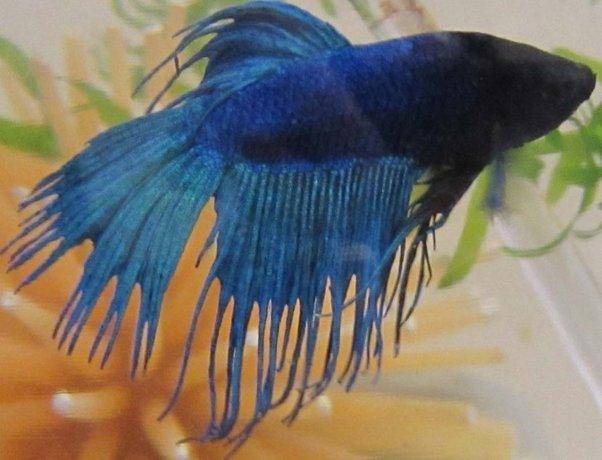
Severe tissue damage shows as large chunks of fin missing or blackened tissue. This condition needs urgent professional attention. Specialist care can prevent the infection from spreading further. They may clean wounds carefully and give antibiotics. Early intervention stops serious health problems and helps fish heal better.
Credit: tropicflow.com
How Smart Pets Lover Can Help You with A Guide To Fin Rot Treatment
Learning Through Care: Practical Steps After Fin Rot Treatment
Understanding the causes of fin rot and recognizing early symptoms are vital first steps in protecting your fish’s health. But the journey doesn’t end with treatment alone. As a fellow pet parent, it’s important to embrace this experience as a chance to deepen your practical knowledge about aquarium care and fish wellbeing.
- Regularly monitor water quality and tank cleanliness to prevent future outbreaks.
- Observe your fish closely during recovery to catch any subtle changes early.
- Document your treatment process and outcomes to improve your response next time.
At Smart Pets Lover, we believe that every fin healed is a story of learning and love. If you ever feel unsure, connecting with aquatic specialists or local pet care groups can provide reassurance and tailored advice. Remember, responsible pet ownership is a continuous journey—one where empathy, attention, and knowledge come together to create healthier, happier companions.
For additional guidance, resources like aquarium forums and veterinary services can be invaluable allies in your care routine.
Frequently Asked Questions
What Are The Main Symptoms Of Fin Rot In Fish?
Fin rot causes ragged, discolored, or frayed fins. You may also see white edges or redness at fin bases. Infected fish often show lethargy and loss of appetite. Early detection helps effective treatment and prevents spread.
How Do I Treat Fin Rot Effectively At Home?
Start by improving water quality and removing infected fins if severe. Use antibacterial medications like aquarium salt or antibiotics. Maintain clean water and reduce stress. Consistent care speeds healing and prevents recurrence.
Can Poor Water Quality Cause Fin Rot In Fish?
Yes, poor water quality is a primary cause. High ammonia, nitrite, or nitrate levels stress fish and promote bacterial infections. Regular water changes and filtration prevent fin rot and ensure a healthy tank environment.
How Long Does Fin Rot Treatment Usually Take?
Fin rot treatment typically lasts 7 to 14 days. Healing time depends on severity, water quality, and medication used. Continue treatment until fins fully regrow and symptoms disappear to avoid relapse.
Conclusion
Treating fin rot early saves your fish from serious harm. Keep the tank clean and water fresh. Use medicine as the guide says. Watch your fish daily for changes. Healthy fins mean a happy fish. Small steps make big differences in care.
Stay patient and consistent with treatment. Your fish will thank you with vibrant fins. Fin rot is tough but manageable with care.