Can Guinea Pigs Eat Ginger: Safe or Risky Snack? Find Out!
Are you wondering if your guinea pig can safely enjoy a bit of ginger? You want to make sure your furry friend stays healthy and happy, but sometimes it’s hard to know which foods are safe.
Ginger is a popular spice with many benefits for humans, but what about your little pet? Keep reading to discover the truth about feeding ginger to guinea pigs, so you can make the best choices for your beloved companion.

Credit: www.guineapiggles.co.uk
Guinea Pig Diet Basics
Understanding the basics of a guinea pig’s diet is key to keeping them healthy. Their digestive system works best with fresh, natural foods. A balanced diet supports their energy and overall wellbeing. Proper food choices prevent common health problems. Feeding them the right foods helps them live longer and happier.
Essential Foods
Guinea pigs need fresh hay every day. Timothy hay is the best choice. It helps their digestion and keeps their teeth healthy. Fresh vegetables are important too. Leafy greens like romaine lettuce and cilantro are great options. Fruits can be treats but only in small amounts. Vitamin C is essential because guinea pigs cannot make it themselves. Fresh water must always be available.
Foods To Avoid
Some foods can harm guinea pigs and must be avoided. Avoid sugary foods like candy and sweets. Onions, garlic, and potatoes are toxic to them. Iceberg lettuce offers little nutrition and can cause diarrhea. Never feed guinea pigs chocolate or caffeine. Avoid any processed or salty foods. These can cause serious health issues. Always check before giving new foods to your pet.
Nutritional Profile Of Ginger
Ginger is a popular root known for its strong flavor and health benefits. It contains many nutrients that help the body stay healthy. Understanding the nutritional profile of ginger helps in deciding if it suits your guinea pig’s diet.
Key Nutrients
Ginger contains vitamins like vitamin C and B6. It has minerals such as potassium, magnesium, and manganese. Ginger is also rich in antioxidants. These nutrients support the immune system and overall health. The root has fiber that aids digestion. It also contains small amounts of protein and healthy oils.
Health Benefits
Ginger can reduce inflammation and soothe the stomach. Its antioxidants fight harmful free radicals in the body. The root may help improve blood circulation. It can also ease nausea and support digestion. These benefits make ginger a useful food for many animals. But the effects on guinea pigs need careful consideration.
Ginger And Guinea Pigs
Guinea pigs need a careful diet to stay healthy. They eat mostly vegetables and fruits. Some owners wonder if ginger is safe for their pets. Ginger is a common spice with many health benefits for humans. But can guinea pigs eat ginger without any problems?
This section explains if ginger is good for guinea pigs. It also covers possible risks. Understanding this helps you keep your pet safe and happy.
Is Ginger Safe?
Small amounts of fresh ginger are generally safe for guinea pigs. It contains vitamins and antioxidants. These can support their immune system. But ginger should be given only as a treat. Not as a regular food. Too much can upset their stomach. Always wash ginger well before giving it to your pet.
Potential Risks
Giving too much ginger can cause digestive issues. Guinea pigs have sensitive stomachs. Spicy or strong foods may cause diarrhea or gas. Some guinea pigs may be allergic to ginger. Watch your pet closely after feeding ginger the first time. Stop feeding if you see any signs of illness. Always consult a vet if you are unsure.
Feeding Guidelines
Feeding ginger to guinea pigs requires care and attention. Proper guidelines help keep your pet safe and healthy. Small changes in diet can affect their digestion and overall well-being. Follow these feeding tips to avoid problems.
Portion Sizes
Ginger should be given in very small amounts. A tiny slice, about the size of a fingernail, is enough. Too much ginger can upset their stomach. Always start with a small piece to see how your guinea pig reacts.
Frequency And Preparation
Offer ginger only once or twice a week. This prevents any risk of irritation or digestive issues. Wash the ginger thoroughly before feeding. Remove the skin and cut it into small, manageable pieces. Avoid giving ginger with any added spices or sugar.
Signs Of Adverse Reactions
Watching your guinea pig after feeding it ginger is important. Some pets may not react well to new foods. Recognizing signs of adverse reactions helps keep your pet safe. Quick action can prevent serious health problems.
Common Symptoms
Look for changes in eating habits or energy. Your guinea pig may stop eating or become less active. Watch for diarrhea, vomiting, or bloating. Scratching or swelling around the mouth and face can also occur. These symptoms suggest your pet may not tolerate ginger well.
When To Consult A Vet
Contact a vet if symptoms last more than a day. Severe breathing problems or swelling require immediate help. Sudden weakness or seizures need urgent care. Early treatment improves recovery chances. Always keep your vet’s number handy for emergencies.
Credit: www.guineapiggles.co.uk
Alternatives To Ginger
Ginger is not the best choice for guinea pigs. It can upset their stomachs or cause other problems. Many safe alternatives offer flavor and benefits without risks. These options keep your pet healthy and happy.
Safe Spices And Herbs
Guinea pigs enjoy fresh herbs more than strong spices. Parsley, basil, and cilantro are safe and tasty choices. Mint and dill add fresh smells and gentle flavors. These herbs also provide vitamins and nutrients. Avoid spicy or oily spices that can harm guinea pigs.
Healthy Treat Options
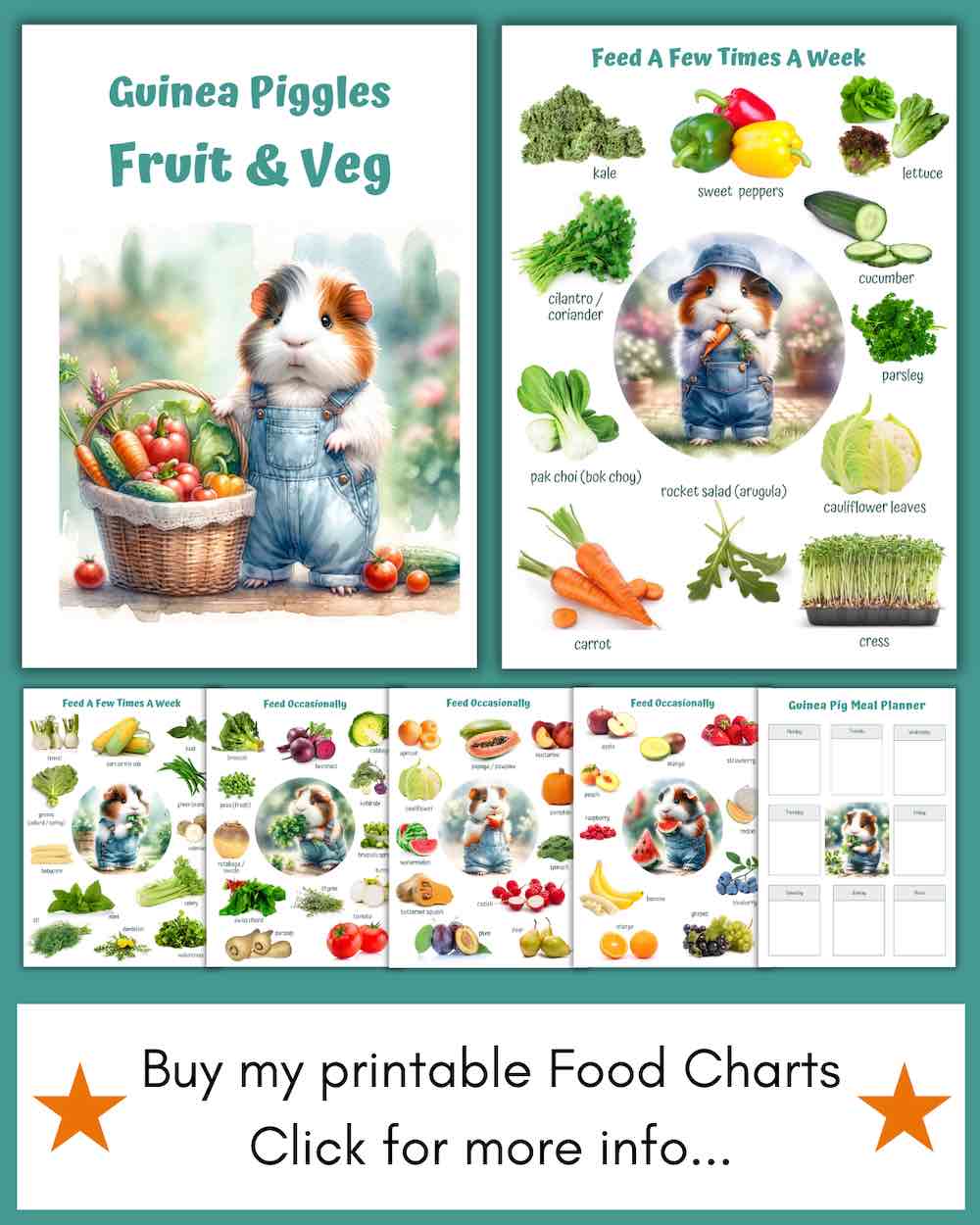
Fresh vegetables and fruits make great treats. Carrots, bell peppers, and cucumber are crunchy and fun to eat. Small pieces of apple or strawberry add natural sweetness. Offer these treats in small amounts to avoid stomach upset. Always wash produce well before serving.
Credit: animalwelfaresociety.org
How Smart Pets Lover Can Help You with Can Guinea Pigs Eat Ginger
Exploring Learning Opportunities Through Your Guinea Pig’s Diet
Understanding whether your guinea pig can safely enjoy a bit of ginger opens up valuable learning moments about their overall diet and health. Reflecting on the nutritional profile of ginger alongside the basics of a guinea pig diet encourages us to think critically about the balance between treats and everyday nutrition. It’s a chance to observe your furry friend closely—watching for any signs of adverse reactions helps build your awareness of their unique sensitivities and needs.
At Smart Pets Lover, we believe every interaction with your pet is an opportunity to deepen your bond and knowledge. As you experiment cautiously with new foods like ginger, you’re practicing responsible pet ownership and enhancing your confidence. If questions arise or you need personalized advice, reaching out to knowledgeable communities or veterinarians can provide reassurance and support.
Remember, feeding your guinea pig is more than just a routine—it’s a way to connect and learn together, one tasty nibble at a time.
Frequently Asked Questions
Can Guinea Pigs Safely Eat Ginger?
Yes, guinea pigs can eat ginger in small amounts. It should be given occasionally as a treat, not daily. Too much ginger may cause digestive upset due to its strong nature.
Is Ginger Healthy For Guinea Pigs?
Ginger contains antioxidants and vitamins that can benefit guinea pigs. However, it should be fed sparingly to avoid stomach irritation and maintain a balanced diet.
How Much Ginger Can Guinea Pigs Eat?
Limit ginger to a tiny slice or a small piece once or twice a week. Overfeeding can cause digestive problems and discomfort.
Can Ginger Cause Allergies In Guinea Pigs?
Allergic reactions to ginger in guinea pigs are rare but possible. Introduce ginger gradually and watch for any signs of discomfort or allergic response.
Conclusion
Guinea pigs can eat ginger, but only in small amounts. Too much ginger may upset their stomachs. Always introduce new foods slowly and watch for signs of discomfort. Fresh, plain ginger is best—avoid spicy or processed types. Balanced diets with hay, vegetables, and pellets keep them healthy.
Treat ginger as an occasional snack, not a main food. Careful feeding helps your guinea pig stay happy and safe. Remember, their health depends on good food choices every day.