Do Guinea Pigs Need Medical Care: Essential Tips for Pet Owners
If you have a guinea pig or are thinking about getting one, you might wonder, “Do guinea pigs need medical care?” The answer is yes—just like any pet, your little friend can get sick or hurt. Knowing when and how to care for your guinea pig’s health can save you stress and keep your pet happy.
You’ll learn exactly what medical care guinea pigs need, how to spot warning signs, and when to call a vet. Keep reading to make sure you’re giving your furry companion the best care possible.
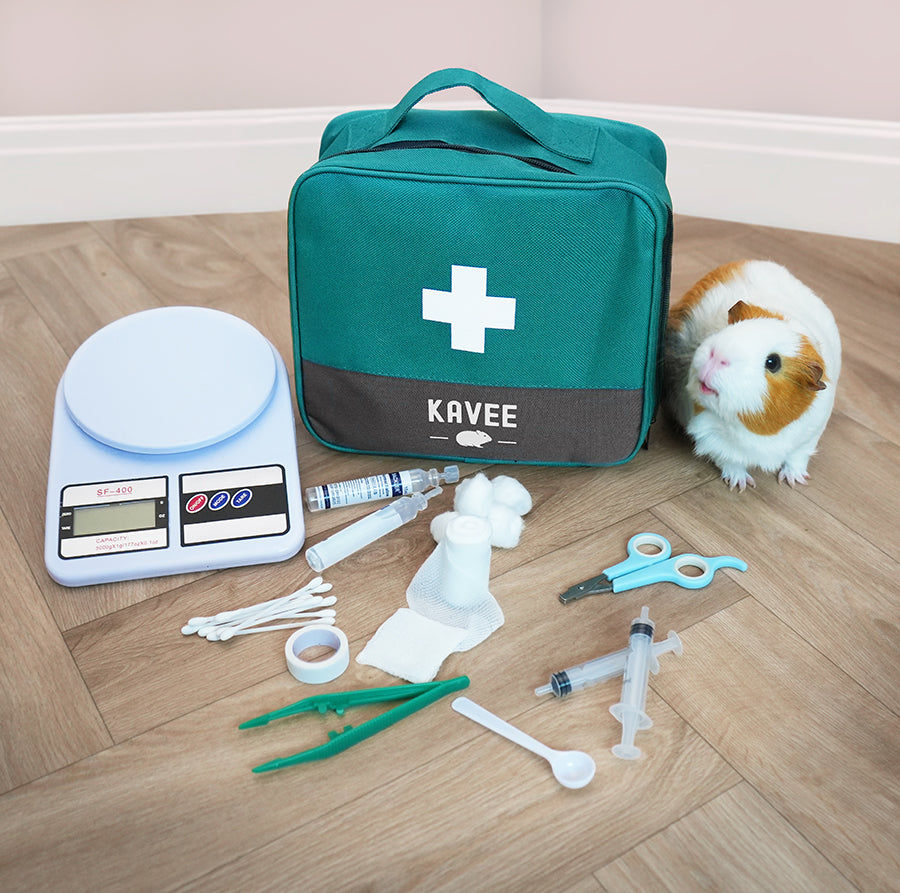
Credit: uk.kavee.com
Signs Of Illness In Guinea Pigs
Guinea pigs cannot tell us when they feel sick. They hide pain and illness well. This makes it very important to watch for signs of illness. Early detection helps your pet get care fast. Knowing common signs can save your guinea pig’s life.
Changes In Appetite And Weight
Loss of appetite is a key sign of illness. If your guinea pig stops eating or drinks less, it needs attention. Sudden weight loss is also a warning sign. A healthy guinea pig eats daily and gains or maintains weight steadily.
Behavioral Shifts
Look for changes in behavior. A sick guinea pig may hide more than usual. It might be less active or stop playing. Sudden aggression or unusual quietness can also signal a problem. These shifts often mean your pet feels unwell.
Respiratory Problems
Watch for breathing issues. Wheezing, coughing, or sneezing are clear signs. Labored or noisy breathing is also concerning. Respiratory infections can be serious and need quick care. Keep your guinea pig warm and dry to help prevent this.
Skin And Fur Issues
Check the skin and fur regularly. Bald patches, redness, or sores show health problems. Excessive scratching or biting can mean parasites or allergies. Dull or rough fur may indicate poor health. Healthy guinea pigs have smooth, shiny coats.
Common Health Problems
Guinea pigs can face several common health problems. These issues need attention to keep them happy and healthy. Knowing these problems helps you spot signs early. Early care can prevent serious illness and discomfort for your pet.
Respiratory Infections
Respiratory infections often affect guinea pigs. They catch colds easily from drafts or poor cage hygiene. Symptoms include sneezing, coughing, and difficulty breathing. These infections can become severe quickly. Immediate veterinary care is essential to avoid complications.
Dental Issues
Guinea pigs’ teeth grow continuously. Without proper chewing, teeth may overgrow or misalign. Signs include drooling, loss of appetite, and weight loss. Dental problems cause pain and eating difficulties. Regular checks and a diet rich in hay help maintain healthy teeth.
Digestive Disorders
Digestive issues are common in guinea pigs. They can suffer from diarrhea, bloating, or constipation. These problems arise from poor diet or sudden changes in food. Proper feeding with fresh vegetables and hay supports digestion. Monitor your pet’s stool and eating habits closely.
Parasites And Skin Conditions
Parasites like mites and lice affect guinea pigs’ skin. Symptoms include itching, hair loss, and redness. Skin infections can also occur from bacteria or fungi. Regular grooming and clean living spaces reduce risks. Veterinary treatment is needed to clear infestations and infections.
Routine Veterinary Care
Routine veterinary care is essential for keeping guinea pigs healthy. Regular visits to the vet help spot health problems early. Early care can prevent serious illnesses and improve your pet’s life quality.
Guinea pigs need special attention because they hide sickness well. Routine care ensures your pet stays active and happy. It also helps you learn how to care for them better.
Regular Checkups
Schedule a vet visit at least once a year. The vet checks your guinea pig’s weight, teeth, and skin. They listen to the heart and lungs too. These exams catch problems before they become serious. Regular checkups also help track your pet’s growth and health changes.
Vaccinations And Preventive Treatments
Guinea pigs do not need many vaccines like dogs or cats. Still, vets may recommend shots or treatments in some areas. Preventive care includes parasite control and dental checks. Keeping your guinea pig free from worms and mites is important. Ask your vet about the best preventive steps.
Emergency Care Needs
Sometimes guinea pigs get sudden health issues. Signs like trouble breathing, bleeding, or not eating need quick vet care. Emergency visits can save your pet’s life. Know the nearest emergency vet clinic. Acting fast is vital for your guinea pig’s survival.
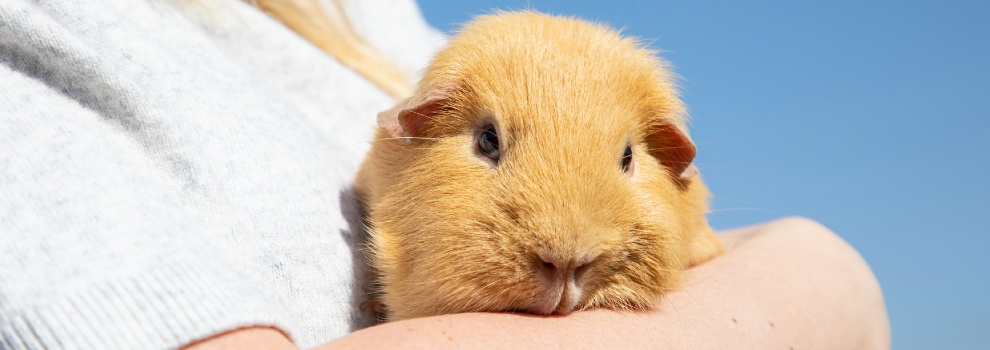
Credit: www.rspca.org.uk
Home Care Tips
Taking care of guinea pigs at home helps keep them healthy and happy. Good daily care can prevent many health problems. Small changes in their routine make a big difference. Learn simple tips to provide the best care for your pet.
Proper Diet And Nutrition
Guinea pigs need fresh vegetables and good quality hay. Hay helps their teeth and digestion. Vitamin C is very important for them. Include fruits or special pellets with vitamin C. Avoid sugary or fatty foods. Provide clean water every day. A balanced diet keeps your guinea pig strong.
Clean Living Environment
Change bedding often to keep the cage clean. A clean cage stops bad smells and bacteria. Use soft, dust-free bedding to avoid breathing problems. Clean food and water containers daily. Check for mold or dirt regularly. A clean home lowers the risk of sickness.
Exercise And Mental Stimulation
Guinea pigs need space to move and explore. Give them time outside the cage safely. Toys and tunnels keep them busy and happy. Talk to your guinea pig gently for social time. Exercise helps their muscles and heart. Mental play stops boredom and bad behavior.
When To Seek Veterinary Help
Knowing when to seek veterinary help is vital for your guinea pig’s health. Guinea pigs can hide signs of illness. Acting quickly can save their life. Watch for changes in behavior, eating, and breathing. Early care improves recovery chances.
Recognizing Urgent Symptoms
Look for sudden changes in your guinea pig’s condition. Difficulty breathing or wheezing needs fast attention. Swelling or lumps on the body are warning signs. Refusal to eat or drink for more than a day is serious. Limping or inability to move calls for vet care. Diarrhea or bloody stools require immediate help. Bright red eyes or constant scratching might show infection. These symptoms signal urgent veterinary care.
Preparing For The Vet Visit
Gather all your guinea pig’s health details. Note any changes in behavior or diet. Bring a clean carrier with soft bedding. Keep your pet calm during the trip. Avoid feeding just before the visit. Write down any questions or concerns. This helps the vet understand the problem better. A smooth visit reduces stress for your pet.
Follow-up And Recovery
Follow the vet’s instructions carefully after the visit. Give all medicines on time and in full. Watch for side effects or new symptoms. Keep your guinea pig’s environment clean and quiet. Provide fresh water and healthy food daily. Schedule follow-up visits as advised. Recovery needs patience and careful care. Support your pet to regain strength fully.
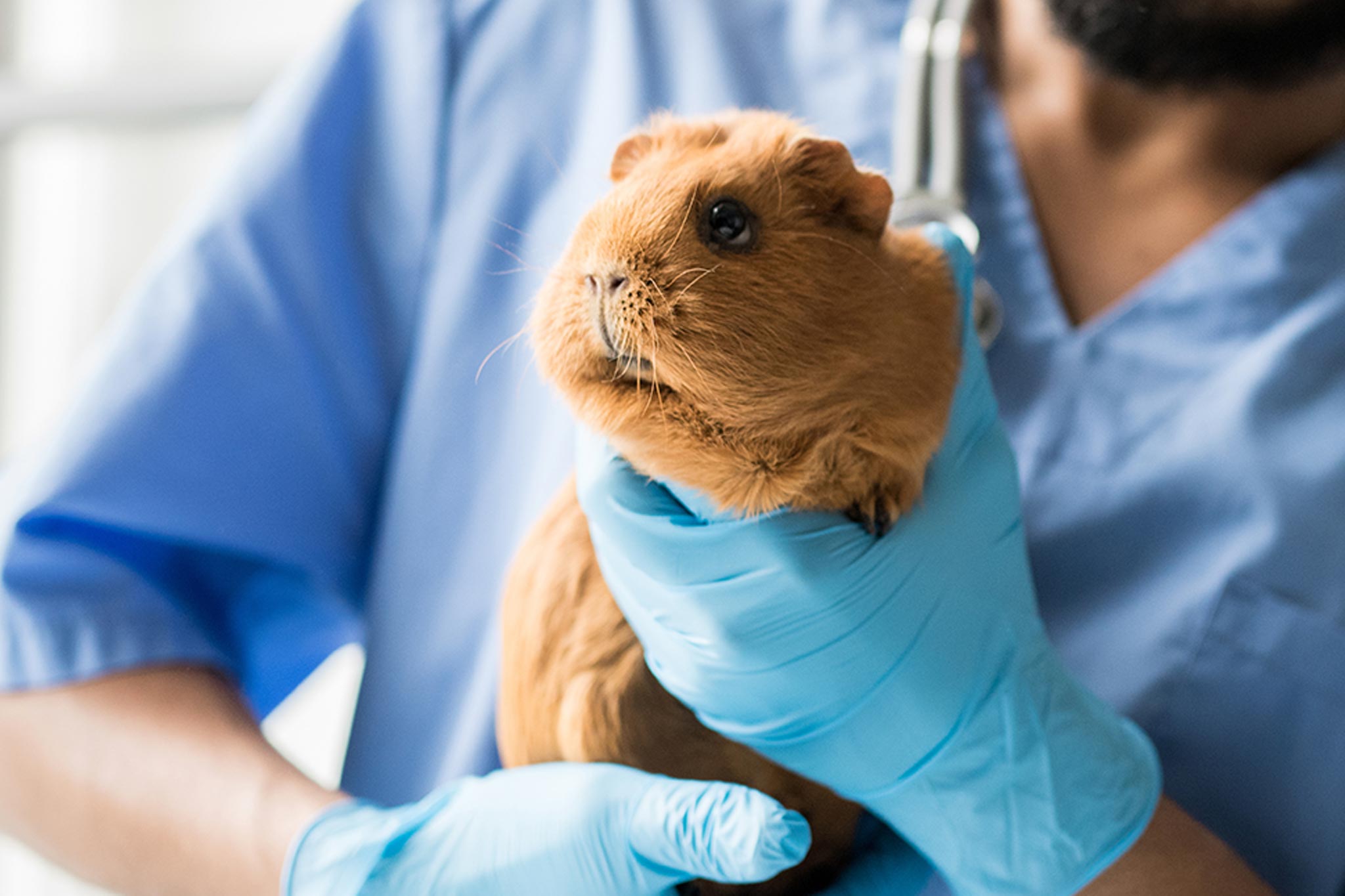
Credit: krydervet.com
How Smart Pets Lover Can Help You with Do Guinea Pigs Need Medical Care
Learning Through Care: Connecting Medical Needs with Everyday Guinea Pig Wellness
Understanding whether guinea pigs need medical care is more than just knowing when to visit a vet—it’s about tuning into the subtle signs of illness and embracing routine care as part of your pet’s daily life. As we’ve explored, recognizing common health problems early can make all the difference. This awareness opens up practical learning opportunities for any pet parent eager to deepen their bond and care skills.
For example, by observing your guinea pig’s behavior and appetite closely, you can spot warning signs before they escalate. Simple home care tips—like maintaining a clean habitat and monitoring diet—become hands-on lessons in responsible pet ownership. At Smart Pets Lover, we believe every interaction is a chance to learn and grow alongside your furry friend, turning medical care from a daunting task into an empowering experience.
If you’re ever unsure, connecting with a trusted veterinarian is a key step. They’re a valuable resource for guidance tailored to your pet’s unique needs. Remember, every wag, purr, and chirp tells a story—your guinea pig’s health story is no different, and your attentive care writes the happiest chapters.
Frequently Asked Questions
Do Guinea Pigs Require Regular Veterinary Check-ups?
Yes, guinea pigs need regular veterinary visits to monitor their health. Early detection of illnesses ensures timely treatment and a longer life.
What Common Illnesses Affect Guinea Pigs?
Guinea pigs often suffer from respiratory infections, dental problems, and skin parasites. Prompt medical care helps prevent complications and maintains their well-being.
How Can I Tell If My Guinea Pig Needs Medical Care?
Signs like lethargy, loss of appetite, sneezing, or abnormal behavior indicate a health issue. Immediate veterinary attention is essential for proper diagnosis and treatment.
Are Vaccinations Necessary For Guinea Pigs?
Vaccinations are not commonly required for guinea pigs. However, maintaining a clean environment and routine health checks reduce the risk of infections.
Conclusion
Guinea pigs need regular medical care to stay healthy and happy. Watching their behavior helps spot problems early. Regular check-ups with a vet catch illnesses before they get worse. Good care means a longer, better life for your pet. Don’t ignore signs like changes in eating or movement.
Small health issues can become big without help. Caring for guinea pigs is simple but important. Keep them safe with proper medical attention and love. Your pet depends on you for a healthy life.