Cherry Barb
If you’re looking to add a splash of vibrant color to your aquarium, the Cherry Barb is an excellent choice. These lively little fish are not only beautiful but also easy to care for, making them perfect whether you’re a beginner or an experienced hobbyist.
Imagine watching your tank come alive as these energetic swimmers dart around, showing off their bright red hues. You’ll discover everything you need to know to keep your Cherry Barbs healthy and happy, from their ideal tank setup to feeding tips.
Ready to make your aquarium more exciting? Let’s dive in!
Credit: www.aquariumgallery.com.au
Cherry Barb Basics
The Cherry Barb is a popular freshwater fish loved by many aquarium hobbyists. It is known for its bright colors and peaceful nature. This fish is a great choice for beginners and experienced keepers alike. Understanding its basics helps in providing the right care and environment.
Here are some key facts about the Cherry Barb that every fish lover should know.
Origin And Habitat
Cherry Barbs come from Sri Lanka, a tropical island in Asia. They live in slow-moving rivers and streams. The water there is clean and slightly acidic. Plants and rocks provide shelter and hiding spots. This natural habitat shapes their care needs in aquariums.
Physical Features
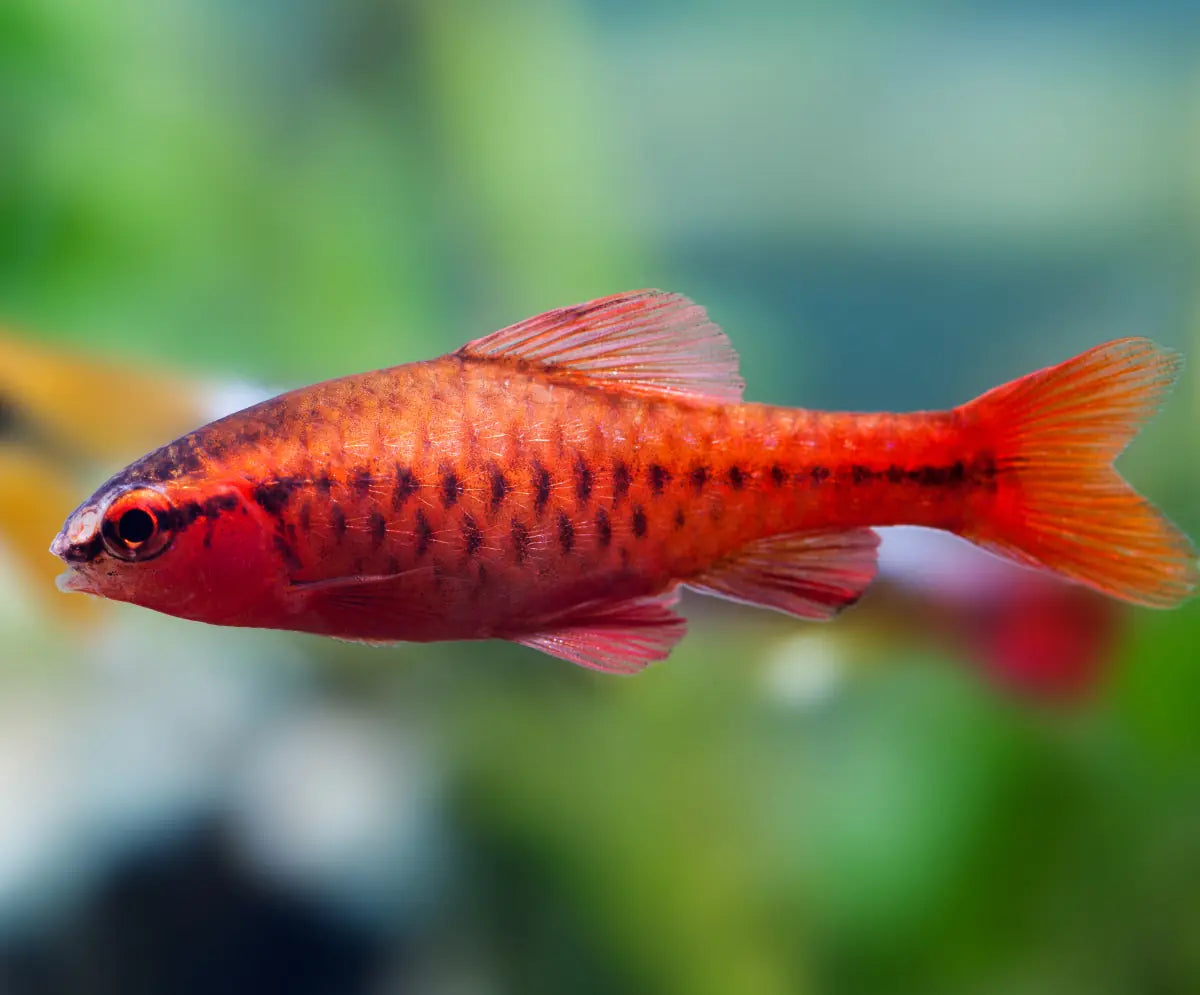
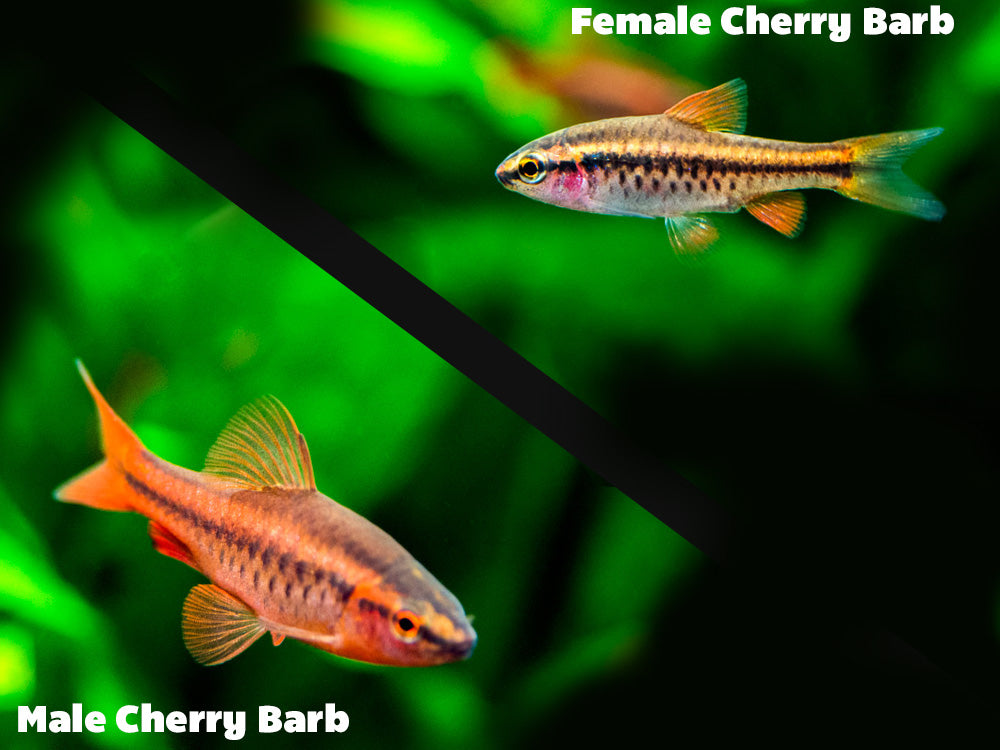
Cherry Barbs have a bright red color, especially males. Females are lighter with a pinkish hue. Their bodies are small and oval-shaped. They have a peaceful face and small fins. These features make them easy to spot in a tank.
Lifespan And Size
Cherry Barbs usually live for 4 to 6 years with good care. They grow up to 2 inches long. Their small size suits community tanks well. Keeping them healthy can extend their lifespan. Regular feeding and clean water are key.
Tank Setup
Creating a suitable tank setup is key for Cherry Barbs to thrive. They need a clean, stable environment that matches their natural habitat. A well-prepared tank helps them stay healthy and show their bright colors.
Each part of the tank matters. From size to water quality, substrate, plants, and companions, every detail counts. Let’s explore the best way to set up a tank for Cherry Barbs.
Ideal Tank Size
Cherry Barbs are small fish but active swimmers. A tank of at least 20 gallons is perfect for a small group. Bigger tanks give them more space to swim freely. This reduces stress and helps them stay healthy.
Keep in mind, these fish prefer groups of six or more. So plan your tank size accordingly. More space also means better water quality control.
Water Conditions
Cherry Barbs like water with a temperature between 73°F and 81°F. The pH should be slightly acidic to neutral, around 6.0 to 7.0. Soft to moderately hard water works best.
Stable water conditions reduce stress and improve fish health. Regular water changes help keep the water clean. Avoid sudden changes in temperature or pH to prevent shock.
Substrate And Plants
Use fine gravel or sand as substrate. It mimics their natural riverbeds. Cherry Barbs enjoy hiding among plants and roots.
Include live plants like Java fern, Anubias, and Amazon sword. These plants offer shelter and improve water quality. Floating plants help diffuse light and create shade.
Tank Mates
Choose peaceful fish that match Cherry Barbs’ temperament. Good tank mates include small tetras, rasboras, and Corydoras catfish. Avoid aggressive or very large fish.
Cherry Barbs thrive in groups and feel safe with calm companions. Keep the community balanced to reduce stress and fighting.
Feeding Cherry Barbs
Feeding Cherry Barbs is key to keeping them healthy and active. A balanced diet helps their colors shine and supports growth. Knowing what and how often to feed them makes a big difference. Let’s explore their dietary needs, feeding schedule, and common food options.
Dietary Needs
Cherry Barbs need a mix of protein and plant matter. They are omnivores and enjoy variety in their diet. High-quality flakes or pellets can form the base of their meals. Fresh or frozen foods add nutrients and interest. Small amounts of vegetables like spinach or peas help digestion.
Feeding Schedule
Feed Cherry Barbs two times a day. Give only what they can eat in two to three minutes. Overfeeding causes water pollution and health problems. Young fish may need more frequent feedings. Observe their eating habits to adjust portions and times.
Common Food Options
Flake and pellet foods designed for tropical fish work well. Live or frozen brine shrimp and daphnia provide protein. Bloodworms are a tasty treat but should be fed sparingly. Blanched vegetables like zucchini or cucumber are good plant options. Variety keeps Cherry Barbs happy and healthy.
Behavior And Temperament
Cherry Barbs are popular aquarium fish known for their lively behavior and peaceful nature. Their temperament makes them suitable for many community tanks. Understanding their behavior helps create a better environment for them.
Social Habits
Cherry Barbs are social fish. They prefer living in groups of five or more. Staying in groups reduces stress and promotes natural behavior. Alone, they may become shy and less active. They get along well with other peaceful fish species.
Activity Levels
These fish are quite active swimmers. They often explore the middle and lower parts of the tank. Their movement adds life to any aquarium. They enjoy plants and hiding spots for rest. Active but calm, they keep the tank lively without causing chaos.
Breeding Behavior
Breeding Cherry Barbs is interesting to watch. Males display bright colors to attract females. They perform small chasing and circling dances. Females lay eggs on plants or gravel. Parents do not guard the eggs, so removing adults helps protect the fry.
Breeding Cherry Barbs
Breeding Cherry Barbs is a rewarding experience for aquarium hobbyists. These small, colorful fish are relatively easy to breed at home. Understanding their breeding habits helps you create the right environment. This leads to healthy eggs and strong fry.
Breeding Setup
Use a separate breeding tank to protect eggs and fry. Keep the tank small, about 10 gallons. Add fine-leaved plants or spawning mops for egg attachment. Maintain water temperature between 75°F and 78°F. Soft, slightly acidic water works best. Use a gentle filter to keep water clean. Avoid strong currents that can disturb eggs.
Spawning Process
Cherry Barbs lay eggs early in the morning. Males show brighter colors to attract females. They chase and nudge females toward plants. Females scatter eggs on plant leaves or spawning mops. One female can lay up to 300 eggs. Remove adult fish after spawning to prevent egg eating. Eggs hatch in about two days.
Caring For Fry
Fry are tiny and need special care. Feed them infusoria or liquid fry food first. After a week, introduce baby brine shrimp or crushed flakes. Change water regularly but gently. Keep the tank dimly lit and warm. Fry grow fast with proper food and care. Watch for signs of stress or illness daily.
Health And Common Issues
The Cherry Barb is a lively and colorful fish. It needs good care to stay healthy and active. Understanding its health and common problems helps keep it safe. This section covers signs of illness, preventive care, and treatment options.
Signs Of Illness
Watch for changes in behavior and appearance. Cherry Barbs may lose color or stop eating. Clamped fins and slow swimming can signal sickness. Look for spots, redness, or swelling on the body. Gasping at the water surface may show poor water quality or illness.
Preventive Care
Keep the tank clean with regular water changes. Maintain stable water temperature between 73°F and 81°F. Feed a balanced diet with quality flakes or pellets. Avoid overcrowding to reduce stress and disease risk. Quarantine new fish before adding them to the main tank.
Treatment Options
Isolate sick fish in a hospital tank. Use appropriate medications for bacterial or fungal infections. Follow the instructions on medicine carefully. Improve water quality and maintain a healthy environment. Monitor the fish closely during treatment for changes.
Tips For Successful Care
Taking good care of Cherry Barbs helps them thrive and show their best colors. Healthy fish live longer and enjoy their environment. Simple steps can make a big difference for your Cherry Barbs.
Maintaining Water Quality
Clean water is key for Cherry Barbs. Use a good filter to keep water clear and safe. Change 20-30% of the water every week. Test the water for ammonia, nitrites, and nitrates regularly. Keep temperature between 74°F and 79°F. Avoid sudden changes in water conditions.
Regular Monitoring
Watch your Cherry Barbs every day. Check their behavior and appetite. Look for signs of stress or illness, like faded colors or slow swimming. Keep an eye on tank plants and decorations. Remove any dead plants or debris quickly. Early action helps prevent problems.
Enhancing Color And Health
Feed Cherry Barbs a balanced diet with high-quality flakes or pellets. Include live or frozen foods like brine shrimp or bloodworms. Bright colors come from good nutrition. Provide hiding spots with plants or decorations. Stress-free fish show better colors and stay healthy.

Credit: dansfish.com
Credit: aquaticarts.com
How Smart Pets Lover Can Help You with Cherry Barb
Turning Cherry Barb Care into a Learning Journey
Welcoming Cherry Barbs into your home is more than just setting up a tank—it’s a chance to dive deep into the fascinating world of freshwater fish care. As you explore their behavior and temperament, you’ll gain insights into creating a harmonious aquatic environment that suits their social nature. Observing their interactions can teach patience and attentiveness, essential traits for any pet parent.
Feeding Cherry Barbs offers another practical learning opportunity. Discovering what makes their diet balanced helps you understand nutrition basics not just for fish, but for pets in general. It’s rewarding to see how thoughtful feeding routines contribute to their vibrant health and active lifestyle.
- Experiment with different tank setups to observe how Cherry Barbs respond to changes
- Keep a care journal to track feeding habits and behavior shifts
- Connect with fellow enthusiasts through communities like Smart Pets Lover to share tips and experiences
Remember, caring for Cherry Barbs is a gentle reminder that every wag, purr, and splash tells a story worth learning from. If you have questions or want to deepen your understanding, reaching out to knowledgeable resources or forums can be invaluable. Embracing this journey helps build confidence and a meaningful bond with your aquatic companions.
Frequently Asked Questions
What Are The Ideal Tank Conditions For Cherry Barbs?
Cherry Barbs thrive in tanks with temperatures of 73-81°F and pH between 6. 0-7. 0. They prefer soft to moderately hard water and need plenty of plants for hiding and swimming.
How Long Do Cherry Barbs Typically Live?
Cherry Barbs usually live for 4 to 6 years with proper care. Maintaining clean water and a balanced diet helps extend their lifespan.
Are Cherry Barbs Peaceful Community Fish?
Yes, Cherry Barbs are peaceful and do well in community tanks. They prefer groups of six or more to feel secure and reduce stress.
What Do Cherry Barbs Eat In Captivity?
Cherry Barbs are omnivores and eat flakes, pellets, and live or frozen foods. A varied diet including brine shrimp and bloodworms keeps them healthy.
Conclusion
Cherry Barbs make a lively and colorful addition to any aquarium. They are easy to care for and adapt well to many tank conditions. These fish enjoy swimming in groups and bring energy to your tank. Feeding them is simple, with many food options available.
Watching their bright red colors and active behavior can bring joy and calm. Keeping Cherry Barbs helps create a balanced and beautiful aquatic environment. A great choice for both beginners and experienced fish keepers. Try adding these charming fish to your tank today.