Angelfish Types
Are you curious about the different types of angelfish and which one might be perfect for your aquarium? Angelfish are not only beautiful but also fascinating creatures that can add charm to your home or office.
Whether you’re a beginner or an experienced fish keeper, knowing the various angelfish types can help you make the best choice. Keep reading, and you’ll discover the unique features of each type, making it easier for you to find the ideal angelfish that fits your style and needs.
Your aquarium is about to get a stunning upgrade!
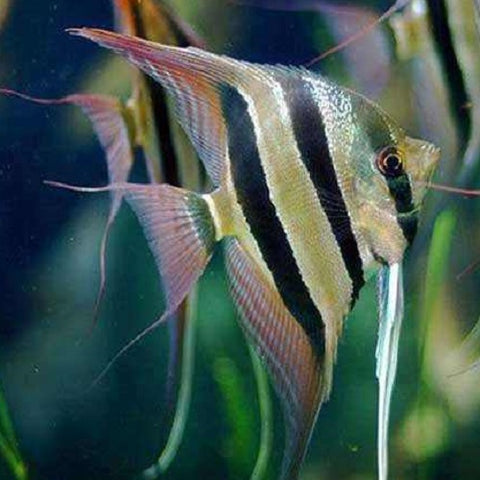
Credit: www.petnannystore.com
Common Angelfish Varieties
Angelfish come in many types, each with unique features. They live in different water environments and vary in size and color. Knowing these types helps fish lovers choose the best angelfish for their tanks. Here are the most common angelfish varieties found in home aquariums and the wild.
Freshwater Angelfish
Freshwater angelfish are popular in home aquariums. They belong to the cichlid family and are native to South America. These fish have tall, flat bodies and long fins. Their colors range from silver to striped and spotted patterns. They grow up to 6 inches tall and live peacefully with other fish.
Marine Angelfish
Marine angelfish live in saltwater oceans, mostly near coral reefs. They have bright, bold colors and unique patterns. These fish are larger than freshwater types and can reach up to 15 inches. Marine angelfish are active swimmers and need large tanks. They add vibrant color to saltwater aquariums but require special care.
Dwarf Angelfish
Dwarf angelfish are a smaller variety of marine angelfish. They grow up to 4 inches long and are suitable for smaller saltwater tanks. These fish have striking colors and patterns that stand out. They are hardy and adapt well to aquarium life. Dwarf angelfish are a favorite for beginners in saltwater fishkeeping.
Color Patterns And Markings
Angelfish display a wide range of color patterns and markings. These patterns help them blend in or stand out in their natural habitats. Each type of angelfish has unique colors and designs that attract hobbyists and marine lovers.
Color patterns also reveal different species and their behaviors. Some angelfish have bright stripes, others show spots, and some have solid colors. These variations add beauty and interest to any aquarium.
Striped Angelfish
Striped angelfish have bold lines running across their bodies. These stripes can be vertical, horizontal, or diagonal. The patterns help them hide among coral and sea plants. Many striped angelfish show bright colors like yellow, blue, or black. Their stripes create a striking look that catches attention easily.
Spotted Angelfish
Spotted angelfish feature dots or patches on their skin. The spots vary in size and color. Some spots are small and dense, while others are large and spread out. These markings help them camouflage on rocky reefs or sandy bottoms. Spotted angelfish often display earthy colors like brown, white, and green.
Solid Color Angelfish
Solid color angelfish have one main color across their body. These colors can be bright or muted. Popular colors include blue, gold, and black. Their simple look gives a clean and elegant appearance. Solid color angelfish are easy to pair with other fish in a tank.
Size And Shape Differences
Angelfish come in many sizes and shapes. These differences affect how they swim and fit in an aquarium. Some types are tall and slim, while others are round and compact. Understanding these variations helps in choosing the right angelfish for your tank.
Tall And Slim Types
Tall and slim angelfish have long, narrow bodies. Their fins often extend upward, giving them an elegant look. These fish move gracefully through the water. They need taller tanks to swim comfortably. Examples include the classic freshwater angelfish and some wild varieties.
Round And Compact Types
Round and compact angelfish have a shorter, more rounded body shape. Their fins are usually shorter and wider. These types appear more robust and stocky. They adapt well to smaller tanks. Popular examples are the marble and koi angelfish breeds.

Credit: www.youtube.com
Popular Angelfish Breeds For Aquariums
Angelfish are popular in home aquariums due to their beauty and variety. Many types fit different tank sizes and skill levels. Some breeds stand out for their colors and shapes. These angelfish bring life and charm to any aquarium setting.
Understanding popular breeds helps in choosing the right one. Each breed has unique needs and looks. Here are three well-known angelfish breeds that many keepers love.
Pterophyllum Scalare
This breed is the classic freshwater angelfish. It has tall, triangular fins and a calm nature. Colors range from silver to striped patterns. It grows up to 6 inches long. Pterophyllum Scalare adapts well to community tanks. It prefers warm, soft water and plenty of plants.
Pomacanthus Semicirculatus
Known as the semicircle angelfish, it is a marine species. Its body shows bright yellow and blue colors. The fish has a rounded shape and smooth fin edges. Pomacanthus Semicirculatus needs a larger tank with live rock. It thrives in saltwater aquariums with stable conditions.
Centropyge Angelfish
Centropyge includes many dwarf angelfish species. They are small, colorful, and active swimmers. Common colors are orange, blue, and yellow. These fish do well in reef tanks with corals. They require a diet rich in algae and protein. Centropyge angelfish add vibrant movement to any marine setup.
Habitat Preferences
Angelfish live in many types of water environments. Each type prefers a specific habitat that suits its needs. Their habitat affects how they find food, hide, and breed. Understanding these preferences helps us appreciate their diversity and behavior.
River And Freshwater Environments
Some angelfish thrive in slow-moving rivers and freshwater lakes. They prefer warm water with plenty of plants. These plants offer shelter and breeding spots. The water is often soft and slightly acidic. Angelfish in rivers swim carefully through roots and branches. They avoid strong currents and open spaces. This habitat keeps them safe from predators and helps them find small insects and larvae.
Coral Reef Dwellers
Other angelfish species live in saltwater coral reefs. These reefs provide colorful, complex homes full of hiding places. The water is clearer and saltier than freshwater habitats. Coral reefs have many small fish and algae for angelfish to eat. These fish are active swimmers and use bright colors to blend in. The reef environment supports their social behavior and mating rituals. It also offers protection from larger predators in the ocean.
Care Tips For Different Types
Angelfish come in many types, each needing special care. Understanding their unique needs helps keep them healthy and happy. This section shares key tips for caring for different angelfish varieties.
Water Conditions
Angelfish prefer warm water between 76°F and 82°F. Keep the pH level slightly acidic to neutral, around 6.5 to 7.5. Different types may need slight changes in water hardness. Regular water changes keep the tank clean and safe. Test water often for ammonia and nitrates.
Diet And Feeding
Feed angelfish a varied diet for good health. Use flakes, pellets, and frozen foods like bloodworms. Some angelfish enjoy live foods for better nutrition. Feed small amounts two to three times daily. Avoid overfeeding to prevent water problems.
Tank Setup
Choose a tank size of at least 20 gallons for angelfish. Add plants and decorations for hiding spots. Soft plants suit many angelfish types well. Provide enough swimming space but also areas to explore. Use gentle filters to avoid strong currents.

Credit: www.youtube.com
How Smart Pets Lover Can Help You with Angelfish Types
Exploring Angelfish Types Through Hands-On Learning
Understanding the different angelfish types opens a wonderful door to practical learning that goes beyond just reading about them. Observing their unique color patterns and markings in your own aquarium can deepen your appreciation for these beautiful creatures. By caring for various angelfish breeds, you’ll notice how their size and shape differences influence their behavior and habitat preferences. This hands-on experience is invaluable for any pet parent striving to create the perfect environment.
At Smart Pets Lover, we believe that every pet journey is a story worth telling—where curiosity meets care. If you’re eager to learn more or need tailored advice on angelfish care, don’t hesitate to reach out to knowledgeable communities or local aquatic experts. Practical involvement not only strengthens your bond with your fish but also builds confidence in responsible pet ownership, making every ripple in your tank a joyful lesson.
Frequently Asked Questions
What Are The Most Popular Angelfish Types?
Popular angelfish types include the Pterophyllum scalare, Altum angelfish, and Koi angelfish. Each type has unique colors and fin shapes, making them favorites among aquarium enthusiasts.
How Do Angelfish Types Differ In Size?
Angelfish sizes vary by type. Pterophyllum scalare grows up to 6 inches, while Altum angelfish can reach 8 inches. Size affects tank requirements and compatibility with other fish.
Which Angelfish Types Are Best For Beginners?
Pterophyllum scalare is ideal for beginners. It is hardy, adaptable, and easy to care for. Other types may need more specific water conditions and care.
Are There Freshwater And Saltwater Angelfish Types?
Most angelfish types kept as pets are freshwater species. Marine angelfish belong to a different family and require saltwater aquariums. Knowing the difference helps in proper care.
Conclusion
Angelfish come in many beautiful types and colors. Each type has its own charm and care needs. Choosing the right angelfish depends on your tank and experience. Watching these fish swim brings calm and joy. Keep their environment clean and feed them well for best health.
Enjoy the peaceful beauty angelfish add to your home. They make great pets for beginners and experts alike. Explore the different types to find your perfect match. Caring for angelfish is simple with the right knowledge. A vibrant aquarium full of angelfish is a lovely sight.