Freshwater Flounder
Have you ever wondered about the mysterious fish that can blend perfectly with the riverbed? Meet the freshwater flounder—a fascinating creature that might be hiding right beneath your feet in lakes and rivers.
If you’re curious about how this unique fish lives, hunts, and survives, you’re about to discover some surprising facts that will change the way you see freshwater life. Keep reading, and you’ll uncover secrets that make the freshwater flounder truly one of nature’s wonders.
Flounder Species And Habitat
Freshwater flounder are unique fish known for their flat bodies and eye placement on one side. These fish belong to a larger group called flounders, which live in different water types. Understanding their species and habitat helps us learn how they live and survive in fresh water.
Types Of Freshwater Flounder
Freshwater flounder include several species. The most common one is the starry flounder. It can live in both fresh and saltwater. Another type is the European flounder, which sometimes moves into rivers. These species have flat, broad bodies and eyes on one side. They use camouflage to hide from predators.
Natural Habitats
Freshwater flounder prefer shallow waters with soft bottoms. They like areas with sand, mud, or gravel. These spots help them blend in and avoid danger. They often stay near river mouths, lakes, and slow-moving streams. These habitats provide food and safe places for resting.
Geographical Distribution
Freshwater flounder live in many parts of the world. The starry flounder is found along the Pacific coasts of North America and Asia. The European flounder lives in rivers and coastal areas of Europe. Some flounder species also live in East Asia. Their range depends on water temperature and salinity.
Physical Traits
The freshwater flounder has unique physical traits that help it survive in its environment. These features make it different from other fish. Understanding these traits gives insight into how this fish lives and thrives.
Body Shape And Coloration
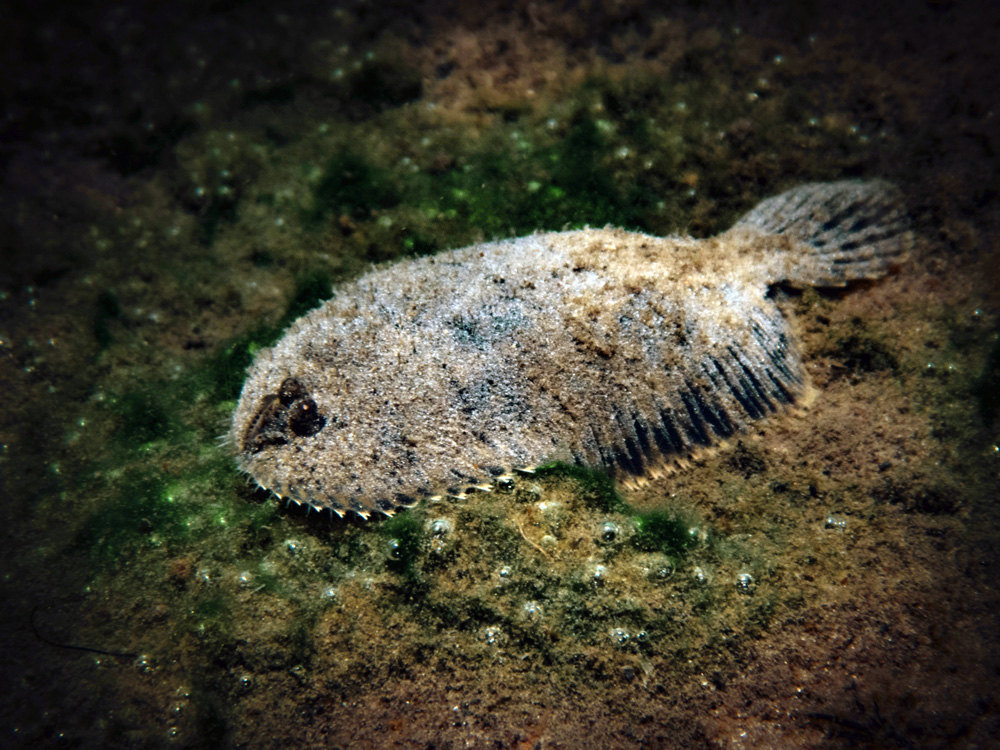
The freshwater flounder has a flat, oval-shaped body. This shape helps it stay close to the river or lake bottom. Its body is wide but very thin from top to bottom. The coloration blends well with sandy or muddy bottoms. Brown and green shades cover its back. This camouflage hides it from predators and prey.
Eye Placement And Adaptations
Both eyes of the freshwater flounder sit on one side of its head. This unique feature allows better vision while lying flat. The eyes can move independently to watch for danger. This adaptation helps it spot food and threats easily. It is a key survival trait for this bottom-dwelling fish.
Size And Weight Range
The freshwater flounder usually grows between 10 and 20 inches long. Most weigh from 1 to 3 pounds. Some can grow larger depending on their habitat. Their size helps them hide in tight spaces. It also allows quick bursts of speed to catch prey.
Behavior Patterns
Freshwater flounders display unique behavior patterns that help them survive in their habitats. Their actions focus on finding food, hiding from predators, and moving efficiently in water. These behaviors are fascinating to watch and study.
Understanding these patterns gives insight into how freshwater flounders adapt to their environment. Each behavior plays a role in their daily life and survival.
Feeding Habits
Freshwater flounders mostly eat small fish and invertebrates. They lie flat on the riverbed waiting for prey to come close. When prey is near, they strike quickly and capture it. Their diet can change depending on what is available in their area.
Camouflage Techniques
These fish use camouflage to blend with the riverbed. Their flat body and mottled colors help them hide from predators. They can change their color slightly to match the surroundings better. This skill makes them hard to spot for both prey and enemies.
Movement And Swimming
Freshwater flounders swim close to the bottom of rivers and lakes. They use slow, smooth movements to avoid drawing attention. When threatened, they can swim faster for a short distance. Their body shape helps them glide easily near the riverbed.
Credit: azgardens.com
Reproduction And Growth
Freshwater flounder have a unique life cycle focused on reproduction and growth. Their breeding habits and early life stages shape their survival. Understanding these stages helps us appreciate how they thrive in their habitats.
Spawning Season
Freshwater flounder spawn in early spring. Water temperature plays a key role in timing. They gather in shallow waters to lay eggs. Spawning usually happens at night. This strategy protects eggs from predators.
Egg Development
Flounder eggs are small and transparent. They stick to underwater plants or rocks. Eggs hatch in about one week. Warm water speeds up development. After hatching, larvae float near the surface.
Juvenile Growth Stages
Young flounder start flat and swim upright. Their eyes move to one side as they grow. This change helps them live on the riverbed. They feed on small insects and crustaceans. Growth is fast in the first year.
Ecological Role
The freshwater flounder plays a key role in its ecosystem. It helps keep the environment balanced and healthy. Understanding its ecological role shows how important it is to freshwater habitats.
Position In Food Chain
The freshwater flounder is a mid-level predator. It eats small fish and invertebrates on the riverbed. Many larger fish and birds eat the flounder. This position helps control populations both above and below it.
Impact On Freshwater Ecosystems
By feeding on bottom creatures, the flounder affects the riverbed’s health. It helps keep the population of small animals in check. This balance supports clean water and healthy habitats. The flounder also helps recycle nutrients through its feeding habits.
Interactions With Other Species
The freshwater flounder interacts with many species. It competes with other fish for food and space. Predators rely on it as a food source. Its presence influences the behavior and population of many animals. These interactions maintain a balanced freshwater ecosystem.

Credit: quinnsfins.com
Fishing And Conservation
Fishing freshwater flounder is popular among many anglers. These fish live on riverbeds and lake bottoms. Their flat shape helps them blend with the sand. This makes fishing for them both fun and challenging.
Conservation of freshwater flounder is important. Their numbers can drop if not managed well. Protecting their habitats and regulating fishing helps keep their populations healthy. This balance supports both nature and fishing communities.
Popular Fishing Methods
Anglers use different methods to catch freshwater flounder. Bottom fishing is common. It uses bait near the river or lake floor. Anglers also use small nets to catch them. Light tackle and slow retrieves work best. These methods help catch flounder without harming other fish.
Conservation Status
Freshwater flounder faces threats from habitat loss and pollution. Some areas report lower fish numbers. Scientists watch their populations closely. This helps detect when numbers drop. Protecting clean water and natural habitats is key. Healthy waters mean healthy flounder populations.
Protection Efforts And Regulations
Rules limit how many flounder anglers can catch. Size limits protect young fish from being taken. Some places close fishing during breeding seasons. These steps help fish grow and reproduce. Conservation groups also work to restore habitats. These efforts aim to keep freshwater flounder thriving.
Culinary Uses
Freshwater flounder is a mild, delicate fish popular in many kitchens. Its light flavor and soft texture make it easy to cook in various ways. This fish works well in simple dishes and more complex meals. Many enjoy it baked, grilled, or pan-fried. Freshwater flounder fits both quick weeknight dinners and special occasions.
Common Recipes
Baked freshwater flounder with lemon and herbs is a classic. You can also pan-fry it with butter and garlic for a tasty meal. Fish tacos with flounder are popular in coastal areas. Steaming the fish with ginger and soy sauce adds an Asian touch. Flounder fillets work well in light soups and chowders too.
Nutritional Value
Freshwater flounder is low in calories and fat. It provides a good amount of protein for muscle health. This fish contains omega-3 fatty acids, which support the heart. It also offers vitamins like B12 and minerals such as selenium. Eating flounder helps add important nutrients to your diet.
Preparation Tips
Rinse the fish gently under cold water before cooking. Pat the fillets dry with a paper towel. Avoid overcooking to keep the meat tender and moist. Use light seasoning to preserve its natural flavor. Cook flounder quickly on medium heat for best results.

Credit: gon.com
How Smart Pets Lover Can Help You with Freshwater Flounder
Exploring Freshwater Flounder: A Hands-On Learning Journey
Understanding the freshwater flounder’s unique physical traits and behavior patterns opens up exciting practical learning opportunities. For those curious about aquatic life, observing how these flatfish camouflage themselves and adapt to their habitat can deepen appreciation for nature’s clever designs. Exploring their reproduction and growth stages also offers valuable insights into the delicate balance of freshwater ecosystems.
If you’re a pet parent or an animal enthusiast eager to connect more deeply with aquatic species, consider setting up a small observation tank or visiting local freshwater habitats responsibly. This encourages mindful interaction, reflecting the thoughtful approach championed by Smart Pets Lover—where every wag, purr, and chirp tells a story, and every fin flicker has its own tale.
For further guidance on caring for freshwater fish or learning about their ecological role, trusted resources and community forums can be a great help. Feel free to reach out to educational organizations or aquatic experts who can provide research-backed tips and support your growing curiosity.
Frequently Asked Questions
What Is A Freshwater Flounder?
Freshwater flounder is a flatfish species found in freshwater environments. It has a unique body shape with both eyes on one side. It adapts well to river and lake habitats, differing from its marine relatives.
Where Do Freshwater Flounders Live?
Freshwater flounders inhabit rivers, lakes, and estuaries with slow-moving water. They prefer sandy or muddy bottoms for camouflage. These fish thrive in temperate regions with clean, well-oxygenated water.
How Do Freshwater Flounders Hunt?
Freshwater flounders are ambush predators. They lie flat on the riverbed, blending with the substrate. When prey approaches, they quickly snap it up using sharp teeth.
What Do Freshwater Flounders Eat?
Their diet mainly includes small fish, crustaceans, and insects. They rely on their camouflage to surprise prey. This diet supports their growth and energy needs effectively.
Conclusion
Freshwater flounder is a unique fish with interesting features. It lives on river and lake bottoms. Its flat body helps it hide from predators easily. People enjoy fishing for flounder because it tastes good. Knowing about this fish helps protect its home and keep nature balanced.
Try to learn more about freshwater flounder next time you explore water life. Simple steps can help keep these fish safe for years. Nature needs our care and respect.