Bamboo Shrimp
Are you looking to add a fascinating and low-maintenance creature to your aquarium? Bamboo shrimp might be exactly what you need.
These unique freshwater shrimp not only bring vibrant movement to your tank but also help keep it clean. Imagine watching their delicate fan-like legs filter tiny particles from the water, turning your aquarium into a lively underwater scene. If you want to learn how to care for bamboo shrimp and make them thrive in your home, keep reading—your tank will thank you.

Credit: www.nt-labs.com
Bamboo Shrimp Basics
Bamboo shrimp are fascinating freshwater creatures. They add charm and activity to home aquariums. Understanding their basics helps in proper care and appreciation.
These shrimp are filter feeders. They catch tiny food particles from the water. Knowing their physical traits, habitat, and behavior improves your aquarium setup.
Physical Features
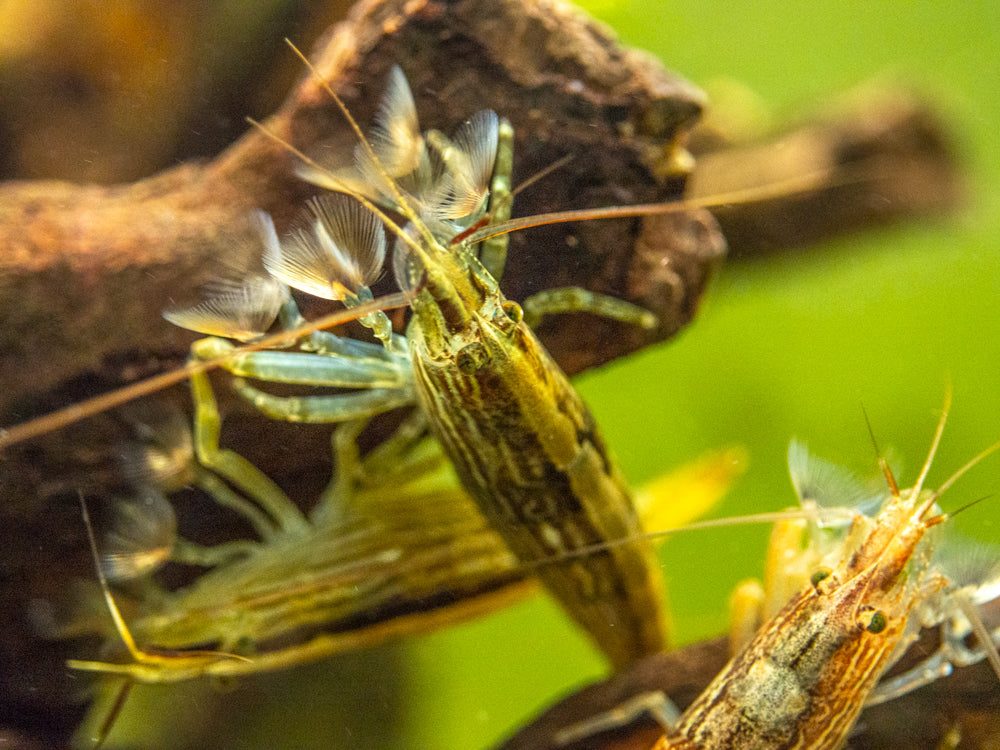
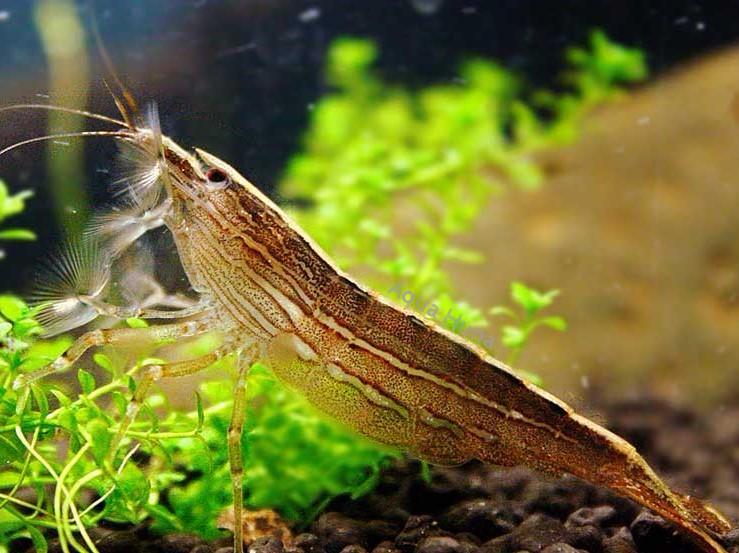
Bamboo shrimp have long, thin legs that look like bamboo stalks. Their bodies are light brown with white stripes. They grow up to 2.5 inches long. Their large fan-like claws catch food from water currents.
Natural Habitat
These shrimp live in slow-moving rivers and streams. They prefer places with plenty of plants and rocks. The water is usually clean and slightly acidic. They thrive in warm, tropical climates.
Behavior Traits
Bamboo shrimp are peaceful and shy. They stay still for long periods, waiting to catch food. They use their fan claws to filter plankton and detritus. They often hide among plants and decorations. They are active mostly during the day.
Setting Up An Aquarium
Setting up an aquarium for Bamboo Shrimp is a rewarding task. These peaceful creatures thrive best in a well-prepared environment. Proper setup helps them stay healthy and active. Focus on the right tank size, water quality, and tank mates. This creates a comfortable home for your shrimp.
Tank Requirements
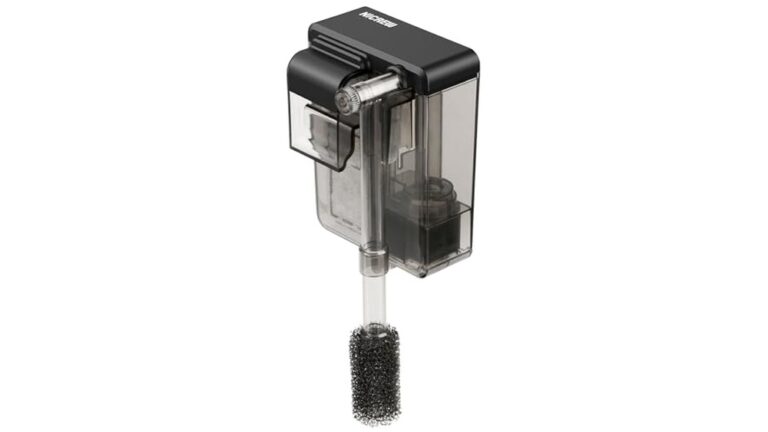
A tank of at least 10 gallons works well for Bamboo Shrimp. Provide plenty of hiding spots using plants or decorations. A gentle water flow is important. Bamboo Shrimp use their fan-like claws to catch food from the current. Avoid strong filters that create harsh water movement.
Water Conditions
Keep the water temperature between 72°F and 82°F. Bamboo Shrimp prefer clean water with a pH near 6.5 to 7.5. Regular water changes help maintain good quality. Avoid sudden changes in temperature or pH. Stable conditions reduce stress and keep shrimp healthy.
Suitable Tank Mates
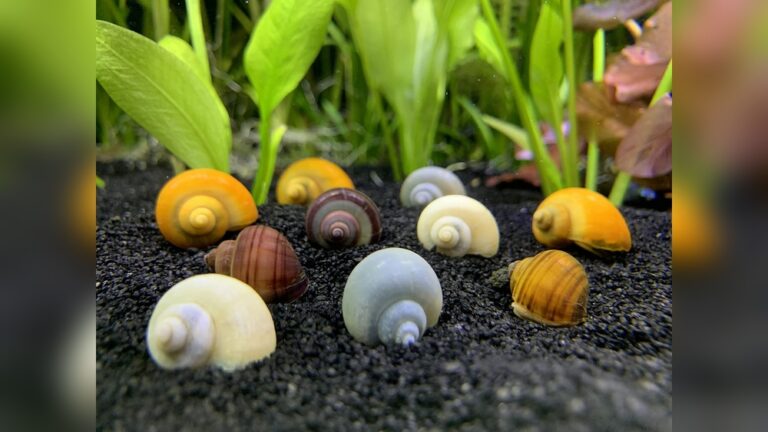
Choose peaceful fish that won’t harm the shrimp. Small tetras, rasboras, and snails make good companions. Avoid large or aggressive fish that might attack. Bamboo Shrimp prefer calm tanks without too much competition for food. This helps them grow and thrive peacefully.
Feeding Bamboo Shrimp
Bamboo shrimp are peaceful filter feeders. They catch tiny food particles from the water. Feeding them properly keeps them healthy and active. Understanding their diet helps you provide the best care.
These shrimp use fan-like appendages to filter food. They prefer small, floating particles. Knowing what and how to feed them is key.
Diet Preferences
Bamboo shrimp eat detritus, algae, and biofilm. They also like fine particles of fish food. Powdered shrimp food works well. They enjoy tiny bits of organic matter. Avoid large food pieces. Small particles allow easy filtering.
Feeding Techniques
Place food near strong water flow. This helps shrimp catch food easily. Use powdered or crushed food. Feed multiple small times daily. This mimics natural feeding habits. Avoid overfeeding to keep water clean.
Common Feeding Mistakes
Overfeeding leads to dirty water and health issues. Giving large food pieces can cause starvation. Avoid feeding only once a day. Ignoring water flow lowers feeding success. Watch shrimp to ensure they get enough food.
Credit: aquaticarts.com
Health And Care
Bamboo shrimp need careful health and care to thrive in your aquarium. Their well-being depends on clean water and proper feeding. Regular checks help spot health problems early. Understanding their behavior and body changes aids in keeping them healthy.
Good care also means providing a stable environment with the right temperature and pH. Avoid sudden changes to reduce stress. A healthy shrimp is more active and grows well.
Signs Of Good Health
Active movement shows a healthy shrimp. They wave their fan-like claws often to catch food. Bright, clear colors mean good health. Their shell should be smooth and free from cracks. Eating regularly is a positive sign.
Common Diseases
Bamboo shrimp can get fungal and bacterial infections. White spots or fuzzy patches on the shell indicate fungus. Slow movement and hiding may signal illness. Shell damage can lead to infections. Keep the water clean to prevent disease.
Molt Process
Moulting is when shrimp shed their old shell. It happens as they grow. Before molting, shrimp may hide and eat less. After shedding, their new shell is soft and needs time to harden. Provide safe places for them to molt safely.
Breeding Bamboo Shrimp
Bamboo shrimp are fascinating creatures that many aquarium lovers want to breed. Their unique filter-feeding habits and gentle nature make them popular. Breeding these shrimp requires special care and knowledge. Understanding their needs helps increase success.
Breeding bamboo shrimp is not easy. They have specific water and environmental needs. The larvae also need careful attention to grow into healthy adults. This section explains the key points to help you breed bamboo shrimp successfully.
Breeding Conditions
Bamboo shrimp need warm water between 75°F and 82°F. The pH should stay near 7.0. Clean water with gentle flow is best. They need places to hide, like plants or rocks. Feeding them well supports breeding. Use fine, high-quality food for adults. Stable water conditions increase egg survival.
Larvae Care
Larvae need special care after hatching. They live in brackish water, not fresh. Gradually add salt to their tank. Keep water clean and oxygen-rich. Feed them tiny foods like microalgae or special shrimp larvae food. Change water often but gently. Larvae grow slowly and need patience.
Challenges In Breeding
Breeding bamboo shrimp is tough. Many larvae do not survive the saltwater stage. Water quality must be perfect at all times. The larvae are very small and delicate. Feeding larvae the right food is hard. They also need a safe place free from predators. Success takes time and careful attention.
Credit: aquahuna.com
Troubleshooting Issues
Troubleshooting issues with bamboo shrimp helps keep them healthy and happy. These shrimp can face common problems that affect their behavior and growth. Knowing how to spot and fix these issues improves their life in your aquarium.
Shrimp Not Eating
Bamboo shrimp filter feed by catching tiny particles in the water. Sometimes, they stop eating due to poor water quality or lack of food. Check the water flow and add fine particles like powdered shrimp food or algae. Ensure the tank water is clean and well-oxygenated to encourage feeding.
Molting Problems
Molting is vital for bamboo shrimp growth. Stress, poor water conditions, or lack of minerals can cause molting issues. Keep the water stable and provide calcium-rich foods or supplements. Avoid sudden changes in temperature or water chemistry to help shrimp molt safely.
Aggression And Stress
Bamboo shrimp are peaceful but can get stressed by aggressive tank mates or overcrowding. Stress weakens their immune system and affects feeding. Create hiding spots with plants or decorations. Separate aggressive fish or reduce tank population to lower stress levels.
How Smart Pets Lover Can Help You with Bamboo Shrimp
Learning Through Caring for Bamboo Shrimp
Understanding Bamboo Shrimp goes beyond just knowing their basics; it offers a wonderful chance to dive deeper into aquarium care and aquatic ecosystems. When setting up an aquarium for these fascinating filter feeders, you naturally learn about water parameters, filtration, and creating a balanced habitat. This hands-on experience enhances your confidence in maintaining a healthy environment—not just for shrimp but for all aquatic life you may cherish.
Feeding Bamboo Shrimp also provides practical insights into their unique filter-feeding behavior, encouraging you to explore natural food sources and water flow dynamics. These learning moments can deepen your connection with your tank’s inhabitants, reinforcing responsible pet ownership values that resonate with what we cherish at Smart Pets Lover—helping pet parents feel informed and connected.
If questions arise or you want to share your journey, reaching out to pet communities or experts can be invaluable. It’s all part of making every aquatic adventure meaningful and rewarding.
Frequently Asked Questions
What Is A Bamboo Shrimp?
A Bamboo Shrimp is a freshwater shrimp known for its unique fan-like filter-feeding appendages. It filters microscopic particles from the water for food, making it an interesting addition to aquariums.
How Do Bamboo Shrimp Filter Their Food?
Bamboo Shrimp use fan-like appendages to catch tiny food particles. These fans create water currents that trap plankton and organic matter, which the shrimp then consume.
What Tank Conditions Suit Bamboo Shrimp Best?
Bamboo Shrimp thrive in tanks with stable water parameters. Ideal conditions include temperatures of 72-78°F, pH between 6. 5-7. 5, and good water flow to aid feeding.
Can Bamboo Shrimp Live With Other Fish?
Yes, Bamboo Shrimp are peaceful and compatible with most fish. Avoid aggressive species that may harm or stress them for a harmonious tank environment.
Conclusion
Bamboo shrimp add life and movement to any freshwater tank. They filter water and help keep it clean. These shrimp are peaceful and easy to care for. Their unique appearance draws attention and creates interest. Feeding them right ensures they stay healthy and active.
Watching their feeding fans is quite relaxing. They fit well with many other small fish and shrimp. Adding bamboo shrimp can make your aquarium more natural. A simple care routine keeps them happy and thriving. Enjoy the calm beauty these shrimp bring to your tank.