Strawberry Peacock Cichlid
If you’re looking to add a splash of color and personality to your aquarium, the Strawberry Peacock Cichlid might be just what you need. This stunning fish is known for its vibrant colors and lively behavior, making it a favorite among aquarium enthusiasts.
But before you bring one home, there are important things you should know to keep your new pet healthy and happy. Keep reading to discover everything about caring for your Strawberry Peacock Cichlid and how to create the perfect environment for it to thrive.
Your aquarium will never look the same!
Credit: azgardens.com
Appearance And Colors
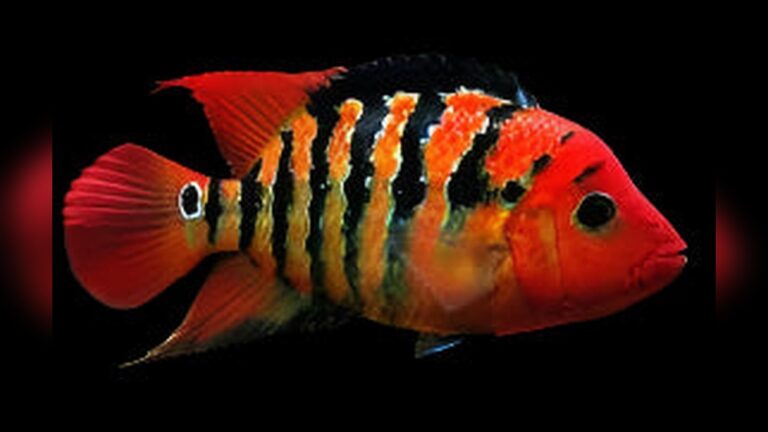
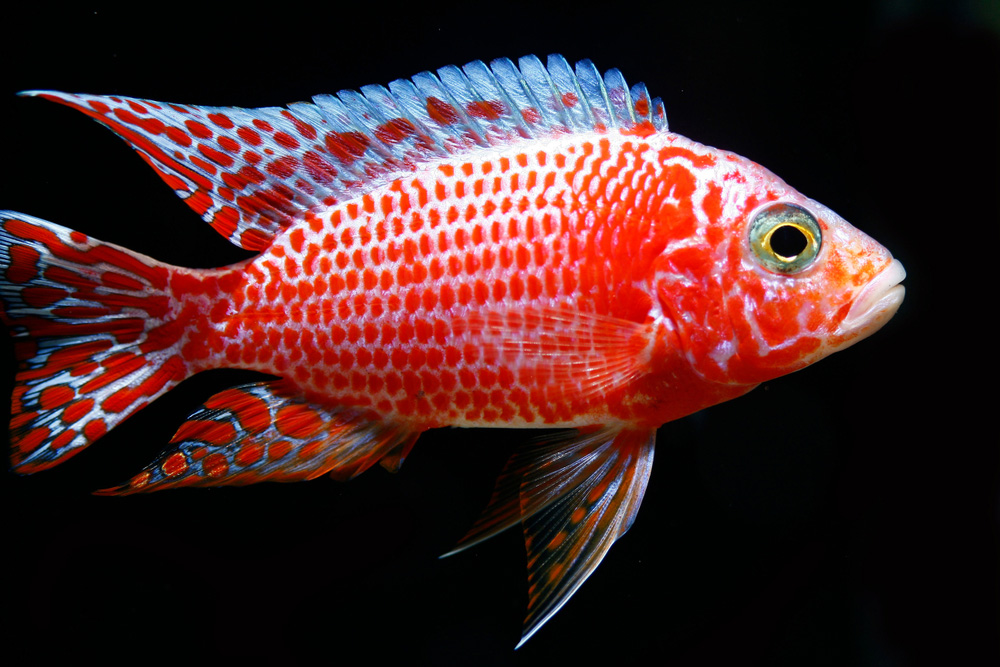
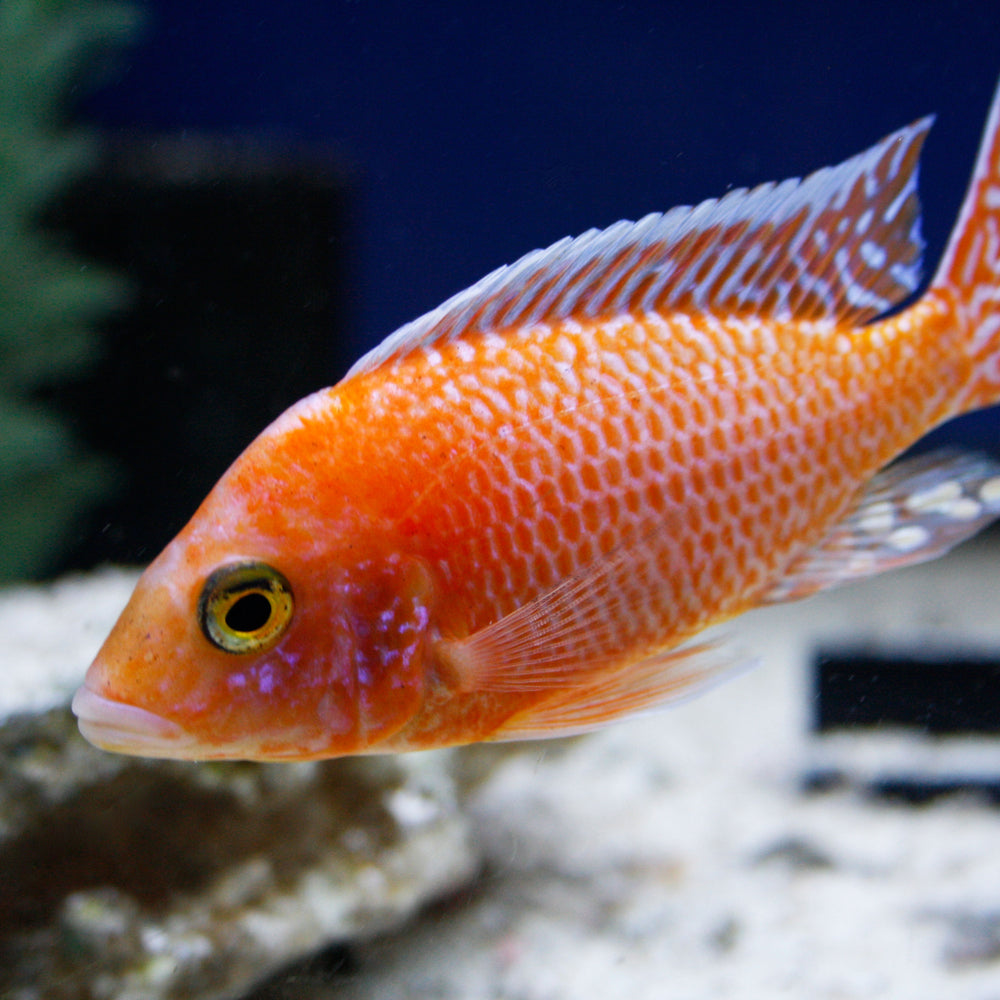
The Strawberry Peacock Cichlid is known for its striking appearance and vibrant colors. This fish stands out in any aquarium due to its bright and lively look. Its body shape and colors make it a favorite among fish lovers. Each fish shows unique shades and patterns. These features bring life and beauty to underwater spaces.
Body Shape And Size
The Strawberry Peacock Cichlid has a medium-sized, oval body. It grows up to 6 inches long. The body is slightly compressed from the sides. This shape helps the fish move quickly in the water. Its fins are well-developed and flow smoothly. The tail fin is fan-shaped and adds to the fish’s graceful swimming.
Color Variations
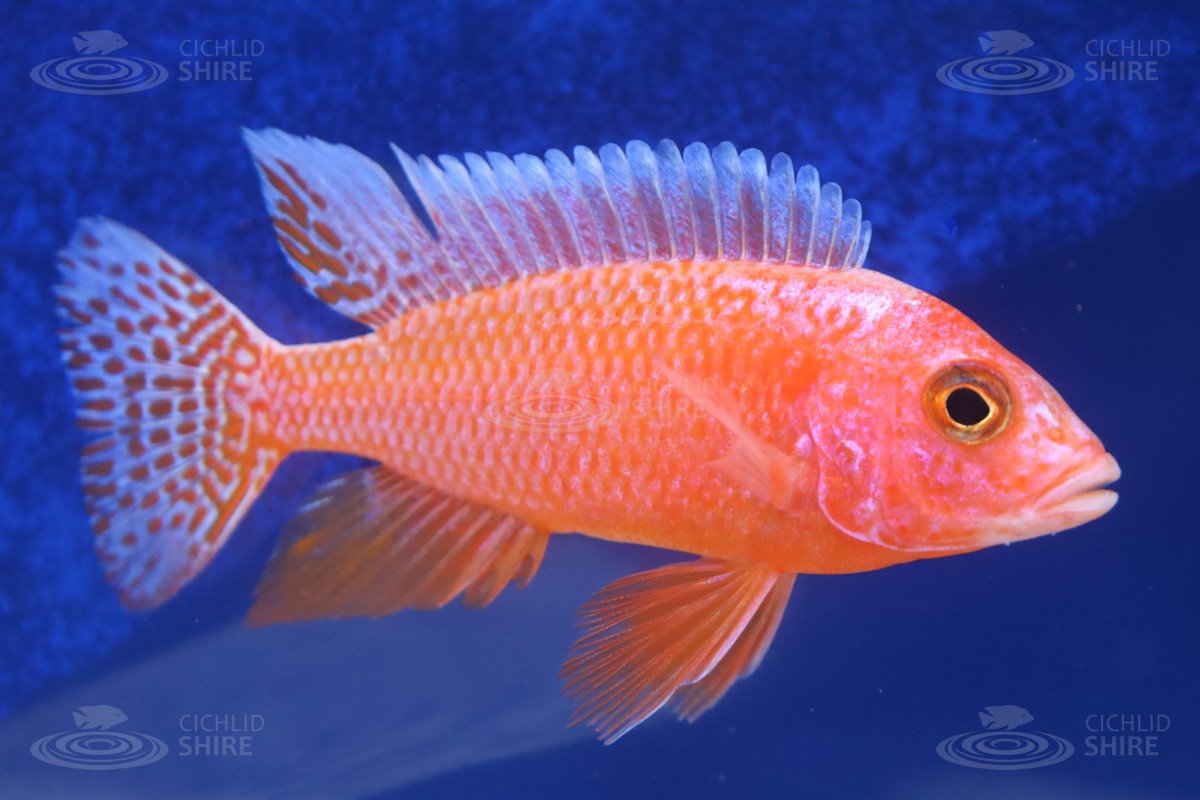
This cichlid displays many color variations. Most have a pink or light red base color. Shades can range from soft peach to deep red. Some fish show hints of blue or purple. Bright blue spots often scatter across the body. Males tend to be more colorful than females. Colors become richer as the fish matures.
Distinctive Markings
Distinctive markings define the Strawberry Peacock Cichlid’s look. Blue spots cover the body and fins. These spots resemble tiny stars on a night sky. Some have faint vertical bars along the sides. The face often has a bright blue line near the eyes. These markings make each fish unique and eye-catching.
Credit: cichlidshire.com
Natural Habitat
The Strawberry Peacock Cichlid thrives in a unique natural environment. Understanding this habitat helps recreate perfect conditions at home. It supports their health and vibrant colors.
Geographic Location
This fish lives in East Africa’s freshwater lakes. Lake Malawi is its primary home. The lake has many rocky shores and sandy bottoms. These areas provide shelter and food for the cichlid.
Water Conditions
Strawberry Peacock Cichlids prefer warm water. The temperature stays between 75 and 82 degrees Fahrenheit. The water is slightly alkaline with a pH around 7.8 to 8.6. It is also hard, meaning it has many minerals. Clear water is important for their well-being.
Tank Setup Mimicking
To mimic their natural habitat, use rocky decorations in the tank. Add flat stones and caves for hiding spots. Keep the substrate sandy or fine gravel. Maintain water temperature between 75 and 82 degrees Fahrenheit. Test water regularly to keep pH and hardness stable. Good filtration and regular water changes keep water clean. Bright lighting helps show off their colors.
Behavior And Temperament
The Strawberry Peacock Cichlid is known for its lively and engaging behavior. This fish is active and often curious about its surroundings. Understanding its temperament helps in creating a peaceful aquarium environment. This section explores how these fish act in social settings, their territorial nature, and their compatibility with other fish.
Social Dynamics
Strawberry Peacock Cichlids enjoy company. They often swim in groups and show interesting social behaviors. Males usually display bright colors to attract females. Females tend to be less colorful but are very active. These fish communicate through body movements and color changes. Keeping them in small groups reduces stress and encourages natural behavior.
Territorial Traits
These cichlids can be territorial, especially males. They mark their space with bright colors and chasing behaviors. Territory size depends on tank size and hiding spots. Providing rocks and plants helps reduce aggression. Females are less aggressive but still defend their chosen areas. Watching their interactions helps manage any conflicts early.
Compatibility With Other Fish
Strawberry Peacock Cichlids live well with similar-sized fish. Avoid keeping them with very small or very aggressive species. Peaceful fish with similar water needs make good tank mates. Avoid overcrowding to reduce stress and fights. Introducing fish slowly helps them adjust and coexist peacefully.
Diet And Feeding
The Strawberry Peacock Cichlid has specific diet needs. Feeding them the right food keeps them healthy and colorful. Knowing their diet helps create a happy tank environment.
Preferred Foods
Strawberry Peacock Cichlids enjoy a mix of foods. They like high-quality pellets made for cichlids. Live foods like brine shrimp and bloodworms excite them. Frozen foods are a good alternative to live ones. Vegetables like spinach or peas can be added sometimes.
Feeding Schedule
Feed adult cichlids twice a day. Young fish need three smaller meals daily. Give only what they can eat in 3-5 minutes. Overfeeding causes water problems and health issues. Remove uneaten food after feeding to keep water clean.
Nutritional Needs
Protein is important for growth and color. Balanced vitamins and minerals support overall health. Avoid fatty foods to prevent obesity. Vegetables provide fiber and aid digestion. A varied diet helps keep the fish active and vibrant.
Breeding Tips
Breeding Strawberry Peacock Cichlids can be rewarding. These fish show interesting behaviors during spawning. Proper care helps ensure healthy fry. Follow simple steps to create the best conditions for breeding success.
Spawning Behavior
Strawberry Peacock Cichlids are mouthbrooders. The female holds eggs and fry in her mouth. Males display vibrant colors to attract females. They clear a flat surface for egg laying. Spawning usually happens in the morning. Watch for the female’s protective behavior after spawning.
Breeding Tank Setup
Use a separate tank with at least 20 gallons. Keep water temperature around 78-82°F (25-28°C). Maintain a pH level between 7.8 and 8.6. Add flat rocks or slate for egg laying. Provide hiding spots with plants or caves. Use gentle filtration to avoid harming fry. Regular water changes keep the environment clean.
Raising Fry
After hatching, the female releases fry in 2-3 weeks. Move fry to a grow-out tank if possible. Feed small foods like baby brine shrimp or crushed flakes. Offer food several times a day. Keep water quality high with frequent changes. Avoid overcrowding to prevent stress and disease.
Health And Care
Strawberry Peacock Cichlids are vibrant and lively fish that need proper care to stay healthy. Keeping them in good condition requires attention to their environment and health. Healthy fish show bright colors and active behavior. Unhealthy fish may become dull and less active. Knowing the basics of their health and care helps ensure they thrive in your aquarium.
Common Diseases
Strawberry Peacock Cichlids can suffer from common fish diseases. Ich is a frequent problem, causing white spots on the body. Fin rot leads to frayed or decaying fins. Swim bladder disorder affects their swimming ability. Early signs include loss of appetite and hiding. Detecting diseases early improves chances of recovery.
Preventative Measures
Good care reduces the risk of diseases. Avoid overcrowding the tank to lower stress. Feed a balanced diet with high-quality pellets and occasional live food. Quarantine new fish before adding them to the main tank. Regularly clean the tank and remove uneaten food. Healthy fish resist disease better than stressed fish.
Water Quality Maintenance
Clean water is vital for Strawberry Peacock Cichlids. Test water weekly for ammonia, nitrites, and nitrates. Maintain pH between 7.8 and 8.6 for best results. Change 20% to 30% of water weekly to remove toxins. Use a good filter to keep water clear and oxygenated. Stable water parameters prevent stress and illness.
Tank Mates Selection
Choosing the right tank mates for Strawberry Peacock Cichlids is important. These fish have bright colors and a peaceful nature. Still, they can be territorial. Careful selection helps keep the aquarium calm and lively. A good mix of fish will create a balanced environment. This section covers suitable species, how to avoid aggression, and ideas for community tanks.
Suitable Species
Choose fish that share similar water needs. Medium-sized cichlids with peaceful behavior work well. Examples include other peacock cichlids and haplochromis. Catfish like Synodontis can live peacefully with them. Avoid very small or very large fish. This keeps stress and bullying low. Always research each species’ needs before adding them.
Avoiding Aggression
Strawberry Peacock Cichlids can be territorial during breeding. Provide plenty of hiding places and caves. Space out territories with rocks or plants. Keep the tank size large enough to reduce fights. Introduce fish gradually to minimize stress. Watch for signs of bullying or injury. Remove aggressive fish quickly to protect others.
Community Tank Ideas
Create a colorful and calm community tank. Mix other Malawi cichlids with similar temperaments. Add bottom dwellers like plecos or loaches. Use plants and rocks to form natural barriers. Keep water quality high with good filtration. Feed a balanced diet to keep fish healthy. This setup offers beauty and peace in one tank.
Credit: realaquatics.co.uk
How Smart Pets Lover Can Help You with Strawberry Peacock Cichlid
Learning from the Vibrant World of Strawberry Peacock Cichlids
Getting to know the Strawberry Peacock Cichlid offers more than just admiration for its dazzling colors and spirited behavior. As you dive into its natural habitat and feeding habits, you’re also stepping into a practical learning experience about aquatic ecosystems and responsible pet care. Observing their temperament can teach valuable lessons in selecting compatible tank mates, which mirrors the importance of understanding social dynamics—something every pet parent can appreciate.
At Smart Pets Lover, we believe every interaction with your fish is an opportunity to deepen your bond and knowledge. Whether it’s fine-tuning water conditions or exploring breeding tips, these moments enrich your pet parenting journey. For those curious to explore further or troubleshoot, connecting with experienced communities or reaching out to aquatic care specialists can offer reassuring guidance.
Remember, caring for a Strawberry Peacock Cichlid isn’t just about maintaining a tank; it’s about embracing a story filled with vibrant life, patience, and discovery—just like every wag, purr, and chirp that tells a story in your home.
Frequently Asked Questions
What Is The Average Size Of A Strawberry Peacock Cichlid?
Strawberry Peacock Cichlids typically grow up to 4-6 inches long. They are medium-sized fish ideal for home aquariums. Proper tank space helps them reach their full size healthily.
How To Care For Strawberry Peacock Cichlids In Aquariums?
Maintain clean water with a pH of 7. 8-8. 6 and temperature between 76-82°F. Provide hiding spots and a balanced diet of pellets and live food.
Are Strawberry Peacock Cichlids Aggressive Towards Other Fish?
They are moderately aggressive, especially males during breeding. Keep them with similarly sized, peaceful fish to minimize conflicts and stress.
What Is The Ideal Diet For Strawberry Peacock Cichlids?
Feed them high-quality cichlid pellets, supplemented with live or frozen foods like brine shrimp. A varied diet ensures vibrant colors and good health.
Conclusion
Strawberry Peacock Cichlids bring color and life to any aquarium. They are active and interesting to watch. Keep their tank clean and conditions stable for best health. Feed them a balanced diet to see their vibrant colors shine. These fish can live well with other peaceful species.
Enjoy caring for these beautiful, friendly fish in your home tank. They add joy and beauty with their unique patterns and bright hues. A great choice for both new and experienced fish keepers.