Gourami Types
Are you curious about adding a splash of color and life to your aquarium? Gouramis might be just what you need.
These fascinating fish come in many types, each with unique colors, shapes, and behaviors that can transform your tank into a vibrant underwater world. Whether you’re a beginner or an experienced hobbyist, understanding the different gourami types will help you choose the perfect one for your home.
Keep reading to discover which gourami suits your style and how to care for them to keep your aquatic friends happy and healthy.
Popular Gourami Species
Gouramis are popular freshwater fish loved for their beauty and calm nature. They come in many types, each with unique colors and behaviors. These species fit well in home aquariums and offer interesting traits to watch.
Below are some popular gourami species that hobbyists often choose. Each species brings its own charm and care needs.
Dwarf Gourami
The Dwarf Gourami is small and colorful. It shows bright red, blue, and turquoise hues. This species prefers calm water and lots of plants. It is peaceful and easy to care for.
Pearl Gourami
Pearl Gouramis have a pearl-like pattern on their bodies. They grow slightly larger than dwarf gouramis. These fish enjoy swimming in groups. Their peaceful nature makes them good tank mates.
Three-spot Gourami
Three-Spot Gouramis have spots on their sides and body. They can reach medium size and have a calm temperament. This species often uses its labyrinth organ to breathe air. It adds an active element to the tank.
Kissing Gourami
Kissing Gouramis are known for their unique mouth shape. They often “kiss” other fish or objects. This species grows larger and needs more space. It has a pale pink or silver color.
Opaline Gourami
Opaline Gouramis shine with a metallic blue-green color. They are similar in size to the Three-Spot Gourami. These fish prefer warm water and a peaceful environment. Their shimmering scales catch the eye easily.
:strip_icc()/gourami-species-1381077-hero-63503a384d604904b7012883f5ca8ea1.jpg)
Credit: www.thesprucepets.com
Physical Characteristics
Gouramis have unique physical traits that make them easy to identify. Their bodies and colors vary a lot. These features help them survive and attract mates. Understanding these traits helps fish lovers choose the right type for their tanks.
Size And Shape
Gouramis come in different sizes. Some are small, only a few inches long. Others can grow up to 6 inches or more. Their bodies are usually oval or slightly round. Most gouramis have long, flowing fins that add to their charm. Their shape helps them swim smoothly in water plants.
Color Patterns
The colors of gouramis range widely. Some have soft, pale shades like light blue or pink. Others show bright colors such as red, orange, or yellow. Many gouramis have patterns like stripes, spots, or patches. These patterns often help them hide in their natural habitat.
Distinctive Features
Gouramis have special features that stand out. Their long, thread-like pelvic fins act like feelers. These fins help them explore their surroundings. Some types have a shiny, metallic sheen on their scales. Others may have a prominent, rounded dorsal fin. These features make each type unique and interesting to watch.
Habitat Preferences
Gouramis have distinct habitat preferences that affect their health and behavior. Understanding these needs helps create a comfortable space for them. Each type of Gourami comes from unique environments with specific water and tank conditions.
Providing the right habitat mimics their natural home. This encourages their natural behaviors and keeps them active and healthy.
Natural Environments
Gouramis come from slow-moving waters in Asia. They live in ponds, swamps, and rice paddies. These places have lots of plants and calm water. Shade and hiding spots help them feel safe. The water is often soft and slightly acidic. Their natural habitat is warm and stable in temperature.
Tank Setup
A tank should copy their natural environment closely. Use live plants like java fern and floating plants. Add driftwood or rocks for hiding places. Keep the tank calm with little water flow. A covered tank is good because Gouramis can breathe air. Avoid sharp decorations that might harm their fins.
Water Conditions
Gouramis prefer warm water between 75°F and 82°F (24°C to 28°C). The pH should be slightly acidic to neutral, around 6.0 to 7.5. Water hardness must be soft to moderate. Regular water changes keep the water clean and safe. Stable water conditions reduce stress and disease risks.

Credit: www.youtube.com
Behavioral Traits
Gouramis have unique behaviors that make them interesting to watch. Their actions show how they live and interact in their environment. Understanding these traits helps keep them healthy and happy in aquariums. Each type of gourami may act a little differently, but some patterns are common across the group.
Social Behavior
Gouramis enjoy company but can be shy. They often swim in groups but keep some space. Males may show mild aggression, especially during breeding times. Most gouramis prefer calm, peaceful tank mates. They use their long fins to signal moods and intentions. Watching their social moves reveals a lot about their comfort level.
Compatibility With Other Fish
Gouramis usually get along with peaceful fish. Avoid housing them with very aggressive or fast swimmers. Small, calm fish make the best companions. Some gouramis may chase smaller fish, so watch closely. They thrive in community tanks with similar-sized species. Proper tank setup reduces stress and fights among fish.
Breeding Habits
Male gouramis build bubble nests for their eggs. They guard the nest fiercely to protect the young. Spawning happens near the water surface in calm areas. Females lay eggs, then males take over the care. Breeding gouramis need quiet tanks with floating plants. Watching this process is fascinating and shows their natural instincts.
Care Tips
Proper care is essential for keeping gouramis healthy and happy. Understanding their needs helps create a balanced environment. This section covers important care tips for gourami types. Follow these guidelines to ensure your fish thrive in your aquarium.
Feeding Requirements
Gouramis need a varied diet to stay healthy. Offer high-quality flakes or pellets designed for tropical fish. Include live or frozen foods like brine shrimp and bloodworms for protein. Feed small amounts two times a day. Remove uneaten food to keep water clean.
Tank Maintenance
Clean water is crucial for gouramis. Perform weekly water changes of about 20-30%. Use a water conditioner to remove harmful chemicals. Maintain a stable temperature between 75-82°F (24-28°C). Provide plants and hiding spots to reduce stress. Check the filter regularly to ensure proper function.
Health Issues
Watch for signs of illness like faded colors or abnormal swimming. Common problems include fin rot and ich. Keep water quality high to prevent diseases. Quarantine new fish before adding them to the tank. Treat illnesses promptly with appropriate medications.
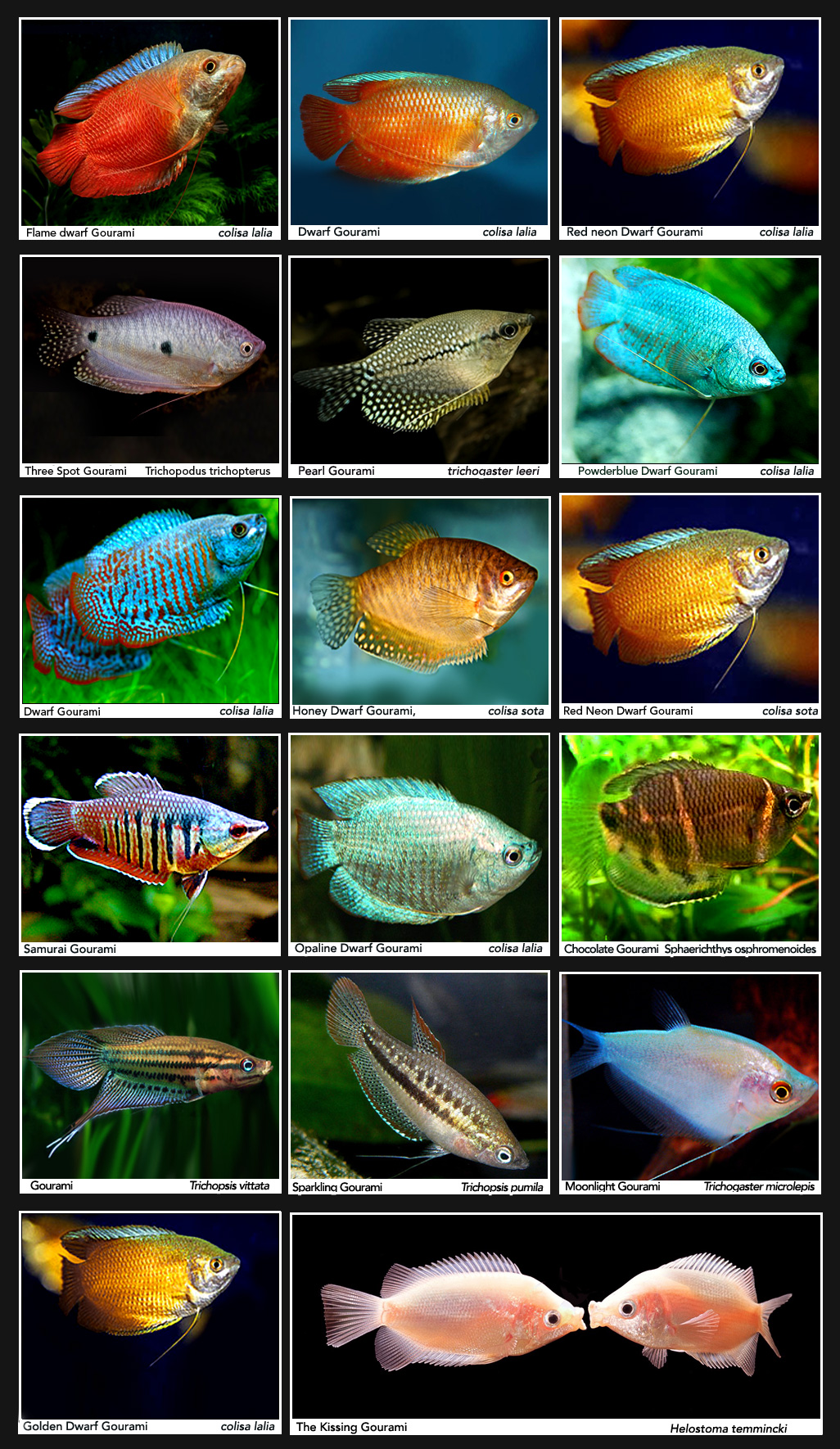
Credit: azgardens.com
Choosing The Right Gourami
Choosing the right gourami is key for a happy, healthy aquarium. Different gourami types have unique needs and personalities. Picking the best one depends on your experience and tank setup.
Some gouramis are easy to care for, while others need more attention. Knowing the differences helps avoid problems later. This guide will help you find the right gourami for your tank.
For Beginners
Betta and dwarf gouramis are great for beginners. They are hardy and adapt well to most tanks. These gouramis need calm water and plants to hide in. Feeding them is simple; they eat flakes and pellets.
Keep tank size at least 10 gallons. Avoid aggressive fish that may stress your gourami. Regular water changes keep them healthy and active.
For Experienced Aquarists
For those with more experience, pearl and kissing gouramis offer unique colors and behaviors. These fish need larger tanks, at least 20 gallons. They prefer stable water conditions and more space to swim.
They enjoy a varied diet, including live or frozen foods. These gouramis may show some territorial behavior. A well-planted tank with hiding spots helps reduce stress.
Common Mistakes To Avoid
Choosing a gourami without checking tank size causes stress. Overcrowding the tank harms all fish. Mixing aggressive fish with peaceful gouramis leads to fights.
Ignoring water quality affects gourami health. Skipping regular water changes invites disease. Not providing hiding places makes gouramis feel unsafe.
How Smart Pets Lover Can Help You with Gourami Types
Exploring Gourami Types Through Hands-On Learning
Diving deeper into the fascinating world of gourami types offers a wonderful chance to connect practical learning with your passion for pet care. Understanding their physical characteristics and habitat preferences not only enriches your knowledge but also helps you create the ideal environment for these colorful companions. Observing behavioral traits firsthand can reveal subtle cues about their well-being, making care tips more than just theory—they become part of your daily routine.
At Smart Pets Lover, we believe that every pet parent grows through experience, supported by trusted information. Whether you’re selecting the right gourami species or fine-tuning tank conditions, hands-on observation combined with research-backed guidance turns curiosity into confident care. Remember, nurturing these gentle fish is a rewarding journey where patience and attention unlock their unique personalities.
If you ever want to discuss more about gourami types or share your experiences, reaching out to knowledgeable communities or pet experts can be a great resource. After all, every wag, purr, and chirp tells a story—yours included.
Frequently Asked Questions
What Are The Most Popular Types Of Gourami Fish?
Popular Gourami types include Dwarf Gourami, Pearl Gourami, Kissing Gourami, and Honey Gourami. Each has unique colors and sizes, making them favorites for aquariums. They are peaceful and easy to care for, suitable for beginners and experienced fish keepers alike.
How Do Gourami Species Differ In Care Requirements?
Different Gourami species vary in tank size, water temperature, and diet needs. For example, Dwarf Gouramis prefer smaller tanks and warmer water, while Giant Gouramis need larger spaces. Understanding each type’s needs ensures healthy fish and a thriving aquarium environment.
Can Gouramis Live With Other Fish Species?
Yes, many Gouramis are peaceful and can cohabit with other non-aggressive fish. Avoid keeping them with fin-nippers or overly aggressive species. Proper tank mates enhance harmony and reduce stress in a community aquarium setting.
What Is The Lifespan Of Common Gourami Types?
Most Gouramis live between 4 to 6 years with proper care. Some larger species can live up to 8 years. Lifespan depends on tank conditions, diet, and overall health maintenance.
Conclusion
Gouramis offer a wide variety of colors and sizes. Each type has unique traits that suit different tanks. They are peaceful fish and easy to care for. Knowing their needs helps keep them healthy and happy. Choose the right gourami to fit your aquarium style.
Enjoy watching their gentle movements and bright colors. These fish bring calm and beauty to any home. Exploring gourami types can be a fun hobby. Start small and learn as you go. Your tank can become a lively, peaceful underwater world.