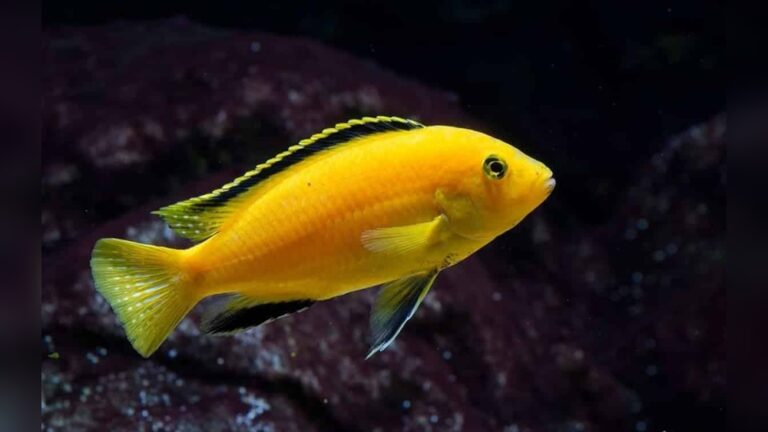
Bristlenose Pleco
If you’re looking to add a unique and low-maintenance fish to your aquarium, the Bristlenose Pleco might be exactly what you need. These fascinating little fish are not only great at keeping your tank clean but also add an interesting touch with their distinctive bristle-like features.
Whether you’re new to fishkeeping or a seasoned hobbyist, understanding how to care for Bristlenose Plecos can make a big difference in your tank’s health and beauty. Keep reading to discover why this fish could be the perfect match for your underwater world.
Species Profile
The Bristlenose Pleco is a popular freshwater fish loved by aquarium hobbyists. It has a unique look and calm nature. Understanding its species profile helps in caring for it better. Below are key details about its traits, habitat, and behavior.
Physical Traits
The Bristlenose Pleco has a flattened body covered with tough plates. Its most notable feature is the bristles on its nose. Males have longer and more numerous bristles than females. The fish usually grows up to 4-5 inches long. Its colors range from brown to gray with darker spots. This pattern helps it blend into its surroundings.
Natural Habitat
This species comes from South America, mainly the Amazon River basin. It lives in slow-moving streams and rivers with lots of plants. The water there is warm and soft. The bottom is often covered with wood and leaves. This environment provides shelter and food for the Bristlenose Pleco.
Behavior Patterns
The Bristlenose Pleco is mostly active at night. It spends much time hiding under rocks and driftwood during the day. It is peaceful and does not bother other fish. This fish likes to graze on algae and plant matter. It helps keep the aquarium clean by eating leftover food and algae.

Credit: aquariumfishonline.com.au
Tank Setup
The Bristlenose Pleco needs a proper tank setup to stay healthy and happy. A good environment helps them show their best colors and behaviors. Setting up the tank carefully makes care easier and keeps the fish active.
Focus on tank size, water conditions, and the right decorations. These parts create a safe and natural home for your Pleco.
Tank Size
Bristlenose Plecos need at least a 20-gallon tank. They grow up to 5 inches long. A bigger tank gives them space to swim and hide. It also keeps the water cleaner longer. Small tanks can stress the fish and cause health problems.
Water Conditions
Keep the water temperature between 73°F and 81°F. The pH should be neutral or slightly acidic, around 6.5 to 7.5. Regular water changes keep the tank clean. Good water quality prevents illness and helps the Pleco live longer. Use a filter to keep water clear and oxygen-rich.
Substrate And Decorations
Use soft sand or smooth gravel as substrate. Hard or sharp materials can hurt the Pleco’s delicate fins. Add driftwood or caves for hiding spots. Bristlenose Plecos like to rest in dark places. Plants can also provide shelter and improve water quality. Avoid overcrowding to keep the tank peaceful.
Feeding Needs
Bristlenose Plecos have simple feeding needs that keep them healthy. Understanding their diet helps you care for them better. Their eating habits are easy to manage and fit well in most freshwater tanks.
Feeding them the right food supports growth and bright colors. It also keeps them active and lively. Let’s explore what they eat and how often you should feed them.
Diet Basics
Bristlenose Plecos mainly eat plant-based foods. They love algae, which they scrape from tank surfaces. You can also offer them vegetables like zucchini, cucumber, and spinach. High-quality sinking pellets designed for herbivores work well too. Avoid feeding them too much protein, as it can harm their health.
Feeding Schedule
Feed your Bristlenose Pleco once or twice daily. Offer small amounts to prevent leftover food. Remove uneaten food after a few hours to keep water clean. They may eat less during the day since they are mostly active at night. Observe their behavior and adjust feeding times as needed.
Supplements
Supplements help fill nutritional gaps. Calcium is important for their armor-like plates. You can add cuttlebone or calcium-rich vegetables to the tank. Occasionally, offer protein-rich treats like bloodworms or brine shrimp. Use supplements sparingly to maintain a balanced diet.

Credit: shrimpupaquatics.com
Health Care
Bristlenose Plecos are hardy fish but need proper care to stay healthy. Good health care helps them live longer and stay active. Knowing common diseases and how to prevent them keeps your tank safe. Quick treatment can save your fish from serious harm.
Common Diseases
Bristlenose Plecos can get diseases like Ich and fin rot. Ich shows as small white spots on the fish’s body. Fin rot causes fins to look torn or ragged. Bacterial infections can cause swelling or redness. Watch for unusual swimming or loss of appetite.
Preventive Measures
Keep the tank clean and change water regularly. Use a good filter to remove waste. Feed a balanced diet with vegetables and algae wafers. Avoid overcrowding the tank. Quarantine new fish before adding them to the main tank. Stable water temperature and pH reduce stress and illness.
Treatment Options
Use aquarium salt to treat mild infections. Medications like antifungal or antibacterial treatments help serious diseases. Increase water temperature slightly to fight Ich. Remove sick fish to a separate tank for treatment. Follow medicine instructions carefully and keep the tank clean during treatment.
Breeding Tips
Breeding Bristlenose Plecos can be a rewarding experience for aquarium hobbyists. These fish are peaceful and easy to care for. Understanding their breeding needs helps increase success rates. Below are some key tips to help you breed Bristlenose Plecos effectively.
Spawning Conditions
Keep the water temperature between 78 and 86°F. Maintain a pH level of 6.5 to 7.5 for best results. Provide plenty of hiding spots with caves or PVC pipes. Use soft, slightly acidic water to encourage spawning. Feed the fish high-quality foods like algae wafers and vegetables. Regular water changes help keep the environment clean and stable.
Egg Care
The male guards the eggs after spawning. Do not disturb the breeding cave during this time. Keep the water clean and stable to avoid fungus growth. Use a gentle air stone to increase oxygen if needed. Remove the male only if he shows aggression toward the eggs. Avoid feeding the parents too much to reduce waste.
Raising Fry
Hatchlings appear after about 4 to 7 days. Feed the fry with crushed algae wafers or baby brine shrimp. Keep the water temperature steady around 80°F. Change 10 to 20 percent of water daily to maintain cleanliness. Separate fry from adult fish to prevent harm. Watch their growth and provide hiding spots as they develop.
Tank Mates
The Bristlenose Pleco is a peaceful fish that fits well in many community tanks. Choosing the right tank mates is important for a calm and healthy aquarium. They prefer quiet companions that do not disturb their hiding spots or food.
Compatible Fish
Bristlenose Plecos get along with many small, peaceful fish. Tetras, guppies, and mollies are great options. Corydoras catfish and small rasboras also work well. Avoid aggressive or very large fish that may bully or eat them.
Aggression Management
Keep an eye on any signs of stress or fighting. Provide plenty of hiding places like caves and plants. This helps reduce aggression and gives the pleco safe spaces. Feeding regularly prevents food competition and keeps peace.
Community Tank Ideas
A peaceful community tank with live plants suits Bristlenose Plecos. Use slow-swimming fish that stay in mid or upper water levels. Bottom dwellers that don’t compete for space are ideal. This creates balance and comfort for all fish.
Maintenance Guide
The Bristlenose Pleco is a popular fish for many aquariums. Keeping it healthy needs regular care. This maintenance guide helps you keep your fish tank clean and safe. It covers simple steps for daily and weekly tasks. Follow these tips to make your Pleco happy and active.
Cleaning Routine
Clean the tank surface often to remove algae and debris. Use a soft cloth or sponge for glass walls. Avoid harsh chemicals that can harm your Pleco. Gently clean decorations and plants to stop dirt build-up. Remove leftover food after feeding to prevent water pollution. A clean tank supports a healthy environment for your fish.
Water Changes
Change 20-30% of the water every week. Use a water conditioner to remove chlorine and chloramine. Match the new water temperature with the tank water. This keeps the Pleco comfortable and stress-free. Regular water changes keep harmful toxins low. Clear water helps your fish breathe and grow well.
Equipment Checks
Check filters weekly to ensure they work well. Clean or replace filter media as needed. Test the heater to keep water temperature steady. Inspect air pumps and tubing for blockages or damage. Proper equipment keeps water clean and oxygen-rich. Well-maintained tools help your Pleco thrive in the tank.
Common Myths
Bristlenose Plecos are popular aquarium fish with many myths around them. These myths can confuse new fish keepers. Understanding the truth helps care for these fish properly. Here are some common myths about Bristlenose Plecos.
Algae Control
Many people think Bristlenose Plecos eat all algae in the tank. They do eat algae, but not all types. They prefer soft, green algae. Hard algae or heavy algae growth needs other cleaning methods. Don’t rely only on Plecos to keep the tank clean.
Size Misconceptions
Some believe Bristlenose Plecos grow very large. They usually reach 4 to 5 inches. This size fits most home aquariums well. They do not grow as big as some other Pleco species. Knowing their true size helps choose the right tank.
Behavioral Myths
People think Bristlenose Plecos are very aggressive. Actually, they are peaceful fish. They mostly hide during the day and come out at night. They get along well with other peaceful fish. Aggression is rare unless stressed or crowded.

Credit: www.palaeoplushies.com
How Smart Pets Lover Can Help You with Bristlenose Pleco
Learning Through Caring for Your Bristlenose Pleco
Welcoming a Bristlenose Pleco into your home is more than just setting up a tank—it’s a hands-on journey into aquatic life that offers practical learning at every turn. By observing their feeding needs and natural behaviors, you can deepen your understanding of fish health care and tank maintenance. This process encourages patience and attentiveness, qualities that resonate well beyond the aquarium.
For instance, mastering the right tank setup and choosing compatible tank mates teaches you about ecosystem balance and responsible pet ownership. These experiences connect you emotionally to your pleco’s wellbeing, reinforcing Smart Pets Lover’s mission of fostering confident, informed pet parents who cherish every moment with their animals.
- Monitor water parameters regularly to keep your pleco healthy.
- Experiment with varied diets to see what your pleco prefers.
- Note breeding behaviors to appreciate their unique life cycle.
Remember, if you ever need tailored advice, reaching out to knowledgeable communities or experts can make a difference. At Smart Pets Lover, we’re here to support your aquatic adventures—because where every wag, purr, and chirp tells a story, every bubble and fin flicker does too.
Frequently Asked Questions
What Is A Bristlenose Pleco Fish?
A Bristlenose Pleco is a small freshwater catfish. It is popular in aquariums for algae control. Its bristle-like growths on the nose distinguish it from other plecos.
How Large Do Bristlenose Plecos Grow?
They typically grow up to 4-5 inches in length. This size makes them ideal for community tanks. Their compact size suits small to medium aquariums well.
What Is The Ideal Tank Setup For Bristlenose Plecos?
Provide a tank of at least 20 gallons. Include hiding spots like caves and driftwood. Maintain clean water with good filtration and moderate flow.
What Do Bristlenose Plecos Eat?
They primarily eat algae and plant matter. Supplement their diet with sinking algae wafers and vegetables. They are peaceful bottom feeders that help keep tanks clean.
Conclusion
Bristlenose Plecos make great additions to many aquariums. They help keep tanks clean by eating algae. Their small size fits well in most setups. These fish are hardy and easy to care for. Watching them explore adds life to your tank.
Choose healthy ones for best results. Regular feeding and tank maintenance keep them happy. Enjoy the calm and charm they bring. A peaceful fish that suits beginners and experts alike. Simple care leads to a thriving Bristlenose Pleco.