Bucktooth Tetra
If you’re looking to add a unique and lively fish to your aquarium, the Bucktooth Tetra might be just what you need. With its sharp teeth and striking appearance, this little fish stands out from the crowd.
But there’s more to the Bucktooth Tetra than meets the eye. Understanding how to care for it properly can make all the difference in keeping your tank healthy and vibrant. Keep reading to discover everything you need to know about these fascinating fish and how they can brighten up your underwater world.
Bucktooth Tetra Basics
The Bucktooth Tetra is a small but lively fish popular in home aquariums. It is easy to care for and adds charm to any tank. Understanding its basics helps keep it happy and healthy.
This fish is known for its unique teeth and active nature. It interacts well with other fish but needs space to swim freely.
Physical Features
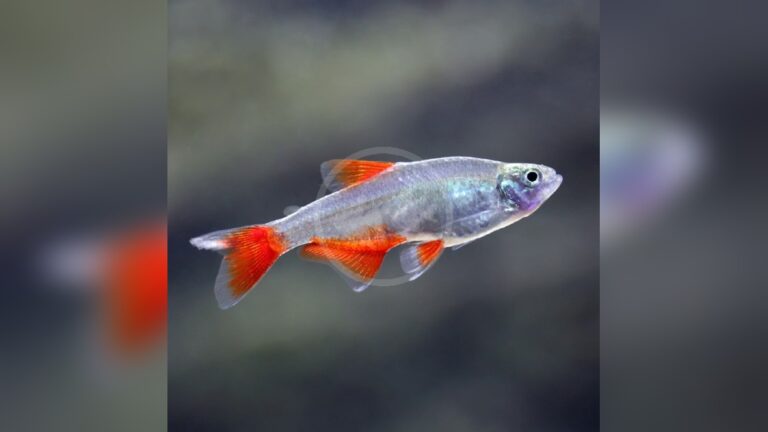
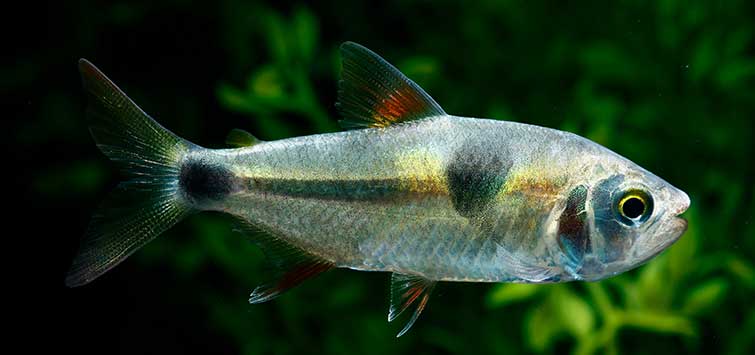
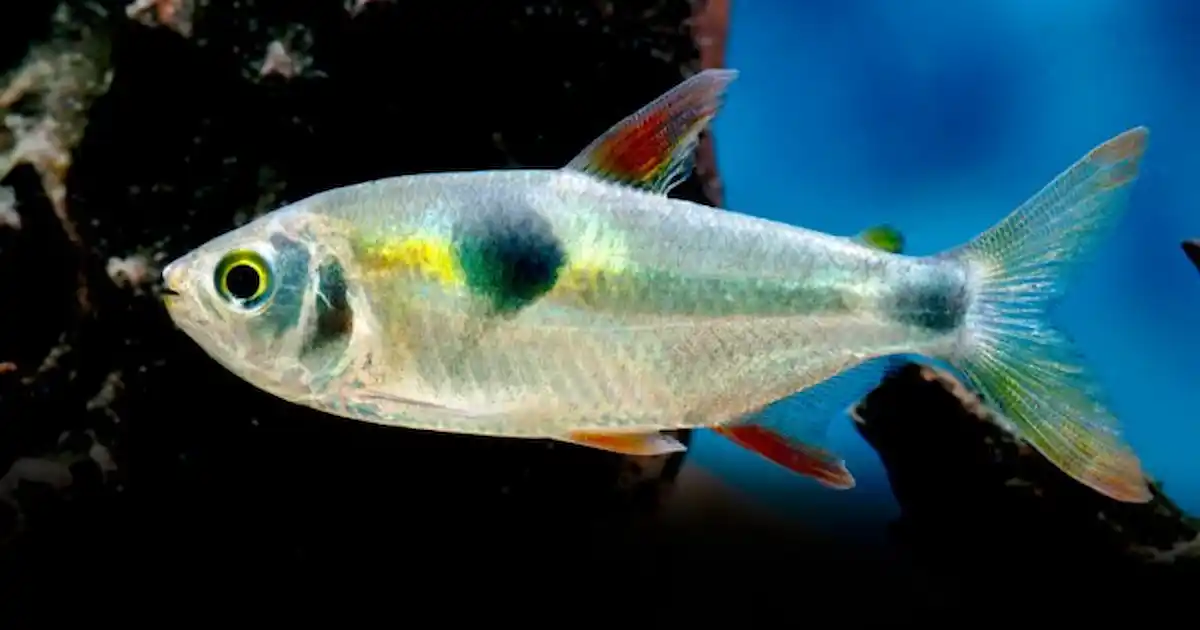
The Bucktooth Tetra has a slender body with silver scales. Its name comes from the sharp teeth that stick out slightly. These teeth help it eat small insects and plants.
It usually grows up to 3 inches long. Its fins are clear or lightly colored, and it has a small black spot near the tail. This spot helps identify the species easily.
Natural Habitat
The Bucktooth Tetra lives in slow-moving rivers and streams. It prefers waters with many plants and hiding spots. These areas protect it from predators and provide food.
This fish comes from South America, especially Brazil and Colombia. The water there is warm, soft, and slightly acidic, which suits the Bucktooth Tetra well.
Tank Setup
Setting up the tank for Bucktooth Tetras is important for their health and happiness. A good environment helps them swim freely and feel safe. Proper tank conditions also reduce stress and keep diseases away.
Below are key points to consider when preparing your aquarium for these lively fish.
Ideal Tank Size
Bucktooth Tetras need enough space to swim and grow. A tank of at least 20 gallons is best. This size allows a small group to live comfortably. Bigger tanks help keep water stable and clean. Small tanks can cause stress and health problems.
Water Conditions
Keep the water temperature between 72°F and 79°F. These fish prefer slightly acidic to neutral water. Aim for a pH of 6.0 to 7.5. Water hardness should be soft to medium. Regular water changes keep the water fresh and safe. Use a good filter to maintain water quality.
Decor And Plants
Decorate the tank with smooth rocks and driftwood. These create hiding spots and mimic their natural home. Live plants like Java fern and Anubias thrive well. Plants offer shelter and reduce stress. Avoid sharp decorations that can hurt the fish. Keep open swimming areas for active movement.
Diet And Feeding
The Bucktooth Tetra has a diet that suits its natural environment. Feeding them well keeps them healthy and active. Understanding their food needs helps you care for them better.
Preferred Foods
Bucktooth Tetras like a mix of foods. They eat small insects, worms, and flakes. Live or frozen foods like brine shrimp work well. Vegetables such as spinach or peas can be offered too. A varied diet keeps them strong and colorful.
Feeding Frequency
Feed Bucktooth Tetras two times a day. Small amounts prevent leftovers from polluting the tank. Young fish may need feeding more often. Watch their behavior to adjust feeding times. Avoid overfeeding to keep water clean.
Credit: www.tfhmagazine.com
Behavior And Temperament
The Bucktooth Tetra is a lively fish with a bold personality. Its behavior and temperament make it a popular choice for many aquarium lovers. Understanding how it acts helps keep a peaceful tank environment. This fish is active and curious, always exploring its surroundings.
It has a unique way of interacting with other fish. Watching them swim in groups is quite interesting. Their social habits affect how they live and thrive in aquariums.
Social Nature
Bucktooth Tetras are very social fish. They feel safe and happy in groups of six or more. Alone, they may become shy or stressed. They swim together in schools, moving as one. This group behavior helps them avoid danger. It also makes their colors look brighter and more vibrant.
They are playful and enjoy exploring with their friends. This lively nature adds energy to the tank. They like to stay near plants and decorations for cover. This keeps them calm and secure throughout the day.
Compatibility With Other Fish
Bucktooth Tetras get along well with many fish species. They do best with other peaceful, medium-sized fish. Avoid very small or slow fish, as Bucktooth Tetras may chase them. They can live with other tetras, barbs, and danios.
This fish has a mild temperament but can be a bit nippy. It may nip long fins of slow-moving fish. Keep an eye on tank mates to prevent stress or injury. A well-planned community tank helps everyone thrive.
Breeding Tips
Breeding Bucktooth Tetras can be a rewarding experience for aquarium enthusiasts. These fish have specific needs that must be met to encourage spawning and healthy fry development. Understanding their requirements helps ensure success in breeding and raising young fish.
Spawning Conditions
Bucktooth Tetras prefer soft, slightly acidic water for spawning. Keep the temperature around 78°F (25.5°C). Provide plenty of plants and hiding spots to mimic their natural environment. Dim lighting helps reduce stress during spawning. Use a separate breeding tank to protect eggs and parents. Change 20-30% of the water daily to maintain cleanliness. Remove adult fish after eggs are laid to avoid egg predation.
Caring For Fry
Fry hatch after about 24 to 36 hours. They are very small and need tiny food like infusoria or liquid fry food. Feed small amounts several times a day. Keep water clean and stable to avoid stress. Use a gentle filter or sponge filter to protect fry. Increase feeding size gradually as fry grow. Avoid sudden changes in water conditions or temperature.

Credit: lazoo.org
Common Health Issues
Bucktooth Tetras are hardy fish but can face health problems. Knowing common health issues helps keep them healthy and happy. Early detection is key to successful treatment.
Signs Of Illness
Watch for changes in behavior or appearance. Loss of appetite is a common sign. Look for faded colors or clamped fins. Strange swimming patterns may indicate illness. White spots or patches on the body signal infections. Gasping at the water surface can mean low oxygen or disease. Swollen or bloated bodies need immediate attention.
Preventive Care
Keep the tank clean and water parameters stable. Regular water changes reduce harmful bacteria. Avoid overcrowding to lower stress and disease risk. Feed a balanced diet to boost immunity. Quarantine new fish before adding to the tank. Monitor water temperature and pH levels closely. Good care prevents most common health issues.
Popular Varieties
Bucktooth Tetras come in several popular varieties. Each type has unique colors and features. These varieties are favorites among aquarium hobbyists. They add life and color to freshwater tanks. Understanding these types helps in choosing the right one for your tank.
Red Bucktooth Tetra
The Red Bucktooth Tetra is known for its bright red fins. Its body is silver with a slight shine. This variety is peaceful and active, perfect for community tanks. It prefers well-planted aquariums with moderate lighting.
Silver Bucktooth Tetra
Silver Bucktooth Tetras have a shiny, silver body. Their fins are mostly transparent with a hint of color. They are hardy and adapt well to different water conditions. This variety is ideal for beginners.
Albino Bucktooth Tetra
Albino Bucktooth Tetras have a pale white or pinkish body. Their eyes often appear red due to lack of pigment. They are less common but highly prized for their unique look. Albinos need gentle lighting and calm tank mates.
Golden Bucktooth Tetra
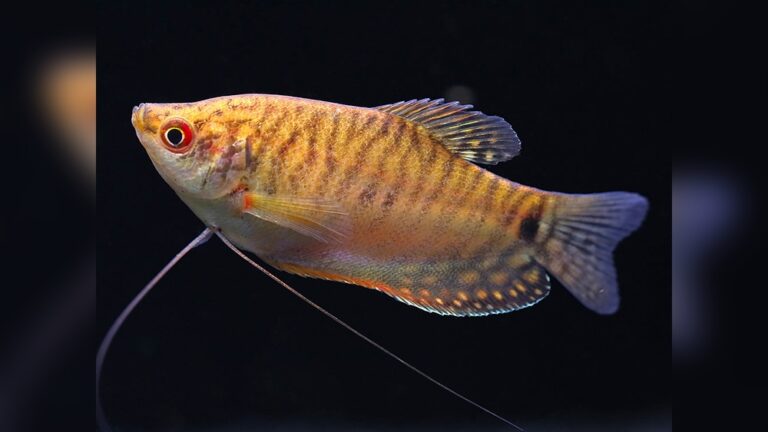
The Golden Bucktooth Tetra features a yellow-gold body color. It shines beautifully under aquarium lights. This variety is lively and enjoys swimming in groups. They thrive in a well-maintained tank with clean water.
Buying Guide
Choosing the right Bucktooth Tetra is important for a healthy aquarium. This buying guide helps you find the best fish for your tank. It covers where to buy and how much to expect to pay.
Where To Purchase
Pet stores often carry Bucktooth Tetras. Visit stores that specialize in tropical fish for better quality. Online shops offer a wide selection too. Buy from sellers with good reviews and clear return policies. Check local fish clubs or forums for trusted breeders. Always inspect fish before buying for signs of illness.
Price Range
Bucktooth Tetras usually cost between $3 and $8 each. Prices depend on size and color brightness. Bulk purchases sometimes get discounts. Avoid very cheap fish; they may be unhealthy. Budget for extra costs like shipping if buying online. Planning your budget helps avoid surprises.
Credit: www.practicalfishkeeping.co.uk
How Smart Pets Lover Can Help You with Bucktooth Tetra
Learning Through Caring for Your Bucktooth Tetra
Welcoming a Bucktooth Tetra into your home offers more than just the joy of watching its playful behavior—it opens up practical learning opportunities in aquarium care. Understanding their diet and feeding needs, for example, deepens your knowledge of balanced nutrition, which is vital for their vibrant health. Observing their social temperament also teaches patience and the nuances of fish behavior, helping you create a harmonious tank environment.
Setting up the perfect tank, as we’ve explored, encourages hands-on experience with water parameters and habitat design—skills that extend to caring for other aquatic pets. At Smart Pets Lover, we believe these moments foster a meaningful connection between pet parents and their fish, nurturing confidence and responsibility.
If questions arise or you seek further tips on maintaining a thriving Bucktooth Tetra, feel free to reach out to knowledgeable communities or trusted resources. After all, every wag, purr, and swim tells a story worth learning from.
Frequently Asked Questions
What Is A Bucktooth Tetra Fish?
Bucktooth Tetra is a small freshwater fish native to South America. It is known for its distinctive buck-like teeth and active behavior. This species thrives in community tanks and prefers slightly acidic, soft water conditions.
How To Care For Bucktooth Tetra?
Provide a tank with at least 20 gallons, soft acidic water, and a temperature between 72-79°F. Feed them a varied diet of flakes, pellets, and live foods. Regular water changes and a planted environment ensure their health.
Are Bucktooth Tetras Peaceful Community Fish?
Yes, Bucktooth Tetras are generally peaceful and social. They prefer to live in groups of six or more. They coexist well with other non-aggressive fish species of similar size.
What Do Bucktooth Tetras Eat?
Bucktooth Tetras are omnivores. Their diet includes flakes, pellets, and live or frozen foods like brine shrimp and bloodworms. A varied diet keeps them healthy and vibrant.
Conclusion
Bucktooth Tetras are small but full of charm. They thrive in peaceful community tanks with proper care. Their unique teeth and lively behavior make them fun to watch. Keep water clean and temperature steady for best health. Feeding them varied food helps them stay active and bright.
These fish suit both beginners and hobbyists. Enjoy the calm and color they bring to your aquarium. A simple setup with attention to detail ensures happy Bucktooth Tetras. Try adding them to your tank for a lively touch.