Aquarium Catfish
If you’re looking to add some life and personality to your aquarium, aquarium catfish might be just what you need. These fascinating fish are not only great at keeping your tank clean but also bring a unique charm that’s hard to resist.
Whether you’re a beginner or an experienced fish keeper, understanding how to care for aquarium catfish can make all the difference in creating a healthy, vibrant underwater world. Ready to discover which catfish will fit perfectly in your tank and how to keep them happy?
Let’s dive in!

Credit: www.aquariumcoop.com
Types Of Aquarium Catfish
Aquarium catfish come in many types. Each type has unique traits and needs. Understanding these types helps in choosing the right catfish for your tank. Some catfish are peaceful, while others are very active. Some stay at the bottom, and others swim all over. Let’s explore the main types of aquarium catfish.
Popular Species
Popular aquarium catfish include Corydoras, Plecos, and Otocinclus. Corydoras are small, peaceful, and good for community tanks. Plecos are larger and known for their strong bodies. Otocinclus catfish are tiny and very gentle. These species are common because they adapt well to tanks.
Bottom Dwellers
Bottom dwellers live near the tank floor. They help keep the tank clean by eating leftover food. Examples include Corydoras, Kuhli loaches, and many Plecos. These catfish prefer hiding spots and soft substrates. They are active mostly at night or in dim light.
Algae Eaters
Algae-eating catfish control algae growth in tanks. The Bristlenose Pleco and Siamese algae eater are great choices. They eat various algae types, helping keep the tank clean. These fish are good for freshwater tanks with moderate algae problems. They are peaceful and get along with other fish.
Colorful Varieties
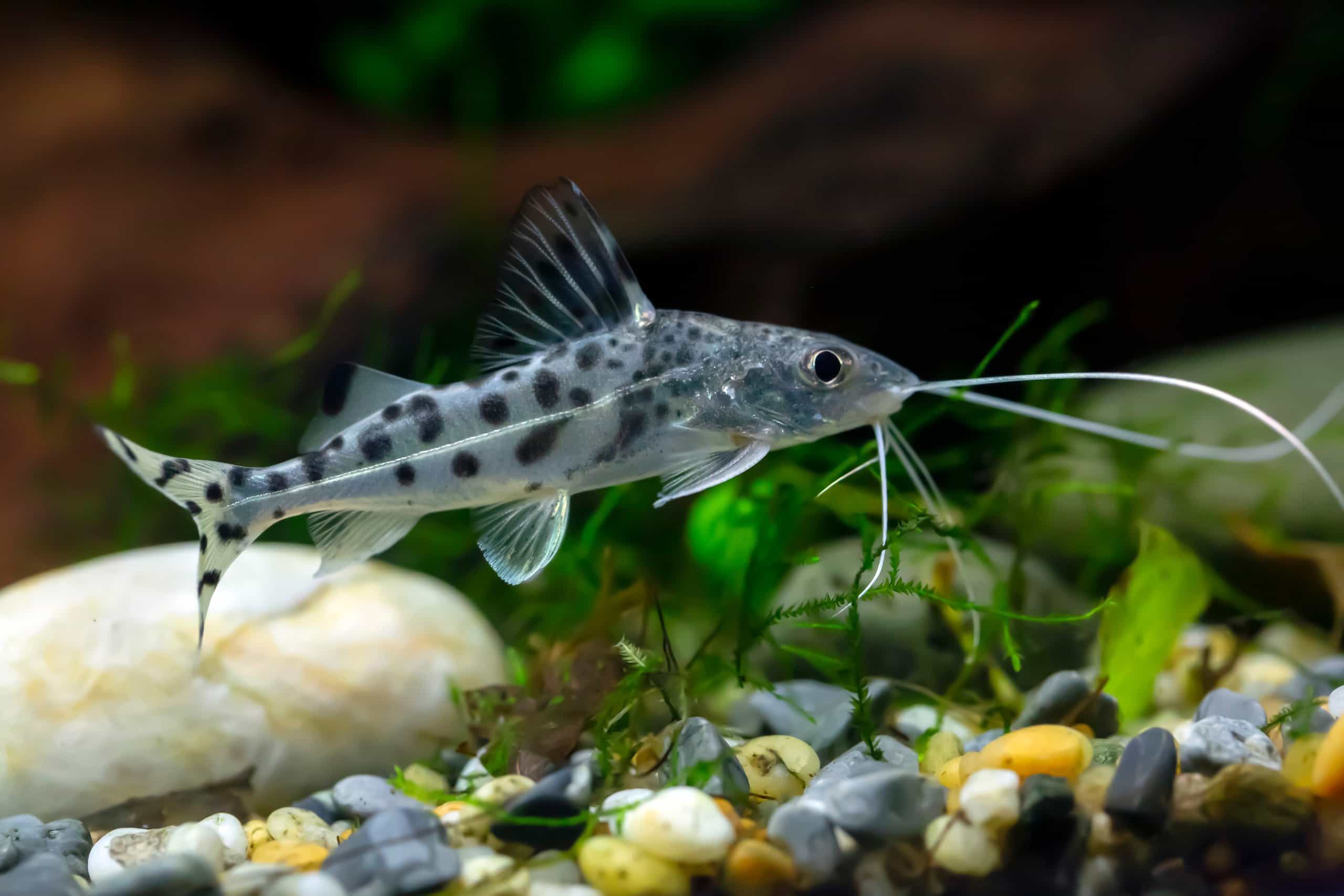
Some catfish have bright colors and patterns. The Zebra Pleco has striking stripes. The Peppered Corydoras show spots and a unique look. These colorful fish add beauty and interest to any tank. They also show different behaviors than plain catfish.
Choosing The Right Catfish
Choosing the right catfish for your aquarium can make a big difference. Catfish come in many types, sizes, and temperaments. Picking one that fits your tank and lifestyle ensures a happy, healthy fish. Consider several factors before buying to avoid problems later.
Tank Size Considerations
Catfish vary greatly in size. Some species stay small, under 4 inches. Others grow quite large, over a foot long. Small tanks suit small catfish like Corydoras. Large species like Plecos need bigger tanks. Always check the adult size of the catfish. Provide enough space for swimming and hiding.
Compatibility With Other Fish
Catfish usually get along with many fish types. Some species are peaceful, while others can be territorial. Avoid aggressive fish that may harm your catfish. Choose tank mates with similar water needs and temperaments. Watch out for fish that nip fins or fight. A calm community tank is best for most catfish.
Water Parameters
Catfish need clean, well-oxygenated water. Most prefer slightly acidic to neutral pH levels. Temperatures between 72°F and 78°F suit many species. Some catfish tolerate cooler or warmer water. Research your catfish’s preferred water conditions. Use a good filter and do regular water changes. Stable water quality keeps your catfish healthy.
Feeding Needs
Catfish eat a variety of foods. Many enjoy sinking pellets or wafers made for bottom feeders. Some like live or frozen foods such as bloodworms or brine shrimp. Vegetables like zucchini or cucumber also work for some species. Feed small amounts twice daily. Remove uneaten food to keep the tank clean.
Setting Up The Aquarium
Setting up the aquarium for catfish needs some careful planning. Catfish like a clean and comfortable home. This section helps you create the best environment for your fish. Follow these simple tips to set up a perfect tank.
Substrate And Decorations
Choose soft and smooth substrate like sand or fine gravel. Catfish often dig and rest on the bottom. Rough surfaces can hurt their sensitive barbels. Add hiding spots with driftwood, caves, or plants. These decorations give shelter and reduce stress. Keep the layout simple and open for swimming.
Filtration And Aeration
Use a good filter to keep water clean and clear. Catfish produce waste that can pollute the tank. A filter removes harmful chemicals and debris. Aeration helps add oxygen to the water. Use an air pump or bubbler for steady airflow. Clean water and oxygen help catfish stay healthy.
Lighting Requirements
Catfish prefer dim or low light conditions. Bright lights can make them hide more. Use adjustable or soft lighting to mimic natural habitats. Keep the light on for about 8 to 10 hours daily. This schedule supports fish activity and plant growth. Avoid sudden changes in light intensity.
Feeding Aquarium Catfish
Feeding aquarium catfish is key to their health and happiness. These fish have unique diets that keep them active and vibrant. Understanding their food needs helps you care for them better.
Types Of Food
Aquarium catfish enjoy a variety of foods. Most eat sinking pellets or wafers made for bottom feeders. They also like live or frozen foods such as bloodworms, brine shrimp, and daphnia. Vegetables like zucchini or cucumber can be a good treat. Some catfish eat algae, so algae wafers are useful too.
Feeding Frequency
Feed catfish once or twice daily. Small amounts each time prevent leftover food. Overfeeding causes water pollution and health problems. Watch their eating habits to adjust feeding times. Young catfish may need more frequent feedings than adults.
Special Dietary Needs
Some catfish have special diets. For example, plecos need more plant-based foods. Some species require higher protein for growth. Check your catfish species to meet their needs. Avoid foods that float as catfish feed at the bottom.
Health And Disease
Keeping aquarium catfish healthy requires good care and attention. These fish can face diseases like other pets. Knowing about their health helps you spot problems fast. Early action can save your fish and keep your tank clean and lively.
Common Illnesses
Catfish often get fungal infections on their skin. White spots or patches may appear on their body. Bacterial infections cause redness and sores. Parasites can make fish scratch against objects. Swim bladder disease affects their balance and swimming. Watch for signs like slow movement or loss of appetite.
Preventive Measures
Keep the water clean by changing it regularly. Use a good filter to remove waste and toxins. Avoid overcrowding the tank to reduce stress and illness. Feed a balanced diet to boost immunity. Quarantine new fish before adding them to the main tank. Check water temperature and pH often to keep it stable.
Treatment Options
Remove sick fish to a separate tank for treatment. Use medicines designed for fungal or bacterial infections. Parasite treatments often come in liquid or powder form. Follow the instructions carefully to avoid harming fish. Keep the water clean during treatment to help healing. Consult a vet if the fish do not improve.
:strip_icc()/GettyImages-178772092-1bccd2653e4d41c28fac803f3388ac00.jpg)
Credit: www.thesprucepets.com
Breeding Aquarium Catfish
Breeding aquarium catfish can be a rewarding experience for fish keepers. These fish have unique habits and needs during breeding. Understanding their requirements helps increase the chance of success. Patience and careful observation are key. Each species may have different preferences for breeding. Knowing these details makes a big difference.
Breeding Conditions
Catfish need clean water with stable temperature. Most species prefer slightly acidic to neutral pH levels. Provide hiding spots using plants or caves. Light should be dim to mimic natural environments. Feeding them high-quality food boosts their health. Increase water changes before breeding to improve water quality. Avoid sudden changes in tank conditions to reduce stress.
Spawning Behavior
Catfish often show clear signs before spawning. Males may become more colorful or active. They usually guard the eggs and young fry. Some species build nests in caves or on flat surfaces. Spawning can last several hours or days. Watch for eggs attached to surfaces or hidden in crevices. Avoid disturbing the fish during this time.
Raising Fry
Once eggs hatch, fry need gentle care. Feed them tiny foods like infusoria or baby brine shrimp. Keep water clean but avoid strong currents. Separate fry from adult fish to prevent eating. Regular water changes help fry grow healthy. Watch their growth and remove any sick fry quickly. Patience helps fry develop into strong adults.
Credit: a-z-animals.com
How Smart Pets Lover Can Help You with Aquarium Catfish
Learning Through the Lens of Aquarium Catfish Care
Taking care of aquarium catfish offers more than just a vibrant addition to your home; it’s a wonderful chance to deepen your understanding of aquatic life and responsible pet ownership. As you explore the diverse types of aquarium catfish, you’ll notice how each species has unique needs, encouraging you to research and adapt your setup thoughtfully.
Setting up the aquarium correctly is another practical learning step—it’s about creating a balanced, healthy environment that mirrors natural habitats, which in turn supports your catfish’s wellbeing. Feeding them appropriately and recognizing early signs of health issues become hands-on lessons in attentive care and observation.
- Observe behavioral patterns and tank dynamics.
- Learn how water parameters affect fish health.
- Gain insight into breeding habits and lifecycle.
At Smart Pets Lover, we believe every pet parent’s journey is filled with stories of growth and connection. If you ever feel unsure, don’t hesitate to reach out to knowledgeable communities or resources dedicated to fish care. These experiences enrich your bond with your aquatic companions and make your pet care journey truly rewarding.
Frequently Asked Questions
What Are The Best Aquarium Catfish For Beginners?
Corydoras and Otocinclus catfish are great for beginners. They are peaceful, easy to care for, and help clean algae. These species adapt well to community tanks and require minimal maintenance, making them ideal for new aquarium hobbyists.
How Do Aquarium Catfish Help Maintain Tank Cleanliness?
Aquarium catfish eat algae, leftover food, and debris. They scavenge the bottom, reducing waste buildup. This natural cleaning helps keep the tank environment healthy and balanced for all aquatic life.
What Tank Size Is Suitable For Most Aquarium Catfish?
A 20-gallon tank is suitable for many aquarium catfish species. Some larger species may need more space. Always research specific catfish species requirements to ensure proper tank size and environment.
Are Aquarium Catfish Compatible With Other Fish Species?
Yes, most aquarium catfish are peaceful and compatible with community fish. Avoid aggressive or large predatory species to ensure harmony. Proper tank mates help maintain a balanced and stress-free aquarium.
Conclusion
Aquarium catfish add life and color to any tank. They help keep the tank clean by eating leftover food and algae. Many types of catfish are easy to care for and peaceful with other fish. Choosing the right catfish depends on your tank size and water conditions.
Enjoy watching their unique behavior and patterns. They make great pets for beginners and experts alike. Keep learning about their needs to ensure they stay healthy. A happy catfish means a happy aquarium.