Yellow Lab Cichlid
If you’re looking to add a splash of vibrant color and lively personality to your aquarium, the Yellow Lab Cichlid might be just what you need. This bright, cheerful fish isn’t just easy on the eyes—it’s also known for being hardy and full of energy.
But before you bring one home, there are important things you should know to keep your Yellow Lab happy and healthy. Keep reading to discover everything you need to care for this stunning fish and make your tank truly stand out.
Yellow Lab Cichlid Traits
The Yellow Lab Cichlid is a popular fish in home aquariums. Its bright color and active nature attract many fish lovers. This fish comes from Lake Malawi in Africa. It has unique traits that make it special and easy to care for.
Learning about its traits helps you understand how to keep it happy and healthy. These traits include its look, size, lifespan, and behavior. Each one plays a key role in the fish’s care.
Physical Appearance
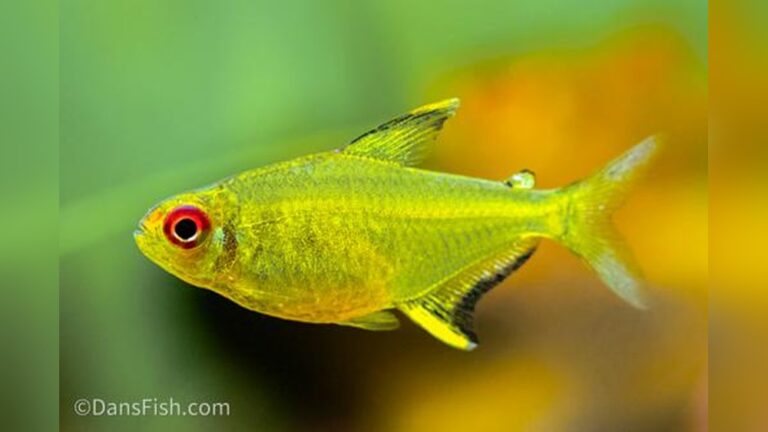
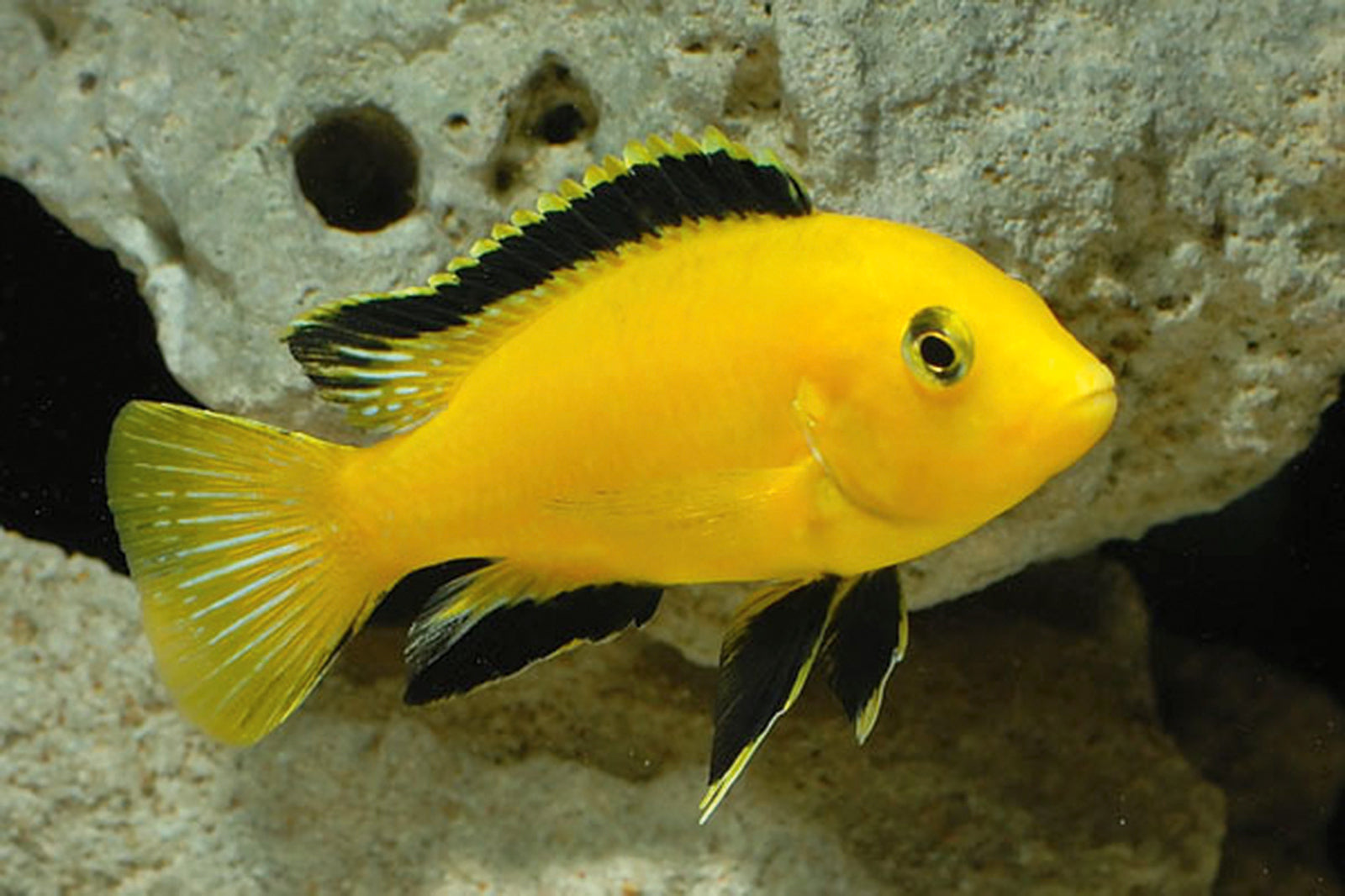
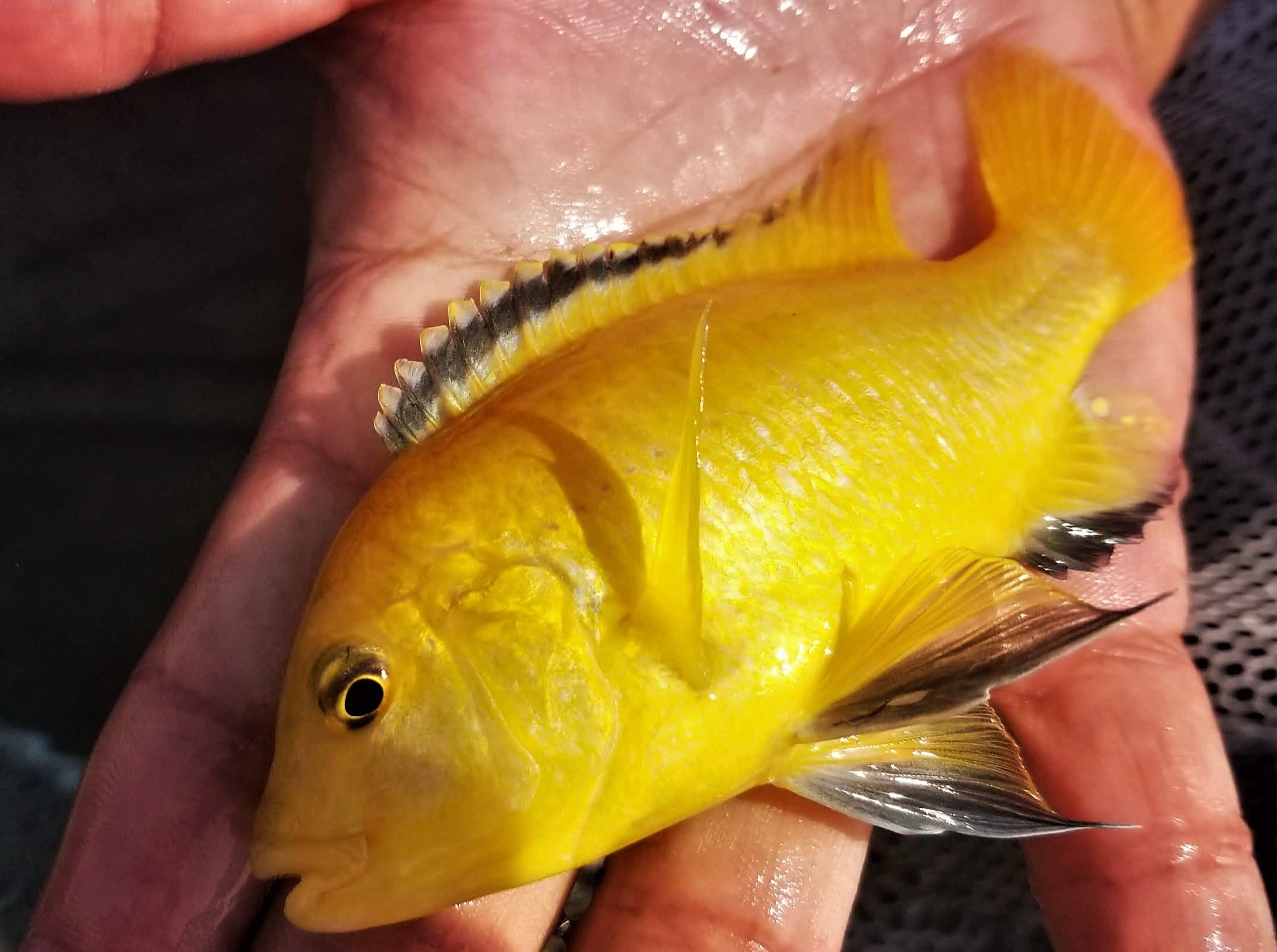
The Yellow Lab Cichlid has a bright yellow body. Its color ranges from light lemon to deep gold. Black eyes and small fins add to its charm. The body shape is slim and oval, perfect for swimming fast. Some Yellow Labs have faint vertical stripes. These stripes give them a wild look.
Size And Lifespan
This fish grows about 4 to 5 inches long. In a good tank, it can live up to 8 years. Proper food and clean water help it stay healthy. Size and lifespan may vary with tank conditions. Regular care extends the Yellow Lab’s life.
Temperament
The Yellow Lab Cichlid is peaceful but can be territorial. It likes to explore its space and hide in rocks. It usually gets along with other fish of similar size. Avoid placing it with very aggressive fish. The Yellow Lab is active and curious most of the time.
Credit: freshwateraquatica.org
Habitat And Origin
The Yellow Lab Cichlid is a vibrant fish loved by many aquarium hobbyists. Understanding its habitat and origin helps in caring for it properly. This fish has unique needs based on where it naturally lives.
Knowing its natural environment and geographic range gives insight into its behavior and diet. This knowledge improves the fish’s well-being in home tanks.
Natural Environment
The Yellow Lab Cichlid lives in freshwater lakes. It prefers rocky areas with many hiding spots. These rocks protect it from predators and provide places to lay eggs. The water is usually warm and clear. Plants and algae grow around the rocks, offering food and shelter. This fish enjoys swimming in moderate water currents. It avoids muddy or heavily polluted waters. The natural environment shapes its bright yellow color and peaceful temperament.
Geographic Range
This cichlid is native to Lake Malawi in Africa. Lake Malawi is one of the largest freshwater lakes in the world. It is famous for its rich fish diversity. The Yellow Lab is found mostly along the eastern shores. It thrives in areas with rocky reefs and sandy bottoms. These locations provide the perfect mix of food and shelter. The lake’s stable temperature and clean water are ideal for this species. Fish from this lake often adapt well to aquarium life due to their hardy nature.
Tank Setup
Setting up a tank for Yellow Lab Cichlids creates a healthy home. A good tank setup helps fish feel safe and active. It mimics their natural environment well. This setup also supports their bright yellow color and lively behavior.
Different parts of the tank setup matter. Size, water quality, and decorations all play a role. Each factor helps keep the fish happy and healthy.
Tank Size Recommendations
Yellow Lab Cichlids need space to swim and explore. A tank of at least 30 gallons suits one or two fish. For more fish, 55 gallons or larger works better. Bigger tanks reduce stress and aggression. They also help maintain water quality easily.
Water Parameters
Keep water temperature between 74°F and 82°F. pH should stay in the range of 7.8 to 8.6. Hard water with 10-20 dGH suits Yellow Labs well. Clean water promotes strong immune systems. Regular water changes and good filtration are necessary.
Decor And Substrate
Use sand or fine gravel as substrate for digging. Rocks and caves create hiding spots and territories. Live plants may not last long due to digging. Choose sturdy plants or artificial ones instead. Open swimming areas mixed with hiding places keep fish active and calm.

Credit: fantaseaaquariums.com
Diet And Feeding
The Yellow Lab Cichlid has a simple diet that supports its bright colors and active nature. Feeding this fish the right food helps it stay healthy and lively. Understanding what to feed and how often keeps your Yellow Lab happy.
Recommended Foods
Give Yellow Lab Cichlids high-quality flakes or pellets made for cichlids. They enjoy foods rich in protein like brine shrimp and bloodworms. Include some vegetable matter such as spirulina or blanched spinach. This mix supports their digestion and vibrant color.
Feeding Frequency
Feed your Yellow Lab two to three times each day. Offer only what they can eat in two to three minutes. Overfeeding causes water problems and health issues. Regular small meals keep them energetic and prevent waste buildup.
Behavior And Social Needs
The Yellow Lab Cichlid is a lively and social fish. Understanding its behavior helps in creating a healthy tank environment. These fish enjoy interacting with others but need space to feel safe. Their social needs shape how they live and thrive in captivity.
Compatibility With Other Fish
Yellow Lab Cichlids usually get along with many fish types. They prefer tank mates that are calm and not too small. Avoid mixing them with very aggressive or tiny fish. Fish of similar size and temperament work best. Keep their environment peaceful to reduce stress.
Territoriality
Yellow Labs can be territorial, especially males. They like to claim spaces and defend them. Provide plenty of hiding spots and rocks to break sight lines. This helps reduce fights and stress. Watch for signs of aggression and separate if needed.
Breeding Yellow Labs
Breeding Yellow Lab cichlids can be a rewarding experience for aquarium hobbyists. These fish are known for their vibrant yellow color and active behavior. Breeding them requires attention to their environment and care during the early stages of life.
Understanding their needs helps increase the chances of successful breeding. Setting up the right conditions and knowing how to raise the fry are key steps.
Breeding Conditions
Yellow Labs prefer clean water with a temperature between 76°F and 82°F. Keep the pH level slightly alkaline, around 7.8 to 8.6. Provide plenty of hiding spots using rocks or caves. These fish like to lay eggs on flat surfaces like rocks. Use a tank of at least 30 gallons for breeding pairs. Feed the parents high-quality food to boost health and fertility.
Raising Fry
Once eggs hatch, parents often guard their fry carefully. It is best to leave them in the main tank. Feed the fry small, frequent meals of finely crushed flakes or baby brine shrimp. Change water regularly but gently to avoid stress. Keep light moderate to encourage feeding but avoid strong brightness. Fry grow fast with proper care and clean water. Remove any aggressive tank mates to protect the young fish.
Common Health Issues
Yellow Lab Cichlids are generally hardy fish, but they can face health problems. Knowing common health issues helps keep them healthy. Early detection is key to successful treatment. Watch your fish closely for any signs of illness.
Diseases To Watch For
Ich, also called white spot disease, is common in Yellow Labs. Tiny white spots appear on the body and fins. It causes itching and stress for the fish. Fin rot is another problem. It makes fins look ragged and torn. Swim bladder disease affects swimming and balance. Fish may float oddly or sink to the bottom. Hole-in-the-head disease causes small pits on the head. It is linked to poor water quality and diet.
Prevention Tips
Keep water clean with regular changes. Test water parameters often to avoid harmful levels. Feed a balanced diet with quality flakes or pellets. Avoid overfeeding, as leftover food spoils water. Quarantine new fish before adding them to the tank. Maintain stable temperature suited for Yellow Labs. Remove sick fish quickly to stop disease spread. Use aquarium salt or medication as needed under guidance.
Credit: snakerivercichlids.com
Tips For First-time Owners
Starting with Yellow Lab Cichlids can be exciting and rewarding. These fish are bright, active, and fun to watch. Yet, they need care that fits their nature. New owners must learn some basics to keep them healthy and happy.
Understanding the right environment and daily care helps avoid common problems. This guide shares simple tips for first-time Yellow Lab Cichlid owners. Follow these steps to create a thriving tank for your fish.
Mistakes To Avoid
Avoid overcrowding the tank. Yellow Labs need space to swim and hide. Too many fish cause stress and illness. Avoid mixing with very aggressive or small fish. Yellow Labs can be territorial but not overly aggressive. Use proper tank size, at least 30 gallons for one fish. Avoid sudden water changes; they shock your fish. Keep the temperature stable around 76-82°F.
Maintenance Routines
Regular cleaning keeps the tank safe and clear. Change 20-25% of the water weekly. Use a gravel vacuum to remove waste and uneaten food. Test water parameters twice a week to track pH and ammonia levels. Feed small amounts twice a day with quality cichlid pellets. Remove leftover food to prevent pollution. Monitor fish behavior daily to spot early signs of illness. Keep filters clean but avoid full replacement at once. Consistent care builds a healthy environment.
How Smart Pets Lover Can Help You with Yellow Lab Cichlid
Learning Through Caring for Your Yellow Lab Cichlid
Welcoming a Yellow Lab Cichlid into your home is not just about admiring its vibrant colors—it’s a hands-on opportunity to deepen your understanding of aquatic life. Observing their behavior and social needs offers valuable lessons in fish communication and community dynamics. Setting up the perfect tank, based on their natural habitat and origin, teaches patience and attention to detail, crucial skills for any pet parent.
Feeding routines and diet management provide a practical way to explore nutritional balance and responsibility. As you navigate common health issues, you’ll develop a sharper eye for early signs of illness, reinforcing the importance of proactive care.
- Understand the nuances of tank setup to mimic their natural environment.
- Learn to recognize and support social behaviors within your aquatic community.
- Gain confidence in managing diet and health, building a strong bond with your fish.
At Smart Pets Lover, we believe every interaction with your pet enriches your journey as a caring owner. For further guidance on Yellow Lab Cichlids or other pet care questions, feel free to reach out to our team—because where every wag, purr, and chirp tells a story, your curiosity and care make all the difference.
Frequently Asked Questions
What Is A Yellow Lab Cichlid?
The Yellow Lab Cichlid is a vibrant freshwater fish native to Lake Malawi. It’s known for its bright yellow color and peaceful nature. It’s popular in home aquariums due to its easy care and compatibility with other fish.
How Big Do Yellow Lab Cichlids Grow?
Yellow Lab Cichlids typically grow to about 4 to 5 inches in length. They reach full size within one year. Their moderate size makes them suitable for medium to large aquariums.
What Tank Conditions Suit Yellow Lab Cichlids?
Yellow Labs thrive in tanks with a pH of 7. 8-8. 6 and temperatures between 74-82°F. They prefer rocky setups with plenty of hiding spots. Clean, well-filtered water is essential for their health.
What Do Yellow Lab Cichlids Eat?
Yellow Lab Cichlids are omnivores. They enjoy a diet of high-quality flakes, pellets, and occasional live or frozen foods. A balanced diet enhances their color and vitality.
Conclusion
Yellow Lab Cichlids are bright, lively fish perfect for many aquariums. They adapt well to different tank mates and environments. Their friendly nature makes them great for beginners. Feeding them is simple with common fish food. Keep the water clean to help them stay healthy.
Watching their colors and behavior brings joy to fish lovers. A Yellow Lab Cichlid can add life and color to your tank. Simple care leads to happy, active fish. Give them a good home, and they will thrive.