Banjo Catfish
If you’re looking for a unique and fascinating addition to your aquarium, the Banjo Catfish might be exactly what you need. This little fish isn’t just a pet—it’s a conversation starter.
With its unusual shape and mysterious behavior, the Banjo Catfish can capture your attention like no other. You’ll discover everything about caring for this intriguing creature, from its habitat needs to feeding tips. Get ready to learn how to make your aquarium stand out and keep your Banjo Catfish happy and healthy.
Keep reading, because your next favorite fish is waiting.
Credit: azgardens.com
Banjo Catfish Traits
The Banjo Catfish is a unique species that fascinates many fish enthusiasts. It has interesting traits that make it stand out in the aquarium world. Understanding these traits helps in caring for them properly.
These catfish have special physical features, distinct behavior, and clear habitat preferences. Each trait plays a role in their survival and well-being.
Physical Features
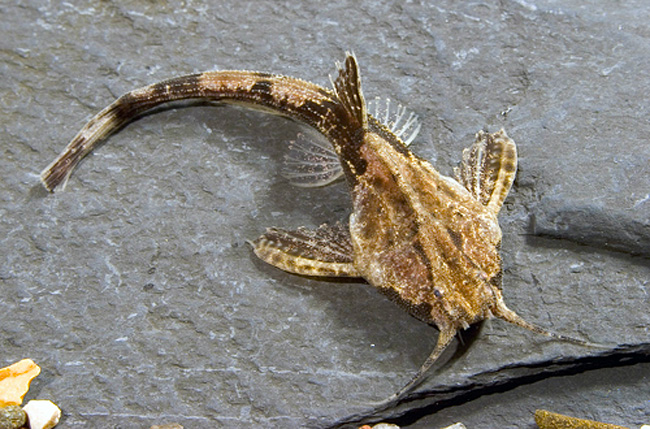
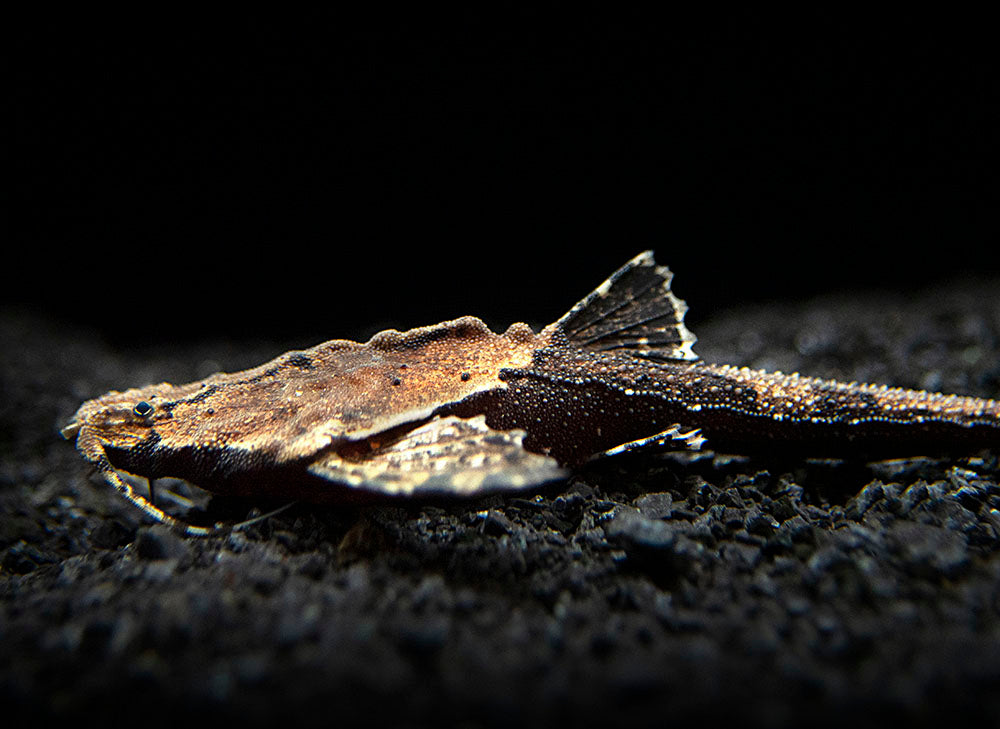
Banjo Catfish have a flat, elongated body shaped like a banjo. Their skin is smooth and lacks scales. They often show a mottled pattern of browns and blacks. Their wide, flat head helps them stay hidden on the tank floor. Small eyes sit on top of their heads, aiding in spotting movement. Their barbels act like whiskers, sensing food and surroundings.
Behavior Patterns
Banjo Catfish are mostly nocturnal, active during the night. They prefer to stay hidden in the substrate or under decorations. These fish are shy and avoid bright light. They move slowly and use their barbels to find food. Banjo Catfish are peaceful and do well with other calm fish. They rarely swim in open water, staying close to the bottom.
Habitat Preferences
Banjo Catfish thrive in soft, sandy or muddy bottoms. They need plenty of hiding places like plants, rocks, or driftwood. A dimly lit tank suits their shy nature. They prefer warm water with gentle currents. Stable water conditions keep them healthy. These fish come from slow-moving rivers and streams in South America.
Species Varieties
Banjo Catfish are fascinating creatures loved by many aquarium enthusiasts. They belong to a unique group with several species varieties. Each type has its own look and behavior. Understanding these varieties helps hobbyists choose the right fish for their tank.
Popular Types
There are several popular Banjo Catfish species. The Bunocephalus coracoideus is the most common. It has a flat body and a wide head, resembling a banjo shape. Another popular species is the Bunocephalus doriae. It is smaller and has a more rounded head. Each species offers a different appearance and temperament.
Size Differences
Banjo Catfish vary in size depending on the species. The largest can grow up to 6 inches long. Smaller types stay around 3 inches. Size affects tank requirements and care. Knowing the size helps set up a suitable home for the fish.
Color Variations
These catfish show many color variations. Common colors include brown, tan, and gray. Some have spots or stripes for camouflage. Color patterns help them blend into their environment. This makes them interesting and unique pets for aquariums.
Tank Setup Tips
Setting up a tank for Banjo Catfish needs careful planning. These fish have special needs. A proper tank helps them stay healthy and active. Small mistakes can stress the fish. Follow these tips to create a safe home for your Banjo Catfish.
Tank setup is simple with the right information. Focus on size, substrate, and water conditions. These three factors matter most for your fish’s comfort.
Ideal Aquarium Size
Banjo Catfish grow up to 6 inches long. A tank of at least 20 gallons is best. This size gives enough space for swimming. More space means less stress and better health. A longer tank is better than a tall one. They like to explore the bottom area.
Substrate Choices
Soft substrate is best for Banjo Catfish. Sand or fine gravel works well. Rough or sharp substrate can hurt their delicate bodies. They spend much time burrowing, so smooth substrate protects them. Keep the substrate clean to avoid health problems.
Water Conditions
Banjo Catfish prefer warm water around 75-82°F (24-28°C). The pH should be neutral to slightly acidic, between 6.5 and 7.5. Keep water soft to medium hardness. Regular water changes keep the tank fresh. Use a gentle filter to avoid strong currents. Stable water conditions help Banjo Catfish thrive.
Credit: aquaticarts.com
Feeding Habits
The feeding habits of Banjo Catfish show their unique nature. These fish prefer bottom feeding in their tanks or natural habitat. They search for food by digging through the substrate with their mouths. This behavior helps them find small insects, larvae, and other food particles. Understanding their feeding habits helps keep them healthy and happy in captivity.
Banjo Catfish are not picky eaters. They accept a variety of food types. Their diet should be balanced to support their growth and activity. Observing their feeding routine helps identify any health issues early.
Diet Options
Banjo Catfish eat live and frozen foods easily. Bloodworms, brine shrimp, and daphnia are good choices. Sinking pellets and wafers also work well. These fish like protein-rich food. Avoid overfeeding with dry flakes. Fresh vegetables like zucchini or cucumber can be offered occasionally.
Feeding Frequency
Feed Banjo Catfish once or twice daily. Young fish need more frequent feeding. Adults do well with one meal per day. Remove any leftover food to prevent water pollution. Keep a regular feeding schedule for best health.
Special Nutritional Needs
Banjo Catfish need high protein for muscle growth. They also require some fiber for digestion. Avoid fatty foods that cause health problems. Vitamins and minerals help maintain their color and immune system. A varied diet covers all nutritional needs well.
Health And Care
Banjo Catfish are hardy fish but need proper care to stay healthy. Good health depends on clean water, proper diet, and stress control. Understanding common diseases helps to spot problems early. Taking steps to prevent illness keeps your fish active and happy.
Common Diseases
Banjo Catfish can get fin rot, ich, and bacterial infections. Fin rot causes ragged fins and discoloration. Ich shows as white spots on the body and fins. Bacterial infections lead to sores or swelling. Early signs include loss of appetite and sluggishness. Prompt treatment helps avoid serious damage.
Preventative Measures
Keep the tank clean by changing water weekly. Use a good filter to remove waste. Feed a balanced diet with sinking pellets and live food. Avoid overfeeding to prevent water pollution. Quarantine new fish for two weeks before adding them. Regularly check water temperature and pH for stability.
Stress Reduction
Stress weakens the immune system and leads to illness. Provide hiding spots with plants or decorations. Maintain a calm environment with low noise and light. Avoid sudden changes in water conditions. Handle the fish gently during tank cleaning or moves. A relaxed Banjo Catfish stays healthier and lives longer.

Credit: www.aqua-imports.com
Breeding Insights
Breeding Banjo Catfish can be rewarding but requires care and attention. Understanding their natural habits helps create the right environment. This section shares key insights on breeding these unique fish successfully.
Knowing their spawning behavior, how to care for eggs, and raising fry increases the chances of success. Each step plays a vital role in the process.
Spawning Behavior
Banjo Catfish spawn in soft, sandy substrates. They prefer dim lighting and calm water during spawning. Males become more active and may chase females gently. Spawning often occurs at night or early morning. They lay small, sticky eggs that attach to surfaces. Creating a quiet, stable tank helps trigger spawning activity.
Egg Care
Eggs require clean, well-oxygenated water. Remove adults after spawning to protect eggs. Use a gentle air stone to keep water moving. Avoid strong currents that can damage eggs. Eggs hatch in about 3 to 5 days. Watch for fungus and remove affected eggs quickly to prevent spread.
Raising Fry
Newly hatched fry are very small and delicate. Feed them infusoria or liquid fry food at first. Gradually introduce baby brine shrimp as they grow. Keep water quality high with regular changes. Provide hiding spots and soft plants for shelter. Fry grow slowly and need patience and steady care.
Compatibility Guide
Banjo Catfish are peaceful bottom dwellers that fit well in many community tanks. Understanding their compatibility helps create a healthy aquarium. This guide explains how to choose tankmates, manage aggression, and set up a balanced community.
Suitable Tankmates
Banjo Catfish do well with small, gentle fish. Good choices include tetras, rasboras, and Corydoras. Avoid large or aggressive species that may stress them. Keep tankmates that occupy different water levels for harmony.
Aggression Management
Banjo Catfish are mostly peaceful but may show mild aggression. Provide plenty of hiding spots to reduce stress. Avoid overcrowding to lower territorial disputes. Observe fish behavior regularly and separate if needed.
Community Setup
Create a calm environment with soft substrate and plants. Use dim lighting to mimic their natural habitat. Keep water parameters stable for all fish. Balance the number of bottom, middle, and top swimmers for a peaceful tank.
How Smart Pets Lover Can Help You with Banjo Catfish
Learning Through the Lens of Your Banjo Catfish Journey
Welcoming a Banjo Catfish into your aquatic family is more than just setting up a tank—it’s an ongoing learning adventure. As you observe their unique traits and feeding habits, you get a firsthand lesson in aquatic behavior and ecosystem balance. Understanding their health and care needs deepens your empathy and sharpens your skills as a responsible pet parent.
For those eager to expand their knowledge, tracking different species varieties and experimenting with tank setups can reveal fascinating insights about environmental preferences and compatibility. This practical, hands-on learning complements the warm, supportive community ethos that Smart Pets Lover champions—helping you feel confident and connected every step of the way.
- Keep a journal of your Banjo Catfish’s behavior and tank conditions.
- Explore reputable resources or reach out to pet care experts for tailored advice.
- Engage with fellow enthusiasts to share experiences and tips.
If questions arise, don’t hesitate to contact knowledgeable pet communities or local aquatic specialists—being informed leads to happier, healthier pets. After all, every wag, purr, and swim tells a story worth learning from.
Frequently Asked Questions
What Is A Banjo Catfish?
A Banjo Catfish is a small, bottom-dwelling freshwater fish with a flat, banjo-shaped body. It is popular in aquariums for its unique shape and peaceful nature.
How Do Banjo Catfish Behave In Aquariums?
Banjo Catfish are nocturnal and shy. They hide during the day and become active at night, preferring a calm tank with hiding spots.
What Do Banjo Catfish Eat?
Banjo Catfish are omnivores. They eat small insects, worms, and sinking pellets. A varied diet ensures their health and vitality.
How To Care For Banjo Catfish?
Provide a soft substrate, low lighting, and plenty of hiding places. Keep water clean and stable with temperatures between 75-82°F.
Conclusion
Banjo catfish are unique and interesting fish to keep. They have special shapes and quiet behavior that many enjoy. These fish like soft places to hide and clean water to live in. Feeding them is simple with the right food.
Watching banjo catfish can be relaxing and fun. They bring life to any freshwater tank. Give them a good home, and they will stay healthy. A little care goes a long way with these fish. They are a great choice for new and experienced fishkeepers alike.