What Makes The Perfect Cichlid Tank
Are you ready to create the perfect home for your colorful cichlids? Setting up a tank that keeps your fish healthy and happy isn’t just about filling a tank with water.
It’s about understanding what your cichlids need to thrive. From the right tank size to water conditions, every detail matters. Keep reading, and you’ll discover the secrets to building a cichlid tank that looks amazing and feels just right for your aquatic friends.
Your cichlids will thank you!
Choosing The Right Tank Size
Choosing the right tank size is a key step in creating a healthy home for your cichlids. The tank must provide enough space for fish to swim freely. It must also allow room for decorations, plants, and proper filtration. A tank that is too small can cause stress and aggression. A large enough tank helps keep water quality stable and fish happy.
Space Requirements For Different Species
Cichlid species vary in size and behavior. Some remain small, while others grow quite large. Smaller cichlids like shell dwellers need at least 20 gallons. Medium-sized species, such as convict cichlids, require tanks of 30 to 50 gallons. Large cichlids like Oscar fish need 55 gallons or more. Aggressive species need more space to reduce fights. Always research your cichlid species before picking tank size.
Benefits Of Larger Tanks
Larger tanks create a stable environment for cichlids. They reduce waste buildup and improve water quality. Fish have more room to swim and show natural behaviors. Space helps reduce aggression and stress among cichlids. Bigger tanks also allow more decorations and hiding spots. This creates a more natural and comfortable habitat for your fish.
Water Quality Essentials
Water quality is the heart of a healthy cichlid tank. Clear, clean water helps fish grow strong. It keeps diseases away. Good water conditions make your fish active and colorful. Maintaining the right water balance is key. This section explains the main water quality factors you must control.
Ideal Ph And Hardness Levels
Cichlids thrive in specific pH and hardness ranges. Most prefer a pH between 7.5 and 8.5. This range matches their natural environment. Hardness refers to minerals like calcium and magnesium. It should be moderate to high, around 10-20 dGH. Test your water regularly. Adjust pH and hardness with safe products. Stable levels prevent stress and health problems.
Temperature Control
Temperature affects cichlid metabolism and behavior. Keep your tank between 75°F and 82°F (24°C to 28°C). Use a reliable heater with a thermostat. Avoid sudden temperature changes. Consistent warmth supports digestion and immune health. Check temperature daily with a good thermometer.
Filtration Systems
Strong filtration removes waste and toxins. Choose a filter that fits your tank size. Mechanical filters trap debris. Biological filters break down harmful ammonia and nitrites. Clean filters regularly but keep beneficial bacteria alive. Proper filtration keeps water clear and safe. It reduces cleaning frequency and fish stress.
Substrate And Decoration
The substrate and decoration in a cichlid tank shape the fish’s environment. They create hiding spots and areas for exploration. Both help reduce stress and promote natural behavior. Choosing the right materials is key for a healthy and happy tank.
Substrate and decoration also affect water quality. Some substrates can change water chemistry, which suits certain cichlid species. Decorations add interest and give fish places to claim territory. A well-planned setup supports strong, vibrant cichlids.
Best Substrate Types
Sand is a popular choice for many cichlid tanks. It is soft and gentle on fish that like digging. Sand also looks natural and is easy to clean.
Gravel is another good option. Choose smooth gravel to avoid hurting the fish. Gravel helps anchor plants and decorations firmly in place.
Crushed coral is useful for African cichlids. It raises the water’s pH and hardness, matching their natural habitat. This helps keep the fish healthy and active.
Using Rocks And Caves
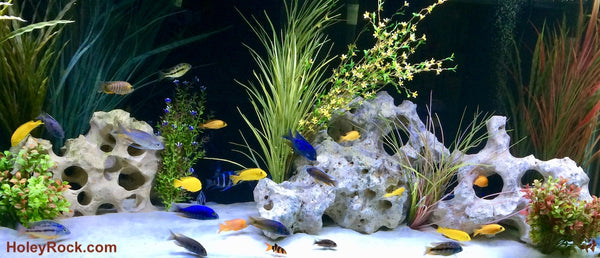
Rocks and caves provide shelter and hiding spots. Cichlids enjoy defending territories around these structures. Use natural rocks that do not affect water chemistry.
Arrange rocks to form caves and tunnels. These spaces reduce stress and encourage natural behavior. Make sure all rocks are stable to avoid accidents.
Decorative caves also help shy fish feel safe. They create a perfect place for breeding and resting. Avoid sharp edges to protect fish from injuries.
Plants Suitable For Cichlids
Not all plants survive with cichlids. These fish can dig and uproot plants easily. Choose hardy plants that tolerate this behavior.
Anubias and Java fern are good choices. They attach to rocks and driftwood, avoiding uprooting. These plants add greenery and improve water quality.
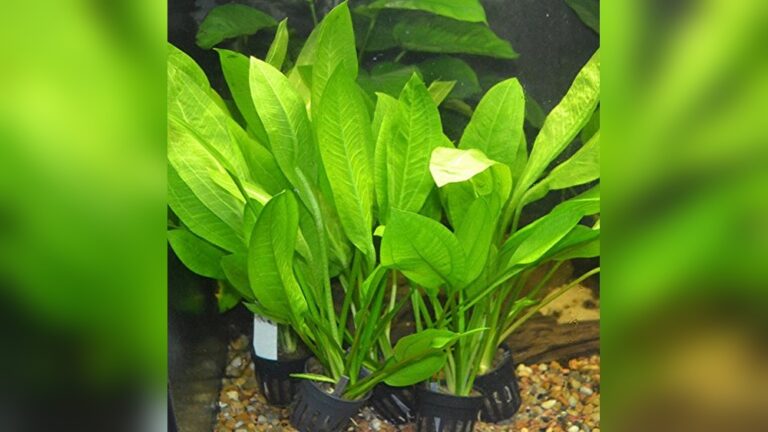
Vallisneria and Amazon sword also work well. They grow tall, offering hiding spots and shade. Healthy plants create a balanced, natural tank environment.
Lighting And Environment
Lighting and environment play a big role in a cichlid tank’s success. Good lighting helps fish stay healthy and active. The right environment keeps cichlids comfortable and stress-free. Both affect how your tank looks and how your fish behave.
Lighting Needs
Cichlids need moderate lighting to mimic their natural surroundings. Too bright light can stress them. Too dim light may hide their colors. Use LED lights with adjustable brightness. A timer helps keep a regular day and night cycle. This supports fish health and natural habits.
Creating Natural Habitats
Each cichlid species comes from a unique habitat. Replicate rocks, plants, and substrate to match their home. Use sand or fine gravel for bottom. Add caves and hiding spots with rocks or wood. Plants should be sturdy and suitable for water type. A natural setup makes fish feel safe and active.
Tank Mates And Compatibility
Choosing the right tank mates is key to a healthy cichlid tank. Cichlids have strong personalities. Some are peaceful, while others show aggression. Mixing species without care can cause stress and injury.
Compatibility means finding fish that live well together. It helps create balance and reduces fights. Careful planning makes the tank a peaceful home for all.
Choosing Compatible Species
Select fish with similar sizes and temperaments. Avoid mixing very aggressive and very shy species. Research each cichlid’s behavior before adding them to the tank. Some cichlids prefer rocky areas, others like open spaces. Match their needs for a calm environment. Species from the same region often get along better.
Managing Aggression
Provide plenty of hiding spots and decorations. This lowers stress and gives fish places to escape. Keep the tank clean and water quality high. Overcrowding can increase fights, so space is important. Watch fish behavior daily and separate fighters quickly. Feeding on time helps reduce competition and aggression.
Credit: www.holeyrock.com
Feeding Strategies
Feeding your cichlids properly is key to a healthy tank. Good feeding helps fish grow strong and show bright colors. It also keeps them active and lively. The right feeding plan fits their natural needs and tank setup.
Diet Variations
Cichlids need a mix of foods. Offer high-quality flakes or pellets as a base. Add live or frozen foods like brine shrimp or bloodworms. Vegetables like peas or spinach can also help. Different species prefer different diets. Some like more meat, others need more plants. Variety prevents boredom and improves health.
Feeding Frequency
Feed adult cichlids once or twice a day. Young fish may need feeding three times daily. Avoid overfeeding to keep water clean. Remove leftover food after a few minutes. Consistent feeding times help fish adapt. Watch their behavior to adjust feeding if needed.
Maintenance And Care
Maintaining a cichlid tank is key to keeping your fish healthy and happy. Regular care ensures clean water and a stable environment. It also helps spot problems early. Consistent effort makes a big difference in the tank’s success.
Regular Cleaning Routines
Clean the tank every week to remove waste and leftover food. Change 20% to 30% of the water to keep it fresh. Use a gravel vacuum to clean the substrate without disturbing the fish. Clean the filter monthly, but avoid washing it with tap water. Use tank water to keep beneficial bacteria alive. Check decorations and plants for algae and clean them gently. A clean tank reduces toxins and keeps fish comfortable.
Monitoring Fish Health
Watch your cichlids daily for signs of illness or stress. Look for changes in color, behavior, or appetite. Fish that hide or swim oddly may be sick. Test water parameters often, including pH, ammonia, nitrite, and nitrate levels. Keep these levels stable to avoid stress and disease. Quarantine new fish before adding them to the tank. Early care helps prevent serious health problems.

Credit: aquacustomfishtanks.com
Credit: www.aqueon.com
How Smart Pets Lover Can Help You with What Makes The Perfect Cichlid Tank
Learning from Your Cichlid Tank Setup
Creating the perfect cichlid tank is more than just assembling the right equipment—it’s an ongoing learning experience that deepens your connection with these fascinating fish. As you fine-tune water quality essentials and explore the best substrate and decoration choices, you’ll start to notice how each element influences your cichlids’ behavior and health. Observing these changes offers practical insights into aquatic ecosystems and responsible pet care.
Maintenance and care routines become opportunities to sharpen your skills, from monitoring water parameters to understanding feeding strategies that suit your tank’s unique community. This process reflects the core belief at Smart Pets Lover: helping pet parents feel confident and informed, turning everyday tasks into moments of discovery.
For those curious about diving deeper or troubleshooting challenges, connecting with experienced enthusiasts or resources can make all the difference. Feel free to reach out to communities or experts who share your passion—after all, every successful tank tells a story of patience, learning, and love.
Frequently Asked Questions
What Size Tank Is Ideal For Cichlids?
A 30-gallon tank is ideal for most cichlids. Larger tanks offer more space for swimming and reduce aggression. Size depends on the cichlid species and number of fish. Always provide enough room for natural behavior and territory.
How To Maintain Water Quality In A Cichlid Tank?
Regular water changes, efficient filtration, and monitoring pH keep water quality high. Cichlids prefer slightly alkaline water with stable parameters. Remove uneaten food and waste promptly. Consistency in maintenance reduces stress and disease risks.
What Substrate Is Best For A Cichlid Tank?
Sand or fine gravel works best for cichlids. These substrates mimic their natural habitat and allow digging behavior. Avoid sharp substrates to prevent injuries. Choose substrate color that enhances fish colors and provides a natural look.
Which Plants Are Suitable For A Cichlid Tank?
Hardy plants like Anubias, Java fern, and Vallisneria suit cichlids. These plants withstand digging and moderate nibbling. They offer hiding spots and improve tank aesthetics. Avoid delicate or soft-leaved plants that cichlids may uproot or eat.
Conclusion
Creating the perfect cichlid tank takes care and patience. Choose the right tank size and clean water. Add plants and hiding spots for comfort. Keep the temperature steady and feed balanced food. Watch your fish often to catch any problems early.
A happy tank means healthy, colorful cichlids. Enjoy the process and learn as you go. Your effort will bring a lively, beautiful aquarium. Simple steps make a big difference for your fish.