Cory Catfish Types
Are you looking to add lively, peaceful companions to your aquarium? Cory catfish might be just what you need.
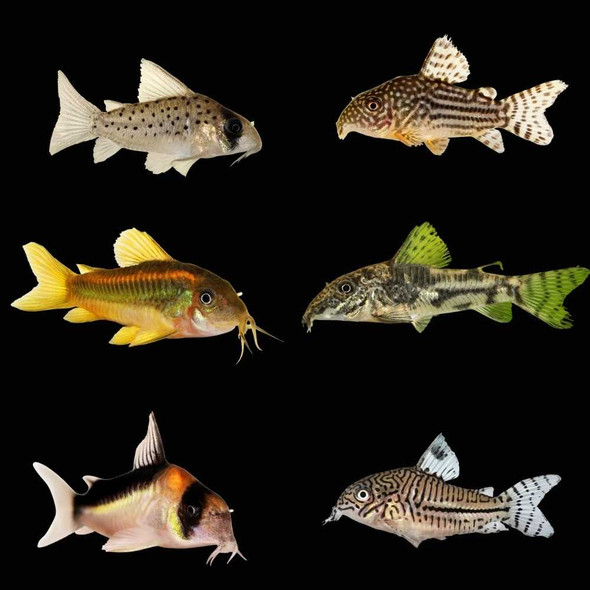
These small, friendly fish come in many types, each with unique colors and patterns that can brighten up your tank. Whether you’re new to fishkeeping or a seasoned hobbyist, understanding the different Cory catfish types will help you choose the perfect ones for your underwater community.
Keep reading to discover which Cory catfish will fit best with your style and how to care for them so they thrive in your aquarium.
:strip_icc()/Corydoras_paleatus-Hiyotada-56a32e735f9b58b7d0d0d4e9.jpg)
Credit: www.thesprucepets.com
Common Cory Catfish
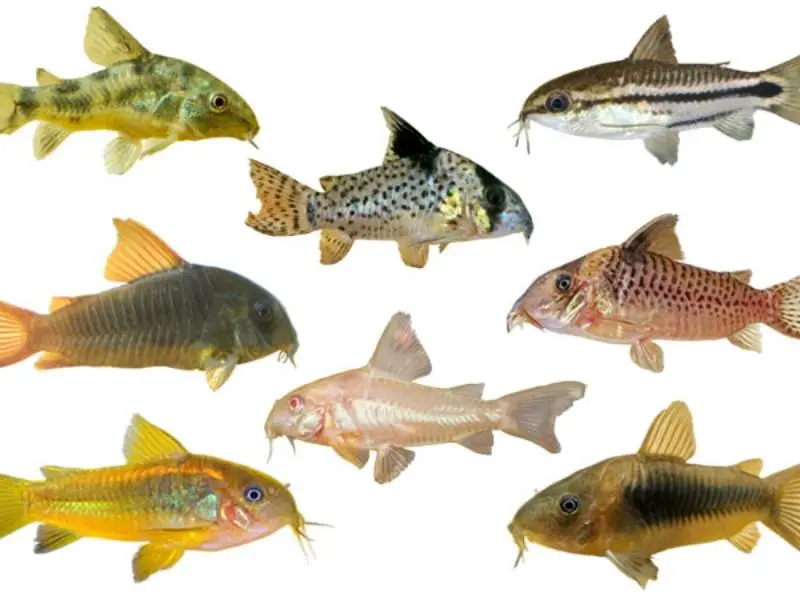
Cory catfish are popular choices for many aquarium hobbyists. They are small, peaceful, and active bottom dwellers. Many types exist, but some are more common in home tanks. These common Cory catfish are easy to care for and add life to any aquarium. They come in various colors and sizes, each with unique features.
Peppered Cory
The Peppered Cory is one of the most common types. It has a light body with black spots, like pepper sprinkled over it. These fish are hardy and adapt well to different water conditions. They prefer to live in groups and are very social. They clean leftover food from the tank bottom.
Bronze Cory
Bronze Cory has a shiny, bronze-colored body. It is slightly larger than other Cory types. This fish is peaceful and calm, perfect for community tanks. It enjoys soft, sandy substrate where it can dig and search for food. Bronze Cory is active during the day and sleeps at night.
Pygmy Cory
Pygmy Cory is the smallest common Cory catfish. It grows only about one inch long. Despite its small size, it is very lively and social. It prefers to live in groups of six or more. Pygmy Cory is perfect for small tanks and nano aquariums.
Albino Cory
Albino Cory stands out with its pale pink or white body. Its eyes are red, giving it a unique look. Albino Cory is gentle and peaceful. It thrives in similar conditions as other Cory catfish. This type is popular for its striking color and calm nature.
Rare Cory Catfish
Rare Cory Catfish species add beauty and uniqueness to any aquarium. These fish are less common but highly prized by hobbyists. They have special colors and patterns that stand out. Caring for them can be a rewarding experience. Each rare Cory has its own charm and care needs.
Emerald Cory
The Emerald Cory has a striking greenish-blue body. It shines like a jewel under aquarium lights. This fish prefers soft, sandy substrates to dig and explore. It enjoys calm waters with plenty of hiding spots. Emerald Corys are peaceful and get along well with others.
Julii Cory
Julii Cory has a spotted pattern that looks like small dots. It is often confused with the similar Panda Cory. This fish is active and loves to search the tank bottom for food. It thrives in well-planted tanks with clean water. The Julii Cory adds lively movement to any tank.
Sterbai Cory
Sterbai Cory stands out with its white spots and dark body. It is a hardy fish that adapts well to many tank setups. This species prefers cooler water temperatures than other Corys. Sterbai Corys are social and should be kept in groups. They help keep the tank floor clean.
Schnelli Cory
Schnelli Cory is rare and has a unique black and white pattern. It has long whiskers that give it a distinctive look. This fish enjoys soft sand and gentle water flow. Schnelli Corys are shy but become more active with company. They add elegance to community tanks.
Physical Traits
Cory catfish are popular freshwater fish known for their unique physical traits. These features help identify different types of Cory catfish. They vary in size, color, and fin shapes. Understanding these traits makes it easier to choose the right Cory for your aquarium.
Size And Shape
Cory catfish usually have a small, compact body. Most species grow between 1 to 3 inches long. Their bodies are slightly rounded with a flat underside. This shape helps them stay close to the tank bottom. Some types have a more slender body, while others are a bit stockier.
Color Patterns
The color of Cory catfish varies widely. Many have shades of brown, gray, or tan. Some feature spots or stripes across their bodies. These patterns can be dark or light. Certain species show bright colors like orange or red on their fins or heads. These colors often help the fish blend into their natural environment.
Fin Structures
Cory catfish have different fin types depending on the species. Their dorsal fin is usually upright and triangular. Pectoral fins are broad and help them move along the tank bottom. Some Cory catfish have long barbels near their mouths. These barbels help them find food in dark or murky water. Tail fins are generally rounded but can vary slightly.
Credit: www.fishkeepingworld.com
Behavior And Temperament
Cory catfish show calm and friendly behavior. Their temperament makes them popular for many aquariums. They stay peaceful and rarely cause trouble. Understanding their behavior helps create a happy tank environment.
These fish enjoy company and have unique activity patterns. Their way of interacting with other fish affects tank harmony. Knowing their social habits and activity levels is important for any fish keeper.
Social Habits
Cory catfish are social and live in groups. They like to swim close to their friends. Alone, they may feel stressed or shy. Groups of six or more keep them happy and active. They often rest together on tank bottoms or plants.
Activity Levels
Cory catfish are active mostly during the day. They explore the tank floor for food. Their movements are slow but steady. They enjoy digging in soft sand or gravel. At night, they rest and stay calm.
Compatibility With Other Fish
Cory catfish get along well with many fish types. They are peaceful and avoid fights. Avoid aggressive or large fish that may harm them. Small, calm fish make good tank mates. Cory fish add life without causing stress.
Habitat Needs
Cory catfish need a specific environment to thrive. Their habitat must mimic natural conditions closely. This helps keep them healthy and active. Understanding their habitat needs is key for any aquarium owner. Let’s explore the basics.
Tank Size
Cory catfish prefer tanks that hold at least 20 gallons. They enjoy space to swim and explore the bottom. Larger tanks allow for groups, which cory catfish love. A crowded tank can stress them out and cause health issues.
Water Conditions
The water must be clean and well-filtered. Cory catfish thrive in temperatures between 72°F and 78°F. They prefer slightly acidic to neutral water, with pH around 6.5 to 7.5. Stable water conditions reduce stress and disease risks.
Substrate Preferences
Soft, sandy substrates are ideal for cory catfish. They like to dig and sift through the sand gently. Rough or sharp gravel can injure their delicate barbels. A smooth substrate helps them feed and feel comfortable.
Feeding Habits
Cory catfish have unique feeding habits that make them interesting aquarium pets. They are bottom-dwellers and like to search for food along the tank floor. Their natural behavior helps keep the tank clean by eating leftover food.
Understanding their feeding habits helps provide the right diet and care. This keeps your cory catfish healthy and active.
Diet Types
Cory catfish eat both plant and animal matter. They are omnivores and need a mix of foods. Sinking pellets or wafers designed for bottom feeders work well. They also enjoy live or frozen foods like bloodworms and brine shrimp.
Adding vegetables like cucumber or zucchini helps provide extra nutrition. Variety in their diet ensures they get all needed nutrients.
Feeding Frequency
Feed cory catfish once or twice daily. Give small amounts that they can eat quickly. Avoid overfeeding to prevent water pollution and health issues. Watch their behavior to adjust feeding amounts.
Young cory catfish may need more frequent feedings. Adult fish do well with regular, moderate meals.
Favorite Foods
Cory catfish love sinking pellets and wafers. They also enjoy live foods like bloodworms and daphnia. Fresh vegetables such as cucumber slices are favorites too. These foods keep them active and healthy.
Offering a mix of these foods keeps your cory catfish happy. Pay attention to what they prefer and feed accordingly.
Credit: www.saltwateraquarium.com
How Smart Pets Lover Can Help You with Cory Catfish Types
Exploring Cory Catfish Types: A Hands-On Learning Journey
Understanding the different Cory Catfish types opens up wonderful opportunities to deepen your connection with these charming aquatic companions. As you learn about their unique physical traits and behavior, you’ll find practical ways to tailor their habitat and feeding habits for a thriving tank environment.
For instance, recognizing the subtle differences between common and rare Cory Catfish can help you create a more natural and comfortable setup that mirrors their native habitat needs. Observing their temperament also teaches patience and the joy of nurturing peaceful community tanks.
- Try journaling your observations on how different Cory types interact.
- Experiment with varied feeding routines to see what suits each type best.
- Research water parameters that support specific Cory Catfish species.
At Smart Pets Lover, we believe every detail you discover adds to your confidence and joy as a pet parent. Should questions arise, connecting with fellow enthusiasts or experts through trusted forums can be a valuable resource—because learning with your fish is part of the rewarding journey where every wag, purr, and chirp tells a story.
Frequently Asked Questions
What Are The Most Popular Cory Catfish Types?
The most popular Cory Catfish types include Corydoras paleatus, Corydoras julii, and Corydoras sterbai. These species are loved for their peaceful nature and vibrant patterns. They adapt well to community tanks, making them ideal for beginners and experienced aquarists alike.
How Big Do Cory Catfish Usually Grow?
Cory Catfish typically grow between 1 to 3 inches in length. Size varies by species, with some like Corydoras aeneus reaching 2. 5 inches. Their small size makes them suitable for smaller tanks, but they thrive best in groups.
What Tank Conditions Suit Cory Catfish Best?
Cory Catfish prefer soft, slightly acidic to neutral water with temperatures between 72-78°F. They thrive in tanks with smooth substrate to protect their barbels. Regular water changes and a peaceful environment help maintain their health and activity.
Are Cory Catfish Good For Community Tanks?
Yes, Cory Catfish are excellent for community tanks. They are peaceful, social bottom dwellers that coexist well with other non-aggressive fish. Their active nature adds movement and interest without disturbing other tank inhabitants.
Conclusion
Cory catfish come in many types, each with unique colors and shapes. They are peaceful and easy to care for in home aquariums. These fish help keep tanks clean by eating leftover food. Choosing the right type depends on tank size and water conditions.
Cory catfish make a great addition to community fish tanks. Their friendly nature and low care needs suit beginners well. Enjoy watching their playful behavior and bright appearance. Consider adding cory catfish to bring life and activity to your aquarium.