Rubber Lip Pleco
Are you looking for a unique and low-maintenance addition to your aquarium? The Rubber Lip Pleco might be exactly what you need.
This fascinating fish not only adds a splash of personality to your tank but also helps keep it clean. If you want to learn how to care for your Rubber Lip Pleco and make sure it thrives, keep reading. You’ll discover simple tips and interesting facts that will make your aquarium experience even better.
Credit: aquahuna.com
Rubber Lip Pleco Basics
The Rubber Lip Pleco is a unique freshwater fish popular among aquarium lovers. This species stands out due to its distinctive appearance and interesting habits. Understanding its basics helps in caring for this fish properly.
Let’s explore the key facts about the Rubber Lip Pleco to know it better.
Physical Features
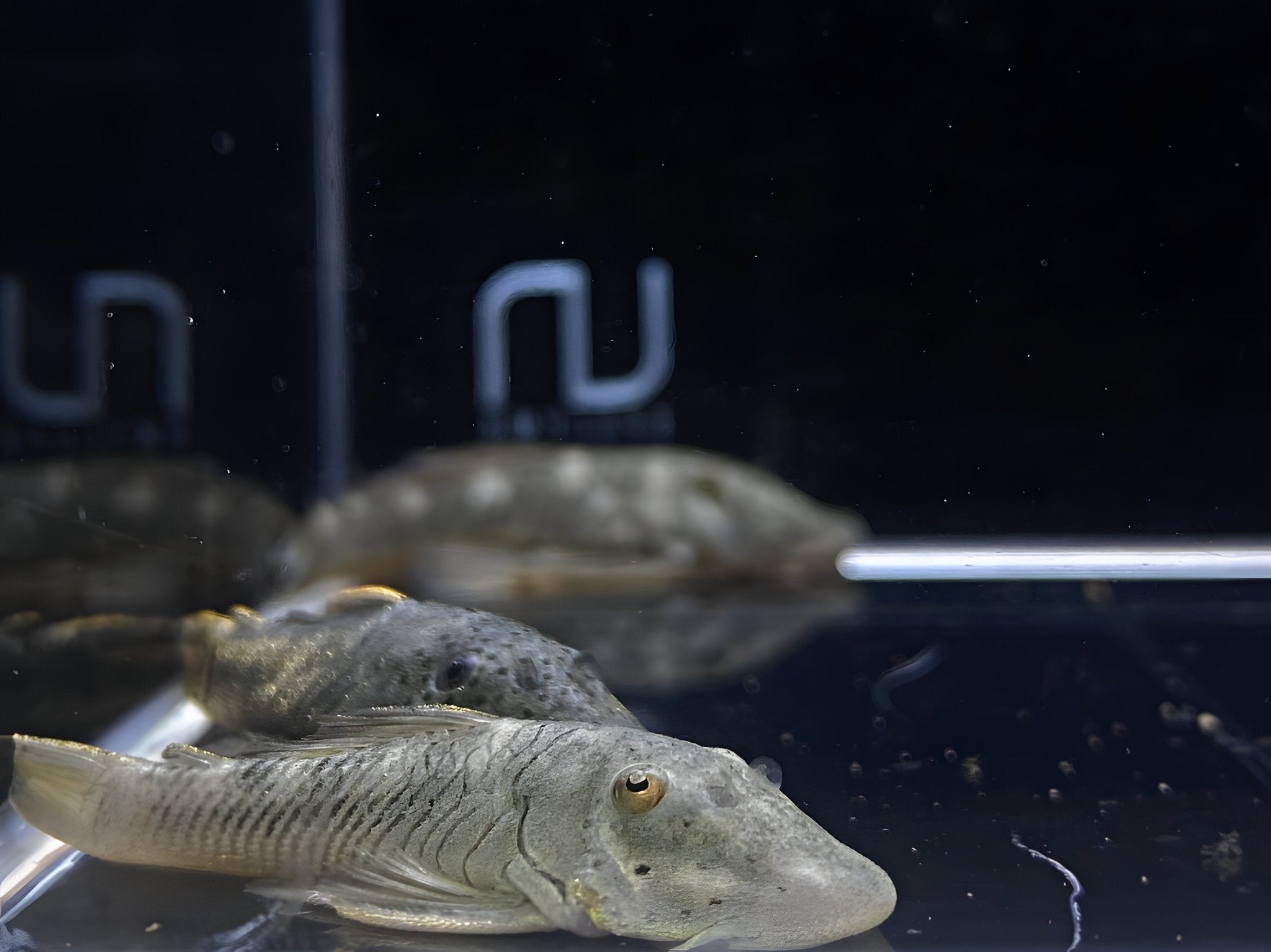
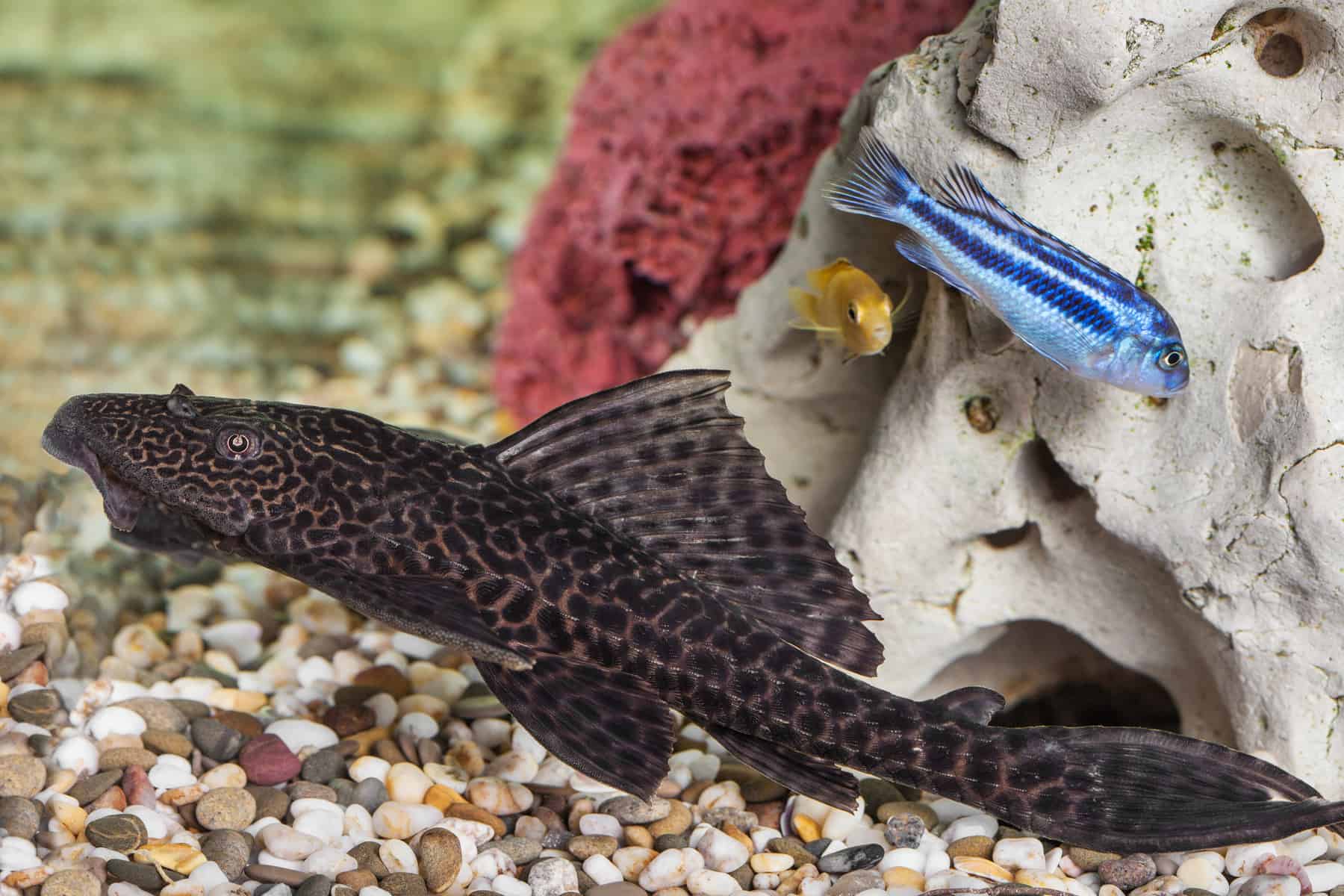
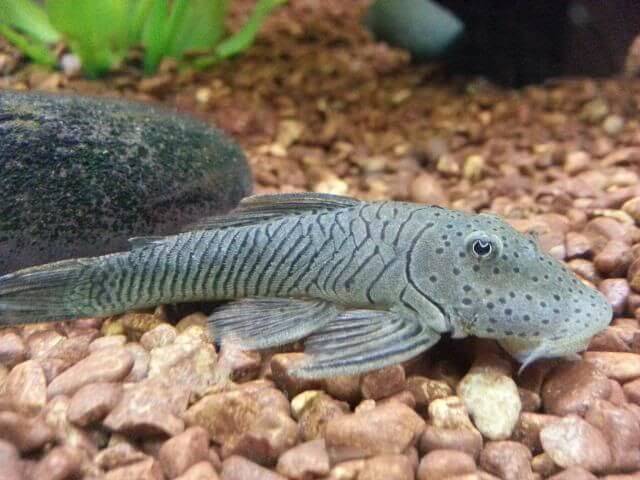
The Rubber Lip Pleco has a broad, flat body covered with tough scales. Its lips are thick and rubbery, giving this fish its name. It usually shows dark brown or black colors with lighter spots. Its size can reach up to 6 inches in length. Strong fins help it cling to surfaces in fast water.
Natural Habitat
This fish comes from rivers in South America, especially Brazil. It prefers clear, slow-moving waters with plenty of rocks and wood. These places provide shelter and food sources. The water is usually warm and slightly acidic. Rubber Lip Plecos thrive in a clean and stable environment.
Behavior Traits
Rubber Lip Plecos are mostly nocturnal, active during the night. They spend time hiding in caves or under driftwood during the day. They are peaceful and avoid conflicts with other fish. These plecos feed mainly on algae and detritus. They help keep the aquarium clean by eating leftover food.
Credit: www.tropicalaquarium.co.za
Tank Setup
Setting up the right tank for your Rubber Lip Pleco is important. It keeps the fish healthy and happy. This fish needs space and clean water. You must prepare the tank carefully.
Each part of the tank matters. From size to decorations, everything plays a role. Below, find key points to create a perfect home for your Pleco.
Ideal Tank Size
Rubber Lip Plecos grow up to 6 inches long. A tank of at least 30 gallons is best. Bigger tanks offer more swimming space. It also helps keep water stable.
Water Conditions
These fish prefer soft, slightly acidic water. Keep pH between 6.5 and 7.2. Temperature should stay between 74°F and 80°F. Use a good filter for clean water. Change 20% of water every week.
Decor And Substrate
Use smooth rocks and driftwood for hiding spots. Plecos like to rest in shaded areas. Sand or fine gravel works well for substrate. Avoid sharp objects that can hurt the fish. Plants also add comfort and shelter.
Diet And Feeding
The Rubber Lip Pleco is a peaceful fish with simple diet needs. Feeding it the right food helps it stay healthy and active. Understanding what it eats and how often to feed keeps your pleco happy.
Its diet mainly consists of plant matter and small proteins. A balanced diet prevents health problems and supports growth. Knowing the best foods and feeding schedule is key.
Preferred Foods
Rubber Lip Plecos eat algae and plant material. Offer algae wafers and blanched vegetables like zucchini or spinach. Small amounts of sinking pellets work well too. Occasionally, provide protein foods like bloodworms or shrimp.
Fresh vegetables should be cleaned and cut into small pieces. Avoid overfeeding to keep the tank clean. Variety helps meet all nutritional needs and keeps them interested.
Feeding Frequency
Feed adult Rubber Lip Plecos once a day or every other day. Young plecos need feeding twice daily for proper growth. Remove leftover food after a few hours to prevent water pollution.
Observe your fish to adjust feeding amounts. Overfeeding can cause health issues and dirty water. Stick to regular feeding times for a healthy routine.
Supplements
Calcium supplements promote strong bones and healthy growth. Add cuttlebone or mineral blocks to the tank. Vitamin supplements can be given occasionally through food.
Ensure supplements suit plecos and do not harm water quality. Proper supplements improve color, health, and lifespan. Monitor your fish for any signs of deficiency or stress.
Credit: www.aquariumsource.com
Compatibility With Other Fish
The Rubber Lip Pleco is a popular fish for freshwater aquariums. Understanding how it gets along with other fish is key. Its compatibility affects the tank’s peace and the health of all fish.
This fish is mostly peaceful but has specific needs. Knowing which fish can live together helps avoid fights and stress. It also ensures all fish thrive in the same environment.
Suitable Tank Mates
Rubber Lip Plecos do well with small to medium-sized fish. Good companions include tetras, rasboras, and peaceful cichlids. Avoid aggressive or very large fish that may bully them. Bottom dwellers like Corydoras catfish can share space safely. These choices keep the tank calm and balanced.
Aggression Levels
This pleco shows low aggression most times. It defends its territory lightly but rarely attacks. Males may become territorial during breeding. Aggression is usually limited to minor displays or chasing. It does not harm other fish seriously. Keeping enough hiding spots reduces any tension.
Social Behavior
Rubber Lip Plecos are mostly solitary but tolerate others nearby. They enjoy hiding in caves and crevices alone. Grouping many plecos can cause stress or fights. They are active at night and rest during the day. Watching their behavior helps spot any problems early. Respecting their space keeps the aquarium peaceful.
Health And Care
The health and care of Rubber Lip Plecos are vital for their well-being. These fish need a clean tank and proper diet to thrive. Regular maintenance and observation help keep them healthy.
Knowing common diseases helps catch problems early. Proper care reduces risks and stress. Stress signs show when your pleco needs attention.
Common Diseases
Rubber Lip Plecos often face skin infections and fin rot. Poor water quality causes these diseases. Ich, a parasite, is also common. It appears as white spots on the fish.
Gill flukes affect breathing and cause discomfort. Fungus infections appear as cotton-like patches. Early treatment is key to recovery.
Preventive Measures
Keep water clean by changing 20% weekly. Use a good filter to remove waste. Avoid overfeeding to prevent water pollution. Provide hiding spots to reduce stress.
Quarantine new fish before adding them to the tank. Monitor water temperature and pH regularly. A balanced diet supports the immune system.
Signs Of Stress
Rubber Lip Plecos show stress by hiding more than usual. Loss of appetite is another sign. Look for rapid gill movement or erratic swimming.
Color fading or dullness may indicate poor health. Watch for clamped fins or lethargy. Quick action helps prevent serious illness.
Breeding Tips
Breeding Rubber Lip Plecos can be rewarding with the right care. Understanding their needs helps create a safe and healthy environment. These tips guide you through breeding conditions, spawning behavior, and raising fry effectively.
Breeding Conditions
Keep the water clean and well-oxygenated. Temperature should stay between 78°F and 82°F. Slightly acidic water with a pH of 6.5 is best. Provide plenty of hiding spots using caves or clay pots. A gentle water flow mimics their natural habitat. Change 25% of the water weekly to maintain quality. Use soft lighting to reduce stress on the fish.
Spawning Behavior
Males guard the nesting site and attract females. They clean the cave before spawning. Females lay eggs inside the cave, usually 20 to 30. The male fertilizes the eggs and protects them. Watch for increased activity near the cave. The male fans the eggs to provide oxygen and prevent fungus.
Raising Fry
Eggs hatch in about 5 to 7 days. Keep the water temperature stable during this time. Remove the male after hatching to prevent aggression. Feed fry with finely crushed algae wafers and baby brine shrimp. Change water gently to avoid stress. Keep the tank dark or dim to encourage growth. Fry grow slowly and need patience.
Common Mistakes To Avoid
Keeping a Rubber Lip Pleco healthy requires care and attention. Many beginners make simple mistakes that can harm these fish. Avoiding these common errors helps your pleco live longer and stay happy.
Overfeeding
Rubber Lip Plecos do not need large amounts of food. Overfeeding leads to poor water quality and health problems. Feed small portions once or twice daily. Remove leftover food to prevent decay.
Improper Water Quality
Clean water is essential for Rubber Lip Plecos. Dirty or hard water stresses the fish and causes illness. Test water regularly for ammonia, nitrites, and nitrates. Perform partial water changes weekly to keep the tank clean.
Incompatible Tankmates
Not all fish get along with Rubber Lip Plecos. Aggressive or fast fish can harm them. Choose peaceful species that do not compete for food or territory. Provide hiding places to reduce stress and protect your pleco.
How Smart Pets Lover Can Help You with Rubber Lip Pleco
Learning Through Caring for Your Rubber Lip Pleco
Bringing a Rubber Lip Pleco into your home offers more than just a new aquatic friend—it opens doors to practical learning about aquarium life. As you set up the ideal tank environment, you’ll gain hands-on experience in balancing water conditions and choosing compatible tank mates, reflecting the importance of thoughtful tank setup and compatibility. Feeding your Pleco encourages you to explore diverse diets, understanding how nutrition directly impacts fish health and behavior.
At Smart Pets Lover, we believe every pet parent’s journey is a story of discovery and connection. By observing your Pleco’s health and responding to its care needs, you develop a deeper appreciation for responsible pet ownership and attentive care. Should questions arise, reaching out to knowledgeable communities or experts can provide valuable insights, supporting your confident, informed approach.
Remember, every ripple in the tank teaches patience and empathy—qualities that enrich not only your aquarium experience but your bond with all pets.
Frequently Asked Questions
What Is A Rubber Lip Pleco Fish?
The Rubber Lip Pleco is a freshwater catfish known for its rubbery lips. It belongs to the Loricariidae family. This species helps control algae in aquariums. It is peaceful and prefers hiding spots. Ideal for community tanks due to its calm nature.
How To Care For Rubber Lip Pleco Properly?
Provide a tank with at least 30 gallons. Maintain water temperature between 74-80°F and pH 6. 5-7. 5. Offer a balanced diet of algae wafers and vegetables. Include driftwood and hiding places. Perform regular water changes to keep the environment clean.
What Does Rubber Lip Pleco Eat In Captivity?
They primarily eat algae, biofilm, and vegetables. Supplement their diet with sinking algae wafers. Offer blanched zucchini, cucumber, or spinach occasionally. Avoid overfeeding to prevent water quality issues. This diet supports their health and natural behavior.
Are Rubber Lip Plecos Peaceful With Other Fish?
Yes, Rubber Lip Plecos are generally peaceful. They coexist well with other non-aggressive fish species. Avoid housing them with large, territorial fish. Providing sufficient hiding spots reduces stress. Their calm nature makes them great community tank members.
Conclusion
Rubber Lip Plecos make great additions to many aquariums. They help keep tanks clean by eating algae. These fish are peaceful and easy to care for. They enjoy hiding places and gentle water flow. Feeding them well supports their health and color.
Watching their unique behavior can be very relaxing. Choose a Rubber Lip Pleco to add life and balance. A happy fish means a happy tank environment. Simple care leads to a thriving, beautiful aquarium friend.